 Back
BackNutrition and Physical Activity: Maximizing Performance and Health
Study Guide - Smart Notes
 Tailored notes based on your materials, expanded with key definitions, examples, and context.
Nutrition & Physical Activity
Definition & Benefits of Physical Activity
Physical activity encompasses all bodily movements produced by muscle contractions that increase energy expenditure. It includes both structured (planned exercise) and unstructured (leisure or daily activities) forms. Regular physical activity is essential for maintaining health and preventing chronic diseases.
Physical Activity: Any movement that increases energy expenditure, including activities during leisure, transport, or work.
Physical Fitness: The ability to perform moderate to vigorous activity without undue fatigue.
Benefits: Improves cardiovascular health, muscle strength, flexibility, mental health, and reduces risk of chronic diseases.

The Essentials of Fitness
Fitness is composed of several key components, each contributing to overall health and performance:
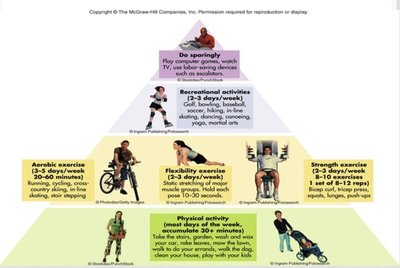
Aerobic/Cardiovascular Endurance: Ability to sustain moderate-to-high intensity activity for prolonged periods. Examples include running, cycling, and swimming.
Muscle Strength/Resistance Training: Ability of muscles to work against resistance, important for bone health and metabolic rate.
Flexibility: Ability to bend and recover without injury, reducing risk of musculoskeletal injuries.



Recommendations for Physical Activity
Guidelines emphasize the importance of regular physical activity for all age groups:
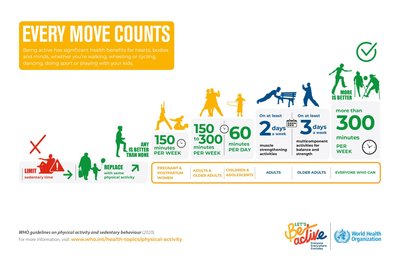
At least 150 minutes per week of moderate-intensity aerobic activity (e.g., brisk walking, dancing, swimming).
Muscle-strengthening activities at least 2 days per week (e.g., push-ups, lifting weights).
Reduce sedentary activities such as watching TV or prolonged sitting.
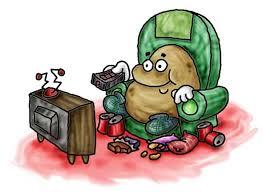
The Couch Potato Crisis
Risks of Sedentary Lifestyle
Prolonged inactivity is associated with increased risk of obesity, cardiovascular diseases, diabetes, certain cancers, and premature death. Health officials recommend reducing sitting time and incorporating movement throughout the day.
Move for at least 1-2 minutes every hour in addition to weekly activity recommendations.
Lifestyle activities (walking, gardening) are as effective as structured exercise for heart health and weight maintenance.
Physical Activity Statistics
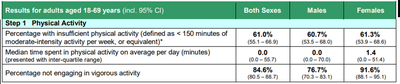
Data from Lebanon (WHO, 2019) highlights high rates of insufficient physical activity among adults, emphasizing the need for public health interventions.
Indicator | Both Sexes | Males | Females |
|---|---|---|---|
% with insufficient physical activity (<150 min/week) | 51.6% | 60.7% | 61.3% |
Median time spent in physical activity (min/day) | 0.0 | 0.0 | 1.4 |
% not engaging in vigorous activity | 84.6% | 81.5% | 91.6% |
Reversibility of Fitness
Physical fitness is not permanent; benefits diminish within two weeks of inactivity and may disappear within 2-8 months. Continuous activity is necessary to maintain fitness.
Maximizing Performance in Sports
Nutrition, Training, and Performance
Optimal sports performance depends on a combination of genetics, training, and nutrition. Proper diet supports energy needs, muscle recovery, and overall health.
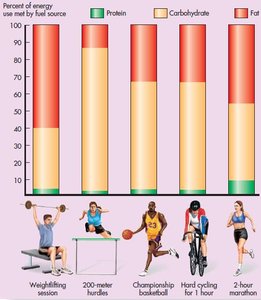
Carbohydrates: 60% of total calories; primary energy source for high-intensity exercise.
Fat: 35% of total calories; emphasize monounsaturated fats, avoid saturated and trans fats.
Protein: 1-1.6 g/kg body weight; supports muscle repair and growth.

Muscle Fuel/Energy Systems
Muscle cells require adenosine triphosphate (ATP) for contraction. ATP is generated from food energy through several pathways:
Phosphocreatine (PCr): Provides immediate energy for short bursts of activity.
Carbohydrates: Main source for high-intensity, short-duration exercise (anaerobic); also fuels prolonged activity (aerobic).
Fat: Primary source for low-to-moderate intensity, long-duration exercise.
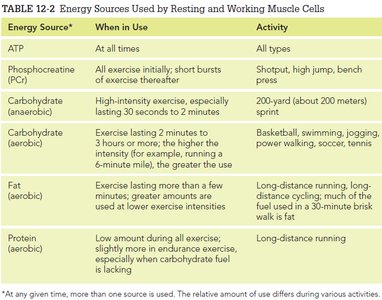
Energy Source | When in Use | Activity |
|---|---|---|
ATP | At all times | All types |
Phosphocreatine (PCr) | All exercise initially; short bursts | Shotput, high jump |
Carbohydrate (anaerobic) | High-intensity, 30s-2min | 200m sprint |
Carbohydrate (aerobic) | 2min-3h+ | Basketball, swimming, jogging |
Fat (aerobic) | After a few minutes, low/moderate intensity | Long-distance running |
Protein (aerobic) | Low amount, mainly when CHO is lacking | Long-distance running |
Carbohydrate Loading
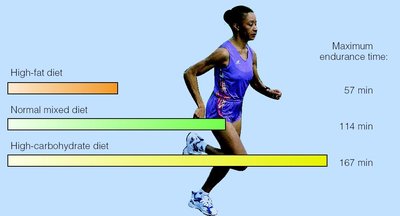
Carbohydrate loading is a strategy to maximize muscle glycogen stores before endurance events lasting more than 90 minutes. It involves increasing carbohydrate intake to 60-70% of calories and consuming low glycemic index foods. This technique delays fatigue and enhances performance in prolonged aerobic activities.
Not beneficial for activities lasting less than one hour.
During endurance exercise (≥1 hour), consuming 30-60g of carbohydrates per hour helps maintain blood glucose and delay fatigue.
Dietary Tips for Physical Performance
Nutrition before, during, and after exercise is crucial for optimal performance and recovery:
Before: Light, easily digestible meals high in carbohydrates, moderate in protein, low in fat. Avoid high-fiber and gas-causing foods. Hydrate well.
During: Drink ½-2 cups of fluids every 15 minutes. For activities ≥60 minutes, consume sports drinks or snacks to maintain blood glucose.
After: Rehydrate and consume a combination of carbohydrates and proteins within 2 hours (optimally within 15 minutes) for muscle repair and glycogen replenishment.

Protein and Physical Activity
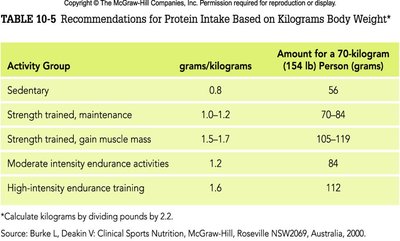
Protein requirements for athletes are slightly higher than for the general population. Most athletes can meet their needs through a balanced diet without supplements. Excessive protein intake does not enhance muscle growth or performance.
Activity Group | g/kg | Amount for 70kg Person (g) |
|---|---|---|
Sedentary | 0.8 | 56 |
Strength trained, maintenance | 1.0-1.2 | 70-84 |
Strength trained, gain muscle mass | 1.5-1.7 | 105-119 |
Moderate intensity endurance | 1.2 | 84 |
High-intensity endurance | 1.6 | 112 |
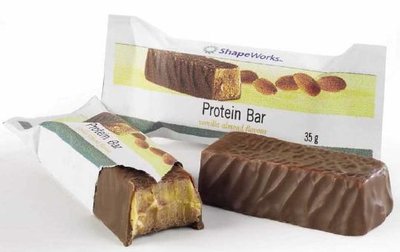
Protein Drinks and Energy Bars
Most people obtain adequate protein from their diet. Protein drinks and energy bars are not necessary for muscle building or energy enhancement and are often marketed with exaggerated claims.

Fluids and Physical Activity
Hydration is critical during exercise. Thirst is a late indicator of dehydration; therefore, regular fluid intake is recommended before, during, and after activity. Sports drinks are beneficial for prolonged, intense exercise (>1 hour) as they replace electrolytes and provide carbohydrates.
Ergogenic Aids and Supplements
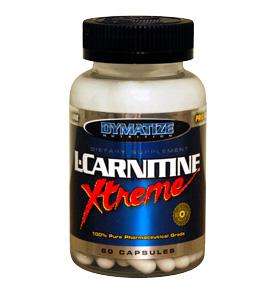
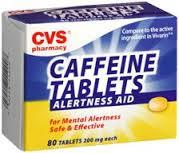
Many products claim to enhance performance, including protein powders, amino acids, caffeine, carnitine, creatine, and others. Scientific evidence supporting their effectiveness is inconsistent, and some may have adverse effects.
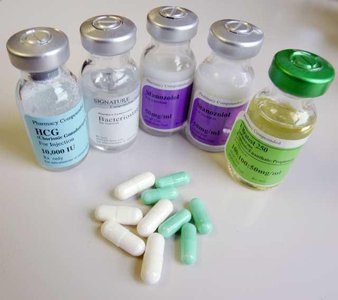
Steroids
Synthetic derivatives of testosterone, known as anabolic steroids, are sometimes used to increase muscle mass and strength. However, they are associated with serious health risks, including cardiovascular disease, infertility, and psychological effects, and are classified as controlled substances.

Conclusion
Consistent training and balanced nutrition are the most effective strategies for enhancing athletic performance and maintaining health. Supplements and ergogenic aids are generally unnecessary and may pose health risks.
