 Back
Proteins and Amino Acids: Structure, Function, and Dietary Importance
Study Guide - Smart Notes
 Tailored notes based on your materials, expanded with key definitions, examples, and context.
Proteins: Crucial Components of All Body Tissues
The Nature of Proteins and Amino Acids
Proteins are large, complex molecules essential for the structure, function, and regulation of the body's tissues and organs. They are composed of smaller units called amino acids, which are linked together in specific sequences to form polypeptide chains.
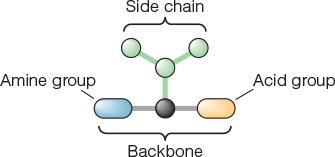
Amino acids are the building blocks of proteins. Each amino acid contains an amine group, an acid group, and a unique side chain that determines its properties.
There are 20 amino acids used to build proteins, classified as essential (must be obtained from diet) and nonessential (can be synthesized by the body).
Conditionally essential amino acids become essential under certain physiological conditions, such as illness or stress.
Proteins are made of carbon, hydrogen, oxygen, and nitrogen atoms.
Essential and Nonessential Amino Acids
The body requires nine essential amino acids from food, while eleven nonessential amino acids can be synthesized internally if dietary intake is adequate.
Essential amino acids: Histidine, Isoleucine, Leucine, Lysine, Methionine, Phenylalanine, Threonine, Tryptophan, Valine.
Nonessential amino acids: Alanine, Arginine, Asparagine, Aspartic acid, Cysteine, Glutamic acid, Glutamine, Glycine, Proline, Serine, Tyrosine.
Conditionally essential amino acids arise when the body cannot synthesize them due to lack of precursors or enzymes.
Protein Structure and Function
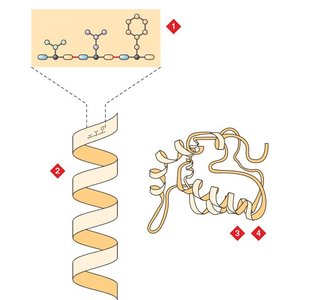
Proteins are formed by linking amino acids through peptide bonds. The sequence and structure of these bonds determine the protein's shape and function.
Dipeptide: 2 amino acids
Tripeptide: 3 amino acids
Oligopeptide: 4-9 amino acids
Polypeptide: 10+ amino acids
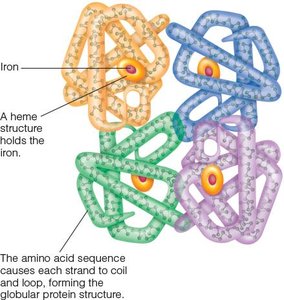
The shape of a protein is essential to its function, e.g., collagen (strength), hemoglobin (oxygen transport), muscle proteins (movement).
Genetic Influence and Protein Diversity
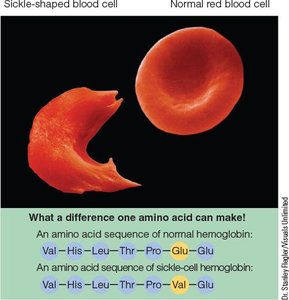
Protein shapes and functions are determined by inherited amino acid sequences. Mutations can lead to diseases such as sickle-cell anemia, where a single amino acid change alters hemoglobin's function.
Protein Denaturation
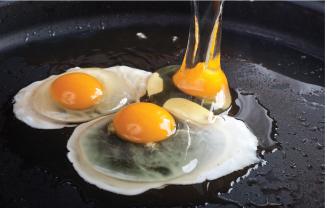
Denaturation is the process by which a protein loses its native shape due to external factors such as heat, acids, bases, alcohol, or heavy metals. Denatured proteins cannot function as intended.
Denaturation is important in digestion, as it allows enzymes to access peptide bonds.
Examples include the hardening of egg whites when cooked and the curdling of milk with acid.
Digestion and Absorption of Dietary Protein
Protein Digestion
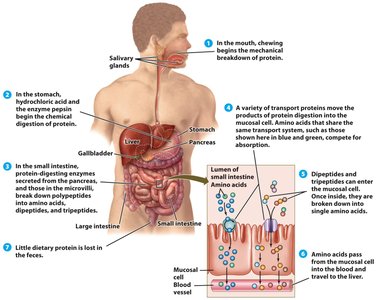
Protein digestion begins in the stomach, where hydrochloric acid denatures proteins and enzymes break peptide bonds. In the small intestine, polypeptides are further broken down into dipeptides, tripeptides, and amino acids.
Stomach: Hydrochloric acid and pepsin initiate digestion.
Small intestine: Enzymes from the pancreas and intestinal lining complete digestion.
Amino Acid Absorption
Amino acids are absorbed by cells in the small intestine and transported to the liver via the bloodstream. Larger protein fragments may act as hormones or trigger food allergies.
Cells have specific sites for different amino acids.
Amino acids are used for protein synthesis or released for use by other cells.
The Importance of Protein in the Body
Protein Synthesis and Turnover
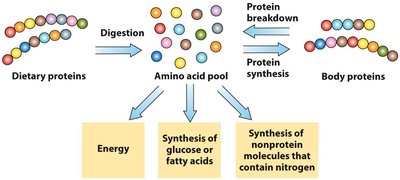
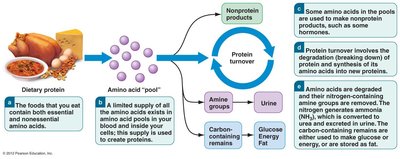
Protein synthesis is the process by which cells create new proteins using instructions from genes. Protein turnover refers to the continuous breakdown and synthesis of proteins in the body.
Amino acids come from diet, breakdown of body proteins, and a limited pool in blood and cells.
Protein turnover ensures the replacement of worn-out cells and the building of new tissue.
Protein Functions in the Body
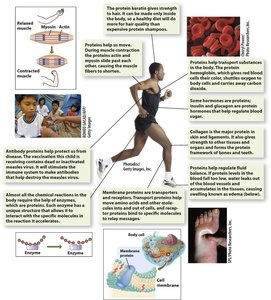
Proteins perform a wide range of functions essential for health and survival.
Acid–base balance: Proteins act as buffers to maintain pH.
Antibodies: Proteins form immune molecules.
Blood clotting: Proteins provide netting for clots.
Energy and glucose: Proteins can be used for energy.
Enzymes: Proteins catalyze chemical reactions.
Fluid and electrolyte balance: Proteins maintain water and mineral composition.
Gene expression: Proteins regulate DNA activity.
Hormones: Some hormones are proteins or derived from amino acids.
Structure and movement: Proteins provide shape and strength to tissues.
Transport: Proteins move substances throughout the body.
Protein and Fluid Balance
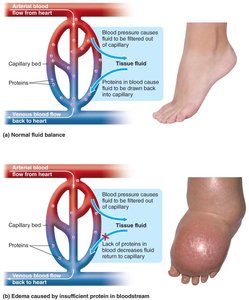
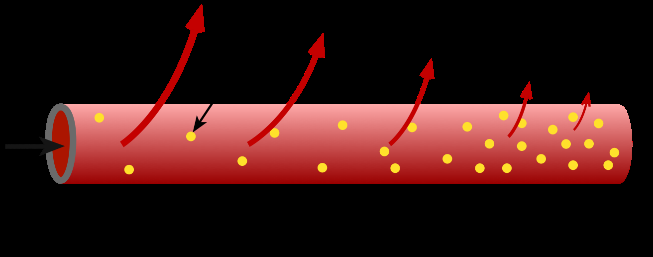
Proteins such as albumin help maintain oncotic pressure in blood vessels, preventing fluid accumulation in tissues. Severe protein deficiency can lead to edema.
Protein as an Energy Source
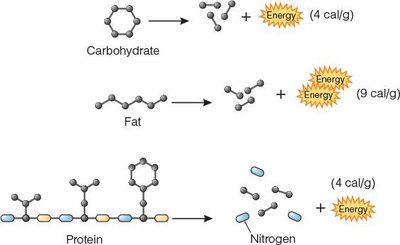
Proteins can be broken down to provide energy, especially when carbohydrate and fat intake is insufficient. Excess amino acids are used for energy, converted to glucose or fat, or excreted as urea.
Protein Requirements and Dietary Sources
How Much Protein Do People Need?
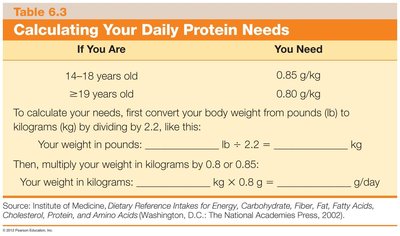
Protein needs vary based on age, health, activity level, and physiological state. The Dietary Reference Intake (DRI) recommends 0.8 g/kg of body weight for adults, with higher needs for athletes and growing individuals.
Acceptable Macronutrient Distribution Range (AMDR): 10–35% of total calories from protein.
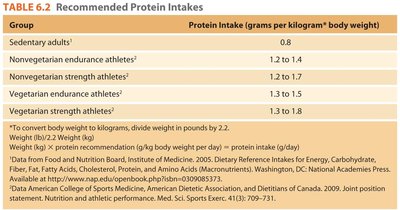
Athletes may require 1.2–1.7 g/kg/day.
Group | Protein Intake (g/kg body weight) |
|---|---|
Sedentary adults | 0.8 |
Nonvegetarian endurance athletes | 1.2–1.4 |
Nonvegetarian strength athletes | 1.2–1.7 |
Vegetarian endurance athletes | 1.3–1.5 |
Vegetarian strength athletes | 1.3–1.8 |
Protein Content in Foods
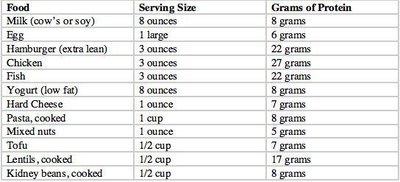
Different foods provide varying amounts of protein. Animal sources generally offer complete proteins, while plant sources may require combination for completeness.
Food | Serving Size | Grams of Protein |
|---|---|---|
Milk (cow's or soy) | 8 ounces | 8 |
Egg | 1 large | 6 |
Hamburger (extra lean) | 3 ounces | 22 |
Chicken | 3 ounces | 27 |
Fish | 3 ounces | 22 |
Yogurt (low fat) | 8 ounces | 8 |
Hard Cheese | 1 ounce | 7 |
Pasta, cooked | 1 cup | 5 |
Mixed nuts | 1 ounce | 5 |
Tofu | 1/2 cup | 7 |
Lentils, cooked | 1/2 cup | 17 |
Kidney beans, cooked | 1/2 cup | 8 |
Nitrogen Balance
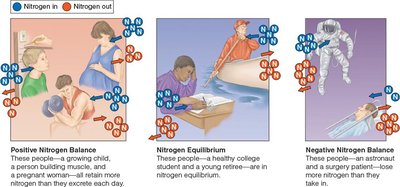
Nitrogen balance reflects the relationship between nitrogen intake and excretion, indicating protein status in the body.
Positive nitrogen balance: Intake exceeds excretion (growth, pregnancy).
Negative nitrogen balance: Excretion exceeds intake (illness, injury).
Equilibrium: Intake equals excretion (healthy adults).
Protein Quality and Complementation
High-Quality vs. Low-Quality Proteins
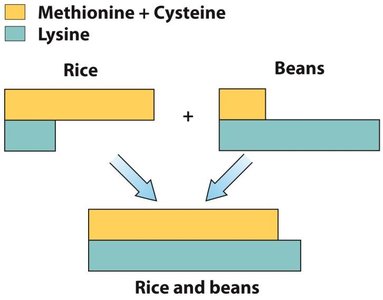
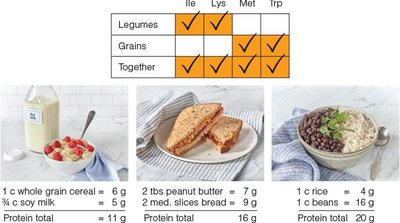
Protein quality is determined by the presence of all essential amino acids and digestibility. Animal proteins are generally high-quality, while most plant proteins are incomplete and require complementation.
Complete proteins: Contain all essential amino acids (animal, soy, quinoa).
Incomplete proteins: Lacking one or more essential amino acids (most plant sources).
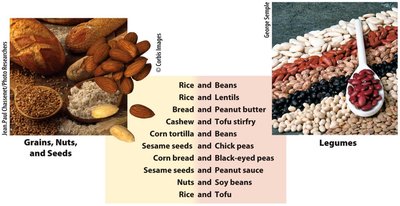
Complementary proteins: Combining plant foods to provide all essential amino acids.
Examples of Complementary Proteins
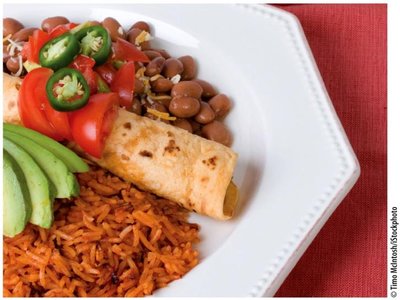
Rice and beans
Lentils and rice
Chickpeas and rice
Hummus and bread
Bread and peanut butter
Health Effects of Protein Deficiency and Excess
Protein-Energy Malnutrition (PEM)
PEM is characterized by loss of muscle and fat mass and increased susceptibility to infection due to insufficient protein and energy intake.
Kwashiorkor: Pure protein deficiency (edema, muscle loss, skin changes).
Marasmus: Overall energy deficiency (starvation, loss of fat stores).
Marasmic Kwashiorkor: Combination of both conditions.
Protein Excess
Excessive protein intake can lead to health issues such as heart disease, kidney disease, and potential bone loss. High-protein diets may increase urea production, requiring increased water intake to prevent dehydration.
Plant-Based, Vegetarian, and Meat-Based Diets
Types of Diets
Plant-based diets: Emphasize vegetables, grains, legumes, fruits, and nuts; may include limited animal products.
Vegetarian diets: Lacto-ovo, lacto, ovo, vegan, flexitarian, fruitarian.
Meat-based diets: Include animal products as primary protein sources.
Benefits and Risks of Vegetarian Diets
Benefits: Lower body weight, reduced risk of chronic diseases, higher intake of fiber, vitamins, minerals, antioxidants.
Risks: Protein, vitamin B12, calcium, iron, and zinc deficiencies if not properly planned.
Meeting Dietary Needs with Vegan Diets
Vegan diets require careful planning to ensure adequate intake of essential nutrients, especially protein, vitamin B12, calcium, iron, and zinc.
Positive Health Aspects of Plant-Based Diets
Defense against obesity, heart disease, high blood pressure, cancer, cataracts, diabetes, diverticular disease, gallstones, osteoporosis.
Summary
This guide covers the nature and function of proteins and amino acids, their digestion and absorption, roles in the body, daily requirements, health effects of deficiency and excess, protein quality, and dietary patterns. Understanding these concepts is essential for making informed nutrition choices and maintaining optimal health.
