A group is two or more people who interact regularly and share a sense of identity, often with shared experiences or interests.
How does a group differ from a category in sociology?
A category is a collection of individuals with similar characteristics or status but without necessary social ties, unlike a group which involves regular interaction and shared identity.
What is a crowd (or aggregate) in sociological terms?
A crowd is a collection of people in the same physical location without sustained interaction or shared identity.
Can a crowd ever become a group? If so, how?
Yes, a crowd can become a group if a significant shared experience creates a sense of unified identity among its members.
Who distinguished between primary and secondary groups in sociology?
Charles Horton Cooley distinguished between primary and secondary groups based on their level of intimacy.
What are primary groups and what purpose do they serve?
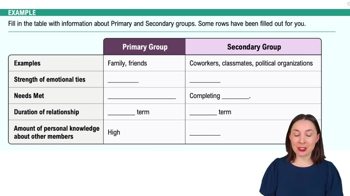
Primary groups are small, close-knit groups like family or friends that provide emotional and social support through strong personal bonds.
What characterizes secondary groups?
Secondary groups are larger, more impersonal groups such as coworkers or classmates, focused on tasks or goals with weaker emotional ties.
Can members of a secondary group become part of a primary group?
Yes, individuals from secondary groups can become part of your primary group over time as relationships deepen.
What is an in-group?
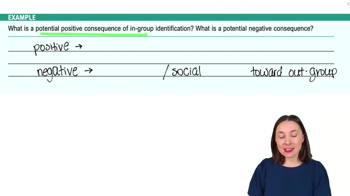
An in-group is any group that an individual identifies with, often leading to feelings of loyalty or favoritism.
What is an out-group?
An out-group is any group that an individual does not identify with, which can lead to feelings of competition or opposition.
What are some positive consequences of group identity?
Group identity can foster social belonging, trust, and support among members.
What are some negative consequences of strong in-group identification?
Negative consequences include stereotyping, social exclusion, hostility, or discrimination toward out-group members.
What is a reference group?
A reference group is a group that people compare themselves to, serving as a point of reference for norms, behaviors, and life achievements.
Can a group you do not belong to serve as a reference group?
Yes, people often use groups they do not belong to as reference groups, especially with the influence of social media and celebrities.
How do reference groups influence individual behavior?
Reference groups shape behaviors, norms, and expectations by providing standards for comparison, often influencing choices in dress, routines, and life goals.
 Back
Back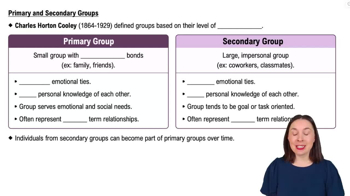
 01:56
01:56