 Back
BackOvercoming Exclusion: Aging, Disability, and LGBTQ Issues in Contemporary Society
Study Guide - Smart Notes
 Tailored notes based on your materials, expanded with key definitions, examples, and context.
Overcoming Exclusion
Introduction
This chapter explores how certain groups—older adults, people with disabilities, and members of the LGBTQ community—experience social exclusion and minority status in the United States. It examines the challenges these groups face, the forms of prejudice and discrimination directed toward them, and the advocacy efforts aimed at achieving greater equality.
Older Adults: A Social Minority
Who Are the Older Adults?
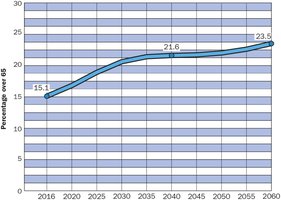
Older adults, typically defined as individuals over the age of 65, represent a growing segment of the U.S. population. This group is more likely to be composed of women, White Americans, and individuals living in certain states.
Population Trends: The proportion of older adults is increasing due to longer life expectancy and the aging of the Baby Boomer generation.
Demographic Characteristics: Women outnumber men in older age groups, and there are regional variations in the concentration of older adults.
Ageism
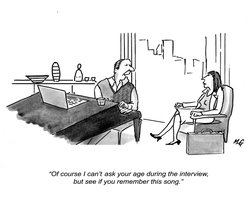
Ageism refers to prejudice and discrimination against older adults. It manifests in stereotypes, social exclusion, and unequal treatment in areas such as employment and healthcare.
Examples: Older adults may be overlooked for jobs or assumed to be less competent.
Consequences: Ageism can lead to social isolation, reduced opportunities, and negative health outcomes.
The Economic Picture
There is significant variation in wealth and poverty among older Americans. While many are financially secure, others—especially women heads of households and people of color—are more likely to experience poverty, often due to fixed incomes and rising healthcare costs.
Poverty Risks: Groups already disadvantaged earlier in life are more likely to be poor in old age.
Healthcare Costs: Medical expenses can erode savings and increase financial insecurity.
Advocacy Efforts by Older Adults
Organizations such as the American Association of Retired Persons (AARP) advocate for the rights and well-being of older adults. While many older Americans are better off today than in the past, a significant segment remains vulnerable to poverty and health challenges.
People with Disabilities: Moving On
Disability in Contemporary Society
A disability is a reduced ability to perform tasks typically expected at a given stage of life. Disabilities affect all segments of the population, but people of color are disproportionately affected and often have less access to assistance.
Marginalization: People with disabilities are often marginalized, but many have made significant contributions to society.
Employment: About two-thirds of working-age people with disabilities in the U.S. are unemployed.

Labeling People with Disabilities
Labeling theory suggests that society attaches a stigma to many forms of disability, leading to prejudicial treatment. Institutional discrimination occurs when societal structures—such as inaccessible buildings or transportation—limit opportunities for people with disabilities.
Stigma: Negative labels can result in exclusion and reduced self-esteem.
Barriers: Physical and social barriers hinder full participation in society.
Advocacy for Disability Rights
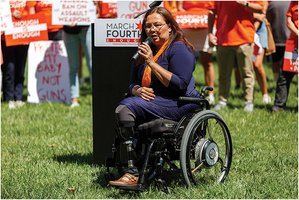
Organizations like the National Federation of the Blind and Disabled in Action work to advance the rights of people with disabilities. The Americans with Disabilities Act (ADA) is a landmark law prohibiting discrimination based on disability. Visitability refers to designing private homes to be accessible for visitors with disabilities.
The LGBTQ Community: Coming Out for Equality
Being Gay, Lesbian, Bisexual, or Transgender in the United States
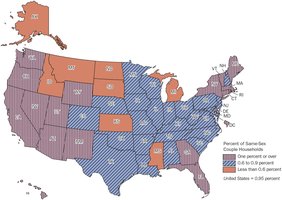
Members of the LGBTQ community continue to face significant stigma and discrimination. Estimates suggest that 4.5% of U.S. adults identify as LGBTQ, with over 11.3 million people aged 13 or older.
Data Challenges: Stigma makes it difficult to obtain accurate data on the LGBTQ population.
Prejudice and Discrimination
Homophobia—the fear of and prejudice against homosexuality—pervades many aspects of life, including family, religion, the workplace, policy, and media. LGBTQ individuals often face social and economic penalties for their identities.
Examples: Discrimination in employment, housing, and healthcare; exclusion from family and religious communities.
Advocacy for LGBTQ Rights
Key milestones in LGBTQ advocacy include the Stonewall Inn uprising (1969), the fight for military service rights, the legalization of same-sex marriage, and ongoing efforts to combat workplace discrimination and secure gender-affirming care.
Summary Table: Forms of Social Exclusion and Advocacy
Group | Form of Exclusion | Advocacy/Legal Protections |
|---|---|---|
Older Adults | Ageism, economic insecurity, healthcare barriers | AARP, Social Security, Medicare |
People with Disabilities | Stigma, institutional discrimination, unemployment | ADA, advocacy organizations |
LGBTQ Community | Homophobia, legal and social discrimination | Stonewall, marriage equality, anti-discrimination laws |
