 Back
BackStudy Guide: Verifying Trigonometric Identities
Study Guide - Smart Notes
 Tailored notes based on your materials, expanded with key definitions, examples, and context.
Chapter 5: Trigonometric Identities
Introduction to Trigonometric Identities
Trigonometric identities are equations involving trigonometric functions that are true for all values of the variable for which both sides are defined. Mastery of these identities is essential for simplifying expressions and solving trigonometric equations.
Strategies for Verifying Trigonometric Identities
General Strategies
Work with One Side: Start with the more complicated side and manipulate it to look like the simpler side.
Work with Both Sides: If both sides are equally complex, manipulate each side independently until they meet at a common expression.
Express in Terms of Sine and Cosine: Rewrite all trigonometric functions in terms of sine and cosine to simplify the process.
Use Fundamental Identities: Recall and apply basic identities such as reciprocal, quotient, and Pythagorean identities.
Factor and Simplify: Factor expressions and perform algebraic operations as needed.
Multiply by Conjugates: For expressions like 1 + sin x, multiply numerator and denominator by 1 – sin x to use the Pythagorean identity.
Important Cautions
Do Not Treat Identities as Equations: Avoid adding, subtracting, or multiplying both sides by the same term as you would in solving equations.
Work with Only One Side: This prevents the misuse of algebraic properties that are valid only for equations.
Fundamental Trigonometric Identities
Reciprocal Identities:
Quotient Identities:
Pythagorean Identities:
Hints for Verifying Identities
Recall equivalent forms of fundamental identities.
Rewrite complicated expressions to match the simpler side.
When faced with sums or differences, treat them as rational expressions and combine over a common denominator if necessary.
Keep your goal in mind: the side you are not changing is your target.
Examples of Verifying Identities
Example 1: Factoring and Simplifying
Given:

This can be factored as:
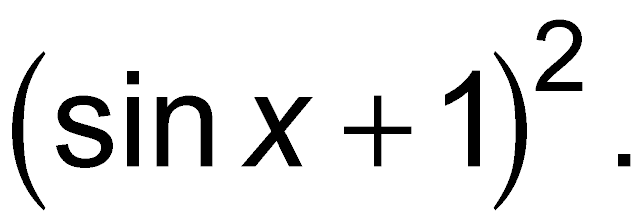
Key Point: Recognize perfect square trinomials in trigonometric expressions.
Example 2: Using Pythagorean and Reciprocal Identities
To verify , recall the Pythagorean identity:
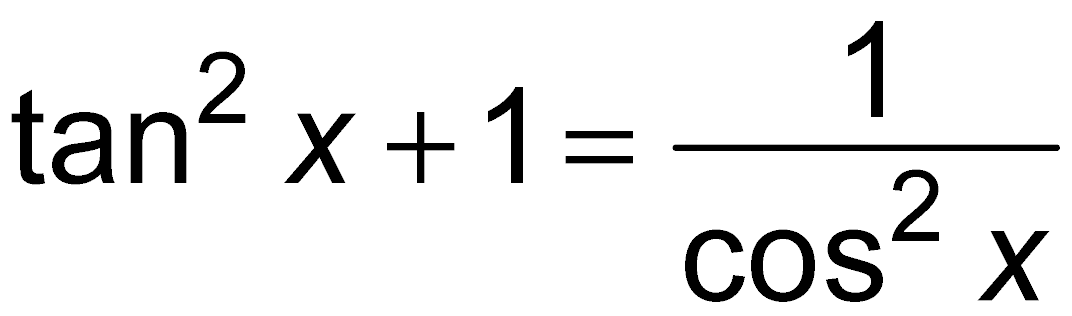
Since , we have .
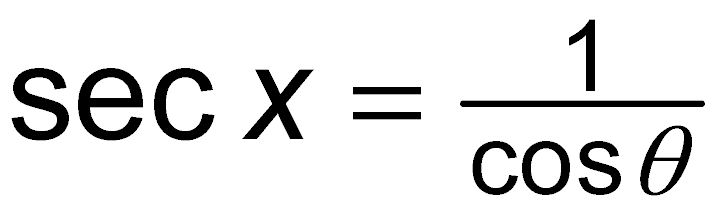

Example 3: Verifying by Working with One Side
Verify .

Express all terms in sine and cosine:

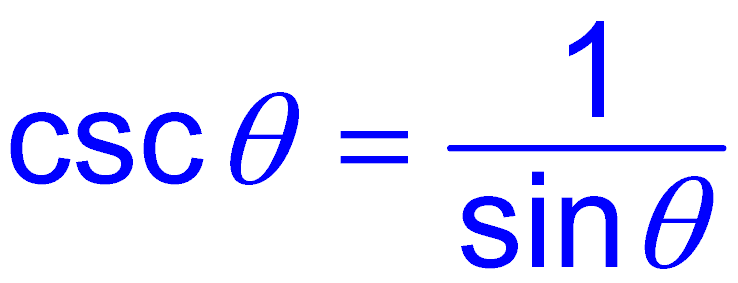
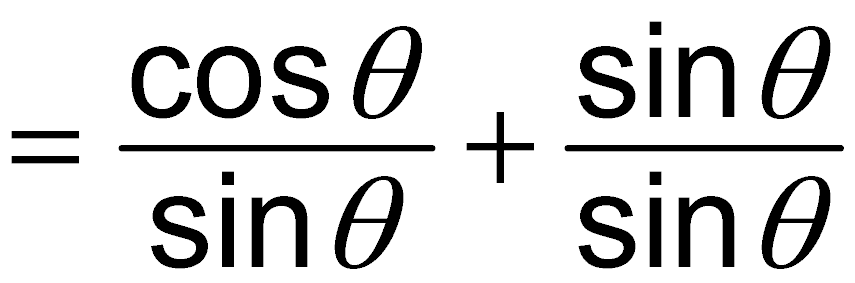
Thus, the identity is verified.
Example 4: Multiplying by a Conjugate
To simplify , multiply numerator and denominator by :
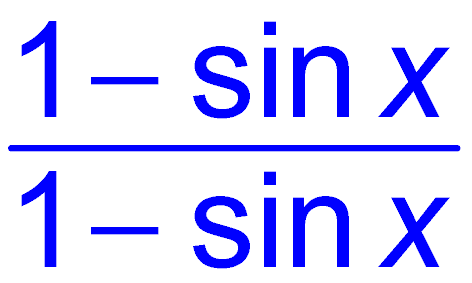
This leads to:
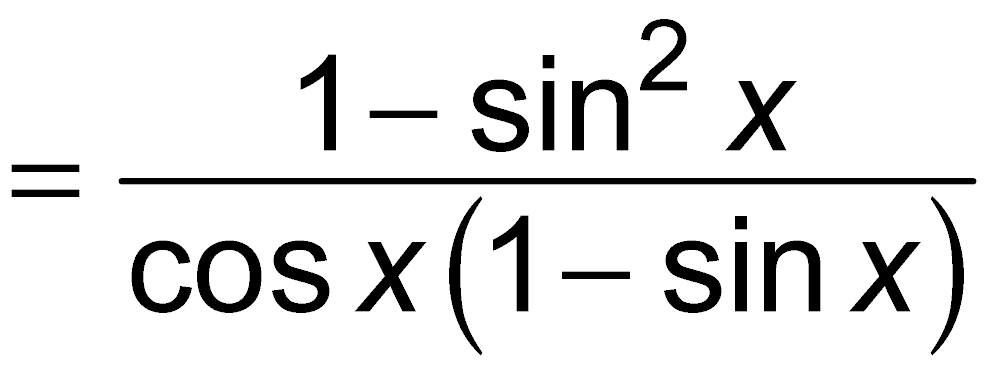
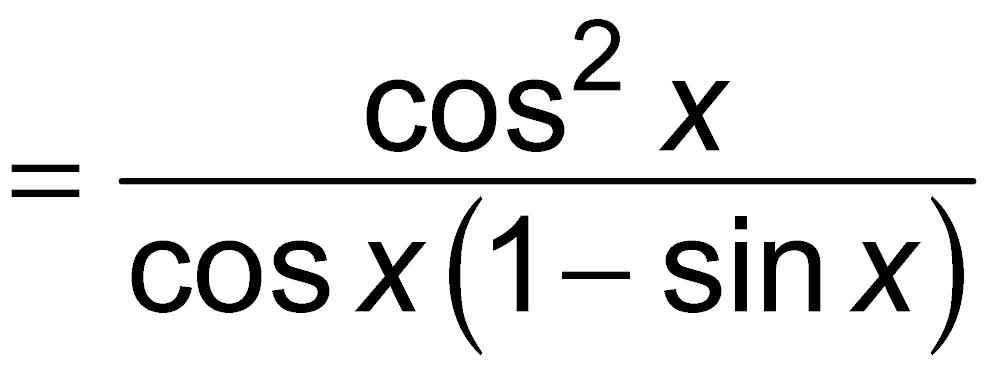
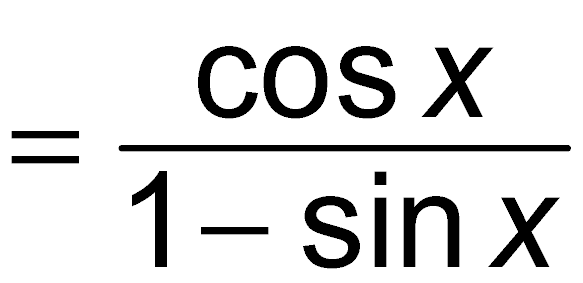
Using the identity .

Example 5: Verifying by Working with Both Sides
If both sides are equally complex, work each side independently to a common third expression.
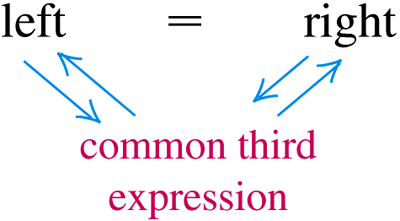
For example, to verify :

Work with the left side:


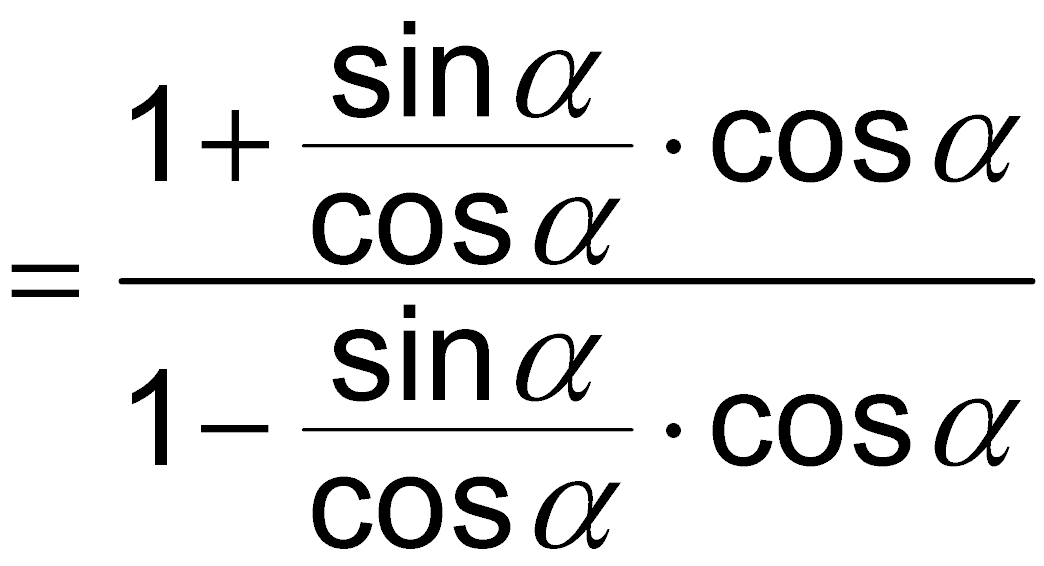
Which simplifies to:
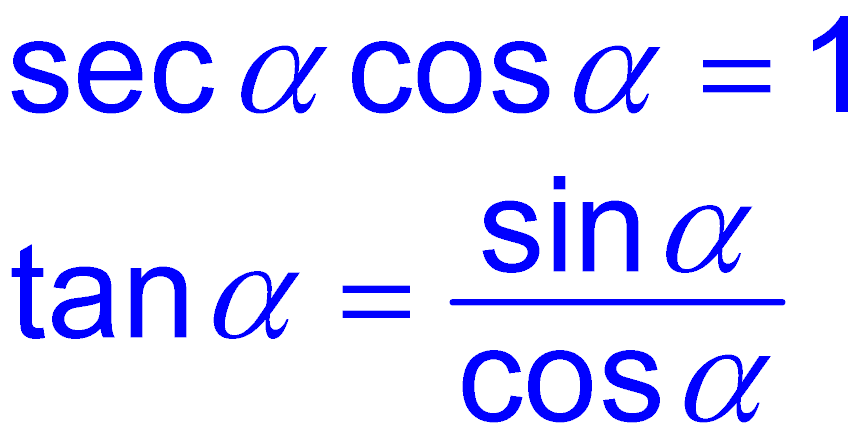
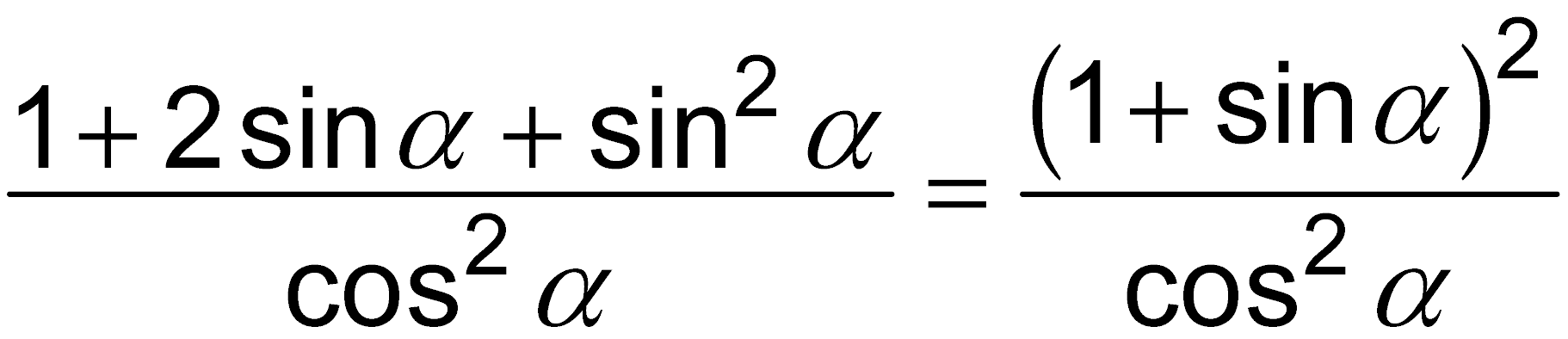
Thus, both sides are shown to be equal.
Application: Electronics and Pythagorean Identity
Energy in an LC Circuit
In electronics, the energy stored in an inductor and a capacitor in a radio tuner can be modeled using trigonometric identities. The total energy in the circuit is given by the sum of the energies in the inductor and capacitor, which can be shown to be constant using the Pythagorean identity.
Key Point: Trigonometric identities have practical applications in physics and engineering, such as analyzing oscillating circuits.
Summary Table: Fundamental Trigonometric Identities
Identity Type | Equation |
|---|---|
Reciprocal | , , |
Quotient | , |
Pythagorean | , , |
Conclusion
Verifying trigonometric identities is a foundational skill in trigonometry, requiring knowledge of fundamental identities, algebraic manipulation, and strategic problem-solving. These techniques are not only essential for mathematics but also for applications in science and engineering.
