Educator wrapped 2024: A year in review for educators

Charlotte Guest
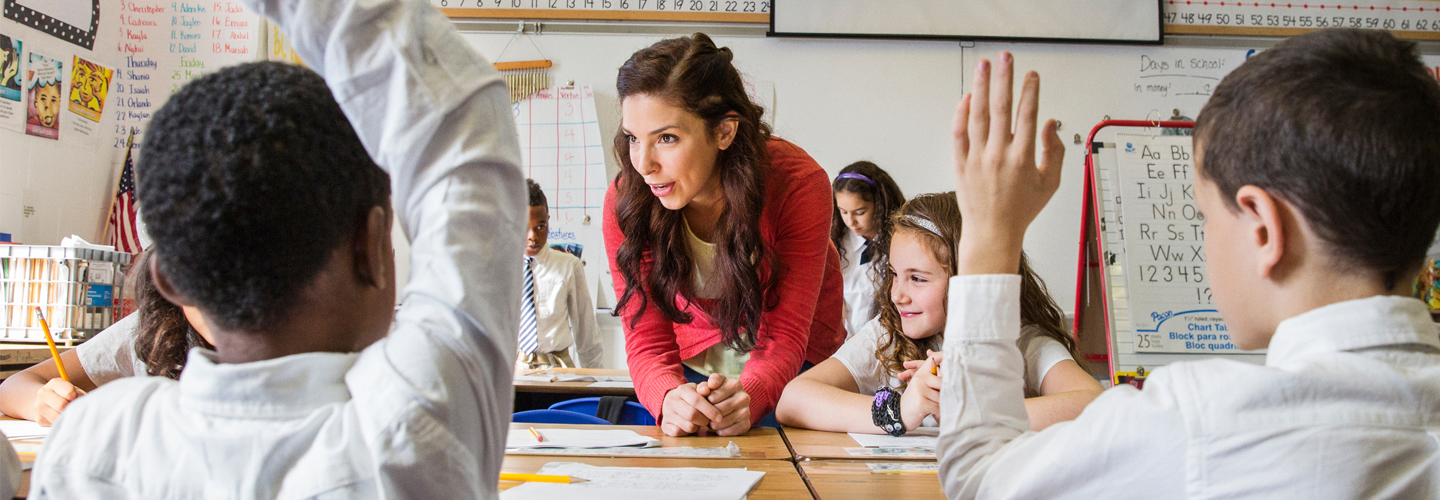
A teacher leaning over a desk in a classroom talking to her students, some who have their hands up in the air
Reading time: 3 minutes

As the year comes to a close, it’s time to reflect on the highlights, achievements and innovations that shaped education in 2024. For educators everywhere, this has been a year of growth, adaptation and pushing boundaries to empower both students and teachers. Whether you’ve been focused on refining your teaching practices or adopting new educational technologies, there’s plenty to celebrate and learn from this year.

Here’s a look back at some of the major Pearson Languages educator highlights in 2024.

Pearson Languages Educator Wrapped 2024
Play
Privacy and cookies

By watching, you agree Pearson can share your viewership data for marketing and analytics for one year, revocable by deleting your cookies.

1. Celebrating teaching excellence

This year brought much-deserved recognition to educators worldwide with initiatives like the Pearson English Language Teacher Awards 2024. Extraordinary educators who have redefined teaching and inspired countless learners were celebrated for their innovative approaches and dedication. These awards not only highlight individual contributions but also shine a spotlight on the evolving role of educators in a dynamic, culturally diverse learning environment.

2. Advancements in language learning

Language learning remained a pivotal part of global education this year. Pearson introduced exciting resources and programs aimed at improving English proficiency and teaching methodologies. The launch of the Impact of English report offered invaluable insights into English skill levels globally. These findings have already begun helping educators align their teaching strategies with real-world communication demands.

3. A focus on technology in education

2024 saw technology continuing to shape education, with AI making an undeniable impact inside classrooms. From automating administrative tasks to enhancing personalized learning plans for students, teachers increasingly leveraged ed-tech tools to create effective, engaging and efficient processes.

We took a proactive approach to address the growing importance of AI in education through a series of AI webinars. These webinars provided educators with valuable insights and practical guidance on incorporating AI tools into their teaching practices. By exploring topics such as AI-driven personalized learning, intelligent tutoring systems, and data analytics in education. Through these webinars, educators gained a deeper understanding of how AI can support adaptive learning, foster student engagement and enhance overall educational experiences.

4. Empowering educators with Teacher Training Academy

With global challenges that impact education, such as teacher shortages and new curriculum demands, 2024 also saw a strong movement toward empowering educators. Professional development programs gained momentum as more teachers sought ways to enhance their skills in areas like digital literacy, specialized instruction, and classroom management.

Through workshops, certifications and online resources, teachers gained the tools and confidence to excel in their roles. Resources like the Teacher Training Academy offered by Pearson continued to be instrumental in supporting educators on their personal and professional journeys.

5. Transition from PCELP to Pearson English Journey

We underwent a transition from the Pearson Connected English Learning Program (PCELP) to the innovative and comprehensive Pearson English Journey. This is the same excellent learning pathway but under a new and more slick name. Pearson English Journey continues to deliver personalized learning experiences that bridge language proficiency gaps.

6. Celebrating 10 years of the Global Scale of English (GSE)

2024 marked a significant milestone as we celebrated 10 years of the Global Scale of English (GSE). The GSE has revolutionized English language teaching and learning, providing educators with a powerful framework to measure and track learners' language proficiency accurately. Over the past decade, the GSE has been instrumental in promoting standardization, consistency, and progression in English language education, empowering teachers to tailor instruction to individual learners' needs.

7. Expanding the community

As part of our commitment to supporting educators globally, we have witnessed significant growth in our social media presence. Our dedicated YouTube channel, packed with insightful videos and tutorials, has garnered a substantial following of educators and language enthusiasts alike. Be sure to subscribe and stay updated with the latest trends, teaching strategies and valuable resources. Also, follow our Facebook to be part of this growing network of passionate educators and explore a wealth of knowledge and support.

Final thoughts

2024 was a year of challenges but also of incredible growth and collaboration for the education community. From advancements in technology to emphasis on inclusion and professional development, educators have continued their mission to shape the future.

At Pearson Languages, we’re proud to have been part of your teaching journey this year, offering tools and resources to make a difference in your classroom.

What’s next? If you’re looking to reflect and recharge over the break or plan ahead for 2025, we’re here to help. Explore our tools, take inspiration from the stories of the remarkable educators shaping the world.

Here’s to another impactful year in education. Together, we’ll strive to inspire and empower even more learners in 2025. 

More blogs from Pearson

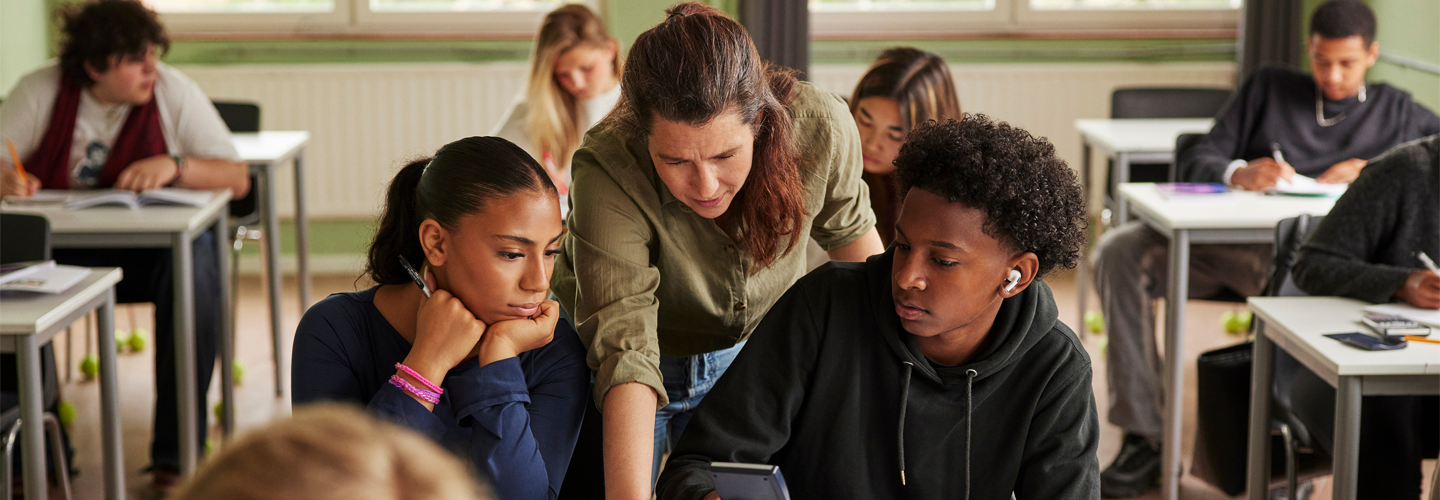
  • A teacher looking at a laptop with two female students
    Why learn and love grammar in the digital age?
    By Jennifer Recio Lebedev
    Reading time: 5 minutes

    Back in 2023, I gave my first piano recital. Despite having played since childhood, I had limited performance experience. A string of negative self-talk held me back in the past:

    •  I’m bad at performing.
    • I can’t play for other people.

    But then I did it. I sat down at the baby grand, alone on the stage with my teacher in the wings, watching. My performance was not perfect, but I got through it…and my music was met with applause and positive comments afterwards. I have continued to perform each year and although I still get nervous, I know I am improving. The difference is that I am talking and thinking differently about myself and my music. This allows me to perform better.

    Does this make you wonder how much more some English language students could achieve if they let go of their anxiety, dislike and other limiting beliefs about studying and using grammar?

  • A teachr pointing at a workbook on a table inbetween two students
    Common mistakes teachers make and how to avoid them
    By Charlotte Guest
    Reading time: 5 minutes

    Teaching is a profession built on reflection. Even the most experienced educators occasionally look back at a lesson and think, “I could have done that better.” The truth is that mistakes are not a sign of failure; they are a powerful source of professional growth.

    There are many common mistakes teachers make. When newer language teachers recognize them early on, it can prevent ineffective habits from becoming routine. Whereas when experienced educators revisit these common mistakes, it can reveal subtle patterns that affect student engagement and learning. See if you recognize any of these common mistakes – and then learn techniques and strategies to avoid them.

    Why recognizing teaching mistakes accelerates professional growth

    The best teachers treat mistakes as diagnostic tools. Instead of asking “Did this lesson work?” they ask more useful questions:

    • What evidence shows that students understood the concept?
    • Who participated and who stayed silent?
    • Which activities generated genuine communication?

    This reflective approach is the foundation of professional development for teachers. When teachers regularly evaluate their methods, they move from simply delivering lessons to practicing responsive teaching, adapting instruction based on student needs in real time.

    In other words, the goal isn’t perfection. It’s continuous improvement.

  • A woman sat at a table contemplating
    How can I learn to think in a new language?
    By Charlotte Guest
    Reading time: 4 minutes

    If you are learning a language, you may understand many words but still translate everything in your head. Thinking in a new language means you understand and form ideas directly in that language, without relying on your first language. Most learners move from “understanding nothing” to “understanding more than they speak”, then progressing to simple conversations, and finally thinking naturally in the language. This shift takes practice, but it is possible for every learner – especially if you follow these tips. 

    Build a strong base with core vocabulary and grammar

    When learning a language, you do not need thousands of words at the start. You need the right words.

    Focus on 300–500 high-frequency words – the most common words in a language – and basic grammar. These are words that appear in most daily conversations and texts, and learning them helps you speak and understand basic sentences quickly. With these core words, you can:

    • Talk about your daily life
    • Ask simple questions
    • Share opinions
    • Describe past and future plans

    Short daily lessons (even 15 minutes) are very effective. Combine vocabulary, grammar, listening and speaking in a clear order. A strong base makes it much easier to start thinking in the language.