
How to motivate and engage students with authentic video

Sue Kay
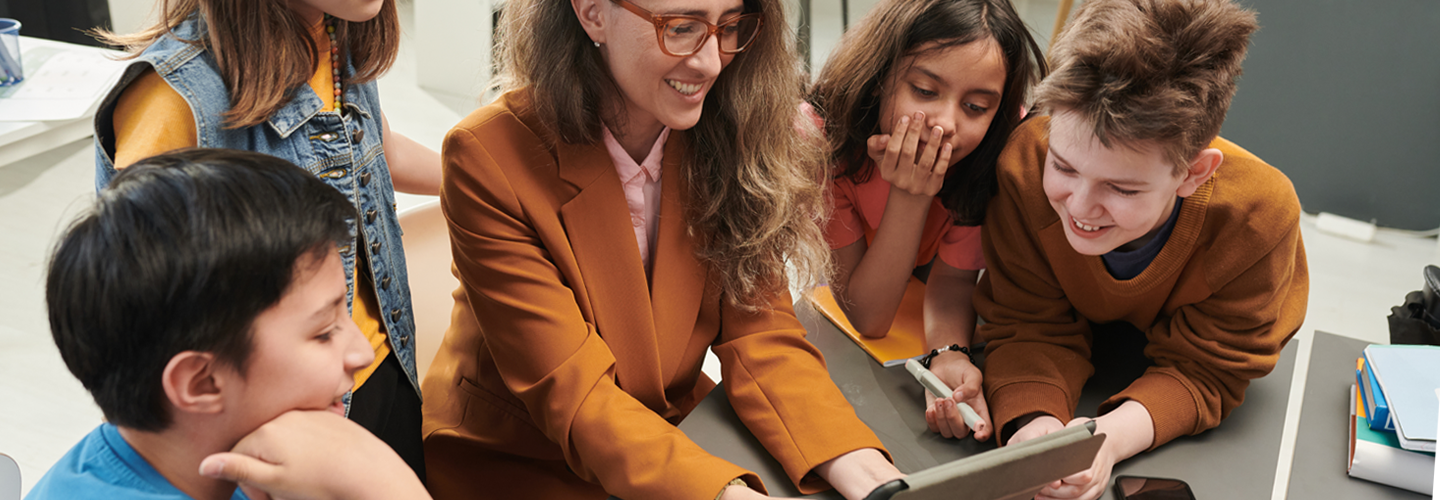
A teacher holding a tablet in a classroom with students around her also looking at the tablet smiling
Reading time: 4 minutes

Sue Kay has been an ELT materials writer for over 25 years. She is the co-author of Pearson's Focus Second Edition and is one of the co-founders of ELT Publishing Professionals. In this article, Sue takes us through her experience of using video in the classroom and shows us how to motivate and engage students with authentic video.

Videos are no longer a novelty

When I started teaching in the early 80s, video was a novelty in the classroom. We only had one video player for the whole school and had to book it a week in advance. There was very little published material available, but thanks to the rarity factor, the students lapped it up. 

There was no problem with getting them motivated, even if the lessons accompanying the videos were not particularly exciting and consisted mainly of comprehension questions. Lucky for me, our school had a very dynamic Director of Studies who gave great teacher training sessions and I was very taken with a presentation he did on active viewing tasks. 

I was, and still am, a big fan of the Communicative Approach and I embraced the more interactive video tasks enthusiastically: freeze frame and predict, watch with the sound down and guess what people are saying, listen with the screen hidden to guess the action, etc. 

When I’m preparing a video lesson, I still try to include at least one of these activities because the information gap provides an ideal motivation for students to watch the video and check their ideas. 

Motivating students with video
Play
隱私和Cookies

觀看此視頻表示你同意培生可於一年內使用你觀看的數據以作分析及營銷之用。你可以通過清除cookies撤銷設定。

Is video a good motivational tool to use in the classroom today?

In the old days, video could motivate and engage a class because it was something relatively new, but what about nowadays when video has gradually moved from a ‘nice-to-have’ element of new courses to a ‘must-have’? 

We teachers have unlimited access to videos, either those that accompany our course or on the internet. But has this affected motivation? Has video also become harder to use as a motivating factor in the classroom?

Yes and no. 

Teenagers have grown up with a smartphone in their hand. They live their lives through video - filming themselves or one another, uploading and sharing video content on TikTok or other similar platforms, accessing YouTube on a variety of devices, and even aspiring to be like the YouTubers they spend hours and hours watching. 

The importance of this to the way we teach is summed up by this quote from The Age of the Image, “We can’t learn or teach what we can’t communicate – and increasingly that communication is being done through visual media.” 

Video is the ideal medium for teaching 21st-century skills and visual literacy. None of my students bat an eyelid when I ask them to make a video for homework, film themselves telling an anecdote, watch a grammar explanation online, or do some online research.

But in terms of what we watch in class, our videos need to work harder than before. In my experience, students won’t tolerate boring or unnatural videos, just because they’re in English. Because they watch so many online films, documentaries and series, students are used to high production values, strong narratives and authentic material. 

What makes a motivating and engaging video?

When we were writing the second edition of Focus, we were lucky enough to have access to the BBC archives. However, just because something has appeared on the BBC it doesn’t mean it is suitable for our students. In my experience, there are certain criteria that needs to be fulfilled in order to motivate and engage students with video. 

The wow factor

First of all, it helps if a video has a visual wow factor. This may be an unusual setting or a location with breathtaking scenery. If there’s no visual interest, you may as well do an audio lesson. However, stunning places and incredible landscapes won’t hold the students’ interest for very long.

Relatability

There also has to be something in the video that the student can relate to their own lives. For instance, one of the clips we chose for Focus Second Edition is set in an amazing place in Turkey, popular with tourists who visit in hot air balloons. The students are unlikely to have visited this place, but to make it relatable and interesting for students, we chose an extract that focuses on the caves that older generations still inhabit, while the younger generation have moved to the nearby cities. The topic of young people leaving the countryside for the big city is a topic that will be familiar anywhere in the world. 

An inspiring story

A generation that have access to endless TV series and films on demand expect a good story. While this can be an episode from a drama - it doesn’t have to be fiction. It can be an inspiring story of human achievement or any kind of human-interest story that follows a journey and has a story arc.

Social relevance

Generation Z and Alpha tend to be very socially engaged and open-minded; they want to change the world. So videos that air social issues are ideal as stimulus for discussion. For example, in Focus Second Edition we’ve included a video clip about a project that’s underway in Holland, where students can have low-priced accommodation in a Care Home in return for some help with the elderly residents. In class, we’ve used this video clip as a springboard for discussing relationships across generations. 

Why are these types of video more motivating?

Videos that fulfil these criteria raise motivation in class because they facilitate more interesting lessons. If the video is visually engaging, it’s easier to write the active viewing tasks I mentioned earlier. If the topic is relatable on some level, the lesson can include personalization and discussion, which wouldn’t work if the content was so far removed from the students’ reality that they have nothing to say about it. 

I’m particularly keen on videos that are engaging enough to facilitate follow-up tasks that might spark the students’ imagination and help to put them in other people’s shoes. For example, in Focus Second Edition, we’ve included a video about window cleaners on the Burj Khalifa in Dubai, the tallest building in the world. 

As you can imagine, the film shots are breathtaking and have not only the wow factor but the ‘agh factor’ too for people who are afraid of heights. The presenter, Dallas, joins the experienced window cleaners, and you can’t help but hold your breath as he climbs out onto the side of the building, which is a sheer drop of 800 meters below him. No wonder he has a dry mouth.

The short clip is so engaging that the lesson practically writes itself. Here are a couple of examples of follow-up tasks that are only possible because the video holds the students’ attention and ignites their imagination:

After you watch

  • You are Dallas and you want to learn more about the daily routine of the window cleaners at the Burj Khalifa. In pairs, decide on a list of five questions you want to ask the window cleaners about their job. 
  • Imagine that you are Dallas and write an article about your work experience on the tallest building in the world. 

All this increased volume and choice of video is great, and video certainly still has the power to motivate our students, but I believe we teachers and materials providers need to focus more on the quality of the videos we use in class than the quantity. 

Find out more about Focus

motivate with video Focus Second Edition

In Focus you can motivate and engage students with authentic video content from the BBC. Throughout the course learners will not only practice and improve their language skills, but also develop important life skills that will prepare them for the future.

Bibliography 

  • Apkon, S. (2013) The Age of the Image. Farrar, Straus and Giroux
  • DLA. Digitallearningassociates.com
  • Donaghy, Kieran (2015) Film in Action. Delta Publishing
  • Goldstein, Ben. & Driver, Paul. (2015) Language Learning with Digital Video. Cambridge University Press
  • Keddie, Jamie. Videotelling and Lessonstream
  • Donaghy, K & Whitcher A., How To Write Film and Video Activities, ELT Teacher 2 Writer 

More blogs from Pearson

  • A teacher stood in front of a whiteboard teaching a class
    Lesson tips for Special Educational Needs
    By Richard Cleeve
    Reading time: 5 minutes

    Creating an inclusive classroom is essential for helping every student reach their full potential. Students with Special Educational Needs (SEN) and neurodiverse learners bring unique strengths, perspectives and ways of thinking to the classroom. However, many teachers feel unsure about how to adapt lesson plans to effectively meet diverse learning needs.

    By implementing inclusive teaching strategies, educators can create engaging learning environments that support students with ADHD, dyslexia, autism spectrum disorder (ASD), anxiety disorders and other learning differences. These approaches not only benefit neurodiverse learners but often improve engagement and outcomes for the entire class.

    Drawing on insights from experienced SEN Coordinator James Laidler, this post explores practical lesson planning strategies that can help teachers create more accessible, supportive and effective learning experiences. Many of these tips are also great for keeping all students engaged, SEN or otherwise.

    Defining Special Educational Needs

    A child has Special Educational Needs (SEN) if they have a learning difficulty or disability that calls for special educational provision. Learners with conditions such as autistic spectrum disorder (ASD), attention deficit hyperactivity disorder (ADHD), dyslexia, dyspraxia or anxiety disorders come under this framework.

    Inclusive lesson tips for neurodiverse students

    Although teachers want to create inclusive lessons, many feel ill-equipped to support neurodiverse students. To help, James offers some tips for lesson planning that aim to turn learning diversities into strengths.

    Attention Deficit Hyperactivity Disorder (ADHD)

    ADHD is a condition that can include symptoms such as inattentiveness, hyperactivity and impulsiveness. Students with this disorder may have a short attention span, constantly fidget or act without thinking.

    Lesson tips for ADHD students:

    Movement breaks – Students with ADHD may struggle to sit still for extended periods of time. Include short breaks in your lessons that offer them the opportunity to get up and move around at regular intervals.

    Group work – To keep learners active and engaged, include group work in class. This means they don’t have to focus on the board for too long.

    Dramatize lessons – A really effective activity is to bring drama into the classroom. For example, students can act out role plays or other fun drama-based activities. It keeps them motivated, holds their attention and can be fun for all of the class.

    Dyslexia

    Dyslexia primarily affects the skills involved in accurate and fluent reading and spelling. It may affect a person’s phonological awareness, verbal memory and verbal processing speed.

    Lesson tips for dyslexic students:

    Visual aids – Learners with dyslexia tend to have excellent visual memories. Try bringing in pictures to illustrate ideas or add them to lengthy texts to help students when doing reading comprehension exercises.

    Font and spacing – When setting reading tasks, simply changing the font, enlarging the font size and double-spacing are hugely beneficial to dyslexic students. Simply adapting the text can make their learning experience much easier.

    Text-to-speech software – Using specialized text-to-speech software often provides significant support to those who struggle with reading or digesting text on computer screens. Tools such as ClaroRead or Kurzweil 3000 can help improve accessibility.

    Autism Spectrum Disorder (ASD)

    ASD is a developmental condition that involves challenges in social interaction, speech and nonverbal communication, as well as restricted or repetitive behaviors. The severity of symptoms is different in each person.

    Lesson tips for ASD students:

    Encourage systematic skills – Often students with ASD may be more systematic than other students. This means they favor routines, regular processes and predictable activities. Try bringing out these skills by asking students to spot patterns, analyze numbers or evaluate data.

    Talk about interests – Autistic students may have specific interests they love to research. Engage them by getting them to talk about their hobbies or ask students to create projects on a topic they choose that they can present to the class.

    Teaching online or blended learning – If you have a learner who is struggling socially at school, it may be an option to include hybrid or blended learning. This takes away some of the social and emotional challenges of school and people interaction, which can benefit ASD students.

    Anxiety Disorders

    Anxiety disorders differ from normal feelings of nervousness or anxiousness. They involve intense fear or anxiety that can significantly affect a student’s ability to learn. This condition has become increasingly common in young people and can impact concentration, participation and confidence in the classroom.

    Lesson tips for students with anxiety disorders:

    Changing language and terminology – Our education system is often highly exam-driven, which can create stress for students. By offering reassurance, guidance and motivation, teachers can help reduce feelings of anxiety.

    Talk openly – Encourage learners to discuss their feelings if they are struggling. They can do this with you, a classmate or a support worker at the school. If they open up to you, focus on strategies to combat negative feelings and emotions.

    Mindfulness techniques – Try adding five minutes at the start of the day for guided meditation or breathing exercises. This can help students begin the day in a calm and relaxed manner.

  • Teenage students looking at a phone together outside
    Six easy ways to learn English
    By Steffanie Zazulak
    Reading time: 3 minutes

    Learning English can open doors to better career opportunities, travel experiences and global communication. However, staying motivated while learning a new language can sometimes be challenging. The good news is that there are many easy ways to learn English that fit into your daily routine.

    Whether you're a beginner or looking to improve your fluency, these practical English learning tips will help you build confidence and develop your speaking, listening, reading and vocabulary skills faster.

    1. Play word games to build your English vocabulary

    One of the most enjoyable ways to learn English is through word games. Games like Scrabble, Words With Friends, crossword puzzles and word search apps can help you expand your English vocabulary while having fun.

    Word games encourage you to think in English, recognize spelling patterns and learn new words naturally. If you're studying with friends or classmates, make it a regular activity to practice together and challenge each other's vocabulary skills.

    Benefits:

    • Improves vocabulary retention
    • Enhances spelling skills
    • Makes learning English enjoyable
  • A teacher working on a interactive whiteboard and students raising their hands
    Universal Design for Learning (UDL) in language education
    By Charlotte Guest
    Reading time: 5 minutes

    Language classrooms are naturally diverse. Some students are confident speakers but struggle with writing. Others may be multilingual learners, students with learning differences or learners who simply need more time and support. Universal Design for Learning (UDL) offers a practical framework for meeting these varied needs without creating separate lessons for every student.

    UDL was developed by CAST, a nonprofit organization focused on education research and development, and is based on the idea that barriers to learning often exist in the design of instruction rather than in the learners themselves. Instead of expecting all students to learn in the same way, UDL encourages teachers to provide flexible pathways that help everyone access and engage with learning. According to CAST's overview of UDL , UDL aims to improve learning for all students through flexible goals, methods, materials and assessments.

    The three core principles of UDL

    At the heart of UDL are three principles that help teachers design more inclusive learning experiences.

    1. Multiple means of engagement

    This principle focuses on motivation and participation. Students are more likely to learn when they see value in what they are doing and have some choice in how they learn.

    In a language classroom, this might include:

    • Allowing students to choose discussion topics related to their interests
    • Using authentic materials such as podcasts, songs, news articles or social media posts
    • Offering different levels of challenge within the same activity

    When students feel connected to the content, they are more willing to take risks and use the target language. The CAST UDL Guidelines provide detailed recommendations for increasing learner engagement and motivation.

    2. Multiple means of representation

    Students do not all process information in the same way. UDL encourages teachers to present information through different formats so that learners have several ways to understand new content.

    For language teachers, this could mean:

    • Combining written text with audio recordings
    • Using images, diagrams, gestures and videos to support comprehension
    • Pre-teaching key vocabulary before introducing a complex reading task
    • Providing transcripts for listening activities

    These supports are not only beneficial for students with identified learning needs; they often improve comprehension for the entire class. CAST's guidance on representation highlights how varied formats can support learner understanding.

    3. Multiple means of action and expression

    Students should have different opportunities to demonstrate what they know. Traditional language assessments often favor a narrow set of skills, but learners may show understanding in many ways.

    Examples include:

    • Recording an oral presentation instead of delivering it live.
    • Creating a video, podcast or digital story.
    • Participating in an interview or conversation.
    • Producing written work using supportive technologies.

    The learning objective remains the same, but students have more than one way to demonstrate achievement. The educational resource Understood.org explains this principle in its guide to UDL.

    Why UDL matters in language education

    Language learning involves reading, writing, listening, speaking, vocabulary development and cultural understanding. Because so many skills are involved, barriers can emerge in different places for different learners. UDL helps teachers anticipate these differences and design lessons that provide access from the start rather than adding accommodations later.

    Research from CAST suggests that designing for learner variability benefits all students, not just those with identified educational needs. This is particularly relevant in language classrooms, where students often have diverse linguistic backgrounds, proficiency levels and learning preferences.

    Importantly, UDL is not about creating separate lessons for every learner. Instead, it is about building flexibility into lesson design so that a wider range of students can participate successfully.

    UDL strategies for language teachers

    If you are new to UDL, start small. Consider adding one or two flexible options to your existing lessons.

    Here are a few simple ideas:

    • Provide both written and spoken instructions.
    • Use captions on videos whenever possible.
    • Offer vocabulary lists with visuals and examples.
    • Allow students to choose between speaking or writing for some tasks.
    • Include collaborative and independent learning opportunities.
    • Use digital tools that support translation, text-to-speech or speech-to-text functions.
    • Clearly communicate learning goals before each lesson.

    For additional classroom examples, CAST's UDL Guidelines website contains guidance that teachers can adapt across different age groups and language-learning contexts.