Improving employee engagement: The crucial role of language learning in business

Samantha Ball
A business woman and man sat at a long table discussing with eachother
Reading time: 8 minutes

The ways we approach employee engagement are rapidly evolving and changing. For HR professionals and global business leaders, understanding these trends is essential to encourage a motivated, productive, and loyal workforce. A key yet often overlooked aspect of this engagement is the role of language learning and cultural understanding. Failure to adapt to the international market doesn’t just hinder growth—it can lead to significant financial losses.

This blog post will delve into current employee engagement trends, provide suggestions for improvement, and talk about the importance of language learning and company culture in fostering a thriving global workforce through an effective employee engagement strategy.

How can language learning help employee engagement?
Play
隱私和Cookies

觀看此視頻表示你同意培生可於一年內使用你觀看的數據以作分析及營銷之用。你可以通過清除cookies撤銷設定。

Employee engagement trends: A snapshot

Declining engagement levels

Recent research reveals that only 33% of employees in the US are actively engaged at work, while in 2023, 50% of employees were not engaged (quiet quitting). “Quietly quitting”—a term used to describe psychological disengagement from work. This issue is costly, with Gallup estimating an annual global economic impact of around $8.8 trillion.

The rise of learning and development (L&D)

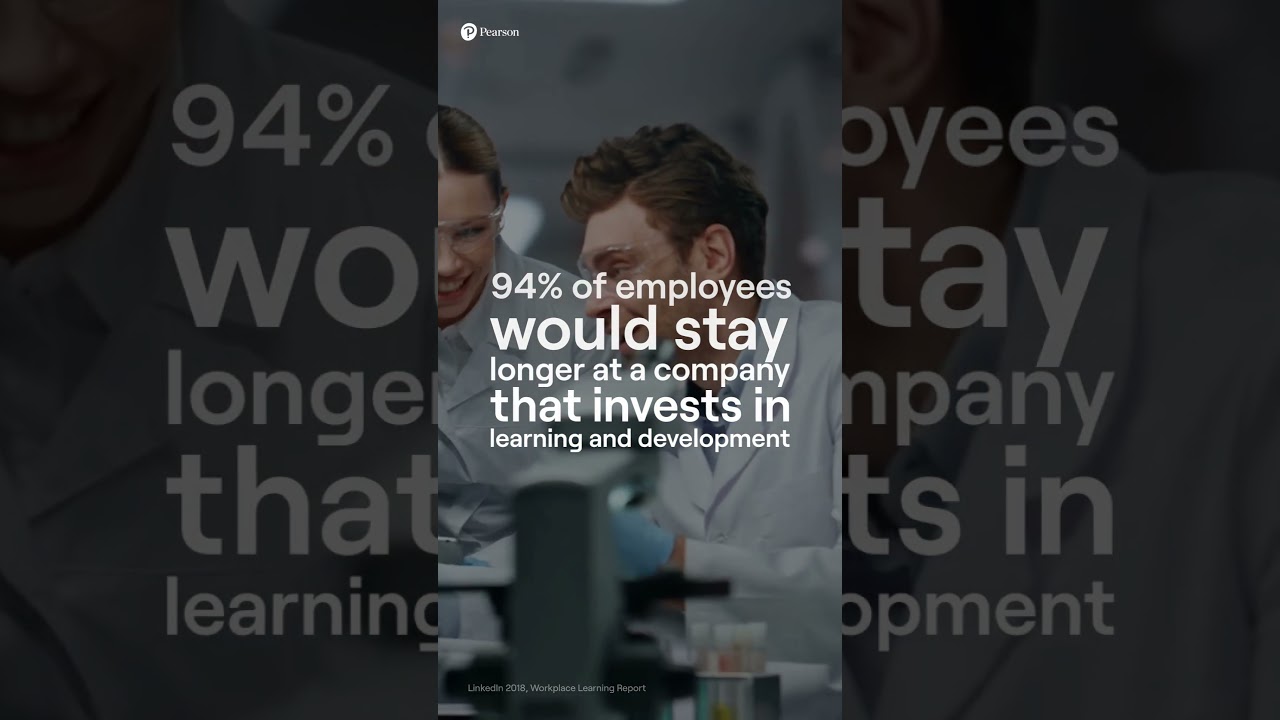
Despite these alarming engagement statistics, there is a silver lining: 94% of employees state they would stay longer at a company that invests in their learning and development (L&D). This indicates a pivotal opportunity for businesses to enhance engagement through targeted L&D initiatives, which can help cultivate an engaged employee.

These initiatives can include comprehensive training and development programs, language training, professional development opportunities, and continuous learning opportunities.

The impact of language barriers

Language barriers are a significant impediment to effective communication in the workplace. Miscommunication costs businesses an average of $62.4 million annually, illustrating the critical need for robust language training programs. According to our research, only one in three companies currently provides language upskilling, despite 88% of employees acknowledging its importance.

What are some employee engagement strategies used to motivate employees?

Foster a culture of recognition 

Recognizing and rewarding employees for their contributions can significantly boost morale and employee motivation too. Implementing a robust employee recognition program that includes both formal awards and informal acknowledgments can help employees feel valued and appreciated.

Enhance internal communication 

Effective communication is a cornerstone of any employee engagement program. Regular updates from leadership, open forums for feedback, and transparent communication channels can foster a sense of inclusion and trust within the organization.

Develop clear career pathways 

Employees are more likely to stay engaged when they see a clear pathway to career advancement. Regular performance reviews, employee feedback, setting achievable goals, and providing opportunities for promotion can help keep employees motivated and focused on their long-term career aspirations.

Invest in comprehensive L&D programs

Given the strong correlation between L&D and employee retention, companies should prioritize comprehensive training programs that include effective employee engagement strategies addressing both technical skills and soft skills. Incorporating language learning into these programs can significantly enhance employee satisfaction and improve engagement, as shown by our Pearson success stories.

Implement flexible learning solutions to encourage employees

With busy workloads, employees often struggle to find time for learning. Mondly by Pearson offers flexible online language learning solutions that allow employees to study at their own pace, fitting lessons around their schedules. Employers can track progress via a central dashboard, ensuring that learning objectives are met without disrupting daily operations. Flexible learning solutions like these can also boost engagement by allowing employees to learn at their own pace and on their own schedule.

Use technology for enhanced engagement

Incorporating technology like VR, AR and AI can enhance employee engagement through immersive training experiences, personalized learning, and real-time feedback.

Measure and analyze engagement metrics

To enhance your employee engagement programs effectively, it is crucial to regularly measure and analyze engagement metrics. Utilizing advanced employee engagement software can provide valuable insights into areas such as employee satisfaction, communication efficacy, and training program effectiveness. By continuously monitoring these metrics, businesses can identify trends, detect issues early, and adjust employee development strategies accordingly, ensuring that employee engagement initiatives are always aligned with the evolving needs of the workforce.

Prioritise employee wellbeing

Employee well-being should be at the heart of engagement strategies. Promoting a healthy work-life balance, providing mental health support, and creating a supportive work environment are essential components.

Companies that prioritize wellbeing are likely to see higher engagement levels, as employees feel valued and cared for. Initiatives such as wellness programs, flexible working hours, and access to mental health resources and counseling services can significantly contribute to a more engaged and productive workforce.

Comprehensive wellness programs that address physical, mental, and emotional health can significantly impact employee engagement. This can include fitness challenges, counseling services, and wellness workshops.

A multi-faceted approach for engaged employees

Employee engagement is multifaceted and requires a strategic approach that encompasses learning and development, cultural understanding, language training, and leveraging technology. By investing in these areas, businesses can cultivate a motivated, skilled, and loyal workforce positioned to thrive in a globalized economy.

Emphasizing inclusivity, flexibility, technological integration, and wellbeing can drive meaningful employee engagement efforts and ultimately lead to sustained business success.

The impact of ignoring employee engagement on the international stage

Ignoring the international market and failing to address language barriers can have dire financial consequences. According to SHRM, poor communication can cause an average loss per company of $62.4 million.

Moreover, recruiting staff with formal English qualifications only to discover they cannot effectively communicate in English once hired leads to frustration and inefficiencies. Addressing language barriers can help engage employees by improving communication and collaboration across the entire organization too.

Addressing language learning in a globalized workplace

Effective communication between teams spread across different countries and cultures is crucial to business success. When employees possess strong language skills, they’re better equipped to navigate complex, multilingual environments, leading to improved collaboration and productivity. Consequently, investing in language training programs is not just a strategic move to enhance an individual employee's skill sets but an essential step toward fostering a cohesive, well-integrated and engaged workforce.

Language learning: Boosting engagement and productivity

The benefits of language learning extend beyond mere communication. Employees who receive language training report higher levels of engagement and job satisfaction. Language learning can lead to motivated employees who are more engaged and productive in their roles. Mondly by Pearson’s flexible language learning solutions are designed to meet the specific needs of businesses, providing enhanced business-centric content to improve workplace skills and confidence.

Building soft skills

Soft skills are becoming increasingly important for employees. With AI being used more in the workplace, soft skills that AI can’t replace are being sought after more. Soft skills such as critical thinking, collaboration, and emotional intelligence are all key to building an engaged team.

Language learning can help develop these soft skills by providing opportunities for employees to work together on language exercises, practice speaking and listening, and collaborate in a new language. This not only improves their language proficiency but also boosts their soft skills, making them more valuable assets to the company.

The strategic advantage of language learning

We’ve discussed the advantages of learning a new language for your business before but to reiterate, investing in language learning is a strategic enabler for international business. It allows companies to:

  • Increase employee engagement: Providing language learning opportunities can improve employee engagement by equipping employees with the skills they need to succeed in a global market.
  • Recruit top talent: Language training broadens the talent pool, allowing businesses to attract and retain employees who might otherwise be overlooked due to language barriers.
  • Engage in the global economy: Proficiency in multiple languages enables businesses to engage more effectively with global markets, enhancing competitiveness.
  • Enhance customer service: Prioritizing language learning can significantly improve customer service and overall operational efficiency.

The path forward for employee engagement initiatives

Understanding and adapting to employee engagement trends is essential for HR professionals and global business leaders. Investing in language learning and cultural understanding not only mitigates the cost of miscommunication but also the workplace culture that drives employee engagement, satisfaction, and productivity. Engaged employees are more satisfied, productive, and motivated, contributing significantly to overall organizational success.

Elevate your workplace with Pearson

Take the first step towards a more engaged, skilled, and motivated workforce. Explore Mondly by Pearson for your workforce to help them develop their language skills further. 

Contact us today to learn how Versant by Pearson and our workplace solutions can help your organization achieve its goals. Empower your team, boost employee engagement, enhance communication, and unlock unparalleled growth potential. Don't wait—act now and lead your business to success.

More blogs from Pearson

  • University students sat in a lecture hall, one has his hand raised
    Supporting student success beyond admissions
    By Alice Bazzi
    Reading time: 2 minutes

    In international education, admissions are just the beginning. While securing a place at a university is a massive milestone for a student, measuring success continues for them from the moment they arrive on campus. Institutions know that academic performance, engagement and retention are shaped long before the first lecture begins, and one of those critical factors is English language proficiency. 

    Students who begin their studies with the right level of English are better equipped to participate fully in academic life. They understand course material, contribute to discussions and complete assignments with confidence. This foundation does not support individual achievement; it also strengthens the entire learning environment. 

    That is why reliable proficiency testing is more than an admissions tool. It is a strategic investment in student success. 

    The link between proficiency and performance 

    Universities have long understood the connection between language readiness and academic outcomes. When students are placed correctly, they are more likely to thrive. Misplacement, on the other hand, can lead to frustration, disengagement and even dropout. 

    Reliable testing helps institutions avoid such pitfalls. It ensures that students are matched to the right level of study, reducing the need for remedial support and improving retention rates. For universities, this translates into stronger performance metrics and a cohesive student experience overall. 

    Pearson English Express Test: A foundation for success

    The Pearson English Express Test is designed to support this journey before day one. With fast, secure and trusted results, it gives both students and institutions the clarity they need to move forward with confidence. 

    It delivers certified scores within 48 hours, allowing universities to make timely decisions and students to begin their academic journey without delay. It is AI-powered scoring and alignment with CEFR and GSE frameworks ensures accuracy, while remote proctoring and identity verfication protect the integrity of the results. 

    This combination of speed, precision and security makes the Pearson English Express Test more than just a test but a strategic tool for long-term success 

    Institutional value that goes beyond admissions 

    For universities, adopting the Pearson English Express Test is not just about streamlining admissions; it is about strengthening the entire student lifecycle. By ensuring that potential students are linguistically prepared, institutions can reduce academic risk, improve retention and enhance their reputation for supporting international learners. 

    The Pearson English Express Test helps universities to demonstrate a commitment to quality and care. It shows that they are not just admitting students, they are setting them up for success. 

    A smarter start for international students

    In a competitive global education market, institutions need solutions that go beyond the basics. The Pearson English Express Test offers a smarter, more strategically driven approach to language assessment. One that not only supports them getting into university, but also from application to graduation. 

    By choosing the Pearson English Express Test, universities are investing in outcomes that matter: academic success, student satisfaction and long-term institutional positive impact. 

  • Youung adults outside dressed up warm chatting together
    Celebrating global holidays: Inclusive festive activities for your English classroom
    By Charlotte Guest
    Reading time: 4 minutes

    Across classrooms, holidays show up as stories, songs, recipes, colors and customs. For English educators, they also offer language tasks that build communication, intercultural understanding and community. The key is to celebrate in a way that’s inclusive, academically rich, and respectful of diverse beliefs and backgrounds. Here are some activities you can do this festive season with minimal fluff and maximum impact, each tied to clear language objectives.

    Principles for inclusive festive learning

    • Student choice: Invite learners to showcase their traditions, for example, Diwali, Lunar New Year, Eid, Hanukkah, Christmas, Día de los Muertos, Nowruz or a seasonal theme without a religious focus.
    • Language-first design: Anchor activities in explicit objectives – for example, “Can describe customs and traditions,” “Can compare events,” “Can write instructions” – to ensure measurable progress.
    • Do-no-harm approach: Provide opt-in alternatives, avoid stereotyping and create space for students who do not celebrate holidays.
    • Representation: Use materials that reflect multiple regions and voices. Encourage translanguaging to deepen understanding and honor identity.
    • Accessibility: Scaffold with visuals, sentence frames and leveled texts so every learner can contribute meaningfully.
  • students sitting outside on a wall together looking at a laptop together
    Using the principles of Japanese philosophy to improve the quality of our teaching
    By Michael Rost
    Reading time: 5 minutes

    Learning a new language opens doors to unique ways of thinking and feeling, deeply rooted in culture. As teachers, we have the privilege of guiding learners to these insights, helping them broaden their worldview.

    When I first moved to Japan, I was struck by concepts like wa (和, social harmony), enryo (遠慮, restraint out of respect) and gaman (我慢, patient endurance). Discovering these ideas was energizing and made learning Japanese feel like more than just mastering a new language – it was about embracing a vibrant culture.

    I soon found that many expats shared similar experiences. In my first year teaching in Japan, over 40 years ago, I met Marc Helgesen at one of the first JALT meetings. We connected over our shared interest in developing a revolutionary approach to language teaching in Japan – a kind of kakushin (革新), or innovation, that challenged the status quo.

    Our collaboration led to many teaching experiments and, eventually, the publication of English Firsthand as a single-level course in 1985.