Ch. 16 The Endocrine System
Chapter 15, Problem 10

Hormones
a. Are produced by exocrine glands
b. Are carried to all parts of the body in blood
c. Remain at constant concentration in the blood
d. Affect only non-hormone-producing organs

Verified step by step guidance
1
Step 1: Understand the definition of hormones. Hormones are chemical messengers produced by endocrine glands, not exocrine glands. Endocrine glands release hormones directly into the bloodstream.
Step 2: Analyze option (a): Hormones are produced by exocrine glands. Since exocrine glands secrete substances through ducts to specific locations (like sweat or salivary glands), this statement is incorrect for hormones.
Step 3: Analyze option (b): Hormones are carried to all parts of the body in blood. Hormones travel through the bloodstream to reach target cells or organs, so this statement is correct.
Step 4: Analyze option (c): Hormones remain at constant concentration in the blood. Hormone levels fluctuate depending on physiological needs and feedback mechanisms, so this statement is incorrect.
Step 5: Analyze option (d): Hormones affect only non-hormone-producing organs. Hormones can affect various target organs, including those that produce hormones, so this statement is incorrect.

Verified video answer for a similar problem:

This video solution was recommended by our tutors as helpful for the problem above.
Video duration:
3m
Was this helpful?

Key Concepts

Here are the essential concepts you must grasp in order to answer the question correctly.

Endocrine vs. Exocrine Glands

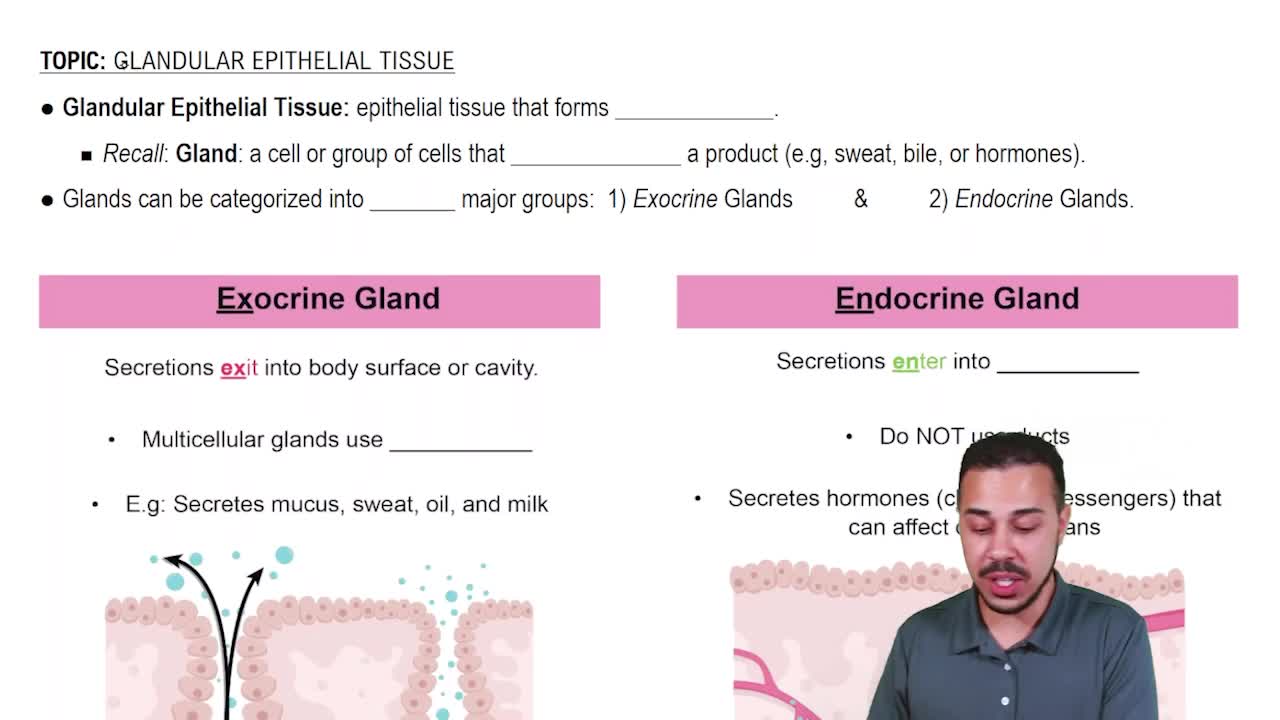
Endocrine glands secrete hormones directly into the bloodstream, whereas exocrine glands release their products through ducts to specific sites. Understanding this distinction is crucial because hormones are produced by endocrine glands, not exocrine glands.
Recommended video:
Guided course
06:14
Exocrine vs. Endocrine Glands

Hormone Transport in the Bloodstream

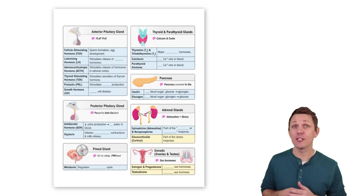
Hormones travel through the bloodstream to reach target cells throughout the body. This systemic transport allows hormones to affect distant organs, highlighting their role as chemical messengers in regulating physiological processes.
Recommended video:
Guided course
13:06
Review of Major Hormones

Hormone Specificity and Target Organs

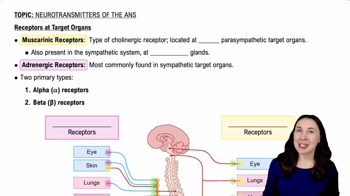
Hormones affect specific target cells or organs that have appropriate receptors, which can include both hormone-producing and non-hormone-producing tissues. This specificity ensures precise regulation of bodily functions.
Recommended video:
2:50
Receptors at Target Organs