Back

BIO 210: Cells & Molecules – Comprehensive Study Notes for Exam I

Study Guide - Learn with Videos

Curated lessons matched to your uploaded material – learn every topic step by step.

Introduction to Biology

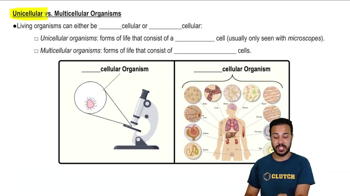
  • Unicellular vs. Multicellular
    02:09
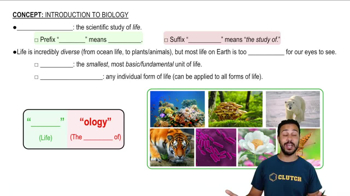
  • Introduction to Biology
    02:54
  • Introduction to Biology Channel
    1:28

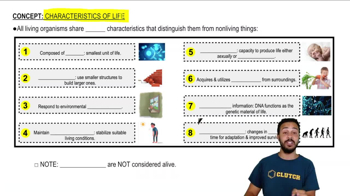
Characteristics of Life

  • Characteristics of Life
    09:26
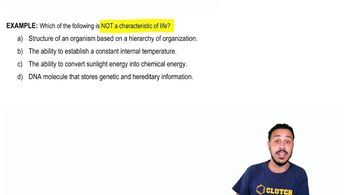
  • Characteristics of Life Example 1
    02:59
Life's Organizational Hierarchy

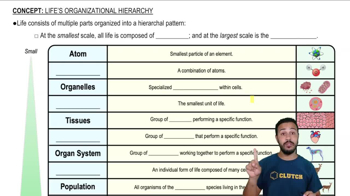
  • Life's Organizational Hierarchy
    09:50
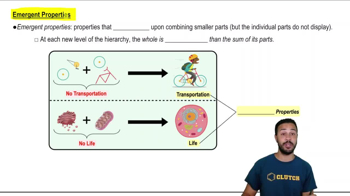
  • Emergent Properties
    04:05
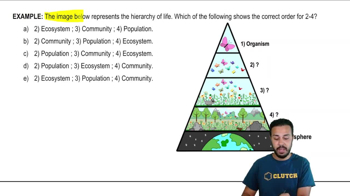
  • Life's Organizational Hierarchy Example 1
    03:05

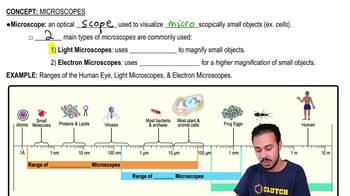
Microscopes

  • Microscopes
    06:35
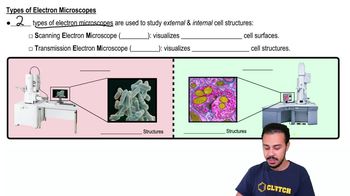
  • Types of Electron Microscopes
    02:52

Prokaryotic & Eukaryotic Cells

  • Recap: Prokaryotic vs. Eukaryotic Cells
    04:26
  • Prokaryotic & Eukaryotic Cells
    05:54
  • Features of Bacterial Cells
    03:54

Introduction to Eukaryotic Organelles

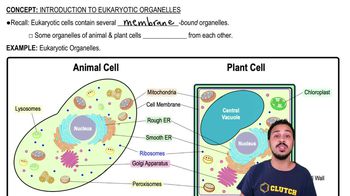
  • Introduction to Eukaryotic Organelles
    03:45
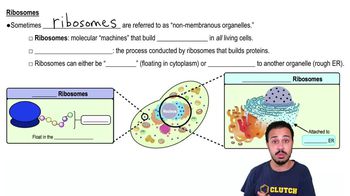
  • Ribosomes
    06:51
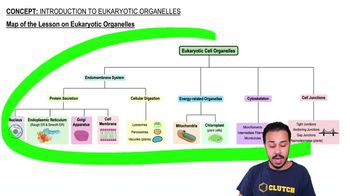
  • Map of the Lesson on Eukaryotic Organelles
    02:43

Mitochondria & Chloroplasts

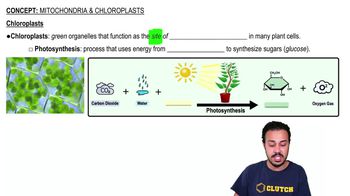
  • Chloroplasts
    03:16
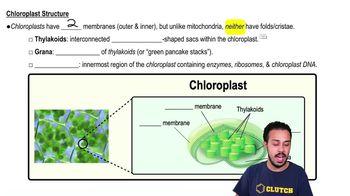
  • Chloroplast Structure
    03:41
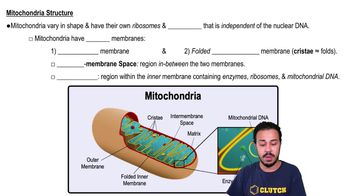
  • Mitochondria Structure
    04:45

Endosymbiotic Theory

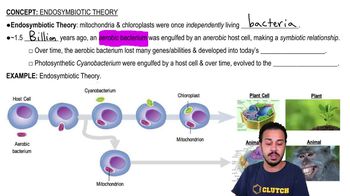
  • Endosymbiotic Theory
    06:58

Introduction to the Cytoskeleton

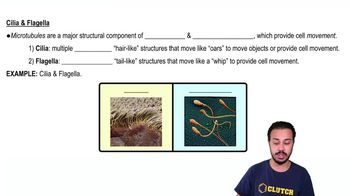
  • Cilia & Flagella
    03:15
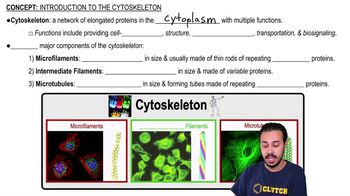
  • Introduction to the Cytoskeleton
    06:05

Cell Junctions

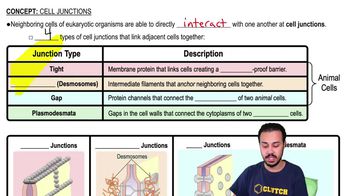
  • Cell Junctions
    05:33

Biological Membranes

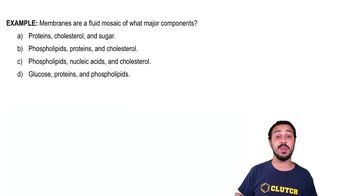
  • Biological Membranes Example 1
    02:21
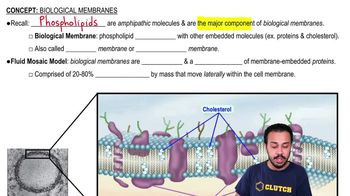
  • Biological Membranes
    06:04

Types of Membrane Proteins

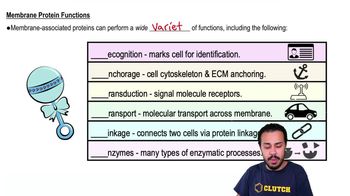
  • Membrane Protein Functions
    03:54
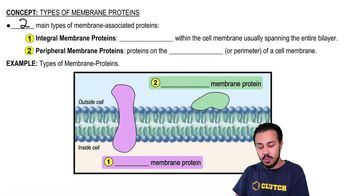
  • Types of Membrane Proteins
    02:35

Introduction to Membrane Transport

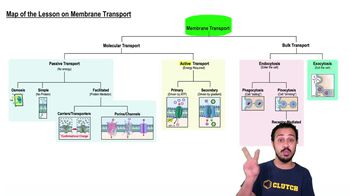
  • Map of the Lesson on Membrane Transport
    02:33
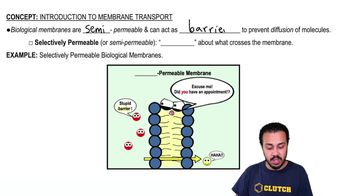
  • Introduction to Membrane Transport
    02:47
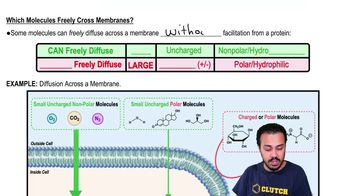
  • Which Molecules Freely Cross Membranes?
    07:10

Introduction to Energy

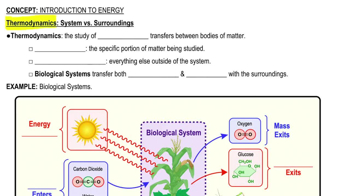
  • Thermodynamics: System vs. Surroundings
    04:21
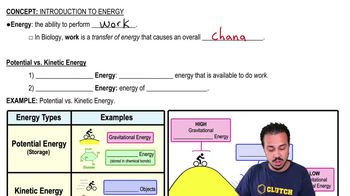
  • Introduction to Energy
    04:58

Chemical Reactions

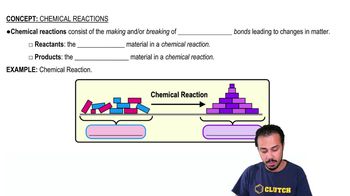
  • Chemical Reactions
    01:56
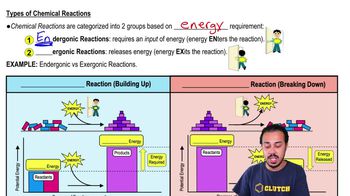
  • Types of Chemical Reactions
    05:48

ATP

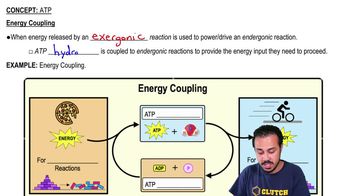
  • Energy Coupling
    04:57
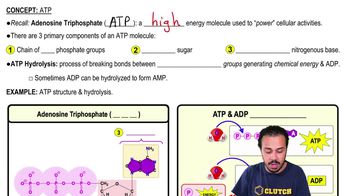
  • ATP
    06:43
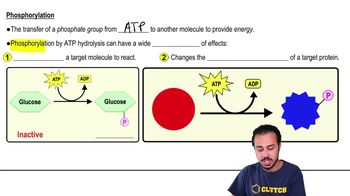
  • Phosphorylation
    03:

Enzymes

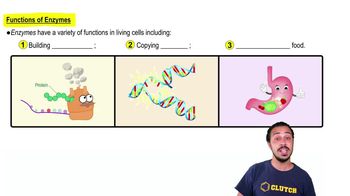
  • Functions of Enzymes
    02:32
  • Enzymes Example 1
    02:25
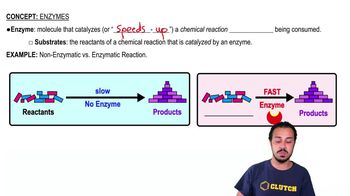
  • Enzymes
    02:55

Introduction to Biomolecules

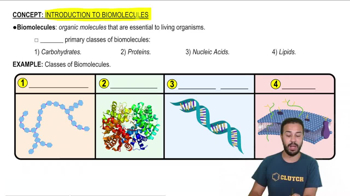
  • Introduction to Biomolecules
    01:17
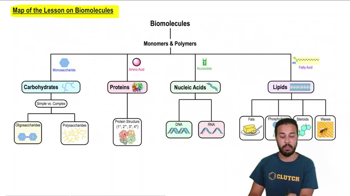
  • Map of the Lesson on Biomolecules
    01:29

Monomers & Polymers

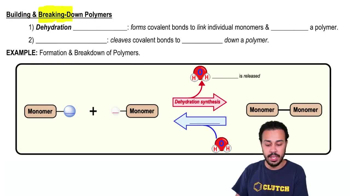
  • Building & Breaking-Down Polymers
    04:19
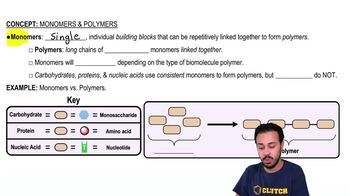
  • Monomers & Polymers
    03:42

Carbohydrates

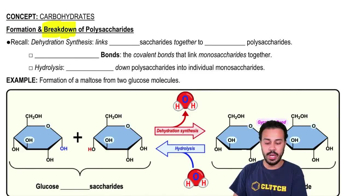
  • Formation & Breakdown of Polysaccharides
    03:08
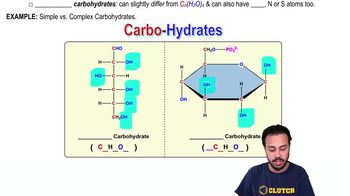
  • Carbohydrates
    04:53
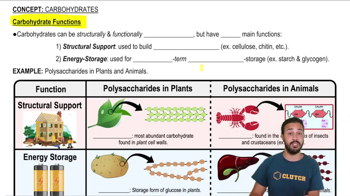
  • Carbohydrate Functions
    05:08

Proteins

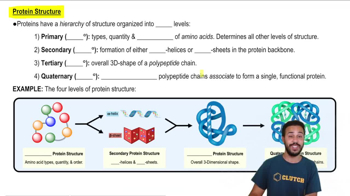
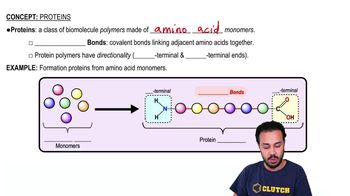
  • Protein Structure
    08:02
  • Amino Acids
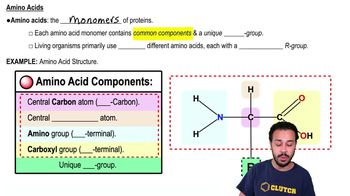
    04:37
  • Proteins
    02:50

Lipids

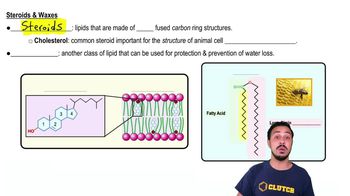
  • Steroids & Waxes
    03:30
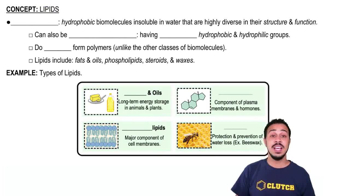
  • Lipids
    04:19
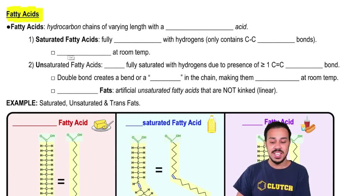
  • Fatty Acids
    06:59

Nucleic Acids

  • Nucleic Acids Example 2
    01:05
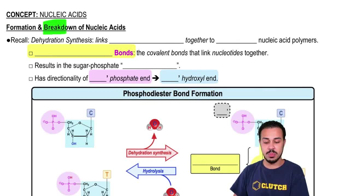
  • Formation & Breakdown of Nucleic Acids
    04:07
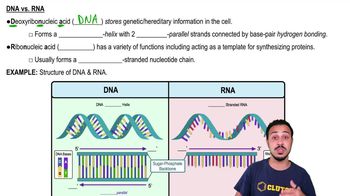
  • DNA vs. RNA
    05:57

Central Dogma

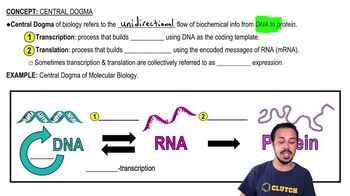
  • Central Dogma
    05:45

Introduction to Transcription

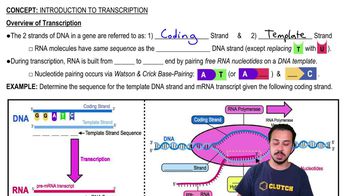
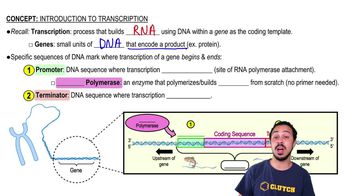
  • Overview of Transcription
    07:44
  • Introduction to Transcription
    05:51

Steps of Transcription

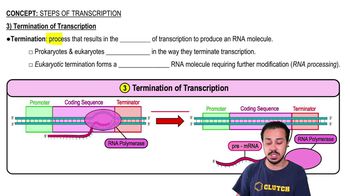
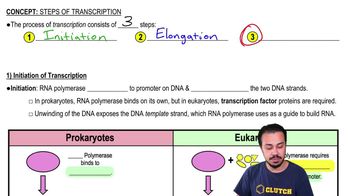
  • 3) Termination of Transcription
    02:44
  • 1) Initiation of Transcription
    04:16
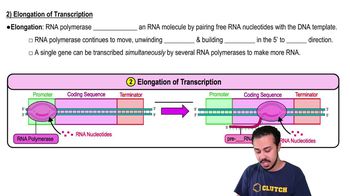
  • 2) Elongation of Transcription
    04:01

Introduction to Types of RNA

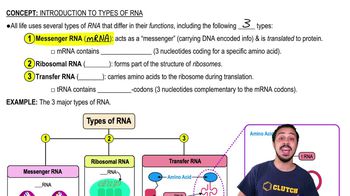
  • Introduction to Types of RNA
    07:20

Genetic Code

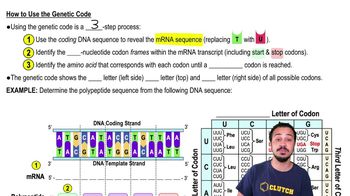
  • How to Use the Genetic Code
    11:39
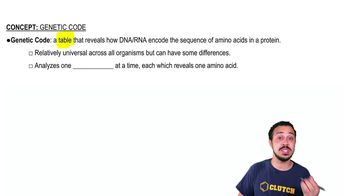
  • Genetic Code
    01:28

Introduction to Translation

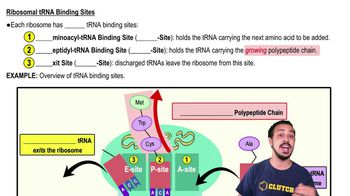
  • Ribosomal tRNA Binding Sites
    06:16
  • Ribosome Subunits
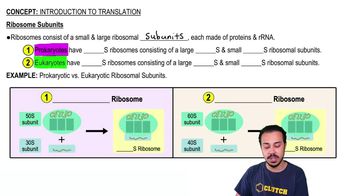
    08:42
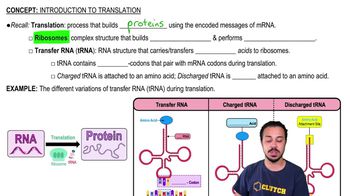
  • Introduction to Translation
    06:12

Steps of Translation

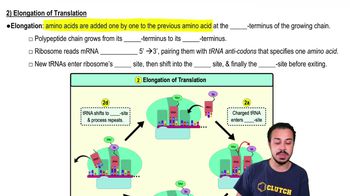
  • 2) Elongation of Translation
    04:59
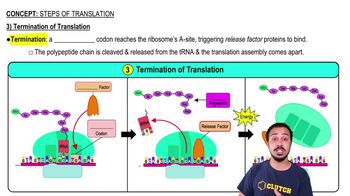
  • 3) Termination of Translation
    02:16
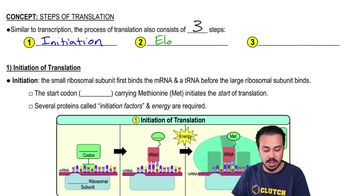
  • 1) Initiation of Translation
    05:03

Post-Translational Modification

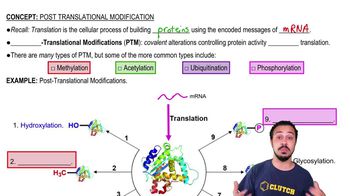
  • Post-Translational Modification
    04:26

Review of Transcription vs. Translation

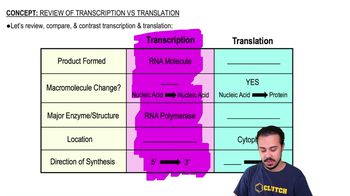
  • Review of Transcription vs. Translation
    04:07

Viruses

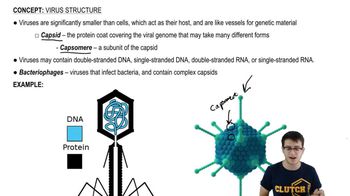
  • Virus Structure
    04:50
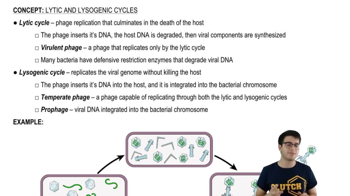
  • Lytic and Lysogenic Cycles
    08:04
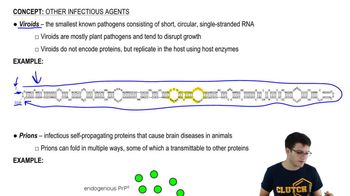
  • Viroids and Prions
    04:22