
Pearson+ LogoPearson+ Logo
Ch. 20 Unifying Concepts of Animal Structure and Function
Taylor - Campbell Biology: Concepts & Connections 10th Edition
Taylor, Simon, Dickey, Hogan10th EditionCampbell Biology: Concepts & ConnectionsISBN: 9780136538783Not the one you use?Change textbook
Chapter 20, Problem 3

Which of the following body systems facilitates (but doesn't regulate) the functions of the other systems? respiratory system endocrine system digestive system circulatory system

Verified step by step guidance
1
Identify the primary functions of each system listed: The respiratory system is primarily responsible for gas exchange, the endocrine system for hormone production and regulation, the digestive system for nutrient breakdown and absorption, and the circulatory system for transporting blood, nutrients, gases, and hormones throughout the body.
Understand the role of facilitation in this context: Facilitation means aiding or making easier the functions of other systems without directly controlling or regulating those functions.
Analyze how the respiratory system operates: It exchanges oxygen and carbon dioxide between the blood and the environment, which is crucial for cellular respiration in other systems but does not regulate their functions.
Consider the role of the circulatory system: It transports the oxygen from the respiratory system and nutrients from the digestive system to cells throughout the body, and carries hormones from the endocrine system to target organs.
Conclude which system primarily supports the functions of others by transporting essential substances (like oxygen, nutrients, and hormones) needed by other systems to perform their roles effectively, without regulating these functions.

Verified video answer for a similar problem:

This video solution was recommended by our tutors as helpful for the problem above.
Video duration:
1m
Was this helpful?

Key Concepts

Here are the essential concepts you must grasp in order to answer the question correctly.

Body Systems Overview

The human body is composed of various systems that work together to maintain homeostasis and overall health. Each system has specific functions, such as the respiratory system for gas exchange, the circulatory system for transporting nutrients and oxygen, and the digestive system for breaking down food. Understanding how these systems interact is crucial for identifying their roles in bodily functions.
Recommended video:
Guided course
05:58
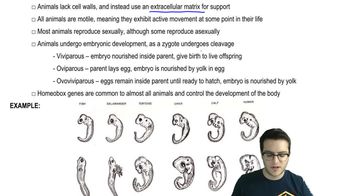
Overview of Animals - 1

Facilitation vs. Regulation

Facilitation refers to the support or assistance one system provides to another without direct control over its functions. In contrast, regulation involves actively controlling or managing the functions of other systems. Recognizing this distinction is essential for understanding how certain systems, like the respiratory system, can aid others without exerting regulatory influence.
Recommended video:
Guided course
05:10
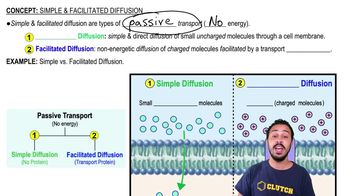
Simple and Facilitated Diffusion

Respiratory System Functions

The respiratory system is primarily responsible for the exchange of gases, specifically oxygen and carbon dioxide, between the body and the environment. It facilitates the delivery of oxygen to the blood, which is then circulated to other systems. While it supports the functions of other systems, it does not regulate them, making it a key player in maintaining the body's overall function without direct control.
Recommended video:
Guided course
06:04
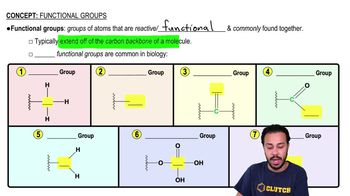
Functional Groups