Pearson+ LogoPearson+ Logo
Ch. 21 Nutrition and Digestion
Taylor - Campbell Biology: Concepts & Connections 10th Edition
Taylor, Simon, Dickey, Hogan10th EditionCampbell Biology: Concepts & ConnectionsISBN: 9780136538783Not the one you use?Change textbook
Chapter 21, Problem 13

It is estimated that 15% of Americans do not always have access to enough food. Worldwide, more than 1 billion people go to bed hungry most nights, and millions of people have starved to death in recent decades. In some cases, war, poor crop yields, and disease epidemics strip people of food. Many say instead that it is not inadequate food production but unequal food ­distribution that causes food shortages. What responsibility do nations have for feeding their citizens? For feeding the people of other countries? What do you think you can do to lessen world hunger?

Verified step by step guidance
1
Identify the main factors contributing to food shortages such as war, poor crop yields, and disease epidemics, and consider how these can be addressed or mitigated.
Explore the argument that unequal food distribution, rather than inadequate food production, is a major cause of food shortages. Investigate how food distribution systems within and between countries can be improved.
Discuss the ethical responsibilities of nations to ensure their citizens have access to sufficient food, considering international human rights laws and moral obligations.
Examine the role of international cooperation and aid in addressing global hunger, and the responsibilities of wealthier nations towards feeding people in poorer countries.
Reflect on personal actions that can contribute to reducing world hunger, such as reducing food waste, supporting sustainable food production practices, and contributing to or volunteering for organizations that work towards hunger relief.

Verified video answer for a similar problem:

This video solution was recommended by our tutors as helpful for the problem above.
Video duration:
1m
Was this helpful?

Key Concepts

Here are the essential concepts you must grasp in order to answer the question correctly.

Food Security

Food security refers to the state in which all individuals have reliable access to sufficient, safe, and nutritious food to maintain a healthy life. It encompasses not only the availability of food but also its accessibility, utilization, and stability over time. Understanding food security is crucial for addressing hunger, as it highlights the multifaceted nature of food distribution and the socio-economic factors that contribute to food shortages.
Recommended video:
Guided course
08:24
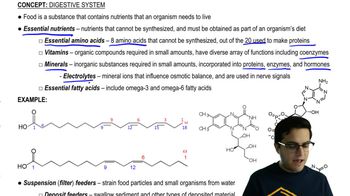
Food and Feeding

Global Inequality

Global inequality pertains to the disparities in wealth, resources, and opportunities between different countries and populations. This concept is essential for understanding why some nations experience food shortages despite global food production levels being adequate. Factors such as economic policies, trade agreements, and historical contexts contribute to unequal food distribution, impacting the ability of nations to feed their citizens and those in need.
Recommended video:
Guided course
05:02
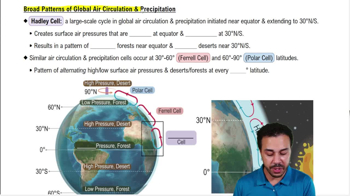
Broad Patterns of Global Air Circulation & Precipitation

Sustainable Development Goals (SDGs)

The Sustainable Development Goals (SDGs) are a set of 17 global objectives established by the United Nations to address various social, economic, and environmental challenges, including hunger. Goal 2 specifically aims to end hunger, achieve food security, and promote sustainable agriculture. Understanding the SDGs provides a framework for nations and individuals to take action towards reducing hunger and ensuring equitable food distribution worldwide.
Recommended video:
Guided course
06:02
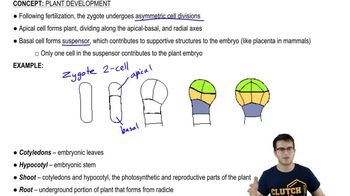
Embryonic Plant Development