


Freeman 7th Edition
Ch. 20 - The Molecular Revolution: Biotechnology, Genomics, and New Frontiers
Problem 13If the sequence of DNA in Question 12 were amplified using 25 PCR cycles, then the amount of this DNA would be predicted to increase by -fold.
Verified step by step guidance
Verified video answer for a similar problem:
Key Concepts
Polymerase Chain Reaction (PCR)
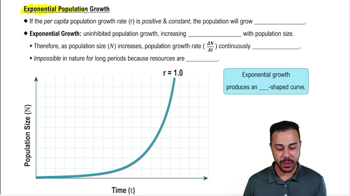
Exponential Growth in PCR
Limitations of PCR Amplification
Potato blight causes potato plants to shrivel and rot. The disease is caused by the pathogen Phytophthora infestans, infamous for its role in Ireland's Great Potato Famine in the mid-1840s. The disease can devastate crops during wet weather, sometimes leading to total crop loss. Researchers aim to use recombinant DNA methods to transfer blight resistance genes from resistant varieties into susceptible varieties of potato. Transgenic plants usually contain genes of bacterial plasmid origin. In a recent study, researchers designed a strategy that avoided using any plasmid genes. They transformed cells from a susceptible potato variety with a potato blight resistance gene cloned from a resistant variety. Next, to determine which plants from this group were also free of plasmid DNA (cloning vector) sequences, they performed PCR using primers specific for the plasmid. The positive control lane shows PCR amplification of plasmid DNA only, and the negative control lane shows an attempted PCR amplification of no added DNA. Based on the gel analysis of PCR products shown below, which plants contain only the potato gene? Explain your answer.
Why was it important to include a positive control and a negative control in the PCR analysis?