Back

Chapter 4: The Major Classes of Chemical Reactions

Study Guide - Learn with Videos

Curated lessons matched to your uploaded material – learn every topic step by step.

Solutions

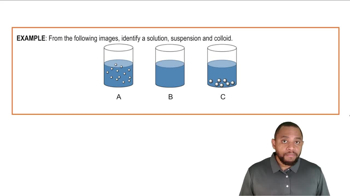
  • Identify Mixtures Example
    01:16
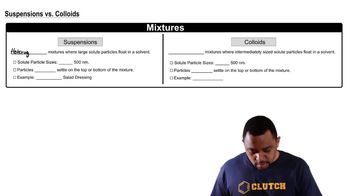
  • Suspensions and Colloids
    02:38
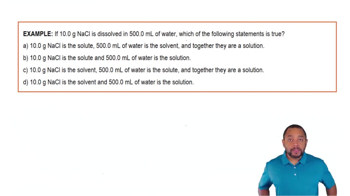
  • Solution Components Example
    1:17

Molarity

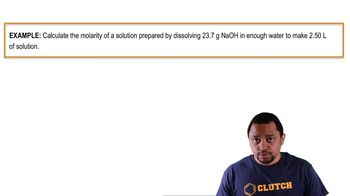
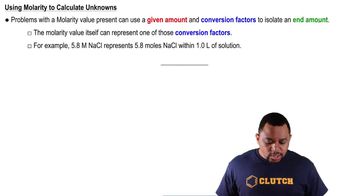
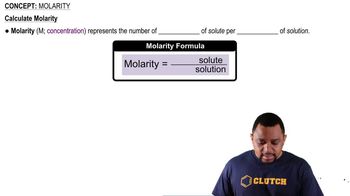
  • Calculate Molarity Example
    01:46
  • Molarity
    01:13
  • Molarity Concept
    00:53

Solubility Rules

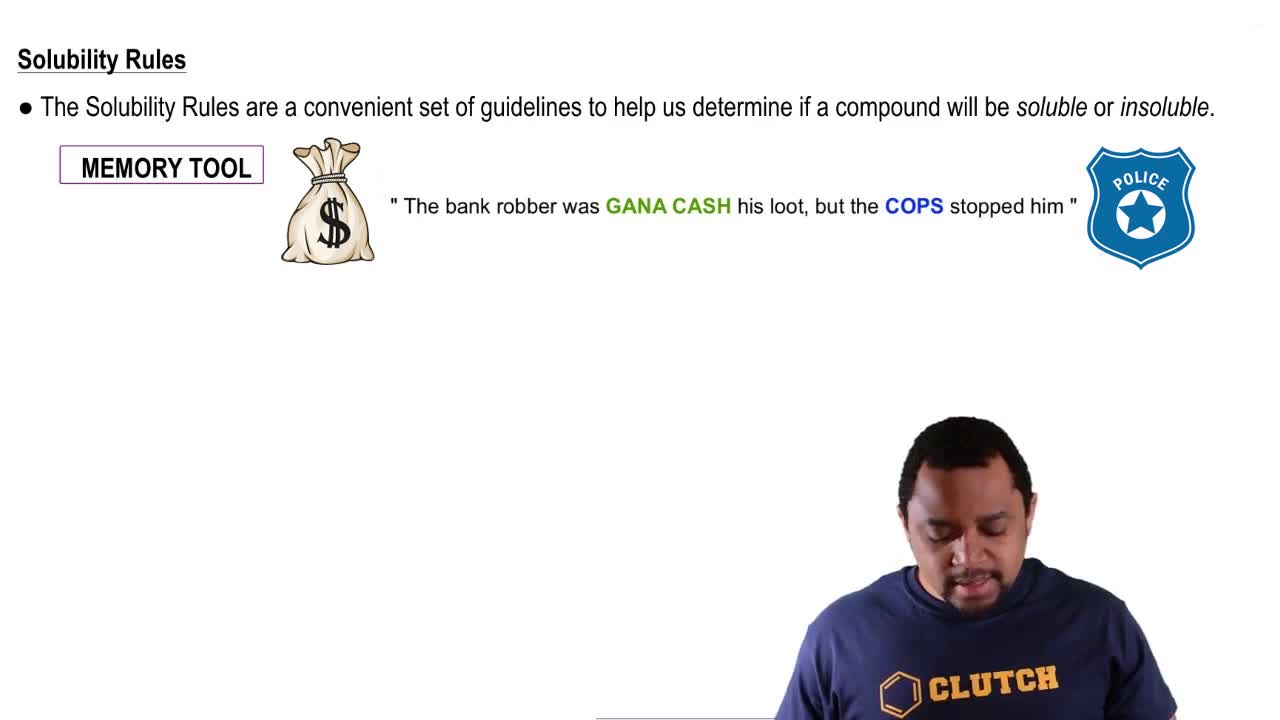
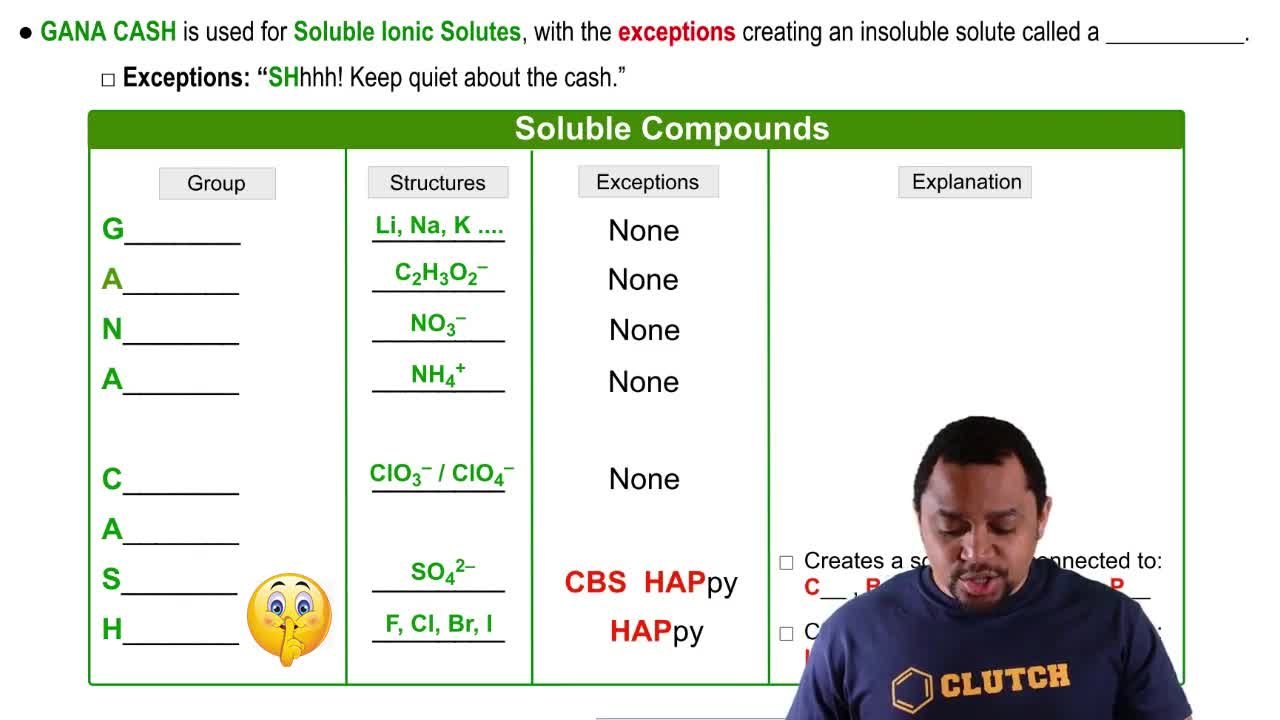
  • Solubility Rules
    00:28
  • Soluble Ionic Solutes Example
    01:32
  • Soluble Ionic Solutes
    02:30

Naming Ionic Compounds

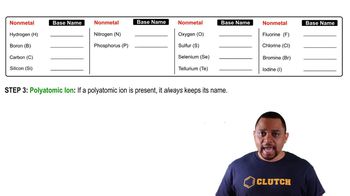
  • Base Names of Nonmetals
    01:52
  • Naming Ionic Compounds Example
    01:01
  • Ionic Compounds Naming
    02:11

Writing Ionic Compounds

  • Writing Ionic Compounds Example
    01:25
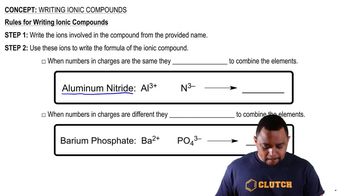
  • Rules for Writing Ionic Compounds
    03:09

Precipitation: Ksp vs Q

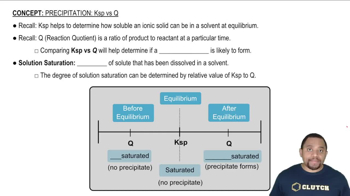
  • Ksp vs Q in Precipitation
    03:05
  • Precipitation: Ksp vs Q Example
    03:12

Molecular Equations

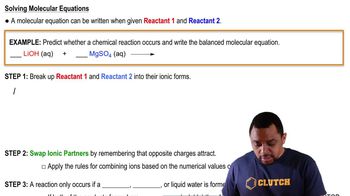
  • Molecular Equation Example
    05:07
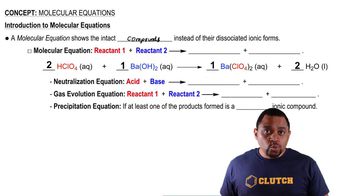
  • Types of Molecular Equations
    02:24
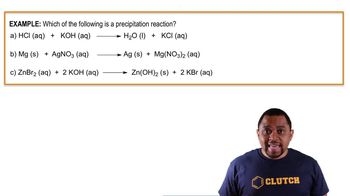
  • Precipitation Reaction Example
    01:13

Acids Introduction

  • Acid Structure and Types
    02:29
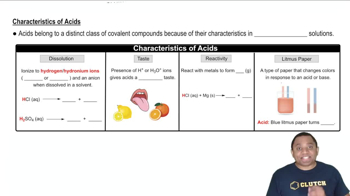
  • Acid Characteristics
    02:59
  • Acid Characteristics Example
    01:23

Bases Introduction

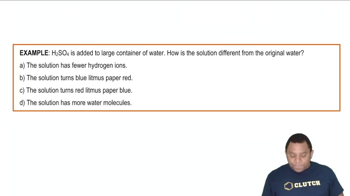
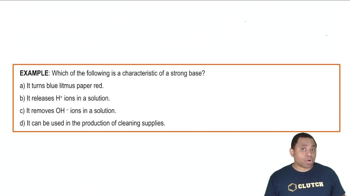
  • Strong Bases Example
    01:12
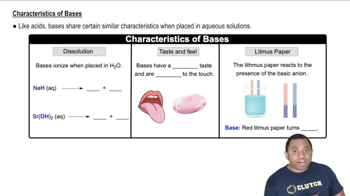
  • Base Properties
    01:57
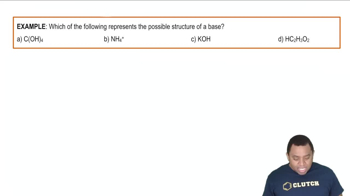
  • Base Structure Example
    01:16
Arrhenius Acids and Bases

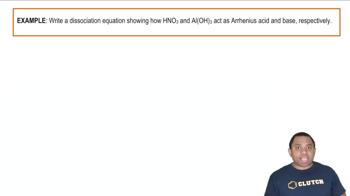
  • Acid-Base Dissociation Example
    00:54
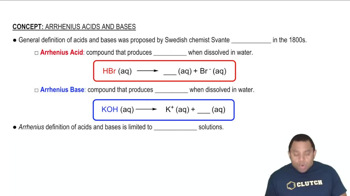
  • Arrhenius Acids and Bases
    02:00

Bronsted-Lowry Acids and Bases

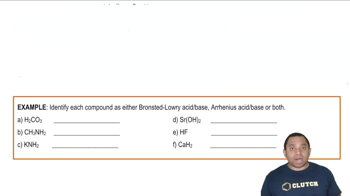
  • Acid-Base Classification Example
    02:56
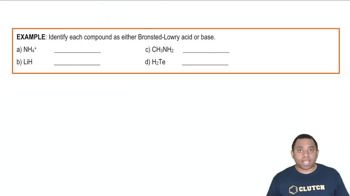
  • Bronsted-Lowry Acids and Bases Example
    01:10
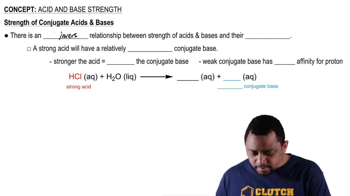
  • Strength of Conjugate Acids and Bases
    00:50

The pH Scale

  • pH Calculation Example
    02:15
  • Least Acidic Solution Example
    00:48
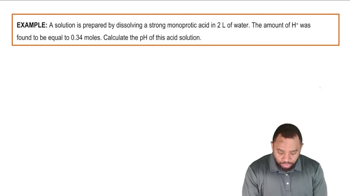
  • Additional pH and pOH Calculations
    00:58

Acid-Base Indicators

  • Acid-Base Indicators
    04:30
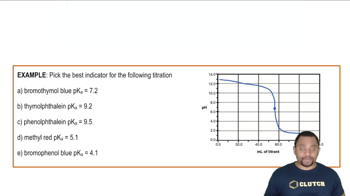
  • Best Indicator Example
    00:52

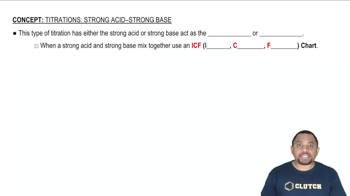
Titrations: Strong Acid-Strong Base

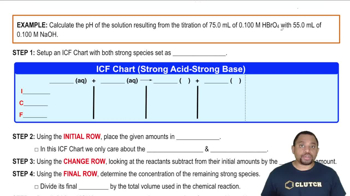
  • Strong Acid-Strong Base Titration Example
    04:43
  • Strong Acid-Strong Base Titration
    01:09

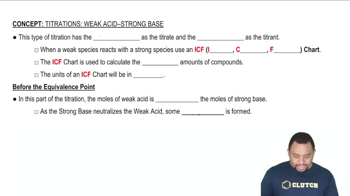
Titrations: Weak Acid-Strong Base

  • At the Equivalence Point
    01:07
  • Before the Equivalence Point
    01:30
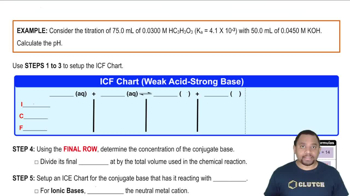
  • pH at the Equivalence Point Example
    08:27

Titrations: Weak Base-Strong Acid

  • pH Before the Equivalence Point Example
    05:10
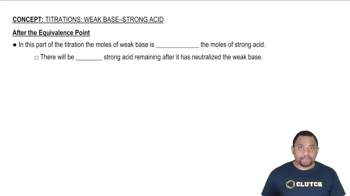
  • After the Equivalence Point
    00:53
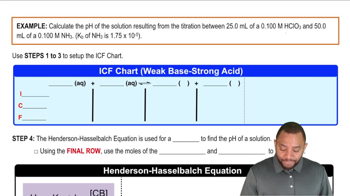
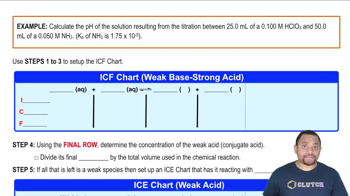
  • pH at the Equivalence Point Example
    07:28

Balancing Chemical Equations

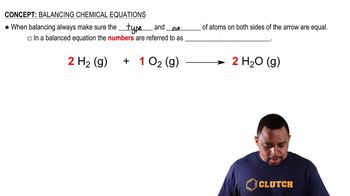
  • Balancing Chemical Equations
    01:32
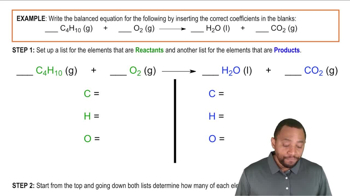
  • Balancing Chemical Equations Example
    03:50

Redox Reactions

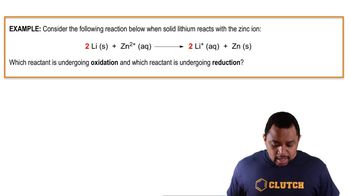
  • Oxidation and Reduction Reaction Example
    02:17
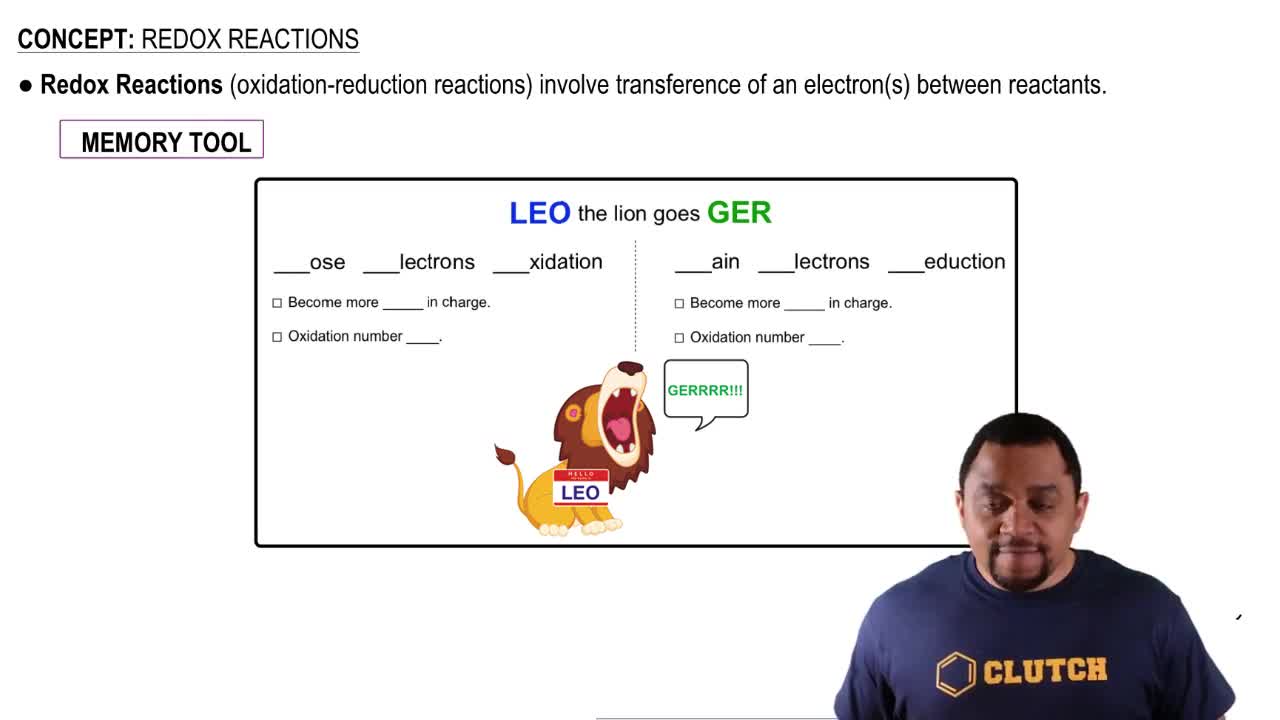
  • Oxidation and Reduction Reactions
    01:53
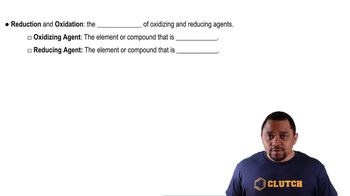
  • Oxidizing and Reducing Agents
    01:01

Calculate Oxidation Numbers

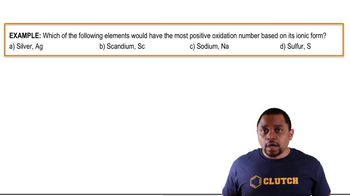
  • Calculate Oxidation Numbers Example
    01:22
  • Oxidation Numbers in Ions Example
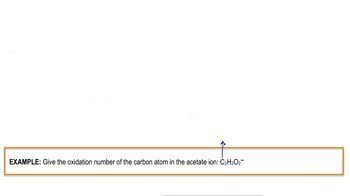
    01:38
  • Oxidation Numbers
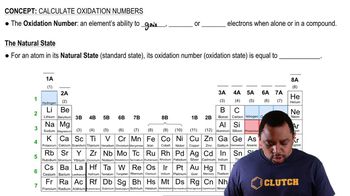
    02:42

Activity Series

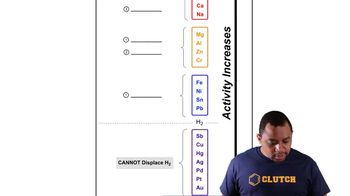
  • Activity Series Chart
    02:02
  • Activity Series Chart Example
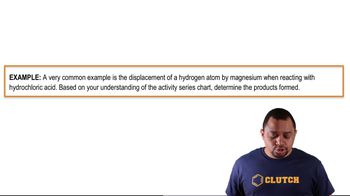
    01:55
  • Single Displacement Reactions
    01:11

Law of Conservation of Mass

  • Law of Conservation of Mass Example
    01:20
  • Law of Conservation of Mass
    01:48

Law of Definite Proportions

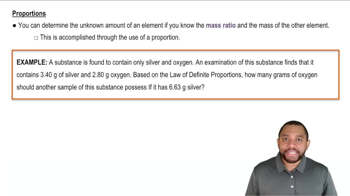
  • Law of Definite Proportions Example
    1:59
  • Law of Definite Proportions Example
    2:23
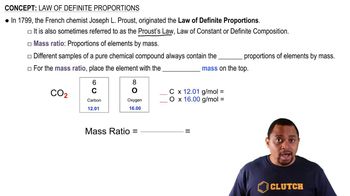
  • Law of Definite Proportions
    02:48

Law of Multiple Proportions

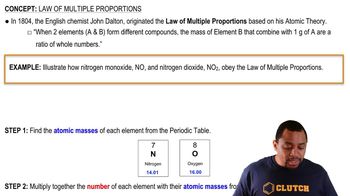
  • Law of Multiple Proportions
    03:32

Stoichiometry

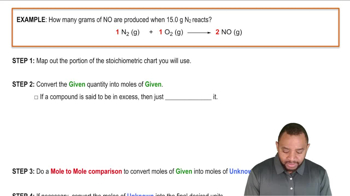
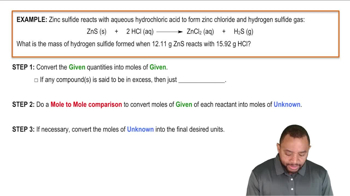
  • Stoichiometry Example
    3:54
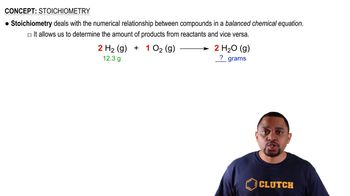
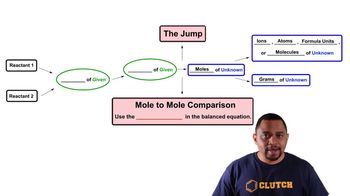
  • Stoichiometry Concept
    01:16
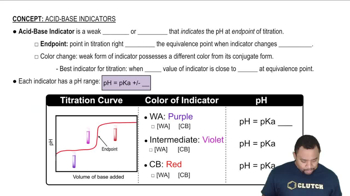
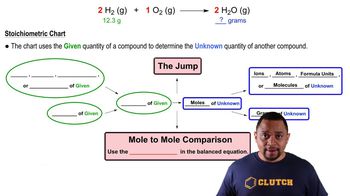
  • Stoichiometric Chart Concept
    03:04

Limiting Reagent

  • Limiting Reagent Example
    4:53
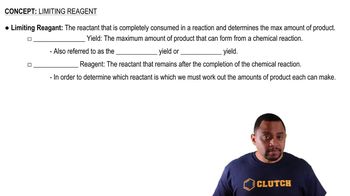
  • Limiting Reagent Concept
    01:30
  • Limiting Reagent in Reactions
    01:34

Percent Yield

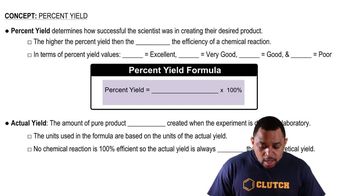
  • Percent Yield in Reactions
    03:09
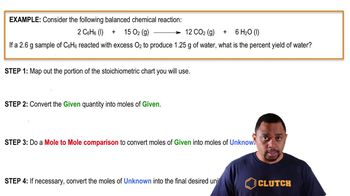
  • Percent Yield Example
    04:43

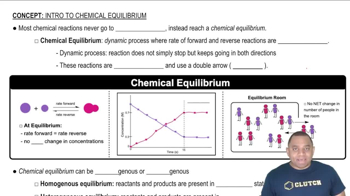
Intro to Chemical Equilibrium

  • Chemical Equilibrium Example
    01:18
  • Chemical Equilibrium Concepts
    04:20

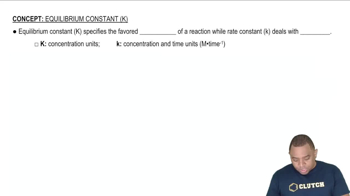
Equilibrium Constant K

  • Equilibrium Constant K
    01:14
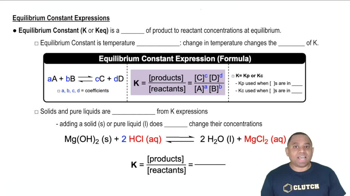
  • Equilibrium Constant Expressions
    03:20
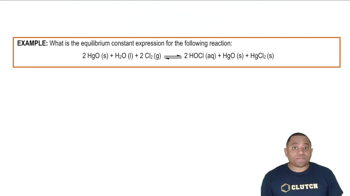
  • Equilibrium Constant Expressions Example
    01:07

Le Chatelier's Principle

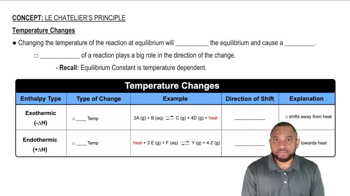
  • Temperature and Equilibrium Shifts
    04:04
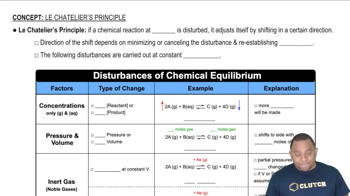
  • Le Chatelier's Principle
    07:32
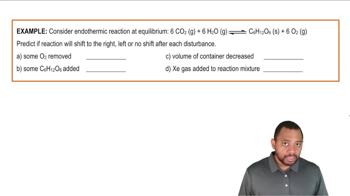
  • Disturbances and Equilibrium Shifts Example
    02:50

Reaction Quotient

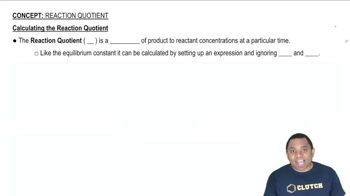
  • Reaction Quotient Q
    00:49
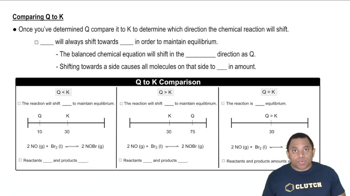
  • Comparing Q to K and Equilibrium Shift
    03:26
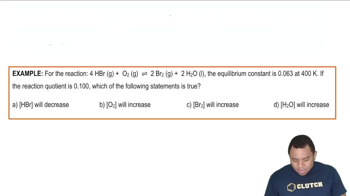
  • Comparing Q to K Example
    02:18