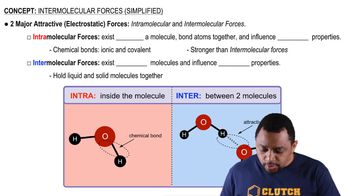
Intermolecular Forces Go to topic Intermolecular vs Intramolecular Forces
Jules Bruno
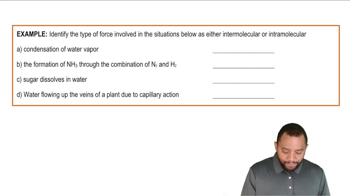
Intermolecular vs Intramolecular Example
Jules Bruno
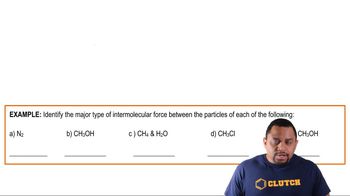
Intermolecular Forces Example
Jules Bruno
More videos (1)
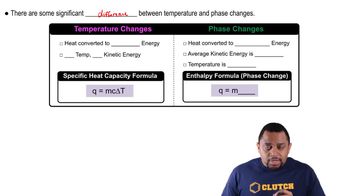
Heating and Cooling Curves Go to topic Temperature Changes vs PhaseChanges
Jules Bruno
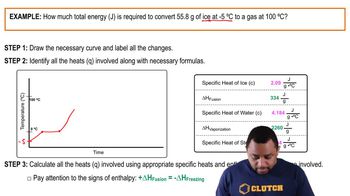
Energy Calculation Example
Jules Bruno
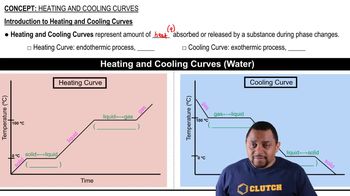
Introduction to Heating and Cooling Curves
Jules Bruno
More videos (2)
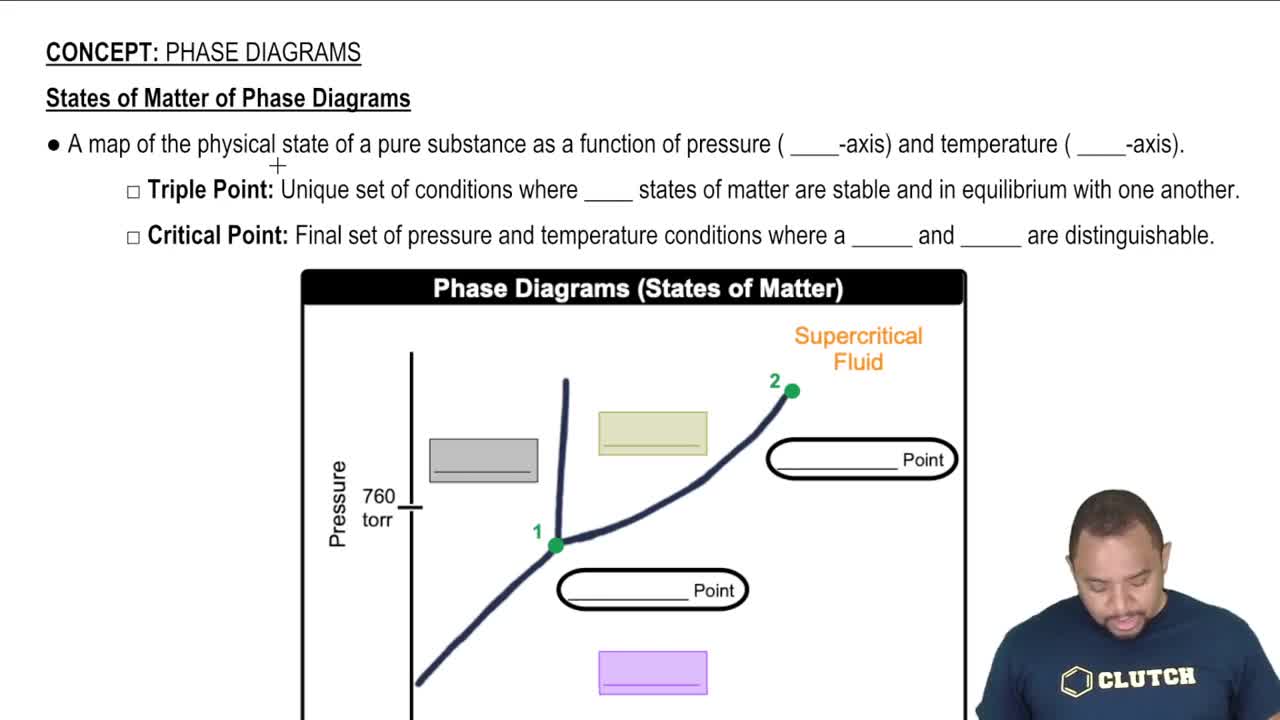
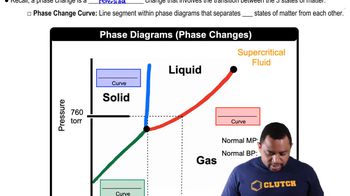
Phase Diagrams Go to topic States of Matter of Phase Diagrams
Jules Bruno
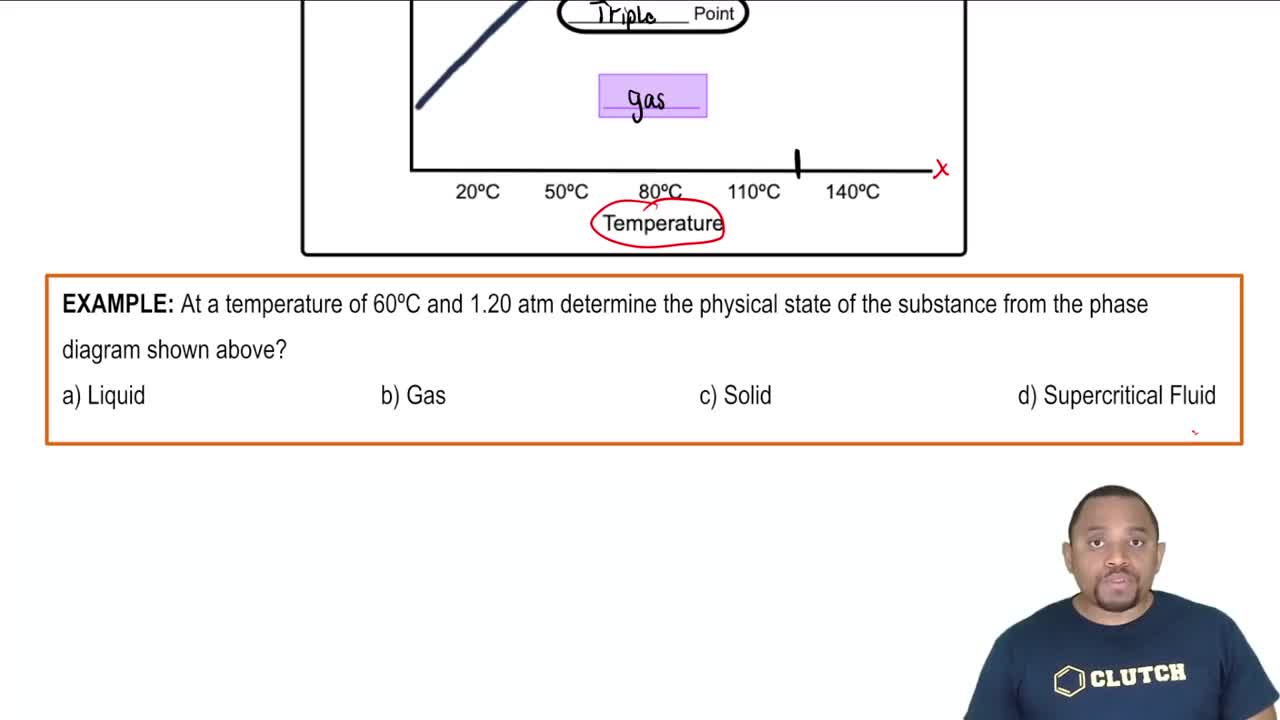
Phase Diagram Example
Jules Bruno
Phase Changes in Diagrams
Jules Bruno
More videos (1)
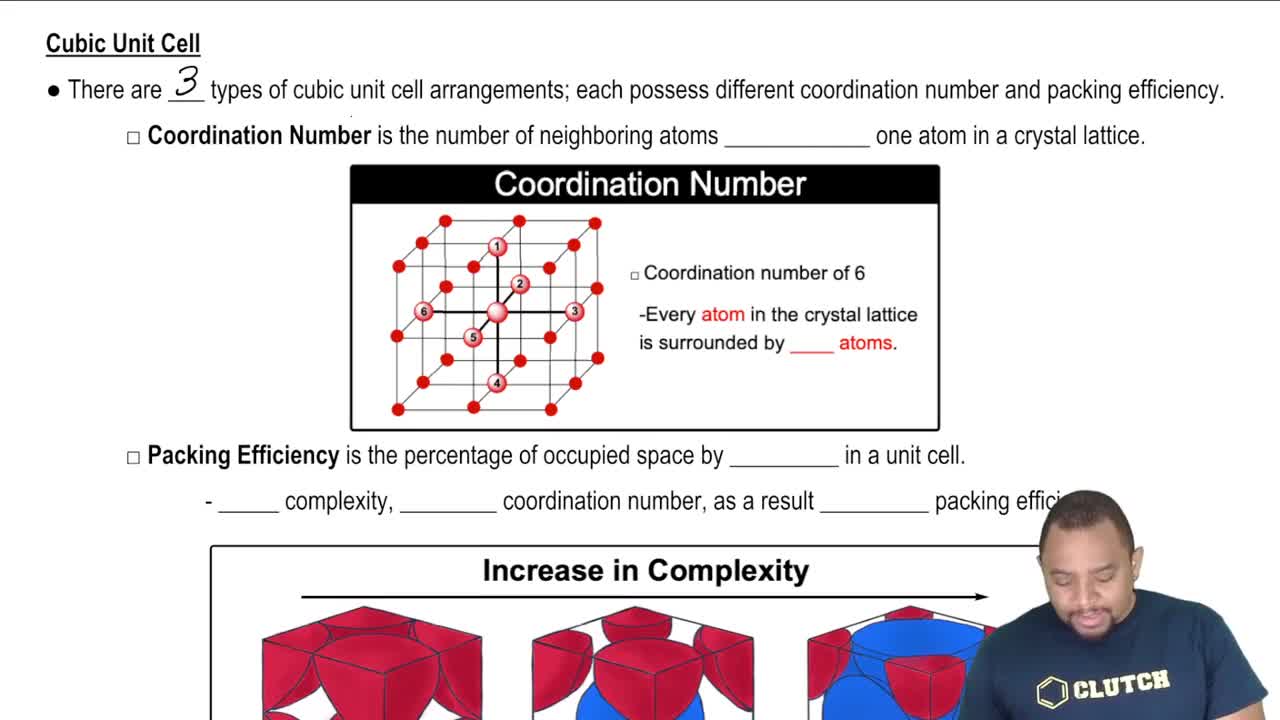
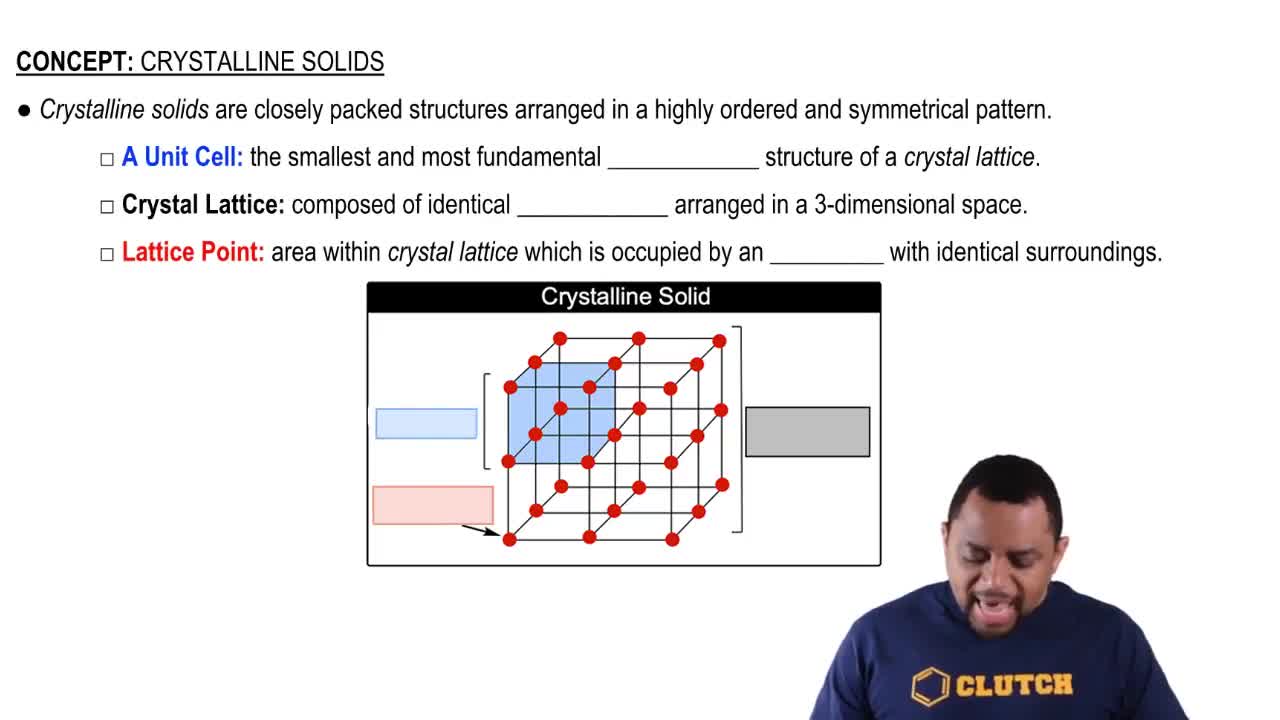
Crystalline Solids Go to topic Cubic Unit Cells
Jules Bruno
Crystalline Solids Example
Jules Bruno
Crystalline Solids Structure
Jules Bruno
Simple Cubic Unit Cell Go to topic Simple Cubic Volume Example
Jules Bruno
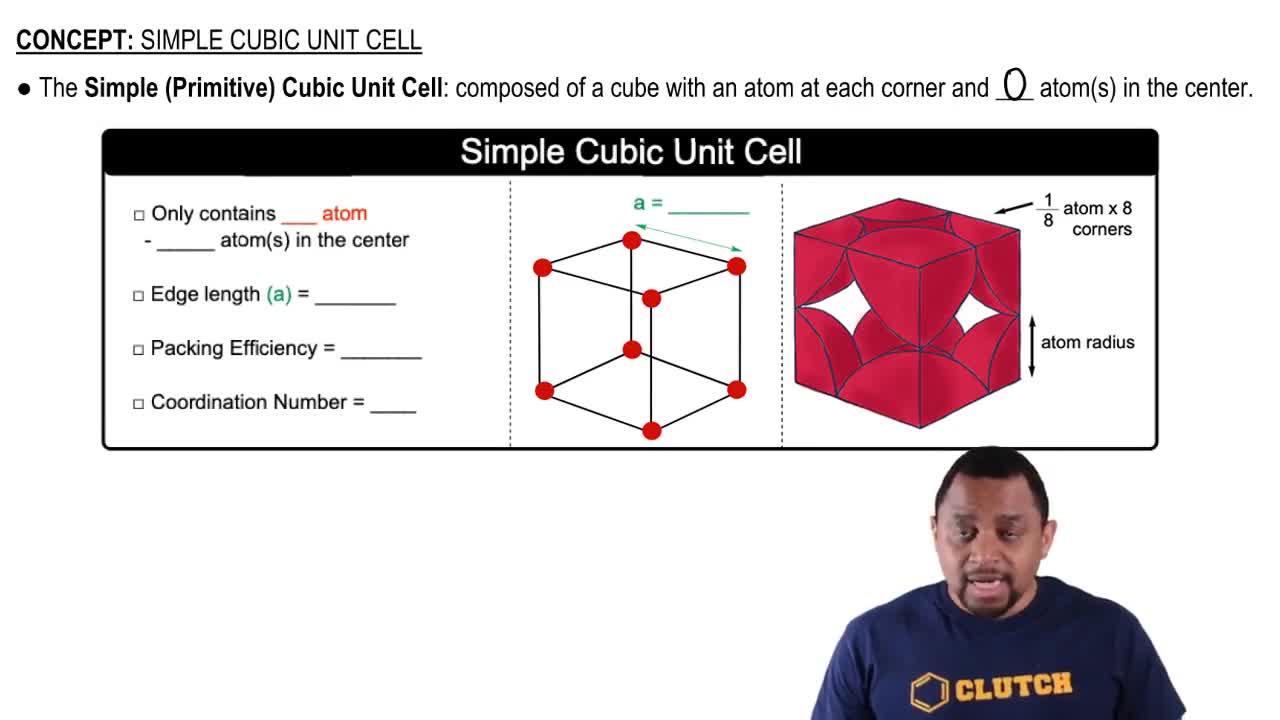
Simple Cubic Unit Cell
Jules Bruno
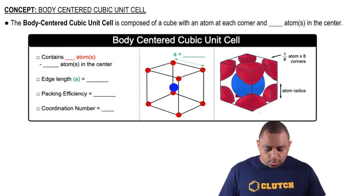
Body Centered Cubic Unit Cell Go to topic Body Centered Cubic Unit Cell
Jules Bruno
Body Centered Cubic Example
Jules Bruno
Face Centered Cubic Unit Cell Go to topic Face Centered Cubic Example
Jules Bruno
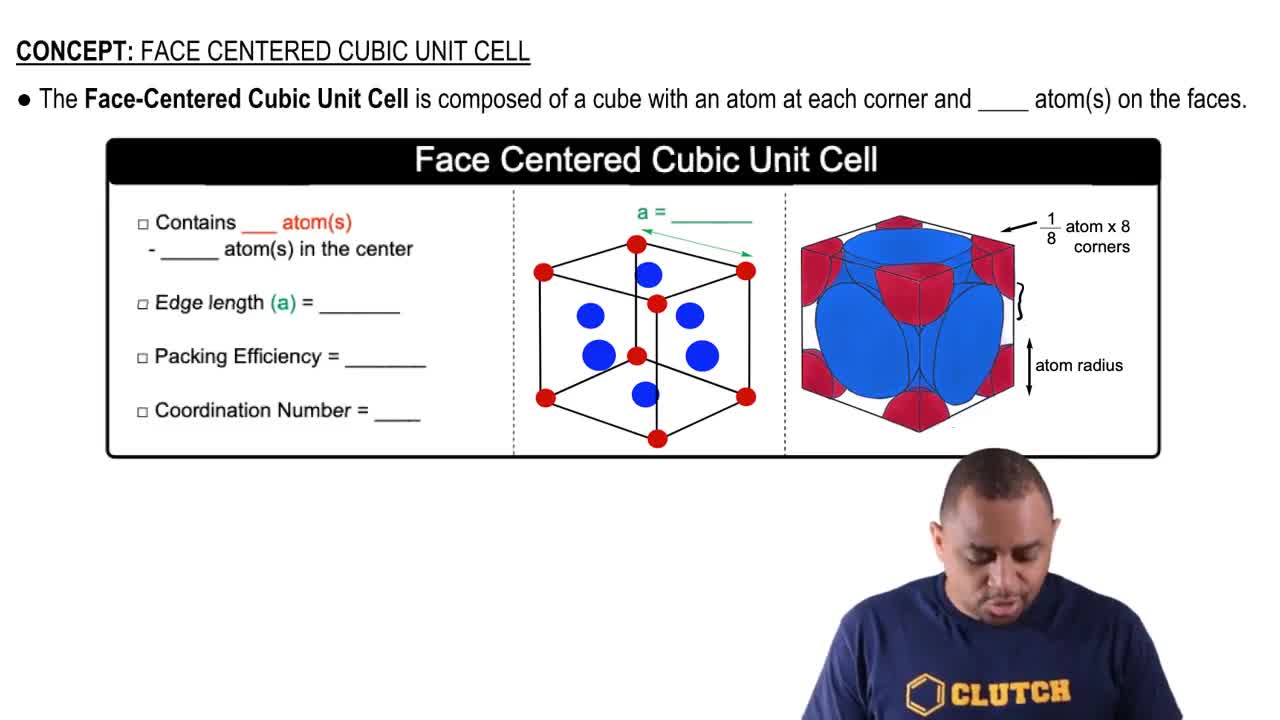
Face Centered Cubic Unit Cell
Jules Bruno
Density Go to topic Density Concepts
Jules Bruno
Density Conversion Example
Jules Bruno
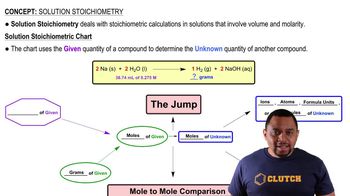
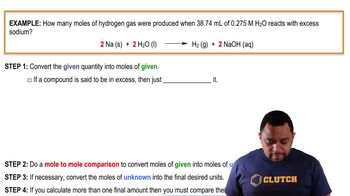
Solution Stoichiometry Go to topic Solution Stoichiometry
Jules Bruno
Solution Stoichiometry Example
Jules Bruno
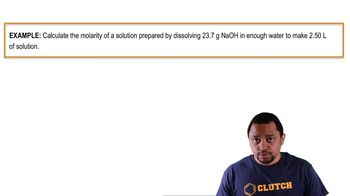
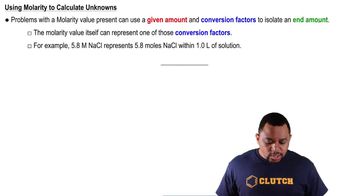
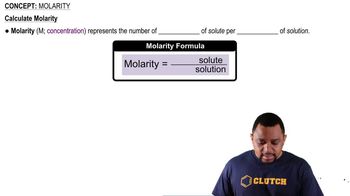
Molarity Go to topic Calculate Molarity Example
Jules Bruno
Molarity Concept
Jules Bruno
More videos (1)
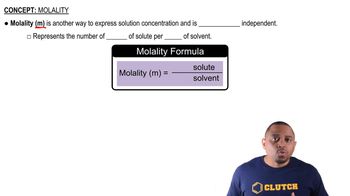
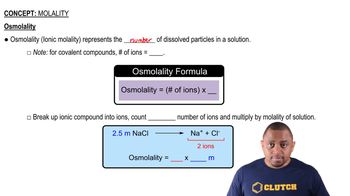
Molality Go to topic Osmolality in Solutions
Jules Bruno
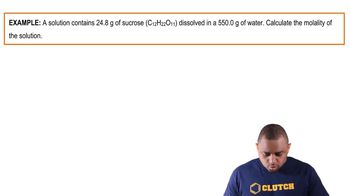
Molality Calculation Example
Jules Bruno
More videos (1)
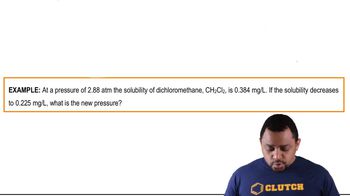
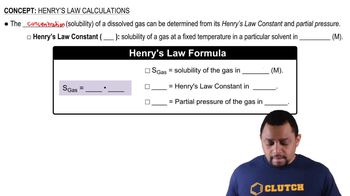
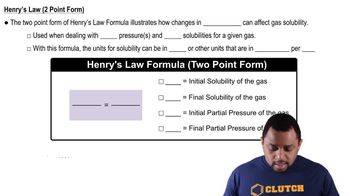
Henry's Law Calculations Go to topic Henry's Law Two-point Formula Example
Jules Bruno
Henry's Law Calculations
Jules Bruno
Henry's Law Two-point Formula
Jules Bruno
More videos (1)
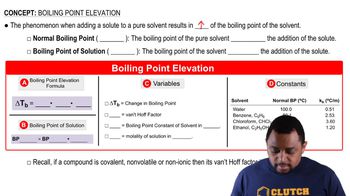
Boiling Point Elevation Go to topic Boiling Point Elevation
Jules Bruno
Boiling Point Calculation Example
Jules Bruno
Freezing Point Depression Go to topic Freezing Point Depression
Jules Bruno
Freezing Point Example
Jules Bruno
Intro to Chemical Kinetics Go to topic Chemical Kinetics
Jules Bruno
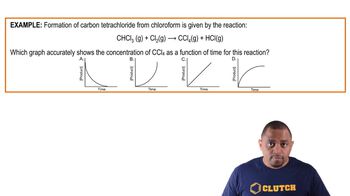
Chemical Kinetics Example
Jules Bruno
Factors Influencing Rates Go to topic Factors Influencing Reaction Rates
Jules Bruno
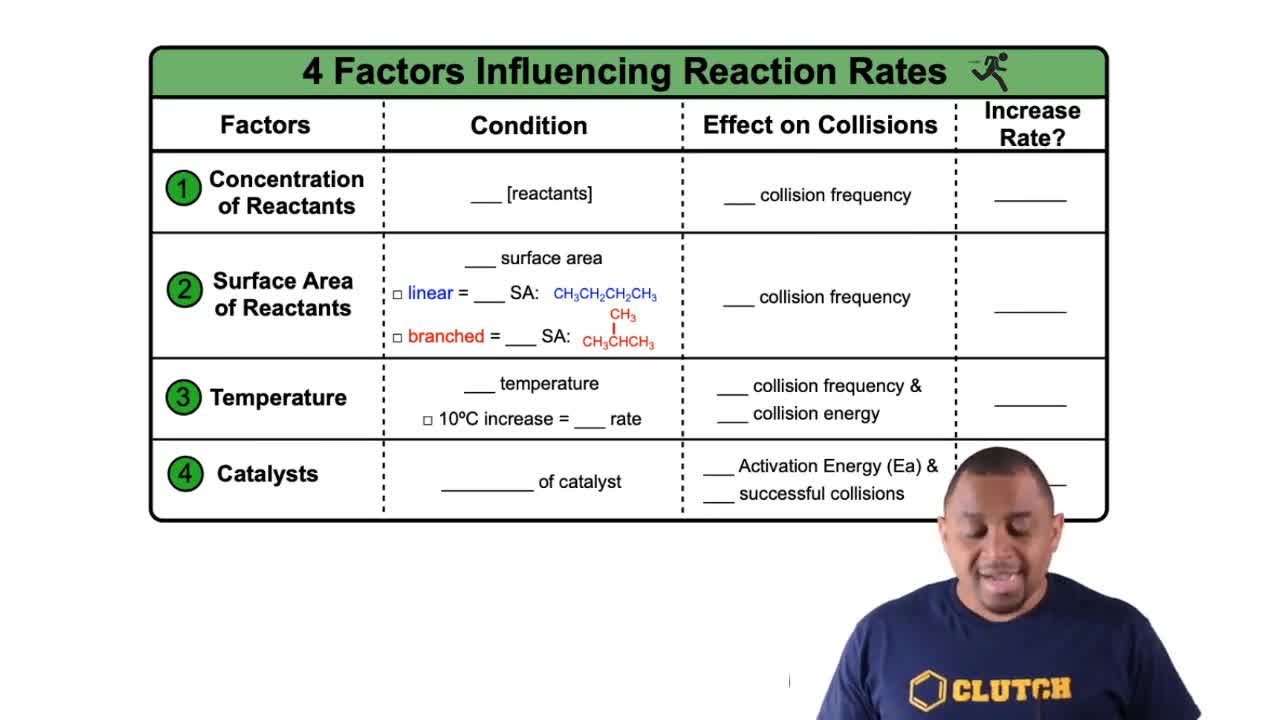
Four Factors Influencing Reaction Rates
Jules Bruno
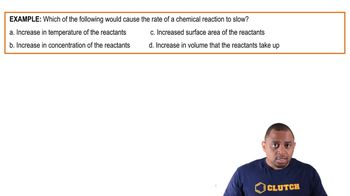
Factors Influencing Reaction Rates Example
Jules Bruno
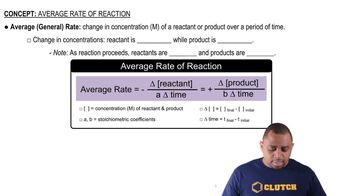
Average Rate of Reaction Go to topic Average Rate of Reaction
Jules Bruno
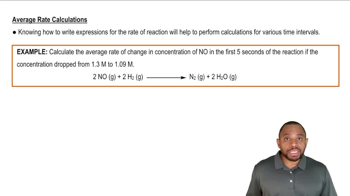
Average Rate Calculation Example
Jules Bruno
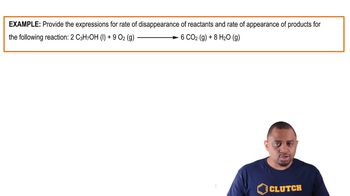
Rate Expressions Example
Jules Bruno
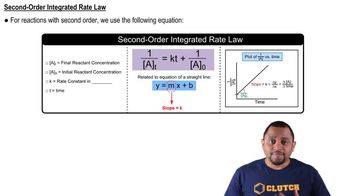
Integrated Rate Law Go to topic Second-Order Reactions
Jules Bruno
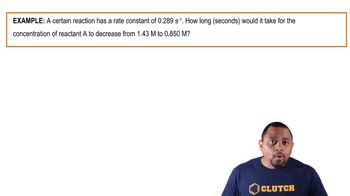
First-Order Reaction Example
Jules Bruno
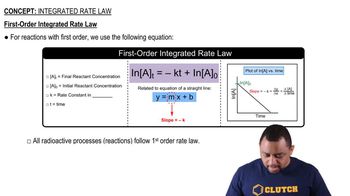
First-Order Reactions
Jules Bruno
More videos (3)
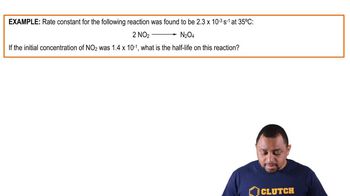
Half-Life Go to topic First-Order Half-Life Example
Jules Bruno
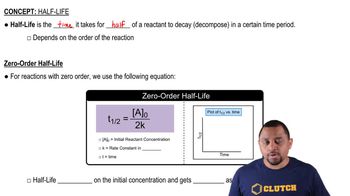
Zero-Order Half-life
Jules Bruno
Zero-Order Half-life Example
Jules Bruno
More videos (3)
Collision Theory Go to topic Introduction to Arrhenius Equation
Jules Bruno
Collision Theory
Jules Bruno
Orientation Factor Example
Jules Bruno
More videos (1)
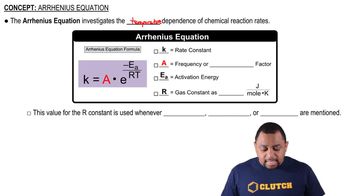
Arrhenius Equation Go to topic Arrhenius Equation
Jules Bruno
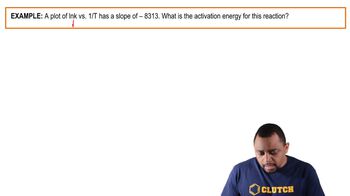
Linear Form of Arrhenius Equation Example
Jules Bruno
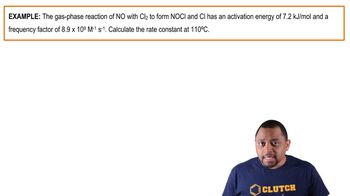
Rate Constant Calculation Example
Jules Bruno
More videos (3)
Rate Law Go to topic Rate Constant Units Example
Jules Bruno
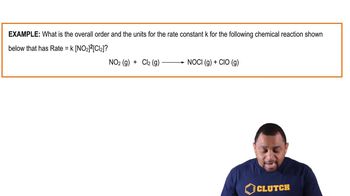
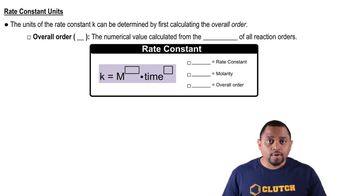
Rate Constant Units
Jules Bruno
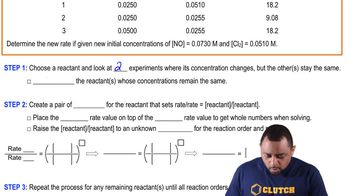
Rate Law Calculation Example
Jules Bruno
More videos (3)
Reaction Mechanism Go to topic Molecularity in Reactions Example
Jules Bruno
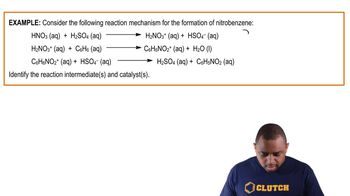
Reaction Mechanism Example
Jules Bruno
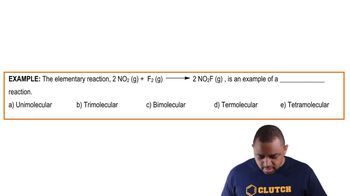
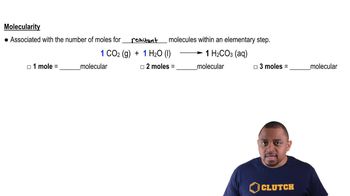
Molecularity in Reactions
Jules Bruno
More videos (3)
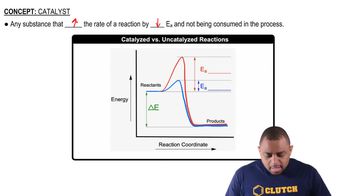
Catalyst Go to topic Catalyzed vs. Uncatalyzed Reactions
Jules Bruno
Catalyzed vs. Uncatalyzed Reactions Example
Jules Bruno
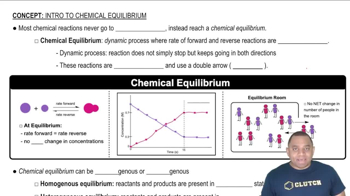
Intro to Chemical Equilibrium Go to topic Chemical Equilibrium Example
Jules Bruno
Chemical Equilibrium Concepts
Jules Bruno
Equilibrium Constant K Go to topic Equilibrium Constant K
Jules Bruno
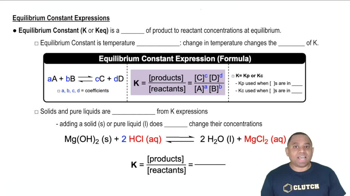
Equilibrium Constant Expressions
Jules Bruno
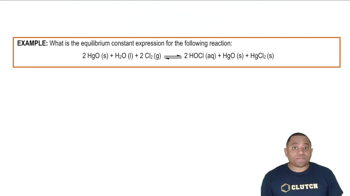
Equilibrium Constant Expressions Example
Jules Bruno
More videos (2)
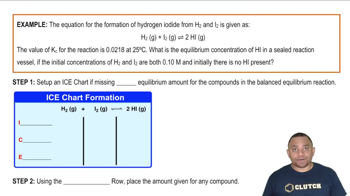
ICE Charts Go to topic Calculate Equilibrium Amount with ICE Chart Example
Jules Bruno
ICE Charts and Equilibrium Constant
Jules Bruno
ICE Charts and Equilibrium Amount
Jules Bruno
More videos (1)
Le Chatelier's Principle Go to topic Temperature and Equilibrium Shifts
Jules Bruno
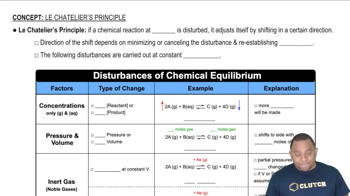
Le Chatelier's Principle
Jules Bruno
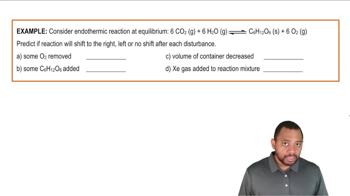
Disturbances and Equilibrium Shifts Example
Jules Bruno
More videos (1)
Acids Introduction Go to topic Acid Structure and Types
Jules Bruno
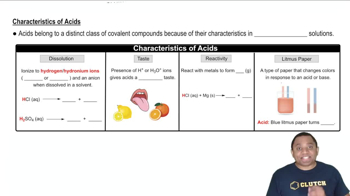
Acid Characteristics
Jules Bruno
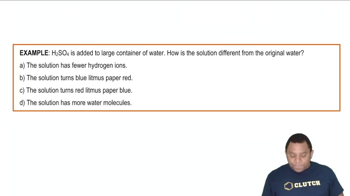
Acid Characteristics Example
Jules Bruno
More videos (1)
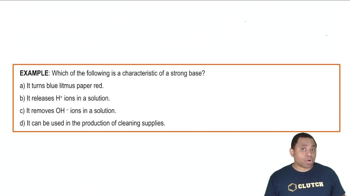
Bases Introduction Go to topic Strong Bases Example
Jules Bruno
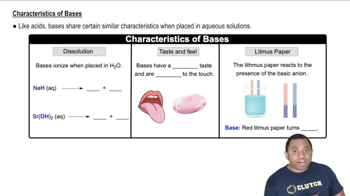
Base Properties
Jules Bruno
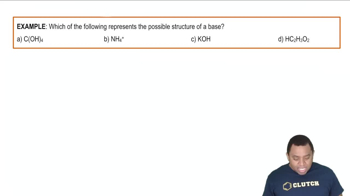
Base Structure Example
Jules Bruno
More videos (1)
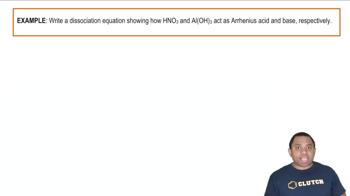
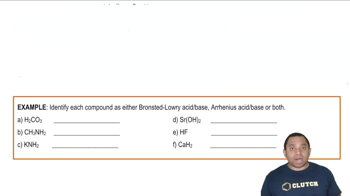
Arrhenius Acids and Bases Go to topic Acid-Base Dissociation Example
Jules Bruno
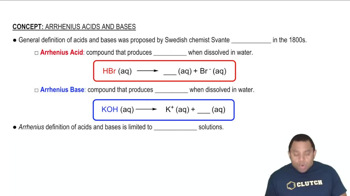
Arrhenius Acids and Bases
Jules Bruno
Bronsted-Lowry Acids and Bases Go to topic Acid-Base Classification Example
Jules Bruno
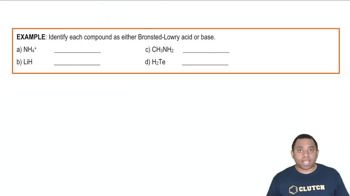
Bronsted-Lowry Acids and Bases Example
Jules Bruno
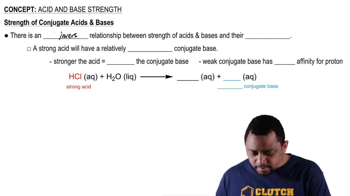
Strength of Conjugate Acids and Bases
Jules Bruno
More videos (6)
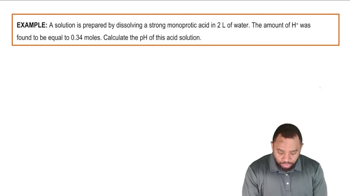
The pH Scale Go to topic pH Calculation Example
Jules Bruno
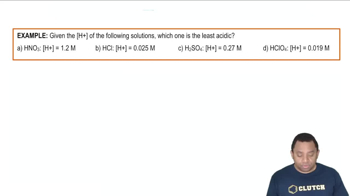
Least Acidic Solution Example
Jules Bruno
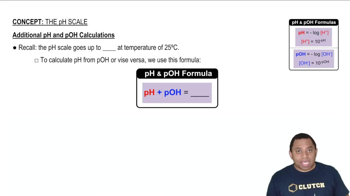
Additional pH and pOH Calculations
Jules Bruno
More videos (3)
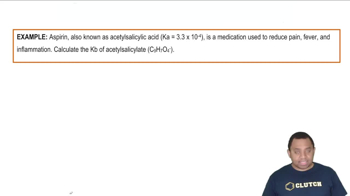
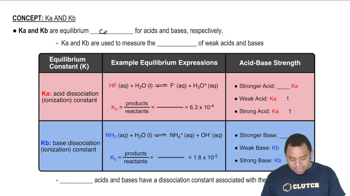
Ka and Kb Go to topic Ka and Kb Example
Jules Bruno
Characteristics of Ka and Kb
Jules Bruno
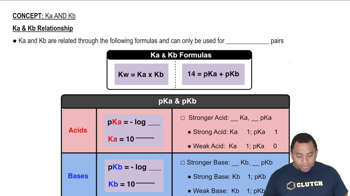
Ka and Kb Relationship
Jules Bruno
More videos (1)
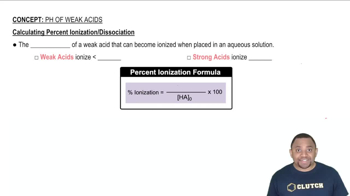
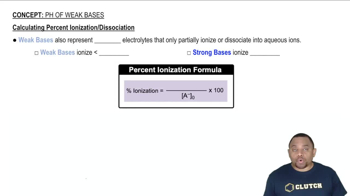
pH of Weak Acids Go to topic Calculating Percent Ionization of Weak Acids
Jules Bruno
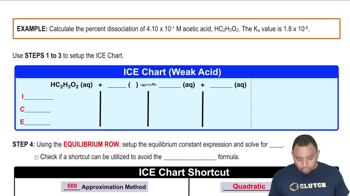
Percent Dissociation Example
Jules Bruno
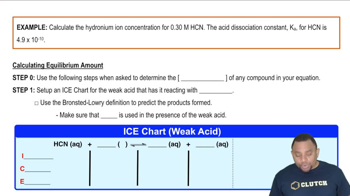
Hydronium Ion Concentration Example
Jules Bruno
More videos (2)
pH of Weak Bases Go to topic Calculating Percent Ionization of Weak Bases
Jules Bruno
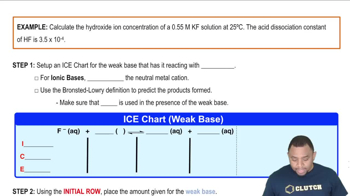
Hydroxide Ion Concentration Example
Jules Bruno
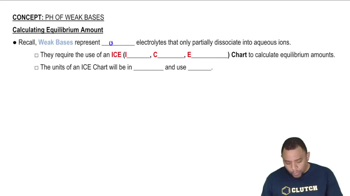
ICE Charts of Weak Bases
Jules Bruno
More videos (2)
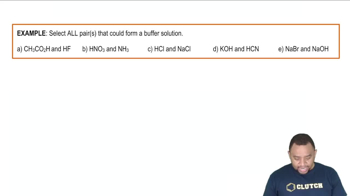
Intro to Buffers Go to topic Buffer Solution Example
Jules Bruno
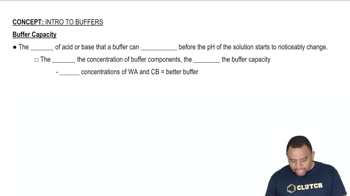
Buffer Capacity
Jules Bruno
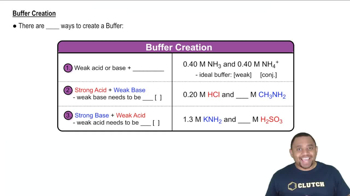
Buffer Creation Methods
Jules Bruno
More videos (4)
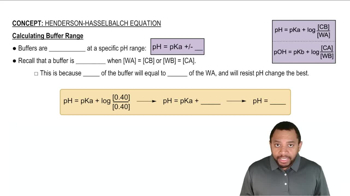
Henderson-Hasselbalch Equation Go to topic Buffer Range Calculation
Jules Bruno
Buffering Range Example
Jules Bruno
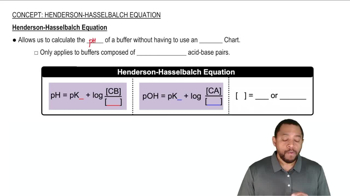
Henderson-Hasselbalch Equation
Jules Bruno
More videos (1)
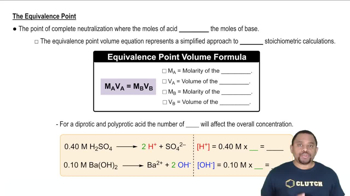
Intro to Acid-Base Titration Curves Go to topic Equivalence Point Example
Jules Bruno
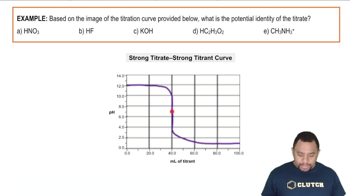
Acid-Base Titration Curve Example
Jules Bruno
Equivalence Point in Titration
Jules Bruno
More videos (2)
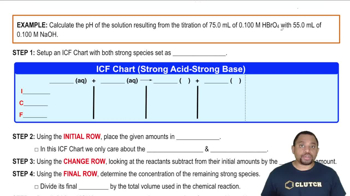
Titrations: Strong Acid-Strong Base Go to topic Strong Acid-Strong Base Titration Example
Jules Bruno
Strong Acid-Strong Base Titration
Jules Bruno
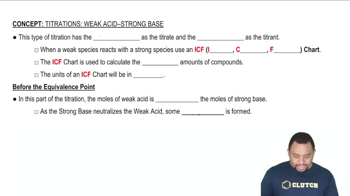
Titrations: Weak Acid-Strong Base Go to topic At the Equivalence Point
Jules Bruno
Before the Equivalence Point
Jules Bruno
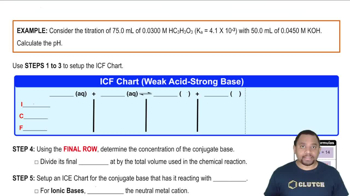
pH at the Equivalence Point Example
Jules Bruno
More videos (3)
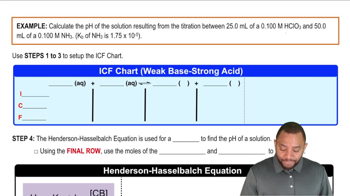
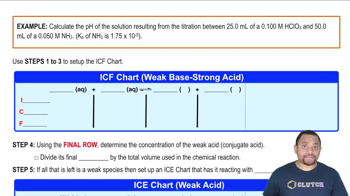
Titrations: Weak Base-Strong Acid Go to topic pH Before the Equivalence Point Example
Jules Bruno
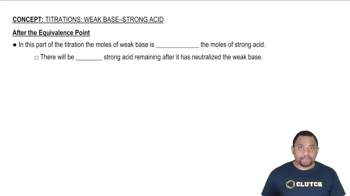
After the Equivalence Point
Jules Bruno
pH at the Equivalence Point Example
Jules Bruno
More videos (3)
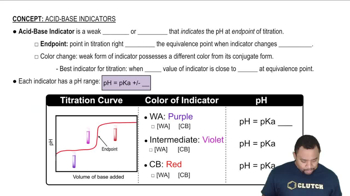
Acid-Base Indicators Go to topic Acid-Base Indicators
Jules Bruno
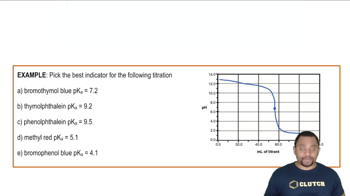
Best Indicator Example
Jules Bruno
Titrations: Diprotic & Polyprotic Buffers Go to topic Triprotic Buffer Titration Example
Jules Bruno
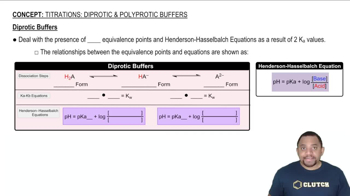
Diprotic Buffers
Jules Bruno
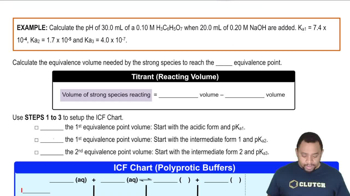
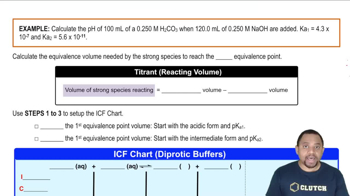
Diprotic Buffer Titration Example
Jules Bruno
More videos (1)  Back
 Curated lessons matched to your uploaded material – learn every topic step by step.
 01:59