Back

Electron Arrangements definitions

Control buttons has been changed to "navigation" mode.
1/12
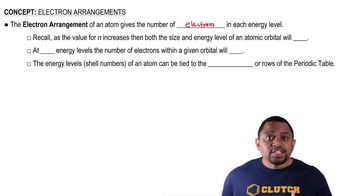
  • Electron Arrangement

    Distribution of negatively charged particles among energy levels within an atom, reflecting atomic structure and periodic trends.
  • Energy Level

    Specific region around a nucleus where electrons are likely to be found, each with a distinct energy and capacity.
  • Principal Quantum Number

    Numerical value indicating the main energy level of an electron, directly related to orbital size and energy.
  • Atomic Orbital

    Region within an energy level where there is a high probability of finding an electron, characterized by shape and energy.
  • Shell

    Grouping of orbitals with the same principal quantum number, representing a main energy level in an atom.
  • Period

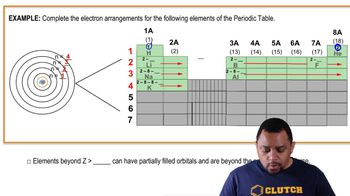
    Horizontal row in the periodic table, corresponding to the number of occupied energy levels in an atom.
  • Periodic Table

    Tabular arrangement of elements, organized by atomic number and recurring chemical properties, reflecting electron configurations.
  • Atomic Structure

    Organization of subatomic particles within an atom, including the arrangement of electrons in energy levels.
  • Electron Capacity

    Maximum number of electrons that can occupy a specific energy level or shell in an atom.
  • Energy Increase

    Phenomenon where higher principal quantum numbers correspond to greater energy and larger orbitals.
  • Row

    Sequence of elements in the periodic table sharing the same number of electron shells.
  • Subatomic Particle

    Constituent of atoms, such as electrons, which determine chemical behavior through their arrangement.