Ch. 10 Blood
Marieb - Essentials of Human Anatomy & Physiology 13th Edition
Marieb13th EditionEssentials of Human Anatomy & PhysiologyISBN: 9780135624340당신이 사용하는 게 아니라요?교과서 변경
10장, 문제 14

Name as many different categories of substances carried in plasma as you can.

검증된 단계별 안내
1
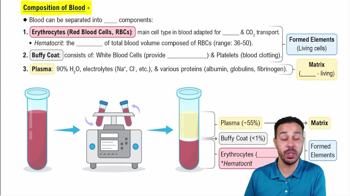
Understand that plasma is the liquid component of blood, making up about 55% of its total volume. It serves as a transport medium for various substances throughout the body.
Identify the major categories of substances carried in plasma, which include proteins such as albumin, globulins, and fibrinogen. These proteins play roles in maintaining osmotic pressure, immune responses, and blood clotting.
Recognize that plasma also carries nutrients like glucose, amino acids, fatty acids, and vitamins, which are essential for cellular metabolism and energy production.
Note that plasma transports waste products such as urea, creatinine, and bilirubin, which are destined for excretion by the kidneys or liver.
Include other categories such as electrolytes (e.g., sodium, potassium, calcium, chloride), hormones, gases (e.g., oxygen and carbon dioxide), and water, which are vital for maintaining homeostasis and physiological functions.

비슷한 문제에 대한 검증된 영상 답변:

이 영상 해법은 위 문제에 도움이 된다고 튜터들이 추천한 것입니다.
영상 길이:
2m
도움이 되었나요?

주요 개념

질문에 올바르게 답하기 위해 반드시 이해해야 하는 핵심 개념들은 다음과 같습니다.

Plasma Composition

Plasma is the liquid component of blood, making up about 55% of its total volume. It consists primarily of water, electrolytes, proteins, hormones, nutrients, and waste products. Understanding plasma composition is essential for identifying the various substances it carries, which play critical roles in bodily functions.
추천 영상:
가이드 코스
7:49
Composition of Blood

Proteins in Plasma

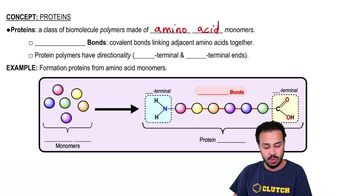
Plasma proteins, such as albumin, globulins, and fibrinogen, are vital for maintaining osmotic pressure, immune responses, and blood clotting. Each type of protein has specific functions, and their concentrations can indicate various health conditions. Recognizing these proteins helps in understanding the overall functionality of plasma.
추천 영상:

Electrolytes and Nutrients

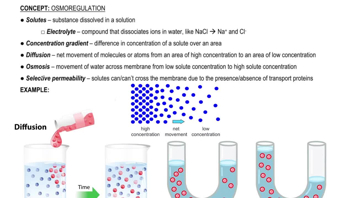
Electrolytes, including sodium, potassium, calcium, and bicarbonate, are essential for maintaining fluid balance, nerve function, and muscle contraction. Additionally, plasma carries nutrients like glucose, amino acids, and lipids, which are crucial for energy production and cellular function. Identifying these substances is key to understanding plasma's role in homeostasis.
추천 영상:
가이드 코스
07:59
Osmosis and Osmolarity