뒤로
뒤로
문제 2
Show the transition state of each step of the following alkene addition reaction. Be sure to indicate whether the transition state in each is reactant-like or product-like.
문제 3
Using the bond-dissociation energies in Table 5.6 (see Section 5.3.1), estimate the equilibrium constant of the following reaction at 298 K.
문제 5
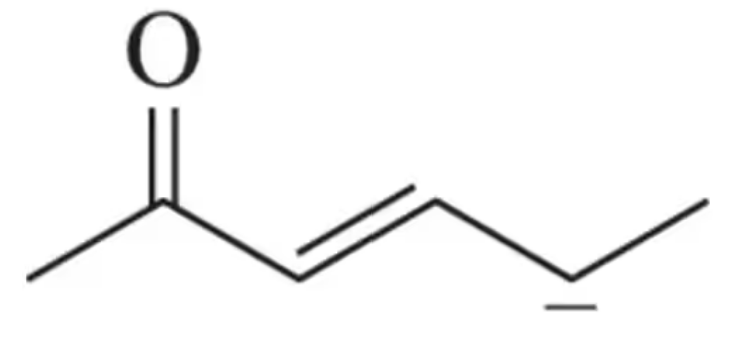
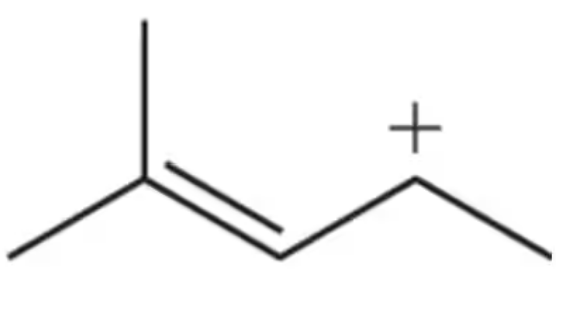
Draw all resonance structures of the following carbanion and carbocation.
(a)
(b)
문제 6b
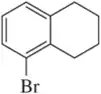
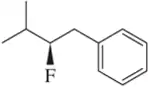
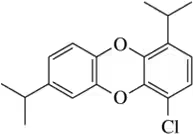
Identify the following halogen-containing compounds as a haloalkane, haloalkene, or haloarene.
(b)
문제 6c
Identify the following halogen-containing compounds as a haloalkane, haloalkene, or haloarene.
(c)
문제 6d
Identify the following halogen-containing compounds as a haloalkane, haloalkene, or haloarene.
(d)
문제 6e
Identify the following halogen-containing compounds as a haloalkane, haloalkene, or haloarene.
(e)
문제 6f
Identify the following halogen-containing compounds as a haloalkane, haloalkene, or haloarene.
(f)
문제 7.20a,c
Suppose you intend to synthesize the secondary alkyl halide from each reaction shown.
(a) What is the atom economy of each reaction?
(c) Which reaction would you consider greener? Why?
문제 8a
From the IUPAC name, draw the corresponding structure.
(a) (R)-6-iodo-3-isopropylnon-1-ene
문제 8b
From the IUPAC name, draw the corresponding structure.
(b) (1R,2S)-1-chloro-2-methylcyclobutane
문제 9a
Classify the following molecules as hydrophilic, hydrophobic, lipophilic, or lipophobic. Each molecule should have two classifications.
(a)
문제 9b
Classify the following molecules as hydrophilic, hydrophobic, lipophilic, or lipophobic. Each molecule should have two classifications.
(b)
문제 9d
Classify the following molecules as hydrophilic, hydrophobic, lipophilic, or lipophobic. Each molecule should have two classifications.
(d)
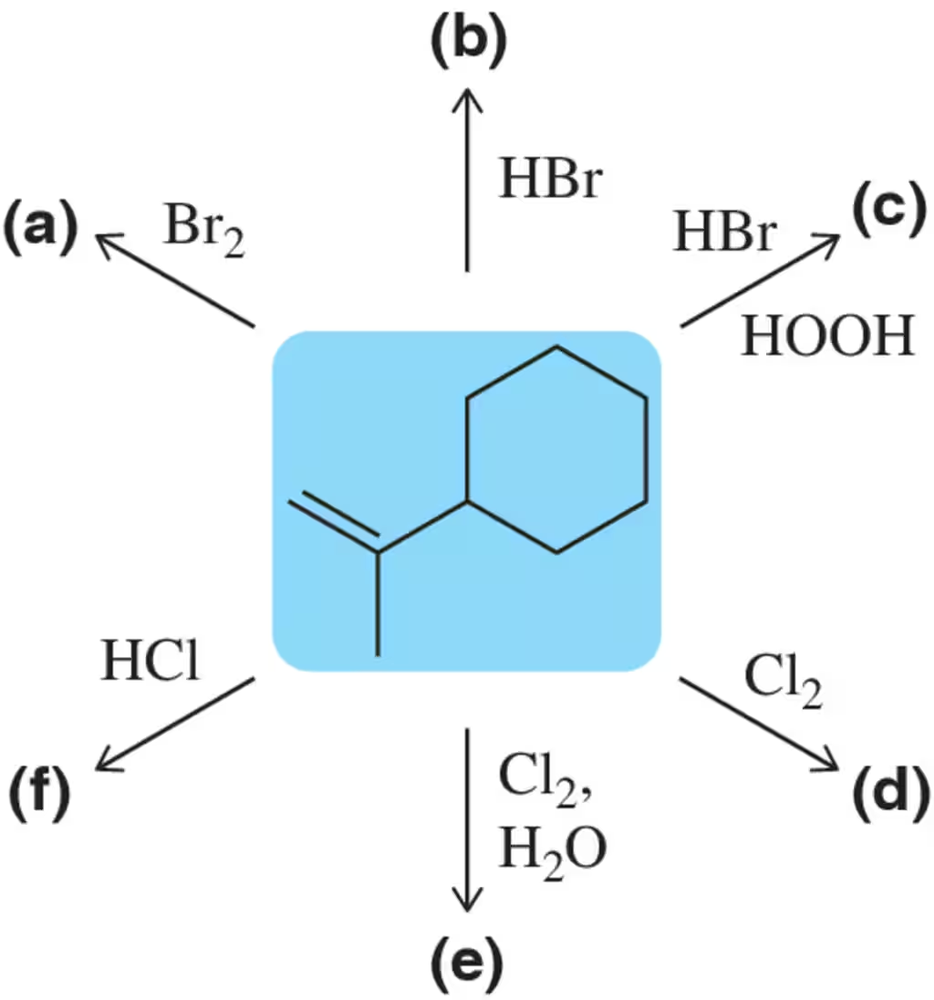
문제 10a
Predict the product of the following haloalkane syntheses.
(a)
문제 10c
Predict the product of the following haloalkane syntheses.
(c) HBr↗HOOH
문제 10e
Predict the product of the following haloalkane syntheses.
(e)
문제 11
Specify the conditions that would allow the synthesis of the 1° and 3° bromoalkanes from the same starting alkene.
문제 11.17
The most stable intermediate forms first. Explain this statement by showing a reaction coordinate diagram for the formation of a 3° carbocation over a 2° carbocation in the following alkene addition reaction.
문제 12
Halohydrin formation is a stereospecific reaction. Identify the products of halohydrin formation of the following diastereomeric alkenes to demonstrate this stereospecificity.
문제 14
Provide a mechanism for the chlorination of cyclohexane. Be sure to include initiation, propagation, and three possible termination steps.
문제 15
A radical reaction, as it progressed through its propagation steps, involved the following radical species. Suggest which products might form in all possible termination steps (six products are possible).
문제 16a
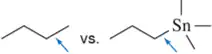
Based on the stability of the radicals produced, predict which bond in each pair would have the higher bond-dissociation energy.
(a)
문제 16b
Based on the stability of the radicals produced, predict which bond in each pair would have the higher bond-dissociation energy.
(b)
문제 16c
Based on the stability of the radicals produced, predict which bond in each pair would have the higher bond-dissociation energy.
(c)
문제 16d
Based on the stability of the radicals produced, predict which bond in each pair would have the higher bond-dissociation energy.
(d)
문제 18a
Using the bond-dissociation energies in Table 5.6,
(a) predict whether or not a fluorine radical would be selective for forming a single radical from propane.
문제 18b
Using the bond-dissociation energies in Table 5.6,
(b) Will the transition state be reactant-like or product-like? Explain your answer.
문제 19a
Using the bond-dissociation energies in Table 5.6,
(a) predict whether or not an iodine radical would be selective for forming a single radical propane.
문제 20a
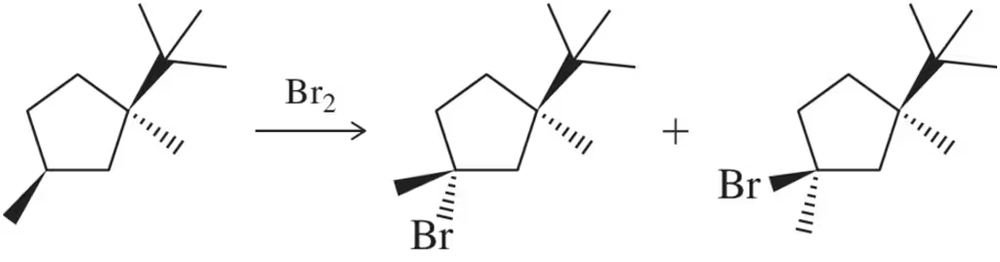
When (1R,3S)-1-tert-butyl-1,3-dimethylcyclopentane is halogenated, one stereoisomer is produced in excess.
(a) Predict the identity of the major stereoisomer