뒤로
뒤로
문제 38c
Show how you would convert the following starting materials to the indicated nitriles:
(c) p-chloronitrobenzene → p-chlorobenzonitrile
문제 39a
Show how each transformation may be accomplished by using a nitrile as an intermediate. You may use any necessary reagents.
(a) hexan-1-ol → heptan-1-amine
문제 39b
Show how each transformation may be accomplished by using a nitrile as an intermediate. You may use any necessary reagents.
(b) cyclohexanecarboxamide → cyclohexyl ethyl ketone
문제 39c
Show how each transformation may be accomplished by using a nitrile as an intermediate. You may use any necessary reagents.
(c) octan-1-ol → decan-2-one
문제 40
Propose a mechanism for the reaction of methyl isocyanate with 1-naphthol to give Sevin® insecticide.
문제 41a,b,c(ii)
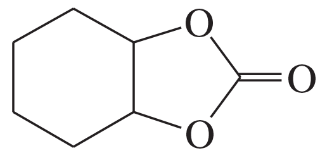
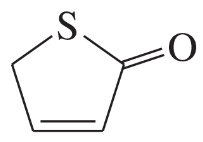
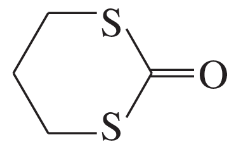
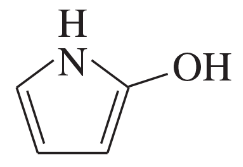
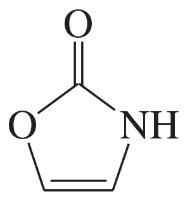
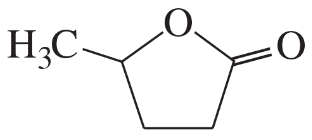
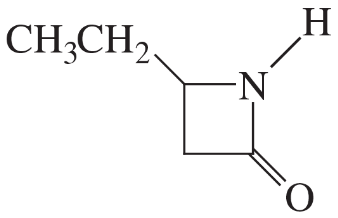
For each heterocyclic compound,
(ii) show what compounds would result from complete hydrolysis.
(a)
(b)
(c)
문제 41a,b,c(iii)
For each heterocyclic compound,
(iii) are any of the rings aromatic? Explain.
(a)
(b)
(c)
문제 41a,b,c(i)
For each heterocyclic compound,
(i) explain what type of acid derivative is present.
(a)
(b)
(c)
문제 41d
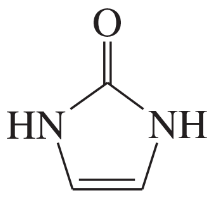
For each heterocyclic compound,
(i) explain what type of acid derivative is present.
(ii) show what compounds would result from complete hydrolysis.
(iii) are any of the rings aromatic? Explain.
(d)
문제 41e
For each heterocyclic compound,
(i) explain what type of acid derivative is present.
(ii) show what compounds would result from complete hydrolysis.
(iii) are any of the rings aromatic? Explain.
(e)
문제 41f
For each heterocyclic compound,
(i) explain what type of acid derivative is present.
(ii) show what compounds would result from complete hydrolysis.
(iii) are any of the rings aromatic? Explain.
(f)
문제 42a,b,c
Draw structures to correspond with the following common and systematic names:
(a) phenyl formate
(b) cyclohexyl benzoate
(c) cyclopentyl phenylacetate
문제 42d,e
Draw structures to correspond with the following common and systematic names:
(d) N-butylacetamide
(e) N,N-dimethylformamide
문제 42f,g
Draw structures to correspond with the following common and systematic names:
(f) benzoic propionic anhydride
(g) benzamide
문제 42h
Draw structures to correspond with the following common and systematic names:
(h) γ-hydroxyvaleronitrile
문제 42k,l
Draw structures to correspond with the following common and systematic names:
(k) phenyl isocyanate
(l) cyclobutyl ethyl carbonate
문제 42m
Draw structures to correspond with the following common and systematic names:
(m) δ-caprolactam
문제 42n,o
Draw structures to correspond with the following common and systematic names:
(n) trichloroacetic anhydride
(o) ethyl N-methyl carbamate
문제 43a,b
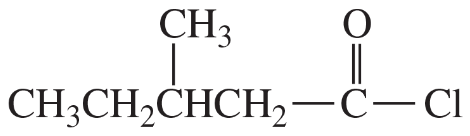
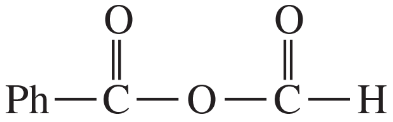
Give appropriate names for the following compounds:
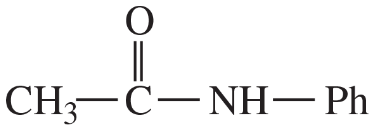
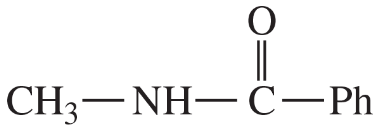
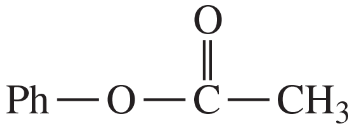
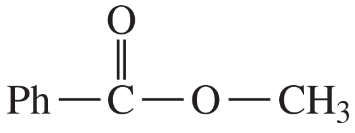
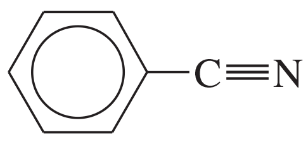
(a)
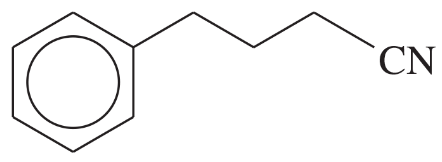
(b)
문제 43c,d
Give appropriate names for the following compounds:
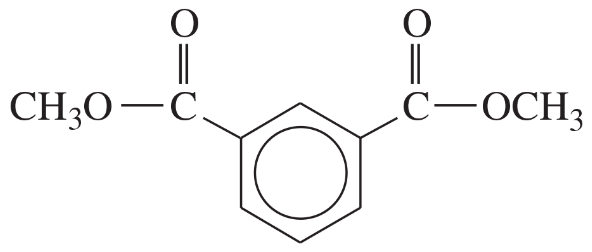
(c)
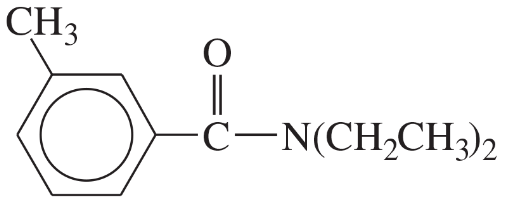
(d)
문제 43e,f
Give appropriate names for the following compounds:
(e)
(f)
문제 43g,h
Give appropriate names for the following compounds:
(g)
(h)
문제 43i,j
Give appropriate names for the following compounds:
(i)
(j)
문제 43k,l
Give appropriate names for the following compounds:
(k)
(l)
문제 44a,b,c
Predict the major products formed when benzoyl chloride (PhCOCl) reacts with the following reagents.
(a) ethanol
(b) sodium acetate
(c) aniline
문제 44d,e,f
Predict the major products formed when benzoyl chloride (PhCOCl) reacts with the following reagents.
(d) anisole and aluminum chloride
(e) excess phenylmagnesium bromide, then dilute acid
(f) LiAlH(O-t-Bu)3
문제 45a,b,c
Predict the products of the following reactions.
(a) phenol + acetic anhydride
(b) phenol + acetic formic anhydride
(c) aniline + phthalic anhydride
문제 45d
Predict the products of the following reactions.
(d) anisole + succinic anhydride and aluminum chloride
문제 45e,f
Predict the products of the following reactions.
(e)
(f)
문제 46
Acid-catalyzed transesterification and Fischer esterification take place by nearly identical mechanisms. Transesterification can also take place by a base-catalyzed mechanism, but all attempts at base-catalyzed Fischer esterification (using –OR″, for example) seem doomed to failure. Explain why Fischer esterification cannot be catalyzed by base.