Back

Importance of Microorganisms definitions

Control buttons has been changed to "navigation" mode.
1/15
  • Microorganisms

    Microscopic living entities essential for life, impacting health, environment, industry, and scientific research.
  • Human Microbiota

    Trillions of microbes residing on and within humans, crucial for health maintenance and pathogen defense.
  • Pathogens

    Disease-causing microbes capable of harming humans, including bacteria, fungi, protozoa, and viruses.
  • Antibiotics

    Microbe-derived substances used to inhibit or destroy harmful bacteria, vital in treating bacterial infections.
  • Biofuels

    Energy sources produced by microbial activity, offering renewable alternatives for powering vehicles.
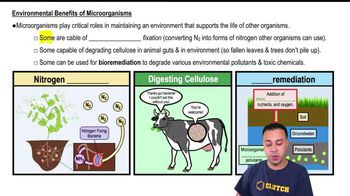
  • Nitrogen Fixation

    Conversion of atmospheric nitrogen into usable forms like ammonia by certain bacteria, supporting plant growth.
  • Cellulose Degradation

    Breakdown of plant polysaccharides by microbes, enabling digestion in animals and decomposition in nature.
  • Bioremediation

    Use of microbes to detoxify and degrade environmental pollutants, restoring contaminated sites.
  • Model Organisms

    Nonhuman species, often microbes, studied to gain insights into biological processes relevant to other organisms.
  • Normal Flora

    Microbial population naturally inhabiting the human body, supporting health and outcompeting pathogens.
  • Food Production

    Industrial use of microbes to create consumables like bread, beer, yogurt, and cheese.
  • Dietary Supplements

    Nutritional products enhanced or produced by microbes to support human health.
  • Insecticides

    Microbe-derived agents used to protect crops by targeting and controlling insect pests.
  • Plastics

    Synthetic materials whose production can involve microbial processes, offering alternatives to traditional methods.
  • Human Microbiome Project

    Coordinated research initiative using advanced technology to characterize microbes inhabiting humans.