Back

Introduction to Bacterial Plasmids definitions

Control buttons has been changed to "navigation" mode.
1/12
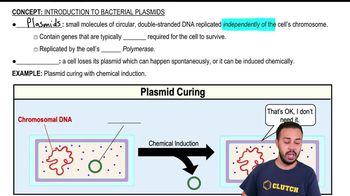
  • Plasmid

    Small, circular double-stranded DNA molecule in bacteria, capable of independent replication and often carrying non-essential genes.
  • Chromosomal DNA

    Main genetic material of a bacterial cell, typically depicted in red, essential for cell survival and replication.
  • Antibiotic Resistance

    Trait encoded by certain genes on plasmids, enabling bacteria to survive exposure to specific antimicrobial agents.
  • Plasmid Curing

    Process resulting in the loss of a plasmid from a bacterial cell, which can occur naturally or be chemically induced.
  • Chemical Induction

    Method used by scientists to trigger the removal of plasmids from bacterial cells, facilitating plasmid curing.
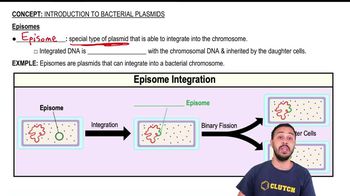
  • Episome

    Specialized plasmid capable of integrating into the bacterial chromosome, allowing coordinated replication and inheritance.
  • Integration

    Event where an episome becomes embedded within the bacterial chromosomal DNA, ensuring its replication with the chromosome.
  • Binary Fission

    Asexual reproduction process in bacteria, resulting in two daughter cells each inheriting chromosomal and integrated episomal DNA.
  • Daughter Cell

    Product of bacterial cell division, inheriting genetic material including any integrated episomes from the parent cell.
  • DNA Polymerase

    Enzyme responsible for replicating both chromosomal and plasmid DNA within bacterial cells.
  • Double-Stranded DNA

    Molecular structure of both plasmids and bacterial chromosomes, consisting of two complementary nucleotide chains.
  • Non-Essential Genes

    Genetic sequences often found on plasmids, not required for basic survival but may confer advantageous traits.