 Back
BackApplied Microbiology: Harnessing Microbes for Agriculture, Food, and Environmental Solutions
Study Guide - Smart Notes
 Tailored notes based on your materials, expanded with key definitions, examples, and context.
Applied Microbiology
Introduction to Applied Microbiology
Applied microbiology involves the practical use of microorganisms in various industries to benefit society. This field encompasses the use of microbes in agriculture, food production, environmental management, biotechnology, and pharmaceuticals.
Agricultural Industry: Utilizes microbes for biopesticides and bioaugmentation to enhance crop yield and soil fertility.
Food Industry: Employs fermentation and other microbial processes to produce and preserve foods.
Environmental Microbiology: Applies microbes for wastewater treatment and bioremediation of pollutants.
Biotechnology & Pharmaceuticals: Uses microbes for the production of drugs, enzymes, and genetically engineered organisms.
Agricultural Applications of Microbes
Biopesticides
Biopesticides are microbial agents used to control plant diseases caused by fungi, bacteria, and viruses. They are preferred over chemical pesticides due to their specificity, environmental safety, and reduced risk of resistance development.
Advantages: Target-specific, biodegradable, and less harmful to non-target organisms and the environment.
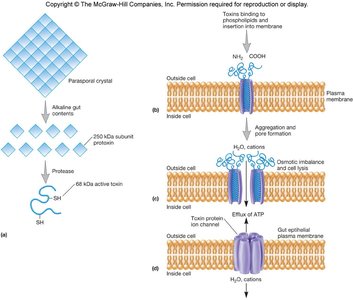
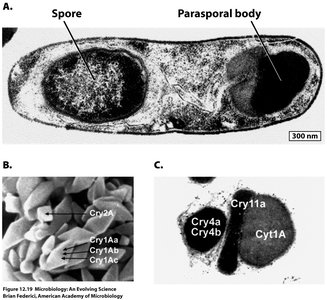
Example: Bacillus thuringiensis (Bt) is a widely used biopesticide that produces toxins lethal to certain insect larvae.
Nitrogen-Fixing Bacteria
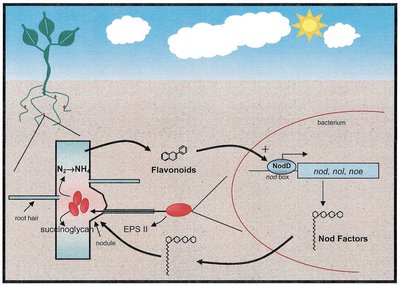
Nitrogen-fixing bacteria, such as Rhizobium species, form symbiotic relationships with legumes, converting atmospheric nitrogen (N2) into ammonia (NH3), which plants can use for growth. This process increases soil fertility and crop yield.
Symbiosis: Legumes provide carbohydrates to bacteria, while bacteria supply fixed nitrogen to plants.
Crop Rotation: The introduction of legumes in crop rotation, as promoted by George Washington Carver, enhances soil health and productivity.


Microbes in the Food Industry
Fermentation
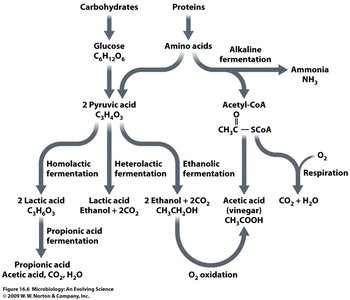
Fermentation is a metabolic process in which microbes convert carbohydrates into alcohol, acids, or gases under anaerobic conditions. This process is essential for the production of various foods and beverages.
Key Products: Cheese, bread, yogurt, chocolate, and alcoholic beverages.
Microbial Roles: Yeasts, lactic acid bacteria, and other microbes drive fermentation, contributing to flavor, texture, and preservation.


Microbes and Chocolate Production
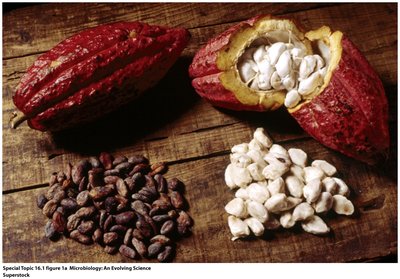
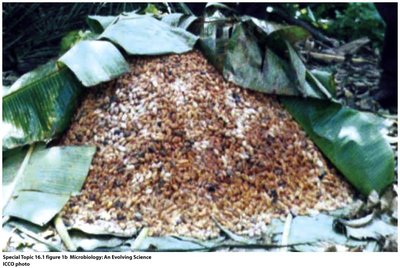
Microbes are essential for the fermentation of cacao beans, a critical step in chocolate production. Without microbial fermentation, the characteristic flavors and aromas of chocolate would not develop.
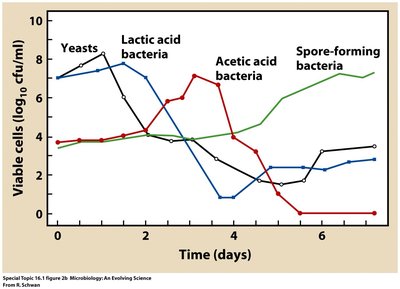
Fermentation Process: Involves yeasts, lactic acid bacteria, and acetic acid bacteria, which sequentially break down the pulp and initiate flavor development.
Stages: Yeasts dominate early, followed by lactic acid and acetic acid bacteria, and finally spore-forming bacteria.
Environmental Microbiology
Wastewater Treatment
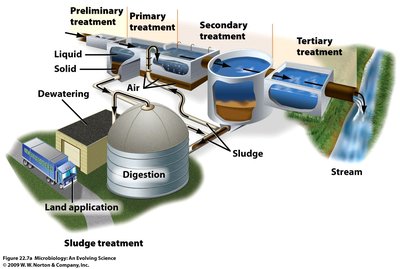
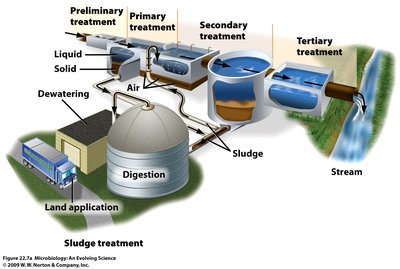
Microbes play a central role in wastewater treatment, where they degrade organic matter and remove contaminants from sewage before it is released into natural waterways. This process protects public health and the environment.
Stages: Preliminary, primary, secondary, and tertiary treatments, each involving different microbial and physical processes.
Microbial Activities: Aerobic and anaerobic microbes metabolize organic pollutants, reducing biochemical oxygen demand (BOD).
Bioremediation
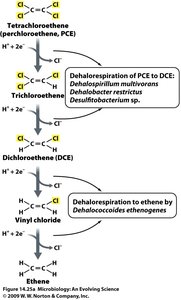
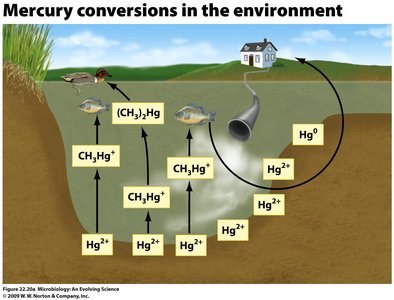
Bioremediation uses microbes to degrade or detoxify environmental pollutants, such as chlorinated compounds, heavy metals, and radioactive materials. This approach is crucial for cleaning up contaminated sites (e.g., Superfund sites).
Reductive Dehalogenation: Specialized bacteria remove halogen atoms from toxic compounds, rendering them less harmful.
Heavy Metal Decontamination: Microbes can transform toxic mercury species into less toxic forms, reducing environmental and health risks.
Genetically Engineered Microbes: Organisms like Deinococcus radiodurans are engineered for enhanced resistance and pollutant degradation, especially in radioactive environments.
Summary Table: Applications of Microbes
Application Area | Microbial Role | Example Microbe | Benefit |
|---|---|---|---|
Agriculture | Biopesticide production | Bacillus thuringiensis | Controls insect pests |
Agriculture | Nitrogen fixation | Rhizobium spp. | Increases soil fertility |
Food Industry | Fermentation | Yeasts, lactic acid bacteria | Produces cheese, bread, chocolate |
Environment | Wastewater treatment | Various bacteria | Removes organic pollutants |
Environment | Bioremediation | Dehalorespiring bacteria, Deinococcus radiodurans | Degrades toxic compounds |
Key Terms and Concepts
Biopesticide: A biological agent used to control pests, derived from natural materials such as bacteria, fungi, or viruses.
Bioaugmentation: The addition of specific strains of microbes to enhance the degradation of contaminants.
Fermentation: Microbial metabolism that converts sugars to acids, gases, or alcohol in the absence of oxygen.
Bioremediation: The use of living organisms to remove or neutralize pollutants from a contaminated site.
Reductive Dehalogenation: Microbial process of removing halogen atoms from organic compounds, often used in pollutant degradation.
Symbiosis: A close and long-term biological interaction between two different biological organisms.
