 Back
BackCardiovascular and Lymphatic Infections: Microbiology Study Guide
Study Guide - Smart Notes
 Tailored notes based on your materials, expanded with key definitions, examples, and context.
Cardiovascular and Lymphatic Infections
Systemic Infections Overview
The cardiovascular and lymphatic systems are essential for distributing nutrients, gases, and immune cells throughout the body. Infections in these systems are termed systemic infections because they can affect the entire body, often originating from localized sites and spreading via blood or lymph.
Cardiovascular system: Includes the heart and blood vessels (arteries, veins, capillaries).
Lymphatic system: Consists of lymph, lymphatic vessels, lymph nodes, and associated organs.
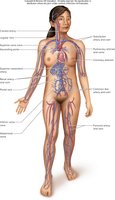
The Cardiovascular System
Anatomy and Function
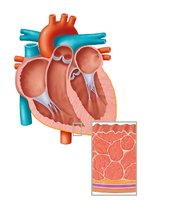
The heart is a four-chambered muscular organ responsible for pumping blood through a closed circuit of vessels. The chambers are divided into:
Upper chambers: Right atrium, Left atrium
Lower chambers: Right ventricle, Left ventricle
Blood flows through arteries, veins, and capillaries, ensuring oxygen and nutrients reach tissues while waste products are removed.
Layers of the heart: Endocardium (innermost), Myocardium (muscular middle), Pericardium (outermost, with pericardial fluid for lubrication)
The Lymphatic System
Structure and Function
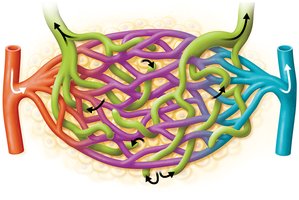
The lymphatic system collects excess fluid (lymph) from tissues and returns it to the bloodstream. It also plays a critical role in immune defense by filtering pathogens through lymph nodes and other lymphatic tissues.
Lymph: Plasma that has diffused out of capillaries into tissues.
Lymphatic vessels: Drain lymph from tissues, shuttle it to lymph nodes or MALT (mucosa-associated lymphoid tissue), and return it to venous blood.
Edema: Swelling caused by accumulation of lymph in tissues.
Defenses of the Cardiovascular and Lymphatic Systems
These systems are highly protected by immune cells and organs:
Leukocytes, lymphocytes, phagocytes: Circulate in blood and lymph to detect and destroy pathogens.
Lymphatic filtering organs: Spleen, lymph nodes (clusters at groin, neck, armpit, intestines).
Antibodies: Circulate to neutralize pathogens.
Normal Biota
The cardiovascular and lymphatic systems are considered "closed systems" with no normal microbiota. Microorganisms may be present transiently but do not colonize these systems under healthy conditions.
No evidence for a common blood microbiome.
Sepsis: A Life-Threatening Immune Response
Definition and Pathogenesis
Sepsis is not an infection itself but a potentially deadly syndrome caused by an overwhelming immune response to infection or toxins. It can progress to septic shock, resulting in dangerously low blood pressure, tissue necrosis, and organ failure.
Common sources: Lung and kidney infections are most likely to spread to the blood and cause sepsis.
Symptoms: Diarrhea, vomiting, pale skin, sleepiness, decreased urine output, confusion, lymphangitis.
Diagnosis: Sequential Organ Failure Assessment (SOFA) score; higher scores indicate worse prognosis.
Treatment: Reduce inflammation, regulate temperature, stabilize blood pressure, increase oxygen, intravenous antimicrobials, life support if needed.
Major Diseases of the Cardiovascular and Lymphatic Systems
Viral Infections
Epstein-Barr Virus (EBV) and Mononucleosis
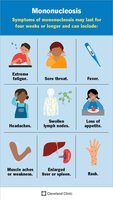
The Epstein–Barr virus (EBV) causes infectious mononucleosis, also known as "the kissing disease." EBV infects B cells, establishing latency. Over 90% of the global population has been exposed to EBV.
Transmission: Saliva, blood transfusion, sexual contact, sharing personal items.
Symptoms: Range from asymptomatic to severe (sore throat, fever, body aches, lymphadenopathy).
Prevention/Treatment: Symptomatic relief; teens and young adults are at highest risk for symptomatic mono.
Burkitt’s Lymphoma
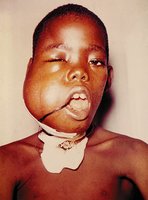
Burkitt’s lymphoma is a cancer of the lymphatic system, often a complication of EBV infection. It is most common in children in malaria-endemic regions and presents as tumors in the jaw or facial bones.
Human Immunodeficiency Virus (HIV) and AIDS
HIV causes acquired immune deficiency syndrome (AIDS) by infecting and destroying CD4+ T cells. The virus uses reverse transcriptase to integrate into the host genome as a provirus.
Transmission: Sexual contact, injection drug use, blood products, perinatal, breast milk.
Stages of infection:
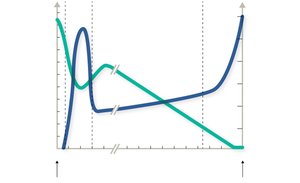
Acute HIV infection: Flu-like symptoms, high viral load.
Clinically asymptomatic stage: No symptoms, ongoing viral replication (months to years).
AIDS: CD4+ T cell count drops below 200 cells/mm3, leading to opportunistic infections and cancers.
Treatment: Antiretroviral therapy (ART) with 3+ drugs.
Prevention: Condoms, PrEP, PEP.

Bacterial Infections
Bacterial Endocarditis
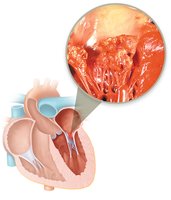
Endocarditis is inflammation of the endocardium (inner heart lining), usually caused by bacteria such as Streptococcus species and Staphylococcus aureus. It is most common in individuals with damaged or artificial heart valves.
Transmission: Bacteria enter the bloodstream from infected gums, skin abscesses, UTIs, or catheters.
Mechanism: Bacteria attach to and colonize heart tissue, causing inflammation.
Symptoms: Fever, anemia, abnormal heartbeat, heart attack symptoms, shortness of breath, chills, Janeway lesions.
Types: Acute (sudden, severe) and subacute (gradual onset).
Treatment: Intravenous vancomycin or teicoplanin with gentamicin; untreated cases are fatal.
Prevention: Prophylactic antibiotics for at-risk patients during dental/surgical procedures.
Lyme Disease
Lyme disease is caused by the spirochete Borrelia burgdorferi, transmitted by the bite of Ixodes scapularis (deer tick). It is endemic in North America, Europe, and Asia.
Virulence: Immune evasion by switching surface antigens.
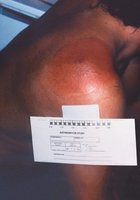
Symptoms: Early sign is a bull’s eye rash (erythema migrans), fever, headache, stiff neck, fatigue.
Complications: Untreated cases can lead to facial palsy, cardiac issues, and chronic arthritis.
Treatment: Doxycycline and/or amoxicillin for 3–4 weeks.
Prevention: Protective clothing, insect repellent (DEET), tick checks.
Protozoan Infections
Malaria
Malaria is caused by Plasmodium species (notably P. falciparum, the most deadly). It is transmitted by the bite of infected female Anopheles mosquitoes, and less commonly by blood transfusion or shared needles.
Virulence: Antigenic variation allows evasion of the immune system.
Symptoms: Malaise, fatigue, aches, cyclical fever, chills, and sweats every 48–72 hours (due to RBC rupture).
Complications: Hemolytic anemia, organ enlargement, cerebral malaria.
Treatment: Artemisinin-based combination therapy (ACT).
Prevention: Mosquito control, bed nets, prophylactic drugs, and vaccines for children.
Plasmodium Life Cycle
The Plasmodium life cycle involves two hosts and two main phases:
Asexual phase (human): Mosquito injects sporozoites, which travel to the liver and multiply (schizogony), producing merozoites. Merozoites infect RBCs, develop into trophozoites, and produce more merozoites.
Sexual phase (mosquito): Some merozoites become gametocytes, which are taken up by a mosquito. Sexual reproduction occurs in the mosquito gut, producing new sporozoites.
