 Back
Cell Structure and Function in Microbiology: Prokaryotes, Eukaryotes, and Viruses
Study Guide - Smart Notes
 Tailored notes based on your materials, expanded with key definitions, examples, and context.
Introduction to Microbiology
Definition and Scope
Microbiology is the study of microscopic organisms, including bacteria, archaea, viruses, fungi, protozoa, and algae. These organisms play essential roles in ecosystems, human health, and disease. The field covers their structure, function, growth, genetics, and interactions with hosts and environments.
Organization of the Microbial World
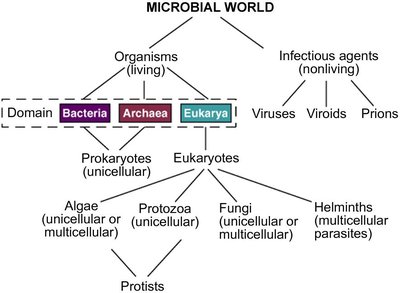
Classification of Microbes
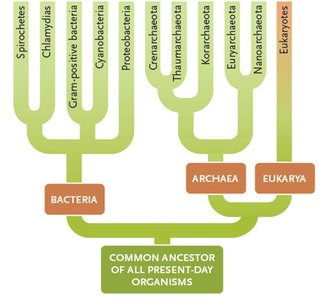
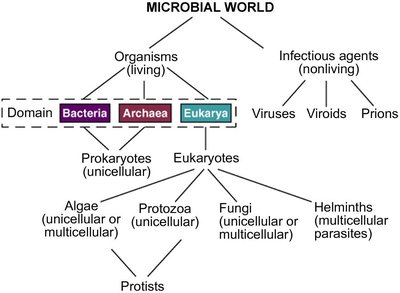
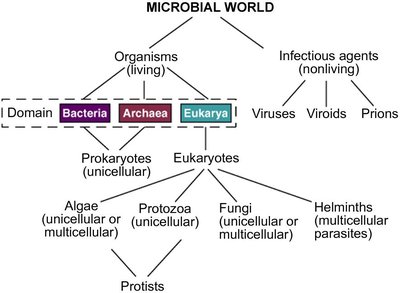
Prokaryotes: Unicellular organisms lacking a nucleus, including Bacteria and Archaea.
Eukaryotes: Organisms with a true nucleus and membrane-bound organelles, including Algae, Protozoa, Fungi, and multicellular parasites (helminths).
Viruses, Viroids, and Prions: Acellular infectious agents, not classified as living organisms.
General Characteristics of Microbial Groups
Prokaryotes: Bacteria and Archaea
Bacteria: Ubiquitous, often pathogenic, reproduce asexually, cell walls contain peptidoglycan.
Archaea: Found in extreme environments, rarely pathogenic, cell walls lack peptidoglycan, unique membrane lipids.
Algae
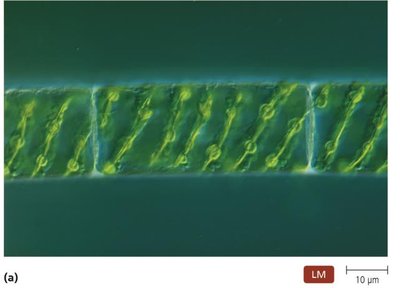
Unicellular or multicellular, photosynthetic eukaryotes.
Categorized by pigmentation, storage products, and cell wall composition.
Examples: Spirogyra (filamentous green alga), diatoms (silica cell walls).
Protozoa
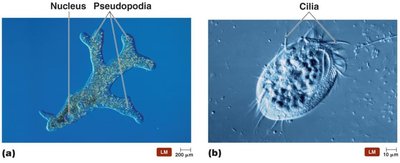
Single-celled eukaryotes, similar to animals in nutrient needs and structure.
Reproduce sexually and asexually.
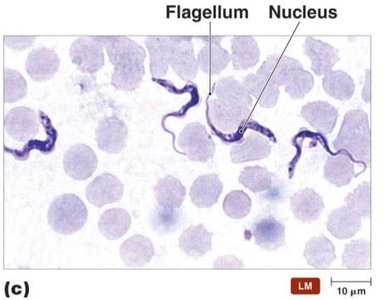
Classified by locomotion: pseudopodia, cilia, or flagella.
Fungi
Eukaryotic, obtain food from other organisms, possess cell walls.
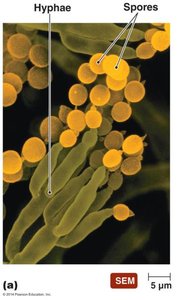
Molds: Multicellular, filamentous, reproduce by spores (e.g., Penicillium).
Yeasts: Unicellular, reproduce by budding or spores (e.g., Saccharomyces).
Parasites
Can be unicellular (protists) or multicellular (helminths).
Immature stages are often microscopic; active forms require a host.
Viruses
Acellular, obligate intracellular parasites.
Composed of genetic material (DNA or RNA) surrounded by a protein and/or lipid coat.
Too small to be seen with light microscopy.
Cell Structure and Function
Basic Life Processes
Growth: Increase in size.
Reproduction: Increase in number.
Responsiveness: Reacting to environmental stimuli.
Metabolism: Controlled chemical reactions.
Cellular Structure: Membrane-bound structure capable of all above functions.
Prokaryotic vs. Eukaryotic Cells
Prokaryotes: Lack nucleus and membrane-bound organelles, small (~1 µm), simple structure.
Eukaryotes: Have nucleus and organelles, larger (10–100 µm), complex structure.
External Structures of Bacterial Cells
Glycocalyces: Gelatinous, sticky substances outside the cell; protect from desiccation and aid in attachment.
Flagella: Long, whip-like structures for movement; composed of filament, hook, and basal body.
Fimbriae: Short, bristle-like projections for adherence and biofilm formation.
Pili: Tubular structures for DNA transfer (conjugation).
Bacterial Cell Wall Structure
Peptidoglycan: Main component, composed of NAG and NAM sugars cross-linked by peptides.
Gram-Positive: Thick peptidoglycan, teichoic acids, stains purple.
Gram-Negative: Thin peptidoglycan, outer membrane with lipopolysaccharide (LPS), stains pink.
Cytoplasmic Membrane and Transport
Structure: Phospholipid bilayer with proteins (fluid mosaic model).
Functions: Selective permeability, energy storage, maintaining gradients.
Transport Mechanisms:
Passive: Diffusion, facilitated diffusion, osmosis (no ATP required).
Active: Active transport, group translocation (requires ATP).
Cytoplasm and Internal Structures
Cytosol: Liquid portion containing water, ions, macromolecules, and DNA (nucleoid).
Inclusions: Storage granules for nutrients and energy reserves.
Endospores: Dormant, resistant structures formed under stress (e.g., Bacillus species).
Ribosomes: Sites of protein synthesis (70S in prokaryotes, 80S in eukaryotes).
Cytoskeleton: Protein fibers for shape, division, and movement.
Archaeal Cell Structure
Similar to bacteria but with unique features: ether-linked membrane lipids, diverse cell wall components, hami for attachment.
Genetic and metabolic machinery shares similarities with eukaryotes.
Eukaryotic Cell Structure
Glycocalyces: Less organized, aid in cell recognition and adhesion.
Cell Walls: Found in plants, algae, fungi; composed of cellulose, chitin, or other polysaccharides.
Flagella and Cilia: Microtubule-based, undulate for movement (flagella) or move substances (cilia).
Cytoplasmic Membrane: Contains sterols, uses endocytosis and exocytosis for transport.
Membrane-Bound Organelles: Nucleus, endoplasmic reticulum, Golgi body, lysosomes, peroxisomes, mitochondria, chloroplasts.
Non-Membranous Organelles: Ribosomes (80S), cytoskeleton, centrioles (in animals).
Comparative Table: Prokaryotes, Archaea, and Eukaryotes
Characteristic | Archaea | Bacteria | Eukaryotes |
|---|---|---|---|
Nucleus | Absent | Absent | Present |
Cell Wall | Most; no peptidoglycan | Most; peptidoglycan | Plants, algae, fungi |
Membrane Lipids | Ether-linked | Ester-linked | Ester-linked, sterols |
Ribosomes | 70S | 70S | 80S (cytosol), 70S (organelles) |
Flagella | Some; simple | Some; simple | Some; complex (9+2) |
Genetic Material | Circular DNA | Circular DNA | Linear chromosomes |
Applications and Importance of Microbiology
Microbes and Human Health
Microbes are essential for digestion, immunity, and environmental processes.
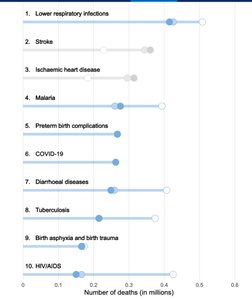
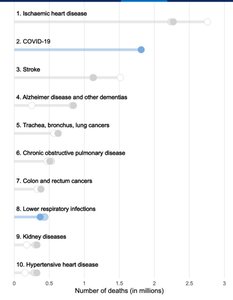
Pathogenic microbes cause infectious diseases, which remain leading causes of mortality worldwide.
Understanding microbial structure and function is critical for disease prevention, diagnosis, and treatment.
Case Study: Cyclospora Outbreak
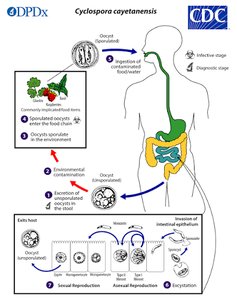
Cyclospora cayetanensis is a protozoan parasite causing gastrointestinal illness.
Transmission occurs via ingestion of contaminated food or water.
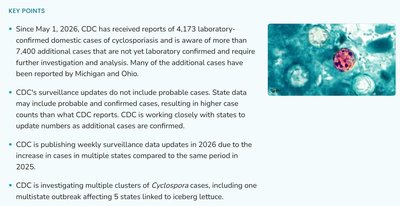
Recent outbreaks have been linked to fresh produce, such as iceberg lettuce.

Beneficial Microbes: The Human Microbiome
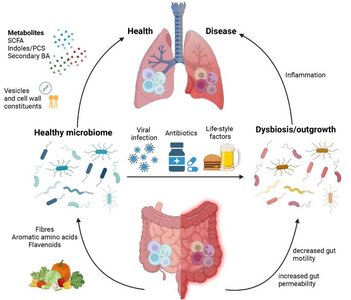
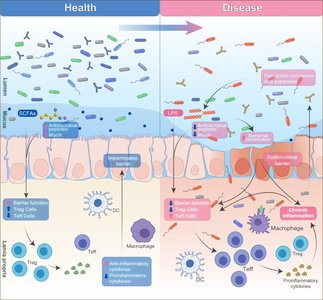
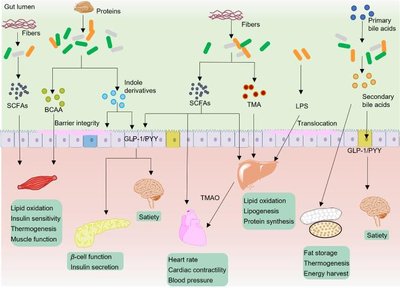
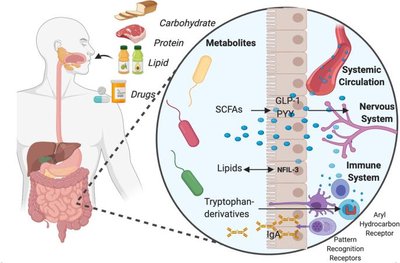
The gut microbiome aids in digestion, synthesizes vitamins, and protects against pathogens.
Disruption of the microbiome (dysbiosis) is linked to diseases such as inflammatory bowel disease and metabolic disorders.
Additional info: Mastery of cell structure and function is foundational for understanding microbial physiology, pathogenesis, and the development of antimicrobial strategies. This knowledge is directly applicable to clinical microbiology, biotechnology, and public health.
