 Back
BackCell Structure and Function: Prokaryotic and Eukaryotic Cells
Study Guide - Smart Notes
 Tailored notes based on your materials, expanded with key definitions, examples, and context.
Cell Structure and Function
Overview of Prokaryotic and Eukaryotic Cells
This section introduces the fundamental differences between prokaryotic and eukaryotic cells, focusing on their structural features and functions. Understanding these differences is essential for microbiology students, as it forms the basis for classifying microorganisms and understanding their biology.
Prokaryotic cells: Lack a nucleus and membrane-bound organelles; include bacteria and archaea.
Eukaryotic cells: Possess a nucleus and various membrane-bound organelles; include algae, protozoa, fungi, animals, and plants.
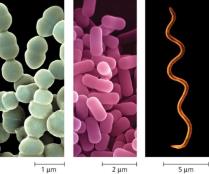
Cell size: Prokaryotes (~1.0 μm), Eukaryotes (10–100 μm).
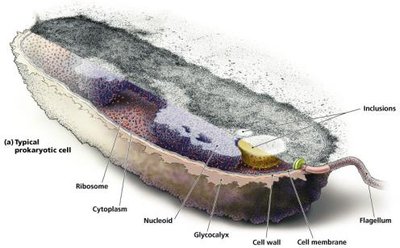
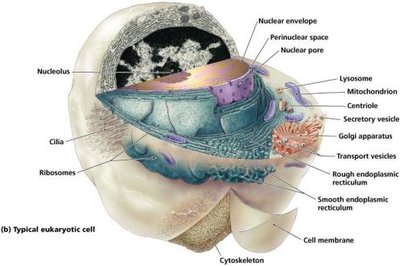
Prokaryotic Cell Structure
External Structures of Prokaryotes
Prokaryotic cells possess several external structures that contribute to their survival, motility, and interaction with their environment.
Glycocalyces: Gelatinous, sticky substances surrounding the cell, composed of polysaccharides and/or polypeptides. Protects against desiccation and immune detection.
Capsule: Firmly attached glycocalyx, provides enhanced protection.
Slime layer: Loosely attached glycocalyx, aids in surface attachment.
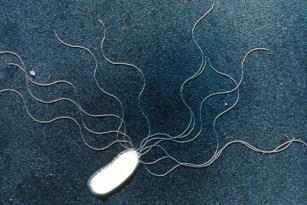
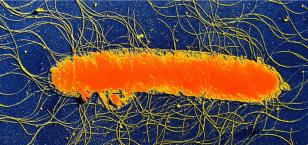
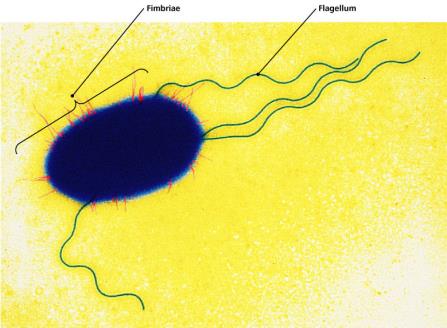
Flagella: Long, whiplike structures responsible for movement.
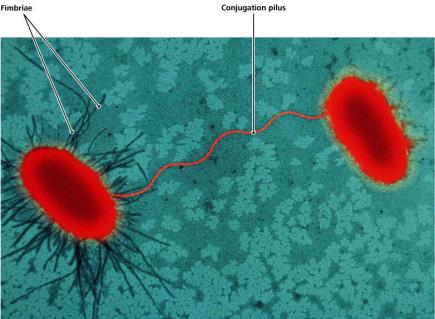
Fimbriae: Short, bristlelike projections for adhesion and biofilm formation.
Pili: Long, hollow tubules for DNA transfer (conjugation).
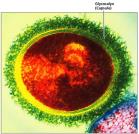
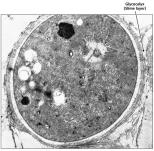
Flagella: Structure and Function
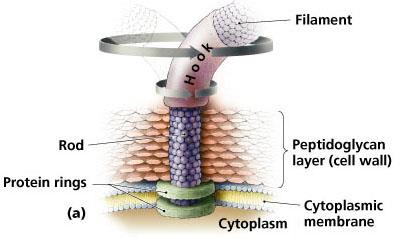
Flagella are complex molecular machines that enable prokaryotic motility. Their arrangement and structure are key to bacterial identification and behavior.
Structure: Composed of filament (flagellin), hook, and basal body (anchored by protein rings).
Function: Rotation propels the cell; directionality is determined by clockwise or counterclockwise rotation.
Arrangements:
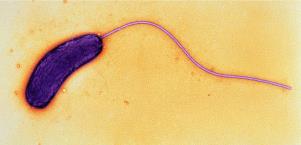
Monotrichous: Single flagellum at one end.
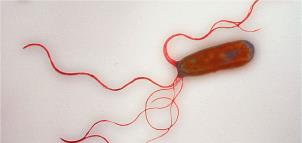
Lophotrichous: Multiple flagella at one end.
Amphitrichous: Flagella at both ends.
Peritrichous: Flagella covering the entire cell.
Endoflagella: Internal flagella in spirochetes, enabling corkscrew motion.
Movement: Cells move via "runs" (straight movement) and "tumbles" (random changes in direction), responding to stimuli (taxis).
Fimbriae and Pili
Fimbriae and pili are nonmotile extensions that play crucial roles in adhesion, biofilm formation, and genetic exchange.
Fimbriae: Numerous, short, used for adhesion to surfaces and other cells.
Pili: Few, long, used for conjugation (DNA transfer between cells).
Prokaryotic Cell Walls
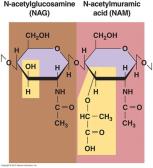
The cell wall provides structural support, protection from osmotic forces, and is a target for many antibiotics. Bacterial cell walls are primarily composed of peptidoglycan.
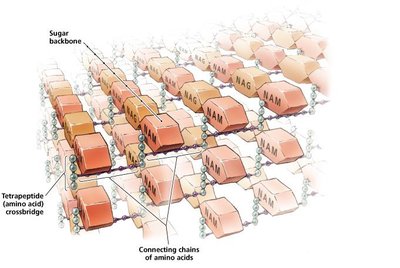
Peptidoglycan: Lattice of polysaccharides (N-acetylglucosamine [NAG] and N-acetylmuramic acid [NAM]) linked by tetrapeptide cross-bridges.
Bacterial cell wall types:
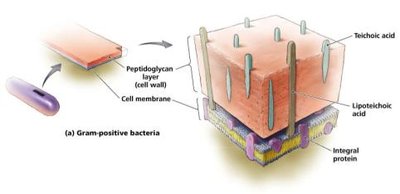
Gram-positive: Thick peptidoglycan layer, no outer membrane, stains purple.
Gram-negative: Thin peptidoglycan layer, outer membrane with lipopolysaccharide (LPS), stains pink.
Prokaryotic Cell Membrane
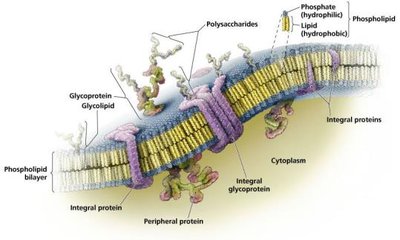
The cell membrane is a phospholipid bilayer with embedded proteins, functioning as a selective barrier and site for energy production.
Fluid mosaic model: Describes the dynamic arrangement of lipids and proteins.
Functions: Selective permeability, energy harvesting, maintenance of electrochemical gradients.
Transport Across the Cell Membrane
Transport mechanisms are essential for nutrient uptake and waste removal. They are classified as passive or active processes.
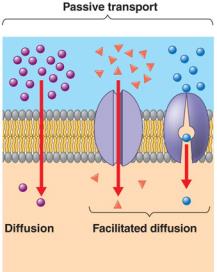
Passive transport: No energy required; includes simple diffusion, osmosis, and facilitated diffusion.
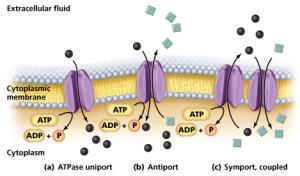
Active transport: Requires ATP; includes uniporters, antiporters, and symporters.
Cytoplasm of Prokaryotes
The cytoplasm contains all intracellular materials, including biological molecules, inclusions, ribosomes, cytoskeleton, enzymes, and genetic material.
Cytosol: Liquid portion of the cytoplasm.
Inclusions: Reserve deposits of chemicals.
Ribosomes: Sites of protein synthesis (70S).
Cytoskeleton: Maintains cell shape.
Eukaryotic Cell Structure
Features of Eukaryotic Cells
Eukaryotic cells are larger and more complex, with internal membrane-bound organelles and a nucleus.
Extracellular matrices: Anchor cells and strengthen surfaces.
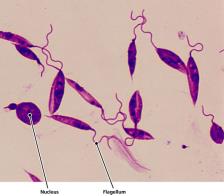
Flagella and cilia: Movement and transport of substances.
Cell walls: Rigid structure in plants, fungi, and algae.
Cell membranes: Similar to prokaryotes, but with different lipids.
Nucleus: Houses DNA.
Ribosomes: Larger (80S).
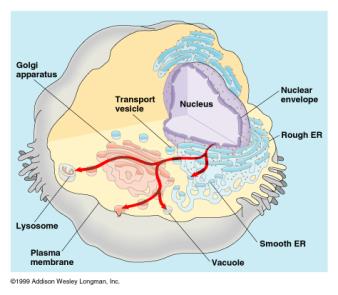
Endoplasmic reticulum: Synthesis and transport of proteins and lipids.
Mitochondria: ATP production.
Chloroplasts: Light harvesting for ATP synthesis.
Extracellular Matrices
Extracellular matrices (ECM) in eukaryotes provide structural support, protection, and facilitate cell-to-cell communication.
Comparable to prokaryotic glycocalyces, but less organized.
Protects against dehydration and strengthens cell surfaces.
Flagella and Cilia in Eukaryotes
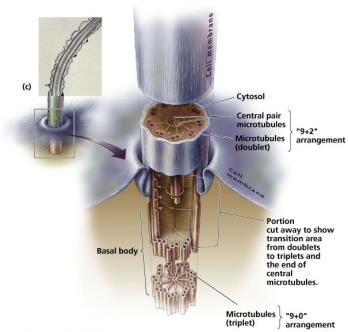
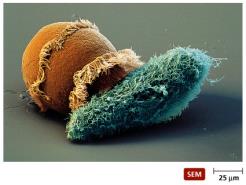
Eukaryotic flagella and cilia are composed of microtubules arranged in a "9 + 2" pattern, enabling undulatory movement.
Flagella: "9 + 2" microtubule arrangement, anchored by a "9 + 0" basal body, reside inside the cell membrane.
Cilia: Shorter, more numerous, coordinated beating for movement and nutrient uptake.
Eukaryotic Cell Walls
Cell walls in fungi, algae, and plants are composed of various polysaccharides and provide rigidity and protection.
Plant cell walls: Cellulose.
Fungal cell walls: Chitin, cellulose, glucomannan.
Algal cell walls: Cellulose, agar, carrageenan, silicates, algin, calcium carbonate.
Eukaryotic Cell Membranes
The cell membrane is a fluid mosaic boundary containing phospholipids, proteins, and cholesterol, controlling material movement via diffusion, osmosis, active transport, endocytosis, and exocytosis.
Cytoplasm of Eukaryotes
The cytoplasm includes all non-nuclear components, with organelles classified as membranous or nonmembranous.
Nonmembranous: Ribosomes, cytoskeleton, centrioles, centrosome.
Membranous: Nucleus, ER, Golgi bodies, lysosomes, peroxisomes, vacuoles, vesicles, mitochondria, chloroplasts.
Cytoskeleton
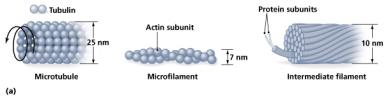
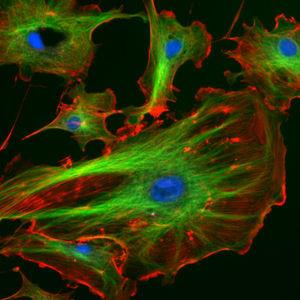
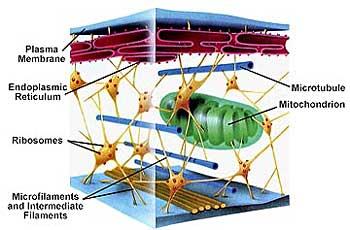
The cytoskeleton is an extensive network of filaments and cables that provide shape, anchor organelles, and facilitate movement.
Microtubules: Tubulin protein, 25 nm diameter.
Microfilaments: Actin protein, 7 nm diameter.
Intermediate filaments: Various proteins, 10 nm diameter.
Ribosomes
Eukaryotic ribosomes are larger (80S) than prokaryotic ribosomes (70S), composed of RNA and protein, and are the sites of protein synthesis.
Svedberg unit (S): Measures sedimentation rate in centrifugation.
Subunits: 60S and 40S in eukaryotes.
Nucleus
The nucleus is the largest organelle, containing most of the cell's DNA and surrounded by a double membrane with nuclear pores for macromolecule transport.
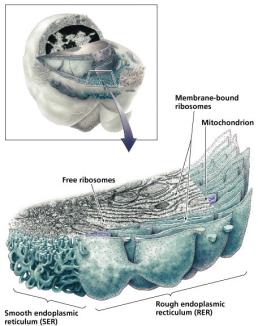
Endoplasmic Reticulum (ER)
The ER is a mesh-like network of sacs and tubules, continuous with the nuclear envelope, and is involved in protein and lipid synthesis.
Smooth ER (SER): Lipid synthesis.
Rough ER (RER): Protein synthesis and transport (ribosomes attached).
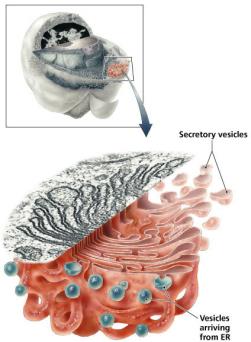
Golgi Bodies
Golgi bodies process and package proteins for export, modifying them by adding or removing sugars and inserting them into secretory vesicles.
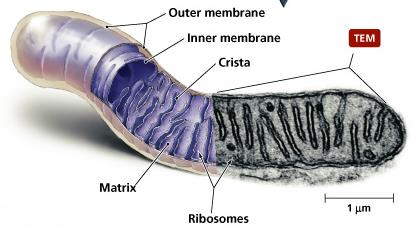
Mitochondria
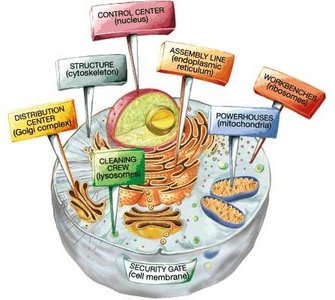
Mitochondria are double-membraned organelles responsible for ATP production, containing their own DNA and 70S ribosomes.
Chloroplasts
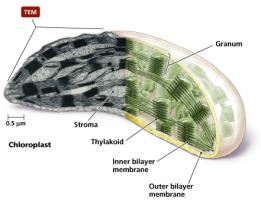
Chloroplasts are double-membraned, light-harvesting organelles in photosynthetic eukaryotes, containing their own chromosome and 70S ribosomes.
Other Important Organelles
Lysosomes: Contain catabolic enzymes for breaking down cellular waste.
Peroxisomes: Degrade poisonous wastes.
Vacuoles and vesicles: Store and transfer chemicals and nutrients.
Summary: The Cell as a Factory
Cells function as factories, with specialized structures (organelles) performing distinct roles in synthesis, energy production, storage, and waste management.
Key Building Blocks of Cellular Molecules
Proteins: Built from amino acids.
DNA: Built from nucleotides.
Lipids: Built from fatty acids and glycerol.
Polysaccharides: Built from monosaccharides.
Polypeptides: Chains of amino acids.
Glycoproteins: Proteins with carbohydrate groups attached.
Process of Life
Living organisms must perform essential life functions, including metabolism, growth, reproduction, response to stimuli, and structural maintenance.
Additional info: The notes above expand on brief lecture points, providing definitions, examples, and context for each cell structure and function. All included images directly reinforce the adjacent explanations, as required.
