 Back
BackCells: Structure, Function, and Classification in Microbiology
Study Guide - Smart Notes
 Tailored notes based on your materials, expanded with key definitions, examples, and context.
Cells in Microbiology
Definition and Classification of Microbes
Microbes are microscopic organisms or infectious agents that are too small to be seen with the naked eye. They include both cellular and acellular entities, and can be classified into three domains: Eukarya, Bacteria, and Archaea. Eukaryotic kingdoms relevant to microbiology include Animalia, Fungi, and Protista. Pathogens are microbes that cause disease.
Cellular microbes: Bacteria, Archaea, Fungi, Protists, Animals (microscopic)
Acellular microbes: Viruses, prions
Classification: Microbes can be classified as eukaryotes or prokaryotes, and further as bacteria, archaea, fungi, protists, protozoa, algae, or helminths.
Cell Theory and Historical Context
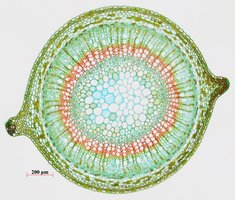
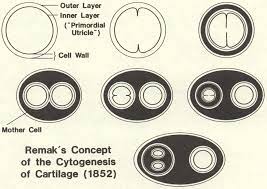
The modern cell theory states two key principles: (1) All organisms are made from cells, and (2) All cells only come from other cells via cell division. Early contributors include Robert Hooke (named cells), Theodor Schwann (animal cells), and Matthias Schleiden (plant cells). Robert Remak and Rudolf Virchow described cell division.
Cell Structure and Function
Eukaryotic vs Prokaryotic Cells
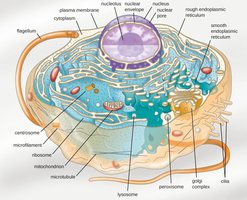
Eukaryotic cells have a nucleus and membrane-bound organelles, while prokaryotic cells lack these features. Both types have plasma membranes, ribosomes, and DNA, but differ in structure and complexity.
Eukaryotes: Have nucleus, 80S ribosomes, linear DNA, larger size (10–100 µm), complex organelles
Prokaryotes: No nucleus, 70S ribosomes, circular DNA, smaller size (1–10 µm), simpler structure
Cell Structures
Cells contain various structures that perform essential functions. Eukaryotic cells have organelles such as the nucleus, mitochondria, endoplasmic reticulum, Golgi complex, lysosomes, and chloroplasts. Prokaryotic cells have a nucleoid, plasmids, capsule, flagella, pili, and inclusion bodies.
Plasma Membrane
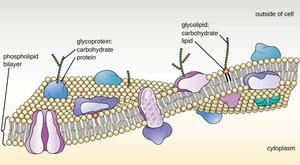
The plasma membrane is composed of a phospholipid bilayer with embedded proteins. It regulates the movement of molecules in and out of the cell. In prokaryotes, it is also the site of cellular respiration.
Structure: Phospholipids, proteins, glycoproteins, glycolipids
Function: Regulates transport (simple diffusion, facilitated diffusion, active transport, endocytosis, exocytosis)
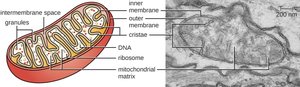
Mitochondria
Mitochondria are double-membrane organelles found in eukaryotes. They are the site of cellular respiration, converting food energy into ATP, which is used for cellular processes.
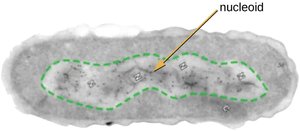
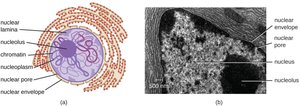
Nucleoid vs Nucleus
Prokaryotes have a nucleoid, which is the location of their chromosome DNA, not surrounded by a membrane. Eukaryotes have a nucleus, which is surrounded by a double membrane (nuclear envelope) and contains chromosomal DNA.
Ribosomes
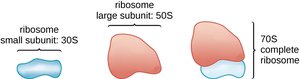
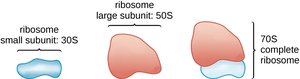
Ribosomes are complexes of protein and rRNA responsible for protein synthesis. Prokaryotic ribosomes are 70S (composed of 50S and 30S subunits), while eukaryotic ribosomes are 80S.
Endoplasmic Reticulum and Golgi Complex
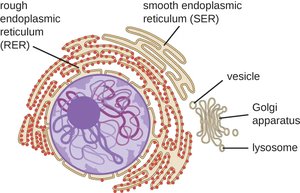
The endoplasmic reticulum (ER) is a network of membrane channels. The rough ER (RER) has attached ribosomes and modifies proteins, while the smooth ER (SER) synthesizes membrane and detoxifies drugs. The Golgi complex processes and packages proteins for delivery.
Cell Walls
Cell walls are present in many microbes and provide structural support, preventing cell lysis due to osmotic pressure. The composition varies: bacteria have peptidoglycan, fungi have chitin, algae have cellulose or silica, and archaea have various proteins/carbohydrates.
Medical Relevance
Human cells lack cell walls, so drugs targeting microbial cell walls do not harm human cells.
Immune cells recognize cell walls as foreign.
Prokaryotic Cell Structures
Plasmids: Extrachromosomal DNA, often carry antibiotic resistance genes.
Capsule: Gel-like external coat, protects from phagocytosis and dehydration.
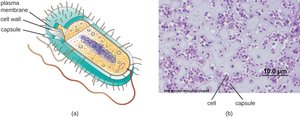
Flagella: Protein structures for motility.
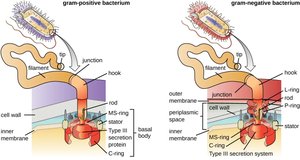
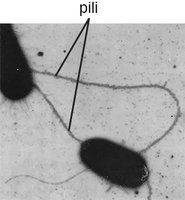
Pili and Fimbriae: Protein structures for attachment and conjugation.
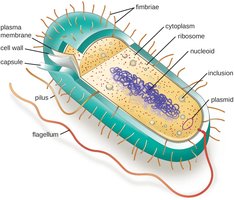
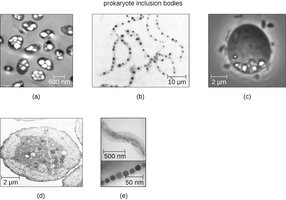
Inclusion bodies: Storage of important materials such as food molecules.
Endospores: Highly resistant structures formed during poor conditions; medically relevant due to drug resistance.
Eukaryotic Cell Structures
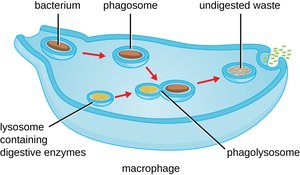
Lysosome: Membrane sack containing enzymes for breaking down old organelles or killing invading microbes.
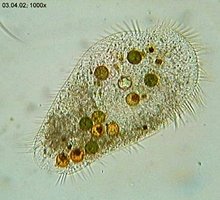
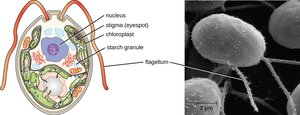
Flagella and Cilia: Made of microtubules, used for motility or moving substances.
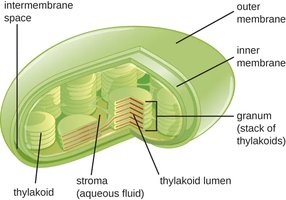
Chloroplast: Double membrane organelle, site of photosynthesis in algae and plants.
Summary Table: Cell Structure Comparison
Structure | Prokaryote | Eukaryote |
|---|---|---|
Nucleus | No | Yes |
Ribosome | 70S | 80S |
Cell Wall | Peptidoglycan (Bacteria), various (Archaea) | Chitin (Fungi), Cellulose/Silica (Algae), None (Protozoa/Animals) |
Plasma Membrane | Phospholipid/protein, unique lipids (Archaea) | Phospholipid/protein |
Organelles | No | Yes |
DNA | Circular | Linear |
Endosymbiotic Theory
The endosymbiotic theory explains the origin of mitochondria and chloroplasts in eukaryotes, suggesting they were once free-living prokaryotes engulfed by ancestral eukaryotic cells.
Medical Relevance
Drugs to treat eukaryotic infections target cell walls or other unique structures/processes not found in human cells.
Key Equations
Central Dogma of Molecular Biology:
Osmosis:
Ribosome Subunit Equation:
Eukaryotic Ribosome: 40S + 60S = 80S
Conclusion
Understanding cell structure and function is fundamental to microbiology. The differences between prokaryotic and eukaryotic cells, their organelles, and their medical relevance provide a foundation for studying microbial life and its impact on health.
