 Back
BackChapter 8: Recombinant DNA (rDNA) Technology – Principles, Tools, and Applications
Study Guide - Smart Notes
 Tailored notes based on your materials, expanded with key definitions, examples, and context.
Recombinant DNA Technology: Overview and Goals
Definition and Main Objectives
Recombinant DNA (rDNA) technology refers to the intentional modification of the genetic material of organisms to achieve specific goals. This technology enables scientists to manipulate DNA sequences, combine genes from different sources, and create organisms with new or improved traits.
Goal 1: Eliminate undesirable phenotypic traits in humans, animals, plants, and microbes.
Goal 2: Combine beneficial traits from two or more organisms to create valuable new organisms.
Goal 3: Create organisms that synthesize products needed by humans (e.g., pharmaceuticals, enzymes).
Example: Genetically modified papaya plants resistant to ring spot virus, which helps prevent crop loss and ensures food security.

Applications of Recombinant DNA Technology in Agriculture
Genetically Modified Crops
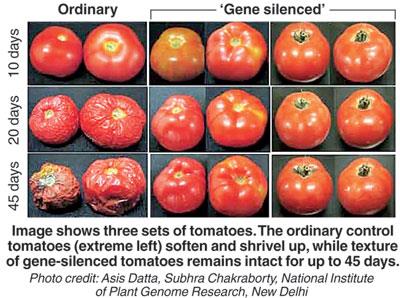
Gene Silencing in Tomatoes: Gene-silenced tomatoes resist softening and spoilage, extending shelf life and reducing food waste.
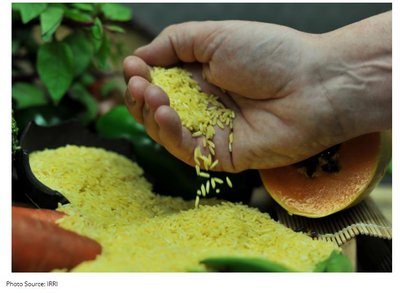
Golden Rice: Engineered to produce beta-carotene, a precursor of vitamin A, addressing nutritional deficiencies in populations dependent on rice.

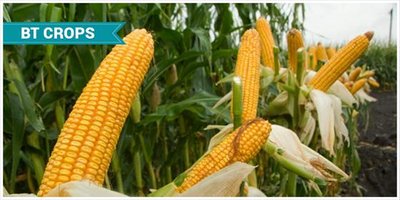
Bacillus thuringiensis (Bt) Crops: Crops like Bt corn are engineered to express insecticidal proteins, reducing the need for chemical pesticides.
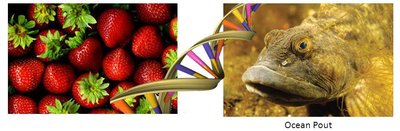
Freeze-Resistant Strawberries: Genes from cold-tolerant organisms (e.g., ocean pout) are introduced into strawberries to enhance frost resistance.
Salt-Tolerant Rice: Genetic modifications allow rice to grow in saline soils, expanding arable land and improving food security.

Applications in Medicine and Industry
Pharmaceuticals and Therapeutics
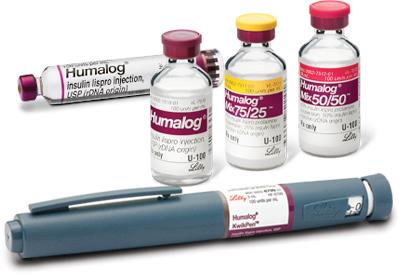
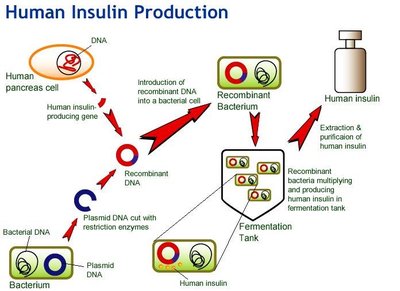
Recombinant Insulin: Human insulin genes are inserted into bacteria, which then produce insulin for diabetes treatment.
Steps of Recombinant DNA Technology
General Workflow
The process of creating recombinant DNA involves several key steps:
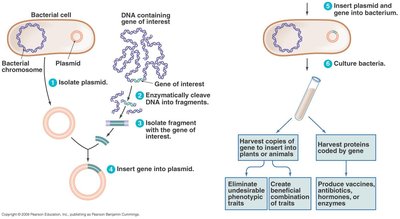
Isolation of the gene of interest.
Cutting DNA with restriction enzymes.
Insertion of the gene into a vector (e.g., plasmid).
Introduction of the recombinant vector into a host cell.
Selection and screening of transformed cells.
Expression and harvesting of the desired product.
Tools and Techniques of rDNA Technology
Key Tools
Mutagens: Physical or chemical agents that induce mutations, creating genetic diversity for selection.
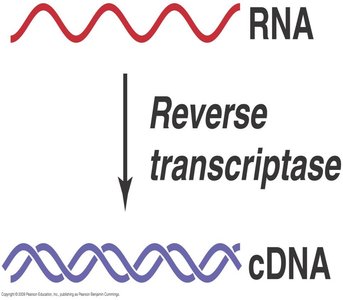
Reverse Transcriptase: Enzyme that synthesizes complementary DNA (cDNA) from an RNA template, useful for cloning eukaryotic genes.
Synthetic Nucleic Acid: Artificially synthesized DNA or RNA molecules used for gene construction or modification.
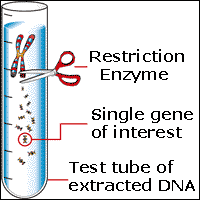
Restriction Enzymes: Enzymes that cut DNA at specific sequences, generating fragments with 'sticky' or 'blunt' ends for recombination.
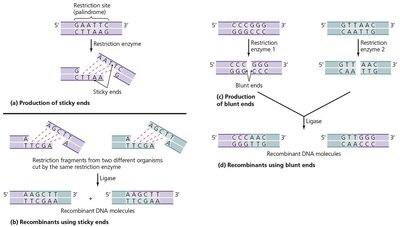
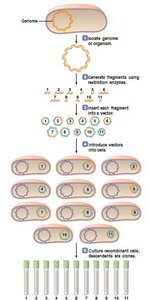
Vectors: DNA molecules (e.g., plasmids, viruses) that carry foreign genes into host cells.
Gene Libraries: Collections of cloned DNA fragments representing an organism's entire genome or specific genes.
Key Techniques
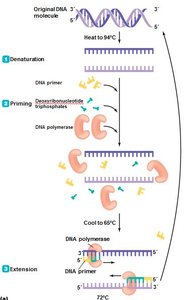
Polymerase Chain Reaction (PCR): Amplifies specific DNA sequences in vitro through cycles of denaturation, priming, and extension.
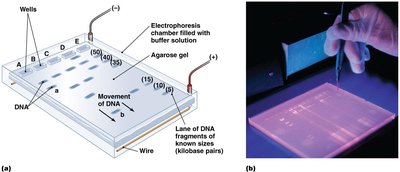
Gel Electrophoresis: Separates DNA fragments by size using an electric field in an agarose gel matrix.
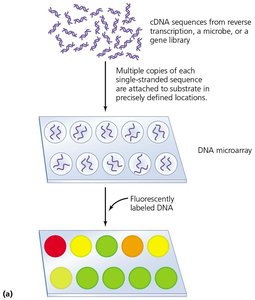
DNA Microarrays: Allow simultaneous analysis of gene expression or detection of specific DNA sequences in a sample.
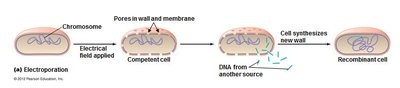
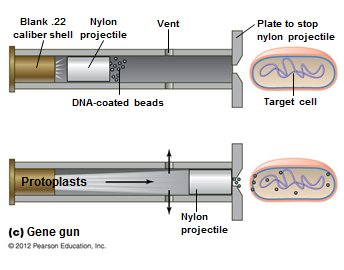
Methods for Inserting DNA into Cells: Electroporation, protoplast fusion, gene gun, and microinjection are used to introduce recombinant DNA into host cells.
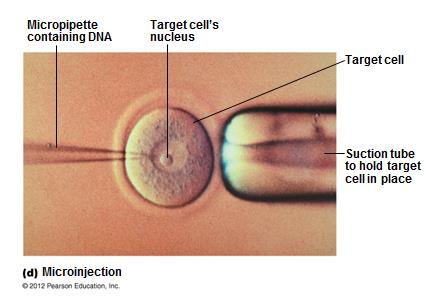
Summary Table: Tools and Techniques of Recombinant DNA Technology
Tool or Technique | Description | Potential Application |
|---|---|---|
Mutagen | Chemical or physical agent that creates mutations | Creating novel genotypes and phenotypes |
Reverse transcriptase | Enzyme that synthesizes cDNA from RNA template | Synthesizing cDNA for gene cloning |
Synthetic nucleic acid | Artificial DNA or RNA molecules | Gene construction, site-directed mutagenesis |
Restriction enzyme | Enzyme that cuts DNA at specific sequences | Gene cloning, DNA mapping |
Vector | DNA molecule for gene transfer | Gene delivery into host cells |
Gene library | Collection of cloned DNA fragments | Genome analysis, gene isolation |
PCR | Amplifies DNA sequences | Diagnostics, forensics, research |
Gel electrophoresis | Separates DNA by size | DNA analysis, fingerprinting |
DNA microarray | Detects gene expression or DNA sequences | Gene profiling, diagnostics |
Electroporation, Protoplast fusion, Gene gun, Microinjection | Methods for introducing DNA into cells | Genetic transformation |
Applications of rDNA Technology
Genome Mapping
Genome mapping involves locating genes on nucleic acid molecules, which is essential for understanding gene function and organization.
Pharmaceutical and Therapeutic Applications
Protein Synthesis: Production of human proteins (e.g., insulin, growth hormone) in microbial systems.
Vaccines: Development of safer subunit vaccines and edible vaccines by introducing pathogen genes into plants.
Genetic Screening: Detection of genetic disorders and identification of pathogens in clinical samples.
DNA Fingerprinting: Identification of individuals based on unique DNA sequences, widely used in forensics and paternity testing.
Gene Therapy: Replacement of defective genes with normal copies to treat genetic diseases (e.g., cystic fibrosis, sickle cell anemia).
Medical Diagnosis: Detection of pathogen-specific gene sequences in patient specimens.
Xenotransplantation: Introduction of animal cells, tissues, or organs into humans for therapeutic purposes.
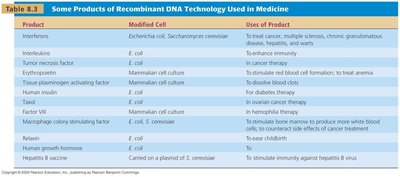
Summary Table: Some Products of Recombinant DNA Technology Used in Medicine
Product | Modified Cell | Uses of Product |
|---|---|---|
Interferons | Escherichia coli, Saccharomyces cerevisiae | Treat cancer, multiple sclerosis, chronic granulomatous disease, hepatitis |
Interleukins | E. coli | Enhance immunity |
Erythropoietin | Mammalian cell culture | Stimulate blood cell formation, treat anemia |
Tumor necrosis factor | E. coli | Treat cancer |
Human insulin | E. coli | Diabetes therapy |
Factor VIII | Mammalian cell culture | Hemophilia therapy |
Hepatitis B vaccine | Carried on a plasmid of S. cerevisiae | Stimulate immunity against hepatitis B virus |
Ethics and Safety of Recombinant DNA Technology
Considerations and Concerns
Long-term effects of transgenic manipulations are unknown.
Transgenic organisms could trigger allergies or cause harmless organisms to become pathogenic.
Natural genetic transfer could deliver genes from transgenic plants and animals into other organisms.
Strict standards are imposed on laboratories involved in recombinant DNA research to ensure safety and ethical compliance.
Additional info: Recombinant DNA technology is a cornerstone of modern biotechnology, with applications spanning agriculture, medicine, industry, and environmental science. Its responsible use requires careful consideration of ethical, ecological, and societal impacts.
