 Back
Backchapter 11
Study Guide - Smart Notes
 Tailored notes based on your materials, expanded with key definitions, examples, and context.
General Characteristics of Prokaryotic Organisms
Overview of Prokaryotes
Prokaryotes are the most numerous and diverse group of cellular microbes, thriving in a wide range of habitats. While only a few prokaryotes are capable of colonizing humans and causing disease, their ecological and evolutionary significance is immense.
Definition: Prokaryotes are unicellular organisms lacking a membrane-bound nucleus and organelles.
Habitats: Found in soil, water, extreme environments, and as symbionts or pathogens.
Major Groups: Bacteria and Archaea.
Reproduction of Prokaryotic Cells
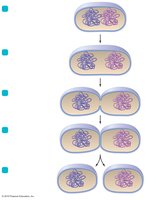
All prokaryotes reproduce asexually, utilizing several distinct methods. The most common is binary fission, but other mechanisms include snapping division, reproductive spores, budding, and viviparity.
Binary Fission: The cell duplicates its DNA, elongates, and divides into two genetically identical daughter cells.
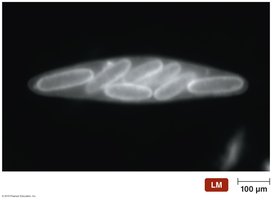
Snapping Division: A variation of binary fission where the cell wall snaps, producing cells that remain attached.
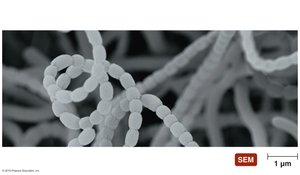
Reproductive Spores: Some filamentous bacteria produce spores for reproduction.
Budding: A new cell develops from the surface of an existing cell.
Viviparity: Rare in prokaryotes; live offspring emerge from the body of the dead mother cell (e.g., Epulopiscium).
Arrangements of Prokaryotic Cells
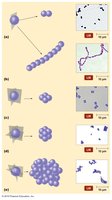
The arrangement of prokaryotic cells results from the planes in which cells divide and whether daughter cells remain attached. Common arrangements include diplococci, streptococci, tetrads, sarcinae, and staphylococci.
Diplococci: Pairs of cocci.
Streptococci: Chains of cocci.
Tetrads: Groups of four cocci in a square.
Sarcinae: Cuboidal packets of eight or more cocci.
Staphylococci: Irregular clusters of cocci.
Modern Prokaryotic Classification
Taxonomic Principles
Modern classification of prokaryotes is based primarily on genetic relatedness, especially rRNA sequences. The three domains of life are Archaea, Bacteria, and Eukarya. Bergey's Manual of Systematic Bacteriology is the standard reference for prokaryotic taxonomy.
Domains: Archaea, Bacteria, Eukarya.
Classification: Based on molecular, morphological, and physiological characteristics.
Survey of Archaea
General Features of Archaea
Archaea are prokaryotes distinct from bacteria, characterized by unique cell wall and membrane features. They lack peptidoglycan, have unique membrane lipids, and may contain pseudomurein. The AUG codon codes for methionine, similar to eukaryotes. Archaea reproduce by binary fission, budding, or fragmentation and are not known to cause disease.
Phyla: Crenarchaeota and Euryarchaeota.
Cell Shapes: Cocci, bacilli, spirals, or pleomorphic forms.
Extremophiles
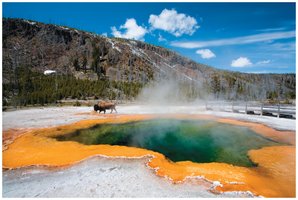
Many archaea are extremophiles, requiring extreme conditions such as high temperature, acidity, or salinity to survive.
Thermophiles: Thrive at temperatures above 45°C; hyperthermophiles require temperatures over 80°C. Example: Geogemma in hot acidic springs.
Halophiles: Inhabit environments with >9% NaCl; often pigmented red or orange to protect from sunlight. Example: Halobacterium salinarium.

Methanogens
Methanogens are the largest group of archaea, producing methane gas from carbon dioxide, hydrogen, and organic acids. They play a crucial role in the carbon cycle and are responsible for swamp gas.
Survey of Bacteria
Deeply Branching and Phototrophic Bacteria
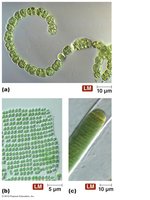
Deeply branching bacteria are considered similar to the earliest forms of life, often autotrophic and adapted to extreme environments. Phototrophic bacteria use light as an energy source and are divided into groups based on their pigments.
Deeply Branching Bacteria: Aquifex (early Earth habitats), Deinococcus (radiation-resistant).
Phototrophic Bacteria: Cyanobacteria (blue-green), green sulfur, green nonsulfur, purple sulfur, and purple nonsulfur bacteria.
Low G+C Gram-Positive Bacteria (Phylum Firmicutes)
These bacteria have a G+C content below 50% and share similar rRNA sequences. They include important genera such as Clostridium, Bacillus, Lactobacillus, Staphylococcus, Streptococcus, and Listeria.
Clostridia: Rod-shaped, obligate anaerobes, produce endospores and toxins (e.g., C. tetani, C. botulinum).
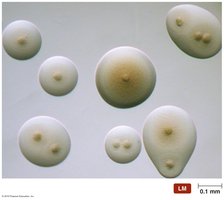
Mycoplasmas: Lack cell walls, smallest free-living cells, colonize mucous membranes, "fried egg" appearance.
Bacillus: Endospore-forming aerobes/facultative anaerobes; B. thuringiensis produces insecticidal toxin, B. anthracis causes anthrax.
Listeria: Contaminates food, can reproduce at refrigeration temperatures, dangerous for pregnant women.
Lactobacillus: Normal flora, inhibits pathogens, used in food production.
Streptococcus/Enterococcus: Cause various diseases, some are multi-drug resistant.
Staphylococcus: Common human inhabitant, produces toxins and enzymes.
High G+C Gram-Positive Bacteria (Phylum Actinobacteria)
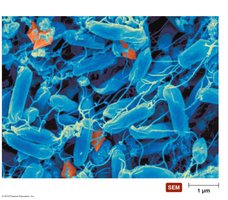
These bacteria have a high G+C content and include medically and industrially important genera.
Corynebacterium: Pleomorphic, causes diphtheria.
Mycobacterium: Slow-growing, mycolic acid in cell walls, includes pathogens causing tuberculosis and leprosy.
Actinomycetes: Form branching filaments, resemble fungi, important for antibiotic production (e.g., Streptomyces), degrade pollutants (Nocardia).
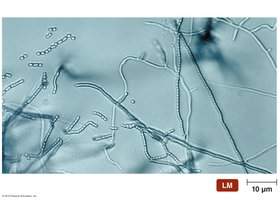
Table: Characteristics of Selected Gram-Positive Bacteria
Phylum/Class | G+C Percentage | Representative Genera | Special Characteristics | Diseases |
|---|---|---|---|---|
Clostridia | Low (<50%) | Clostridium | Obligate anaerobes, endospore formers | Tetanus, botulism, gangrene |
Mycoplasmas | Low (<50%) | Mycoplasma | Lack cell walls, smallest free-living cells | Pneumonia, urinary tract infections |
Bacilli | Low (<50%) | Bacillus, Listeria, Lactobacillus, Staphylococcus, Streptococcus | Endospore formers, food contaminants, normal flora | Anthrax, food poisoning, strep throat, scarlet fever |
Actinobacteria | High (>50%) | Corynebacterium, Mycobacterium, Actinomyces, Nocardia, Streptomyces | Pleomorphic, mycolic acid, branching filaments, antibiotic producers | Diphtheria, tuberculosis, actinomycosis, leprosy |
Gram-Negative Proteobacteria
Proteobacteria are the largest and most diverse group of Gram-negative bacteria, divided into five classes: Alpha-, Beta-, Gamma-, Delta-, and Epsilonproteobacteria.
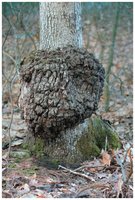
Alphaproteobacteria: Includes pathogens like Rickettsia (typhus) and Brucella (brucellosis), and plant pathogen Agrobacterium (used in genetic engineering).
Betaproteobacteria: Includes Neisseria (meningitis, gonorrhea), Bordetella (pertussis), Burkholderia (cystic fibrosis infections).
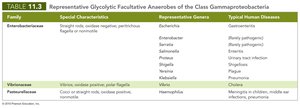
Gammaproteobacteria: Largest class, includes purple sulfur bacteria, intracellular pathogens (Legionella, Coxiella), glycolytic facultative anaerobes, and pseudomonads (Pseudomonas).
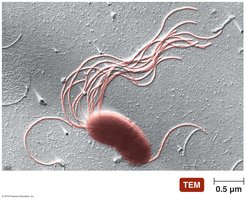
Epsilonproteobacteria: Includes Campylobacter (blood poisoning, intestinal inflammation) and Helicobacter pylori (ulcers, gastric cancer).
Other Gram-Negative Bacteria
Chlamydias: Intracellular pathogens, some smaller than viruses, cause sexually transmitted infections.
Spirochetes: Motile, corkscrew-shaped bacteria; Treponema (syphilis), Borrelia (Lyme disease).
Bacteroids: Inhabit digestive tracts, some species cause infections.
