 Back
Back2 Chemical Principles in Microbiology: Atoms, Bonds, and Biological Molecules
Study Guide - Smart Notes
 Tailored notes based on your materials, expanded with key definitions, examples, and context.
Ch. 2 - Chemical Principles
The Structure of Atoms
Atoms are the fundamental units of matter, forming the basis for all chemical interactions in biological systems. Understanding atomic structure is essential for grasping how elements combine to form molecules critical to life.
Atom: The smallest unit of an element that retains its chemical properties.
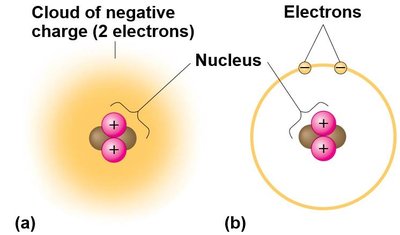
Subatomic particles: Atoms are composed of protons (positive charge), neutrons (no charge), and electrons (negative charge).
Nucleus: Contains protons and neutrons; electrons orbit in a cloud around the nucleus.
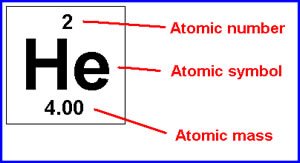
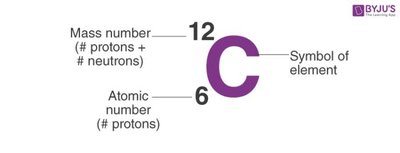
Atomic number: Number of protons in the nucleus, unique to each element.
Atomic mass: Total number of protons and neutrons.
Isotopes: Atoms of the same element with different numbers of neutrons.
Chemical Elements and the Elements of Life
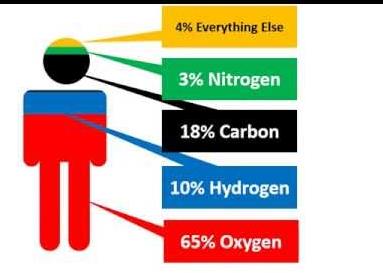
Life depends on a limited set of chemical elements. The most abundant elements in living organisms are carbon, hydrogen, oxygen, and nitrogen, which together make up about 96% of living matter.
Essential elements: Required for life in significant amounts (e.g., C, H, O, N).
Trace elements: Required in minute quantities (e.g., Fe, I).
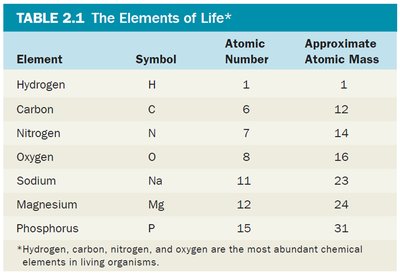
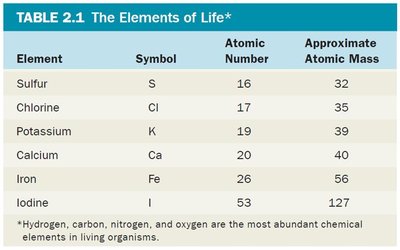
Element | Symbol | Atomic Number | Approximate Atomic Mass |
|---|---|---|---|
Hydrogen | H | 1 | 1 |
Carbon | C | 6 | 12 |
Nitrogen | N | 7 | 14 |
Oxygen | O | 8 | 16 |
Sodium | Na | 11 | 23 |
Magnesium | Mg | 12 | 24 |
Phosphorus | P | 15 | 31 |
Sulfur | S | 16 | 32 |
Chlorine | Cl | 17 | 35 |
Potassium | K | 19 | 39 |
Calcium | Ca | 20 | 40 |
Iron | Fe | 26 | 56 |
Iodine | I | 53 | 127 |
Electron Shells and Energy Levels
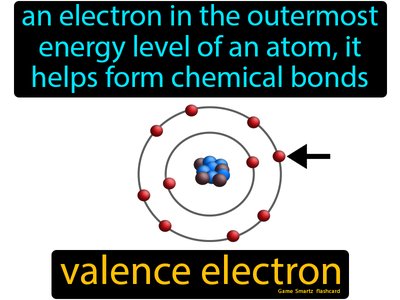
Electrons are arranged in shells around the nucleus, each corresponding to a specific energy level. The arrangement of electrons determines how atoms interact and form bonds.
Valence electrons: Electrons in the outermost shell, crucial for chemical bonding.
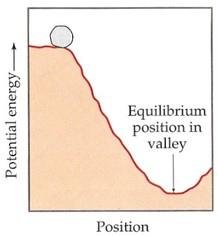
Potential energy: Electrons farther from the nucleus have higher potential energy.
How Atoms Form Molecules: Chemical Bonds
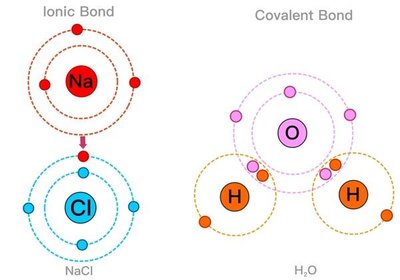
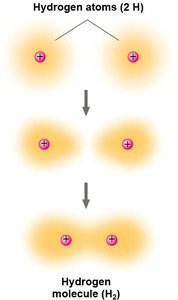
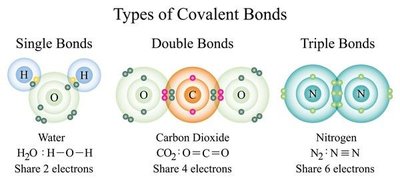
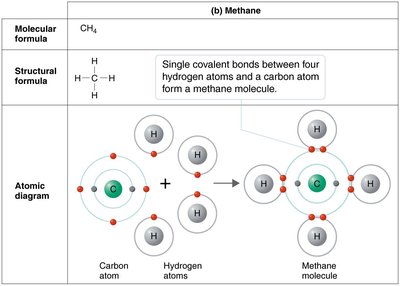
Atoms combine to form molecules by sharing or transferring electrons to achieve stable electron configurations. The main types of chemical bonds are covalent, ionic, and hydrogen bonds.
Covalent bonds: Atoms share pairs of electrons. These are strong and common in biological molecules.
Ionic bonds: Formed by the transfer of electrons from one atom to another, resulting in oppositely charged ions that attract each other.
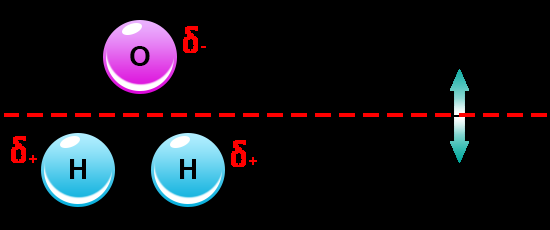
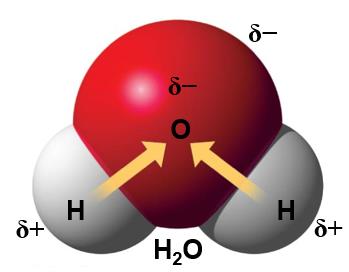
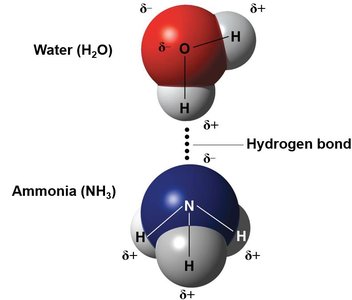
Hydrogen bonds: Weak attractions between a hydrogen atom covalently bonded to an electronegative atom and another electronegative atom.
Molecular Mass and Moles
The molecular mass is the sum of the atomic masses of all atoms in a molecule. The mole is a standard unit for measuring the amount of substance, defined as the molecular mass in grams.
Molecular mass: Expressed in daltons (da).
Mole: One mole contains Avogadro's number (6.022 × 10²³) of molecules.

Chemical Reactions
Chemical reactions involve the making or breaking of bonds between atoms, resulting in changes in chemical energy. There are three basic types of chemical reactions:
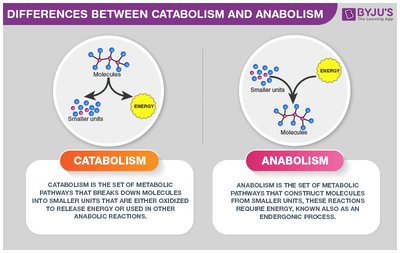
Synthesis reactions (Anabolism): Atoms or molecules combine to form larger molecules. These reactions usually require energy input (endergonic).
Decomposition reactions (Catabolism): Molecules are broken down into smaller components, releasing energy (exergonic).
Exchange reactions: Involve both synthesis and decomposition, where components are rearranged between molecules.

Inorganic Compounds: Water, Acids, Bases, and Salts
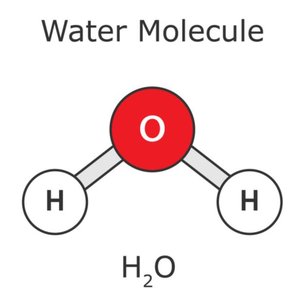
Water is the most abundant inorganic compound in living systems, essential for life due to its unique properties. Acids, bases, and salts are also important for maintaining cellular function and pH balance.
Water: Polar molecule, excellent solvent, temperature buffer, participates in chemical reactions.
Acids: Substances that release hydrogen ions (H+) in solution.
Bases: Substances that release hydroxide ions (OH-).
Salts: Compounds that dissociate into cations and anions, neither of which is H+ or OH-.
pH: A measure of hydrogen ion concentration;
Organic Compounds and Functional Groups
Organic compounds contain carbon and hydrogen, often with oxygen and nitrogen. The chemical properties of organic molecules are largely determined by functional groups attached to the carbon skeleton.
Functional groups: Specific groups of atoms that confer characteristic chemical properties (e.g., hydroxyl, carboxyl, amino, phosphate).
Macromolecules: Large molecules formed by joining monomers via dehydration synthesis (e.g., carbohydrates, proteins, nucleic acids, lipids).
Carbohydrates
Carbohydrates serve as energy sources and structural components in cells. They are classified based on the number of sugar units:
Monosaccharides: Simple sugars (e.g., glucose, fructose).
Disaccharides: Two monosaccharides joined by dehydration synthesis (e.g., sucrose, lactose).
Polysaccharides: Long chains of monosaccharides (e.g., starch, glycogen, cellulose).
Lipids
Lipids are hydrophobic molecules essential for membrane structure and energy storage. Major types include:
Simple lipids (fats/triglycerides): Glycerol + fatty acids.
Complex lipids: Contain additional elements (e.g., phospholipids in membranes).
Steroids: Four fused carbon rings; important in membrane structure (e.g., cholesterol).
Proteins
Proteins are polymers of amino acids, performing a vast array of cellular functions. Their structure determines their function and is organized into four levels:
Primary structure: Sequence of amino acids.
Secondary structure: Local folding (α-helix, β-sheet) stabilized by hydrogen bonds.
Tertiary structure: Overall 3D shape due to R group interactions.
Quaternary structure: Association of multiple polypeptide chains.
Denaturation disrupts protein structure and function, caused by changes in pH, temperature, or ionic concentration.
Nucleic Acids
Nucleic acids store and transmit genetic information. They are polymers of nucleotides, each consisting of a pentose sugar, phosphate group, and nitrogenous base.
DNA: Double helix, deoxyribose sugar, bases A-T and C-G.
RNA: Single-stranded, ribose sugar, bases A-U and C-G.
Adenosine Triphosphate (ATP)
ATP is the primary energy carrier in cells. It consists of adenine, ribose, and three phosphate groups. Hydrolysis of ATP releases energy for cellular processes.
