Back

lec 10:Eukaryotic Microbes and Invertebrate Infectious Agents: Structure, Function, and Pathogenesis

Study Guide - Learn with Videos

Curated lessons matched to your uploaded material – learn every topic step by step.

Introduction to Eukarya

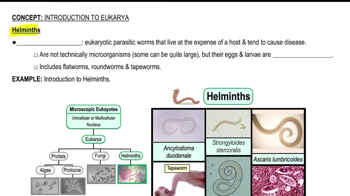
  • Helminths
    01:27
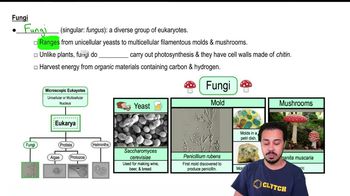
  • Fungi
    02:49
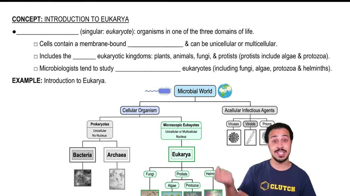
  • Introduction to Eukarya
    03:28

Introduction to Bacteria

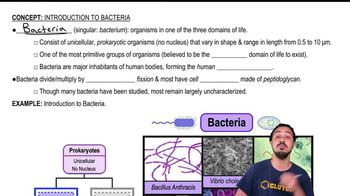
  • Introduction to Bacteria
    06:18

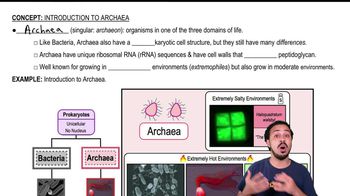
Introduction to Archaea

  • Introduction to Archaea
    04:39

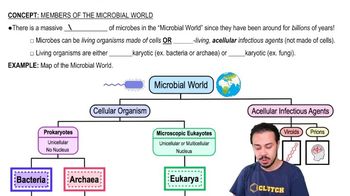
Members of the Bacterial World

  • Members of the Bacterial World
    06:17

Introduction to Prokaryotic Flagella

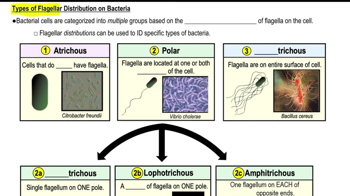
  • Types of Flagellar Distribution on Bacteria
    05:22
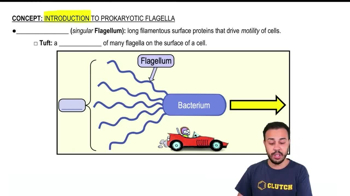
  • Introduction to Prokaryotic Flagella
    02:07

Introduction to Microbiology

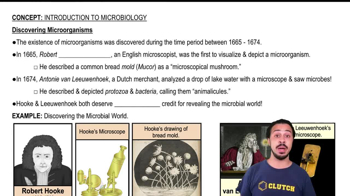
  • Discovering Microorganisms
    03:36
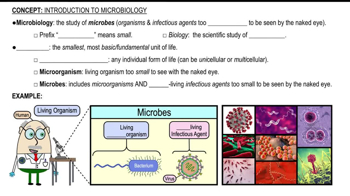
  • Introduction to Microbiology
    07:27
  • Introduction to Microbiology Channel
    1:29

Introduction to Viruses

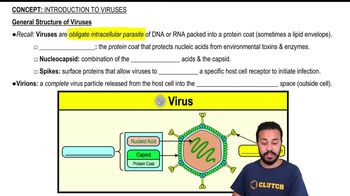
  • General Structure of Viruses
    04:47
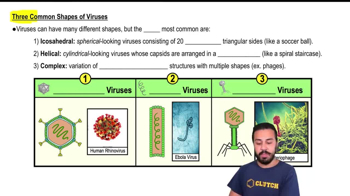
  • Three Common Shapes of Viruses
    03:19
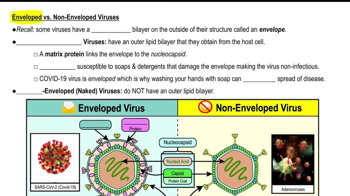
  • Enveloped vs. Non-Enveloped Viruses
    05:09

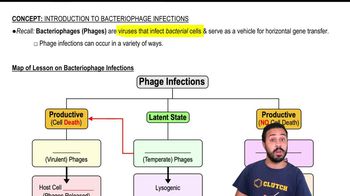
Introduction to Bacteriophage Infections

  • Map of Lesson on Bacteriophage Infections
    03:52
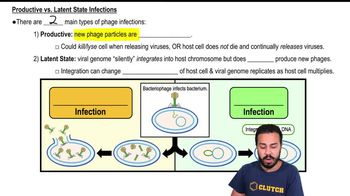
  • Productive vs. Latent State Infections
    04:09
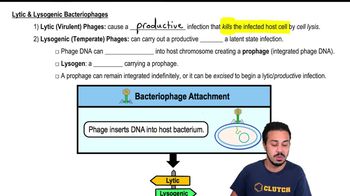
  • Lytic & Lysogenic Bacteriophages
    04:34

Introduction to Animal Virus Infections

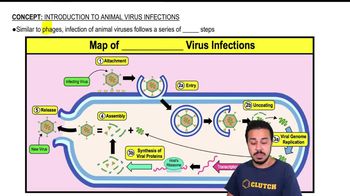
  • Introduction to Animal Virus Infections
    02:33
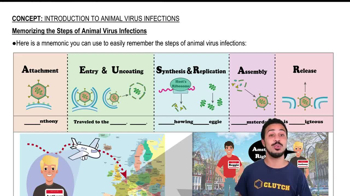
  • Memorizing the Steps of Animal Virus Infections
    01:40

Introduction to Pathogenic Toxins

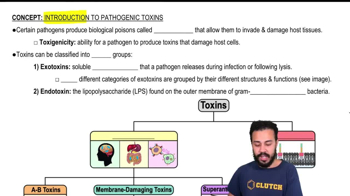
  • Introduction to Pathogenic Toxins
    03:40

Characteristics of Infectious Disease

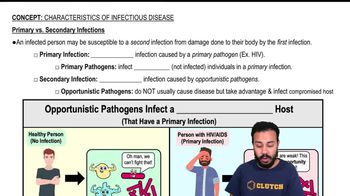
  • Primary vs. Secondary Infections
    04:16
  • Communicable vs. Noncommunicable Diseases
    04:57
  • Intro to Characteristics of Infectious Disease
    05:09

Stages of Infectious Disease Progression

  • Stages of Infectious Disease Progression
    05:36
  • Chronic & Latent Infection Disease Progression
    05:14

Introduction to Epidemiology

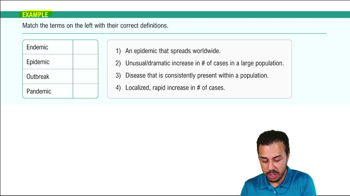
  • Introduction to Epidemiology Example 1
    01:48
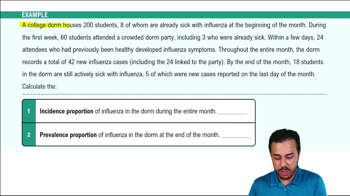
  • Introduction to Epidemiology Example 2
    05:15
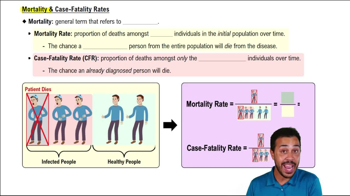
  • Mortality & Case-Fatality Rates
    02:28

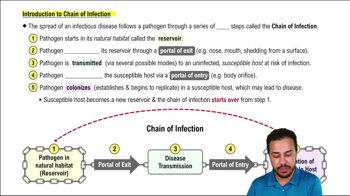
Introduction to Chain of Infection

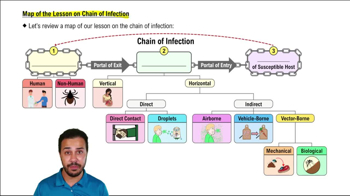
  • Map of the Lesson on Chain of Infection
    00:46
  • Introduction to Chain of Infection
    03:15

Reservoirs of Infection

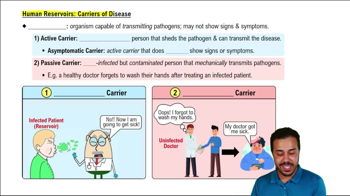
  • Human Reservoirs: Carriers of Disease
    03:12
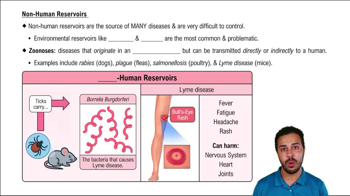
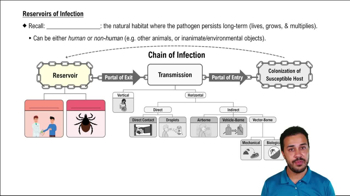
  • Reservoirs of Infection
    00:51
  • Non-Human Reservoirs
    02:36

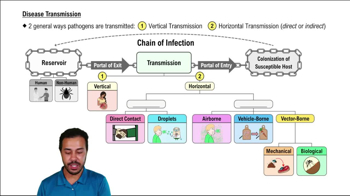
Disease Transmission

  • Disease Transmission
    01:24
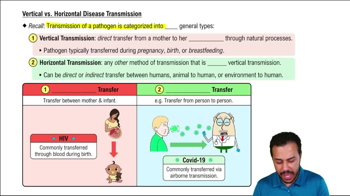
  • Vertical vs. Horizontal Disease Transmission
    02:32

Horizontal Disease Transmission

  • Horizontal Disease Transmission Example 1
    01:53
  • Zoonoses vs. Vector-Borne Transmission
    03:52
  • Indirect Transmission
    04:42

Introduction to Cultivating Microbial Growth

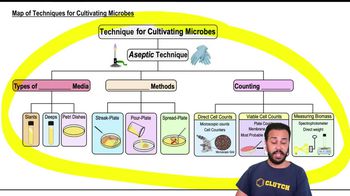
  • Map of Techniques for Cultivating Microbes
    02:05
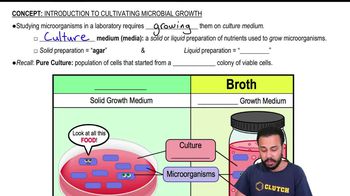
  • Introduction to Cultivating Microbial Growth
    03:49

Introduction to Microbial Genetics

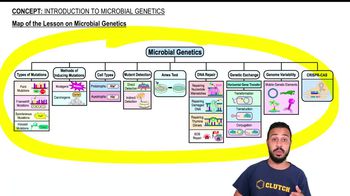
  • Map of the Lesson on Microbial Genetics
    02:04
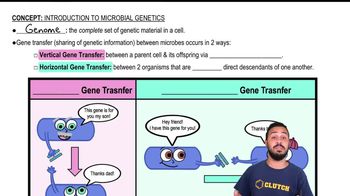
  • Introduction to Microbial Genetics
    04:20

Introduction to Mutations

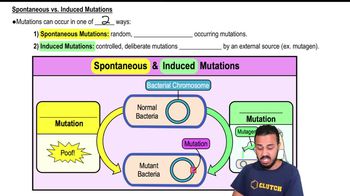
  • Spontaneous vs. Induced Mutations
    02:47
  • Introduction to Mutations
    00:37
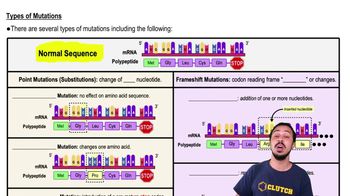
  • Types of Mutations
    08:44

Introduction to DNA Repair

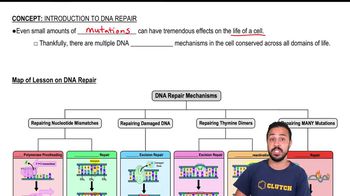
  • Introduction to DNA Repair
    02:47

Introduction to DNA-Based Technology

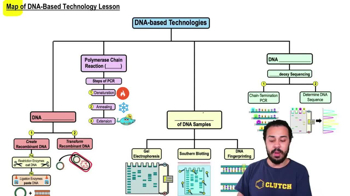
  • Map of DNA-Based Technology Lesson
    03:12
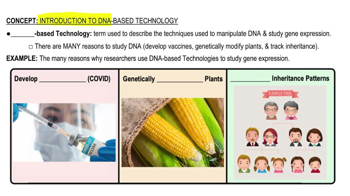
  • Introduction to DNA-Based Technology
    02:30

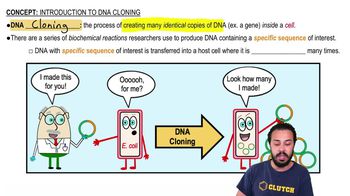
Introduction to DNA Cloning

  • Introduction to DNA Cloning
    02:25
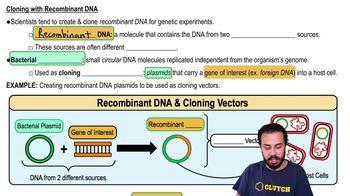
  • Cloning with Recombinant DNA
    03:41

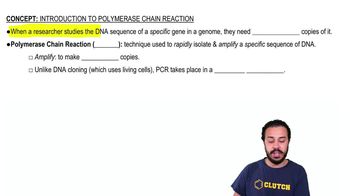
Introduction to Polymerase Chain Reaction

  • Introduction to Polymerase Chain Reaction
    01:31
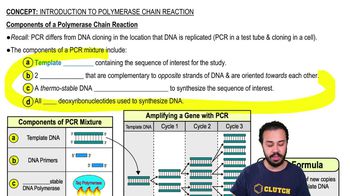
  • Components of a Polymerase Chain Reaction
    05:57
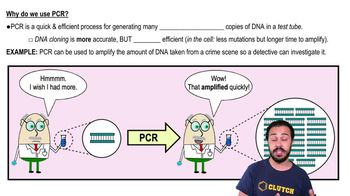
  • Why do we use PCR?
    02:53

Introduction to Vaccines

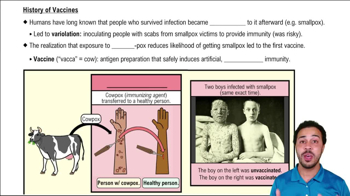
  • History of Vaccines
    04:19
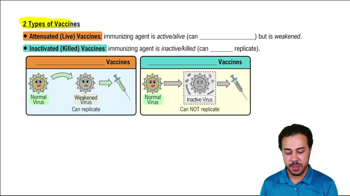
  • 2 Types of Vaccines
    02:03