 Back
Backlec 24:Food and Industrial Microbiology: Microbial Foods, Fermentation, Spoilage, and Preservation
Study Guide - Smart Notes
 Tailored notes based on your materials, expanded with key definitions, examples, and context.
Food and Industrial Microbiology
Introduction to Microbial Foods
Microbial foods are those in which microorganisms play a direct role, either as agents transforming the food (fermentation) or as the food itself (e.g., edible fungi, algae). These foods are essential in human nutrition and food technology, providing protein, vitamins, and unique flavors.
Edible Fungi
Main Types of Edible Fungi
Fungi are a distinct group of organisms, separate from plants and animals. They absorb nutrients from their environment and are consumed in various forms:
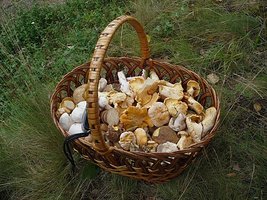
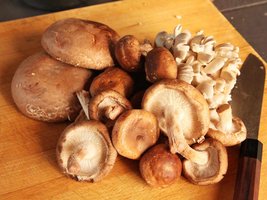
Mushrooms: The visible, fleshy fruiting bodies of certain fungi. Common examples include button, shiitake, and oyster mushrooms. Mushrooms can be cultivated or foraged in the wild, with wild varieties often being more flavorful.
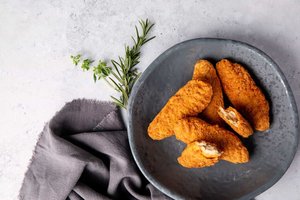
Mycoprotein: A high-protein food product made from fungal mycelium (the root-like structure of fungi), grown in fermentation tanks. Quorn is a well-known example, used as a meat substitute due to its texture and nutritional value.
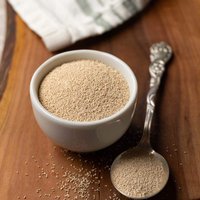
Yeasts and Molds: Microscopic fungi with significant roles in food production. Yeasts are used in bread making and alcohol fermentation, while molds contribute to the production of cheeses, soy sauce, and miso.
Nutritional Importance: Edible fungi are high in protein (containing all essential amino acids), rich in B vitamins and vitamin D, low in fat and calories, and contain antioxidants that support immune health.
Edible Algae and Cyanobacteria
Main Types
Algae and cyanobacteria, often called "sea vegetables," are highly nutritious, providing protein, omega-3 fatty acids, and minerals such as iodine.
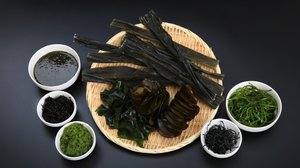
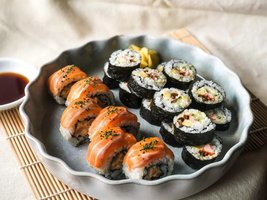
Seaweeds (Macroalgae): Large, visible algae found in oceans, grouped by color: red (e.g., nori), brown (e.g., kelp, wakame), and green (e.g., sea lettuce). Used in various culinary applications, especially in Asian cuisine.
Cyanobacteria ("Blue-green algae"): Actually bacteria, not true algae. Notable examples include Spirulina (about 70% protein) and AFA, both used as dietary supplements.

Microalgae: Tiny, single-celled algae grown in tanks. Chlorella is high in chlorophyll and used as a supplement, while algal oil is a vegan source of omega-3 fatty acids.

Fermented Foods
Overview of Fermentation
Fermented foods are produced through controlled microbial growth, where bacteria, yeasts, or molds break down food components (such as sugars and starches) into alcohols, organic acids, or gases. This process, dating back over 10,000 years, was initially used for preservation but is now valued for flavor, texture, and health benefits.
Core Categories of Fermented Foods
Dairy: Products like yogurt, kefir, and cheese are made by lactic acid bacteria (LAB) fermenting lactose into lactic acid, resulting in thicker texture and tangy flavor.

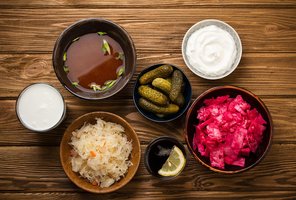
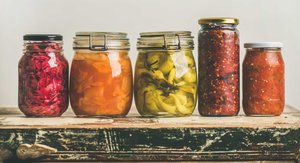
Vegetables: Foods such as sauerkraut, kimchi, and pickles are fermented by natural bacteria present on the vegetables, producing a sour taste and extending shelf life.
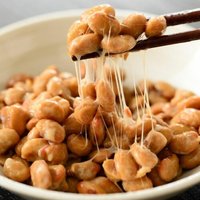
Soy & Legumes: Miso, tempeh, and natto are made from soybeans using specific starter cultures, resulting in high-protein, flavorful foods.
Grains: Sourdough bread is produced using wild yeast and LAB, which ferment the dough, making it rise and improving digestibility.

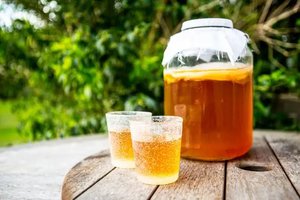
Beverages: Kombucha, water kefir, beer, and wine are made by fermenting sugars with microbes, resulting in unique flavors, carbonation, and sometimes alcohol.
Food Spoilage and Preservation
Food Spoilage
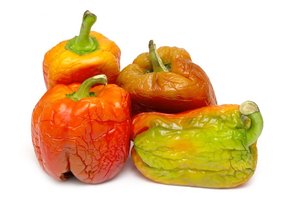
Food spoilage is the process by which food becomes unacceptable for consumption due to chemical, biological, or physical changes. Preservation techniques are used to slow or prevent these changes, extending shelf life.
Major Types of Food Spoilage
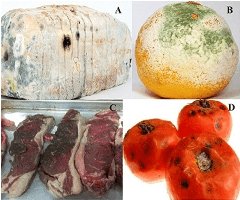
Microbial Spoilage: Caused by bacteria, yeasts, and molds producing enzymes that degrade food, resulting in off-odors, flavors, slime, or gas production.
Chemical Spoilage: Non-biological reactions such as fat oxidation (rancidity) or enzymatic browning in fruits.
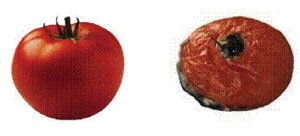
Physical Spoilage: Environmental damage like drying out, freezer burn, or bruising during handling.
Foodborne Pathogens
Overview
Foodborne pathogens are harmful microorganisms (bacteria, viruses, parasites) that cause illness when ingested with contaminated food or water. They are a significant public health concern, causing millions of illnesses annually.
High-Risk Pathogens: Norovirus (most common, causes vomiting and diarrhea), Salmonella (leading cause of death), Salmonella Typhi (typhoid fever), E. coli (STEC, risk of kidney failure), Shigella (transmitted by poor hygiene), Hepatitis A virus (liver infection).
Other Important Bacterial Pathogens: Campylobacter (poultry, unpasteurized milk), Listeria monocytogenes (grows at refrigeration temperatures, deli meats, soft cheese), Clostridium perfringens (improperly stored foods), Bacillus cereus (rice, pasta).
Parasitic Pathogens: Toxoplasma gondii (undercooked meat), Cryptosporidium (waterborne), Cyclospora (fresh produce).
Food Preservation
Core Scientific Principles
Food preservation extends shelf life by manipulating environmental factors that affect microbial growth, enzyme activity, and chemical reactions.
Water Activity: Reducing available moisture through dehydration or by adding solutes (salt, sugar) inhibits microbial growth. Dehydration removes 80–95% of moisture, using controlled heat and air circulation.
pH Levels: Lowering pH (increasing acidity) through pickling or fermentation creates an environment hostile to most bacteria. Foods with pH ≤ 4.6 are safe for water bath canning; those with pH > 4.6 require pressure canning.
Heat (Thermal Processing): Pasteurization, blanching, and commercial sterilization use heat to destroy microorganisms and enzymes.
Oxygen Availability: Removing oxygen via vacuum packaging or modified atmospheres prevents aerobic spoilage and fat oxidation.
Key Techniques
Pasteurization: Uses mild heat (60–85 °C) to kill pathogens in liquids like milk and juice, without destroying all spores.

Blanching: Briefly scalds vegetables to inactivate enzymes before freezing or drying.
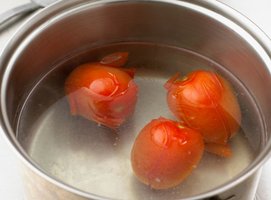
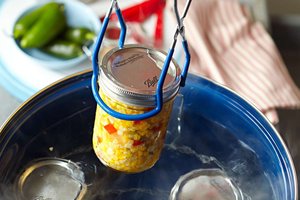
Canning: Seals food and heats it; low-acid foods require high temperatures (above 121 °C) in a pressure canner, while acidic foods can be processed in boiling water.
UHT Processing: Rapid heating to 135–150 °C for 2–5 seconds, followed by aseptic packaging for shelf-stable products.
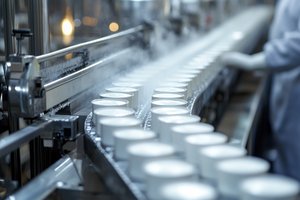
Vacuum Packaging: Removes oxygen to inhibit aerobic microbes and slow spoilage.

Hurdle Technology
Hurdle technology combines several mild preservation methods, each acting as a "hurdle" to microbial survival. The synergistic effect allows for lower levels of each method, preserving food quality while ensuring safety.
Example (Fermented Sausage): Salt and nitrites, low oxygen, low pH from fermentation, and low water activity are combined to inhibit microbial growth.
Modern & Emerging Food Preservation Technologies
High-Pressure Processing (HPP): Uses very high pressure (up to ~800 MPa) to kill microbes while maintaining fresh taste and nutrients.
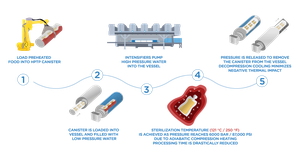
Cold Plasma: Uses ionized gas to destroy microbes on food surfaces without chemicals.
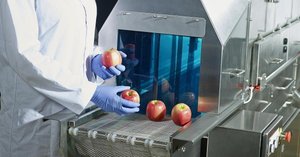
Smart Packaging: Bioplastic films and packaging that can detect freshness, such as color-changing labels.
Summary Table: Major Food Spoilage Types
Type | Cause | Example |
|---|---|---|
Microbial | Bacteria, yeasts, molds | Moldy bread, sour milk |
Chemical | Oxidation, enzymatic reactions | Rancid butter, browned apples |
Physical | Environmental damage | Wilting, freezer burn |
Additional info: This guide covers key aspects of food and industrial microbiology, including the roles of microorganisms in food production, spoilage, and preservation, as well as modern technological advances in the field.
