Back

Gram-Positive Cocci of Medical Importance: Staphylococcus, Streptococcus, and Enterococcus

Study Guide - Learn with Videos

Curated lessons matched to your uploaded material – learn every topic step by step.

Members of the Bacterial World

  • Members of the Bacterial World
    06:17
Introduction to Bacteria

  • Introduction to Bacteria
    06:18

Bacterial Cell Morphology & Arrangements

  • Types of Bacterial Cell Morphology
    02:44
  • Bacterial Cell Morphology & Arrangements
    01:13
  • Bacilli Bacterial Cell Arrangements
    03:56

Introduction to Bacterial Cell Walls

  • Peptidoglycan
    01:58
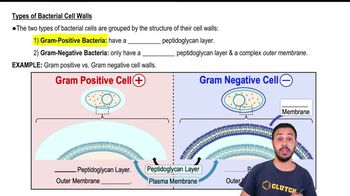
  • Types of Bacterial Cell Walls
    02:44
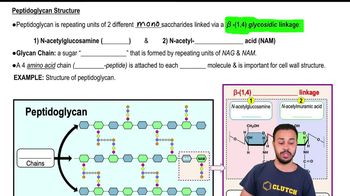
  • Peptidoglycan Structure
    04:44

Gram-Positive Cell Walls

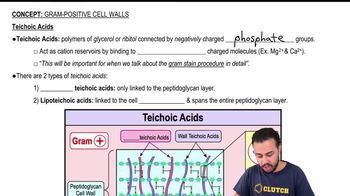
  • Teichoic Acids
    03:58
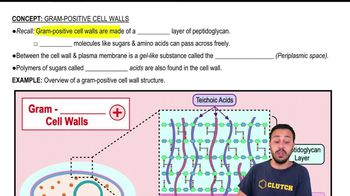
  • Gram-Positive Cell Walls
    02:59

Gram-Positive vs. Gram-Negative Cell Walls

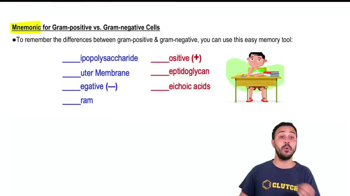
  • Mnemonic for Gram-Positive vs. Gram-Negative Cell Walls
    01:41
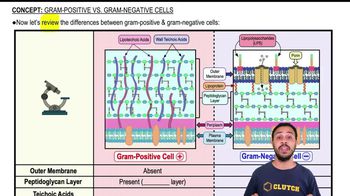
  • Gram-Positive vs. Gram-Negative Cell Walls
    04:46

The Glycocalyx: Capsules & Slime Layers

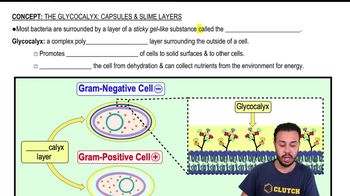
  • The Glycocalyx: Capsules & Slime Layers
    02:26
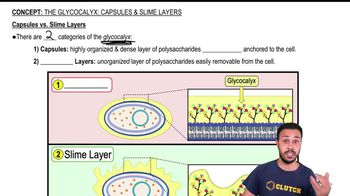
  • Capsules vs. Slime Layers
    01:53

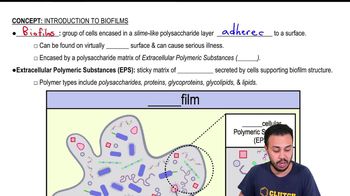
Introduction to Biofilms

  • Introduction to Biofilms
    03:31

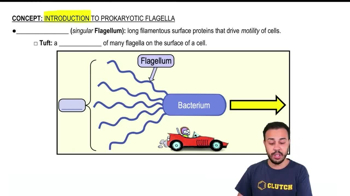
Introduction to Prokaryotic Flagella

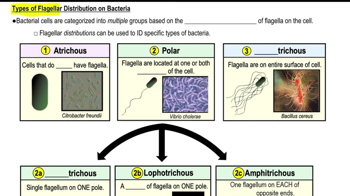
  • Types of Flagellar Distribution on Bacteria
    05:22
  • Introduction to Prokaryotic Flagella
    02:07

Prokaryotic Flagellar Structure

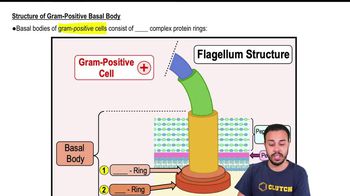
  • Structure of Gram-Positive Basal Body
    02:28
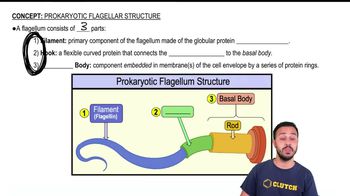
  • Prokaryotic Flagellar Structure
    02:53
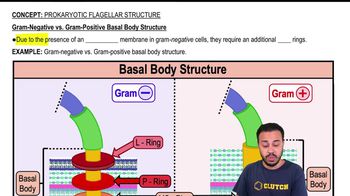
  • Gram-Negative vs. Gram-Positive Basal Body Structure
    01:59

Prokaryotic Flagellar Movement

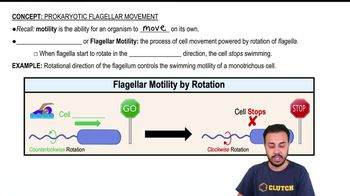
  • Prokaryotic Flagellar Movement
    02:43
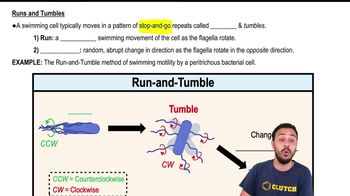
  • Runs and Tumbles
    03:17
Proton Motive Force Drives Flagellar Motility

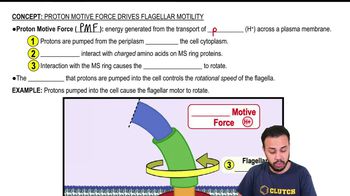
  • Proton Motive Force Drives Flagellar Motility
    04:17
Chemotaxis

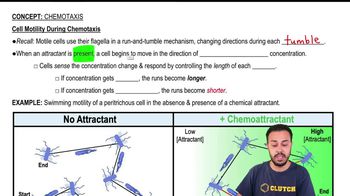
  • Cell Motility During Chemotaxis
    05:11
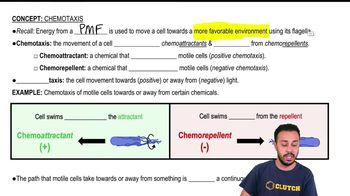
  • Chemotaxis
    03:21

Review of Prokaryotic Surface Structures

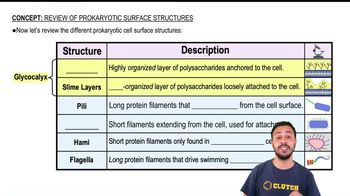
  • Review of Prokaryotic Surface Structures
    03:52
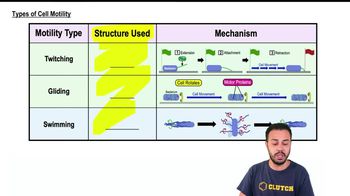
  • Types of Cell Motility
    02:13

Prokaryotic Ribosomes

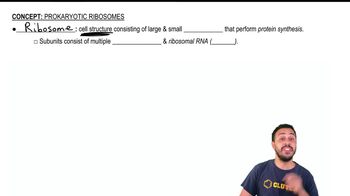
  • Prokaryotic Ribosomes
    01:51
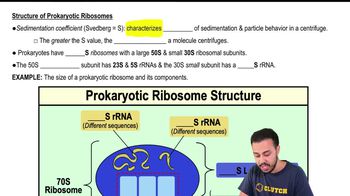
  • Structure of Prokaryotic Ribosomes
    08:39

Introduction to Bacterial Plasmids

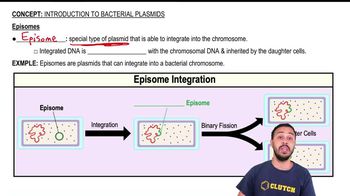
  • Episomes
    01:47
  • Introduction to Bacterial Plasmids
    02:52

Introduction to Cultivating Microbial Growth

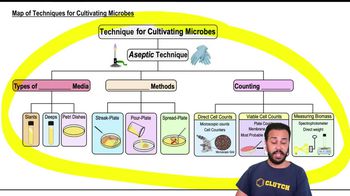
  • Map of Techniques for Cultivating Microbes
    02:05
  • Introduction to Cultivating Microbial Growth
    03:49

Types of Solid Culture Media

  • Types of Solid Culture Media
    03:16

Plating Methods

  • Streak-Plate Method
    05:16
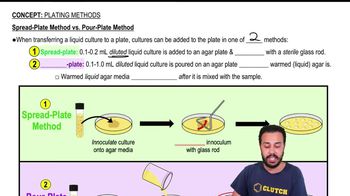
  • Spread-Plate Method vs. Pour-Plate Method
    05:36

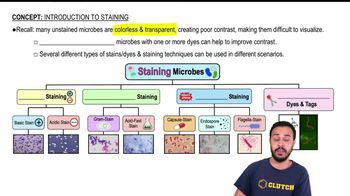
Introduction to Staining

  • Introduction to Staining
    02:10

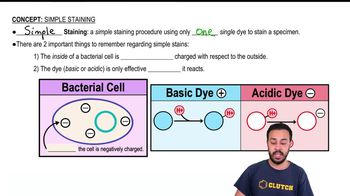
Simple Staining

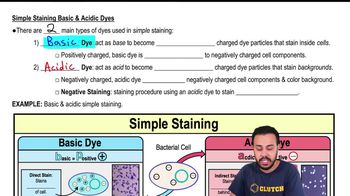
  • Simple Staining
    03:23
  • Simple Staining Basic & Acidic Dyes
    05:30

Differential Staining

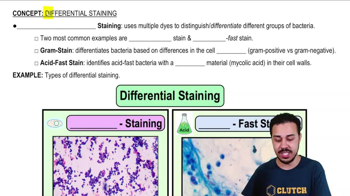
  • Differential Staining
    04:07

Gram Stain

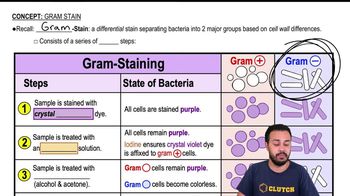
  • Gram Stain
    04:57

Growing a Pure Culture

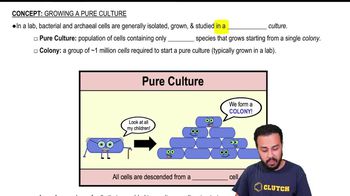
  • Growing a Pure Culture
    02:58

Characteristics of Infectious Disease

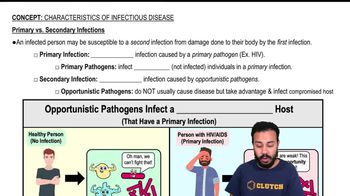
  • Primary vs. Secondary Infections
    04:16
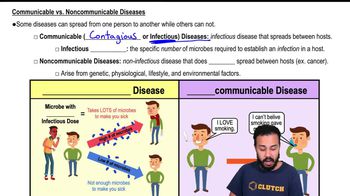
  • Communicable vs. Noncommunicable Diseases
    04:57
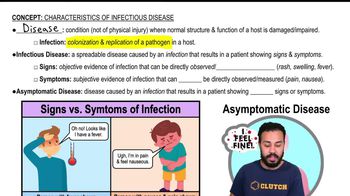
  • Intro to Characteristics of Infectious Disease
    05:09

Bacterial Pathogenesis

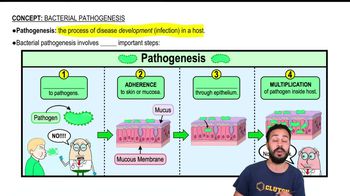
  • Intro to Bacterial Pathogenesis
    02:35
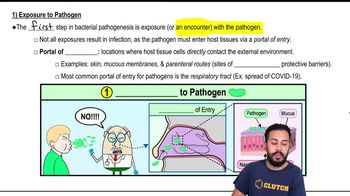
  • 1) Exposure to Pathogen
    03:27
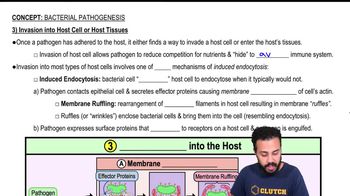
  • 3) Invasion into Host Tissues
    05:38

Introduction to Pathogenic Toxins

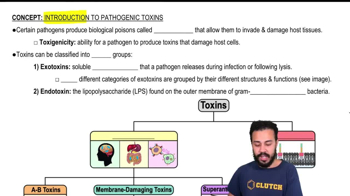
  • Introduction to Pathogenic Toxins
    03:40

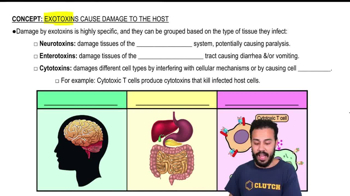
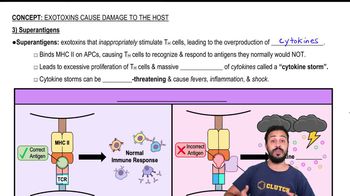
Exotoxins Cause Damage to the Host

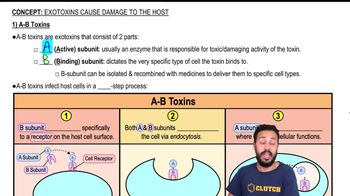
  • 1) A-B Toxins
    04:44
  • Types of Exotoxins
    03:30
  • 3) Superantigens
    03:59

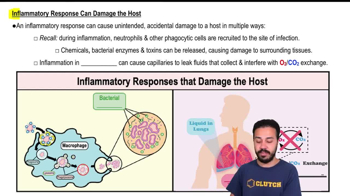
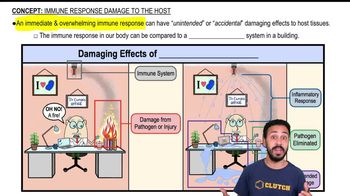
Immune Response Damage to the Host

  • Inflammatory Response Can damage the Host
    03:31
  • Intro to Immune Response Damage
    02:57
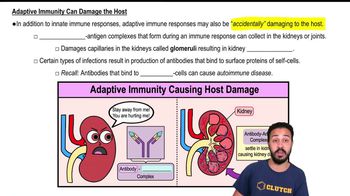
  • Adaptive Immunity Can Damage the Host
    03:22

Introduction to Avoiding Host Defense Mechanisms

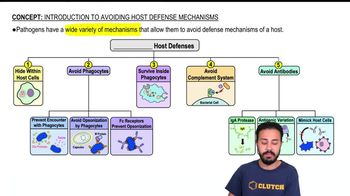
  • Introduction to Avoiding Host Defense Mechanisms
    01:59

1) Hide Within Host Cells

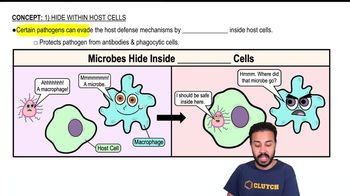
  • Hide Within Host Cells
    01:50

2) Avoiding Phagocytosis

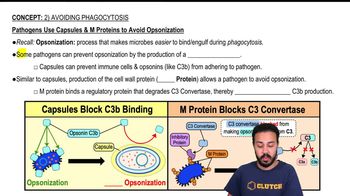
  • Pathogen Use Capsules & M Proteins to Avoid Opsonization
    05:25
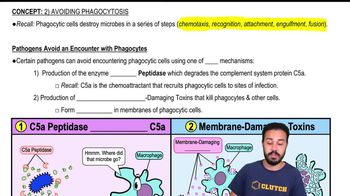
  • Pathogens Avoid Encounter with Phagocytes
    05:13
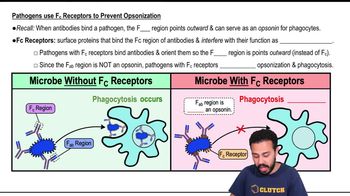
  • Pathogens Use Fc Receptors to Prevent Opsonization
    03:48

3) Surviving Inside Phagocytic Cells

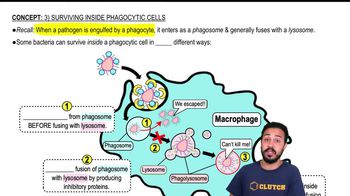
  • Surviving Inside Phagocytic Cells
    04:18

4) Avoiding Complement System

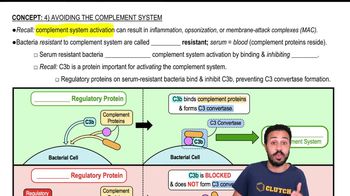
  • Avoiding Complement System
    04:53

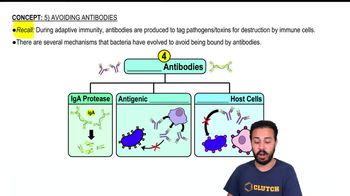
5) Avoiding Antibodies

  • Bacteria Avoid Antibodies by Producing IgA Proteases
    02:59
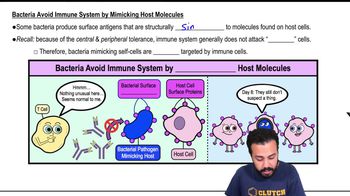
  • Bacteria Avoid Immune System by Mimicking Host Molecules
    03:11
  • Intro to Avoiding Antibodies
    01:35