Back
Host–Microbe Interactions and Pathogenesis: Microbiology Study Guide
Study Guide - Smart Notes
 Tailored notes based on your materials, expanded with key definitions, examples, and context.
Host–Microbe Interactions and Pathogenesis
Introduction
This chapter explores the complex relationships between hosts and microbes, emphasizing that not all interactions are harmful. It covers the mechanisms by which pathogens cause disease, the factors influencing virulence, and the steps required for infection. Understanding these concepts is essential for microbiology students studying infectious diseases and clinical microbiology.
Host–Microbe Interactions
Normal Microbiota and Mutualism
Normal microbiota colonize various body sites, including the skin, digestive, genital, urinary, and respiratory systems. These microbes often have mutualistic relationships with the host, providing benefits such as vitamin synthesis, competition with pathogens, and immune system maturation. Disruption of this balance, known as dysbiosis, can compromise health and lead to disease.
Mutualism: Both host and microbe benefit.
Dysbiosis: Disruption of normal microbiota, often due to antibiotics, can allow pathogens like Clostridioides difficile to flourish.
Pathogens: Microbes with adaptations to cause disease.
Opportunistic Pathogens: Cause disease under certain conditions, such as immune suppression or entry into unusual sites.
Host Factors and Pathogenicity
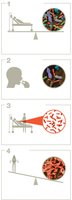
Host factors, such as immune fitness and microbiota composition, influence whether a microbe is pathogenic. For example, Group B Streptococcus is harmless in adults but can cause severe disease in newborns. The immune system maintains a balanced response to resident microbes, but opportunistic pathogens can exploit weakened defenses.
Tropism and Virulence
Tropism
Tropism refers to a pathogen's preference for specific hosts or tissues. This specificity is determined by host features and can change over time, especially in emerging pathogens.
Host factors (age, gender, health) impact disease development.
Virulence and Virulence Factors
Pathogenicity is the ability to cause disease, while virulence describes the degree of disease caused. Virulence factors are mechanisms that help pathogens overcome host defenses, such as adhesion, invasion, immune evasion, and toxin production.
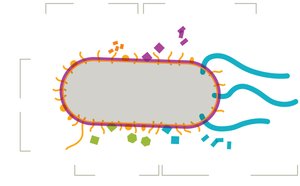
Virulence factors require energy investment and evolve in response to host and environmental pressures.
Transmission and Dosage
Transmission and Reproduction Number
Virulence factors are often linked to transmission. The basic reproduction number (R0) measures how contagious a pathogen is. The effective reproduction number changes during epidemics and pandemics.
Dosage and Health Outcomes
The amount of pathogen or toxin exposure affects health outcomes. Two key measures are:
Infectious dose-50 (ID50): Number of cells or virions needed to infect 50% of exposed hosts.
Lethal dose-50 (LD50): Amount of toxin needed to kill 50% of affected hosts.
These values depend on species, immune fitness, and route of exposure.
Toxins as Virulence Factors
Endotoxins
Endotoxins are lipid A components of lipopolysaccharide (LPS) in Gram-negative bacteria. They are released when bacteria die and can cause severe symptoms, including septic shock.
Not readily neutralized; no vaccines available.
Endotoxemia: Endotoxin in the bloodstream from infections or medical complications.
Exotoxins
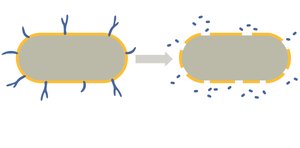
Exotoxins are toxic, soluble proteins produced by both Gram-positive and Gram-negative bacteria. They are classified by their mode of action:
Type I: Membrane-acting extracellular toxins (signal propagation).
Type II: Membrane-damaging toxins (cell lysis).
Type III: Intracellular toxins (AB toxins).
Exotoxins are named by the organism or cell type they target (e.g., neurotoxins, enterotoxins).
Steps to Infection
Five Steps to Infection
To establish infection, a pathogen must:
Enter the host
Adhere to host tissues
Invade tissues and obtain nutrients
Evade immune defenses
Transmit to a new host
Portals of Entry
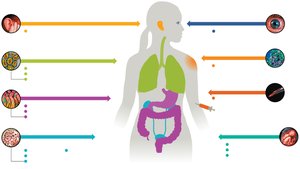
Pathogens use specific portals of entry, often mucous membranes. Common entry sites include respiratory, gastrointestinal, urogenital, skin, ocular, otic, and parenteral routes.
Adhesion Factors
After entry, pathogens must adhere to host tissues. Adhesins are virulence factors that facilitate attachment, including cell wall components, capsules, fimbriae, and pili.
Biofilms and Quorum Sensing
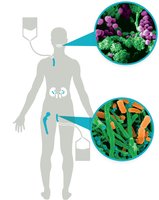
Bacteria form biofilms on natural and manmade surfaces, contributing to persistent infections. Biofilms are common on implanted devices and in organs.
Invasion and Nutrient Acquisition
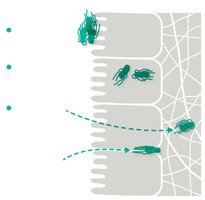
Pathogens invade tissues using invasins and motility. They obtain nutrients through siderophores (iron acquisition) and extracellular enzymes (lipases, proteases).
Cytopathic Effects
Pathogens cause cytopathic effects, which may be cytocidal (cell death) or noncytocidal (cell damage). The immune response can also cause tissue damage.
Immune Evasion
Hiding from Immune Defenses
Pathogens evade immune detection through intracellular lifestyles, latency, antigenic masking, mimicry, and variation.

Undermining the Immune Response
Pathogens may interfere with phagocytosis, suppress immune responses, or thrive inside phagolysosomes. Mechanisms include capsules, toxins, and proteases.
Transmission and Portals of Exit
Transmission to New Hosts
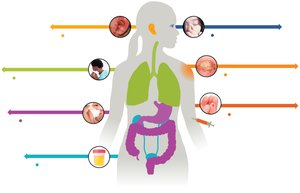
Symptoms such as itchiness, sneezing, coughing, and diarrhea facilitate transmission. Pathogens exit via portals such as feces, urine, blood, saliva, mucus, and semen.
Reservoirs
Pathogen reservoirs include environmental niches, organisms, and fomites.
Biosafety and Infection Control
Biosafety Levels
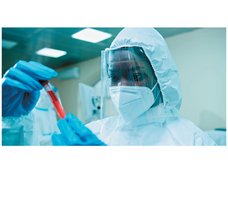
Biosafety levels (BSL-1 to BSL-4) dictate laboratory and healthcare practices based on pathogen risk. Higher levels require specialized equipment and protocols.
BSL-1: Minimal risk, well-characterized agents.
BSL-2: Infectious agents, not airborne; includes human bodily fluids.
BSL-3: Serious or lethal diseases, often airborne; restricted access and PPE required.
BSL-4: Dangerous, exotic pathogens with no cures; highest precautions.
Infection Control Practices
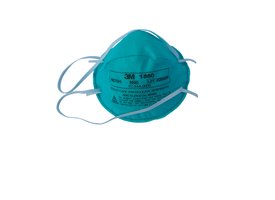
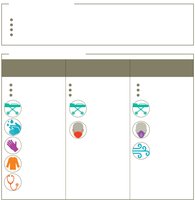
Healthcare facilities use standard and transmission precautions to protect workers and patients. Standard precautions include hand hygiene, gloves, barrier clothing, and disinfection. Transmission precautions address contact, droplet, and airborne risks.
Visual Summary
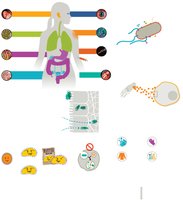
The five steps to infection, virulence factors, biosafety levels, and infection control practices are visually summarized for quick review.