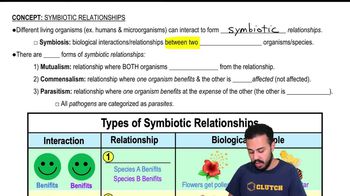
Symbiotic Relationships
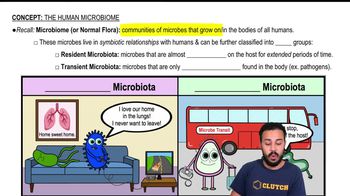
The Human Microbiome
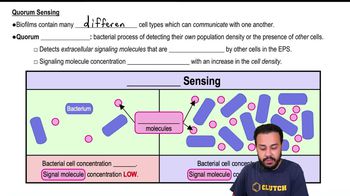
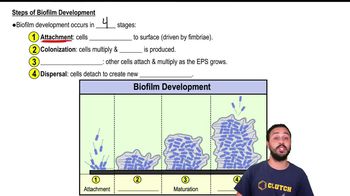
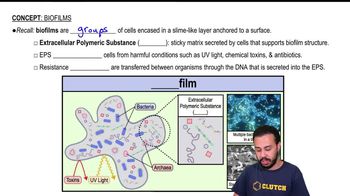
Biofilms
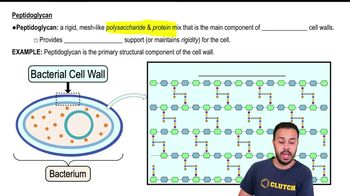
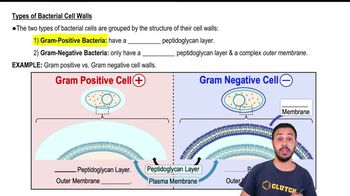
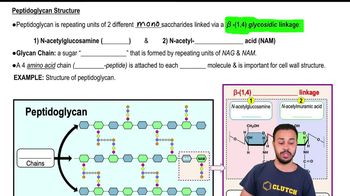
Introduction to Bacterial Cell Walls
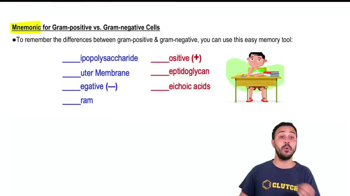
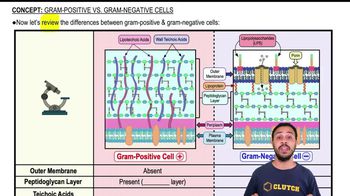
Gram-Positive vs. Gram-Negative Cell Walls
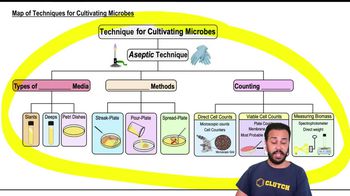
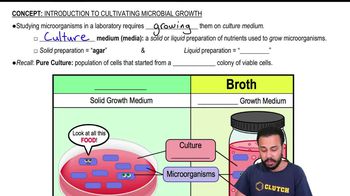
Introduction to Cultivating Microbial Growth
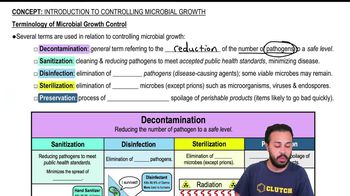
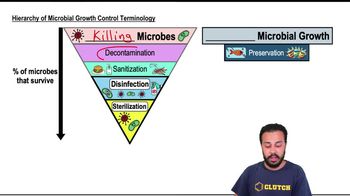
Introduction to Controlling Microbial Growth
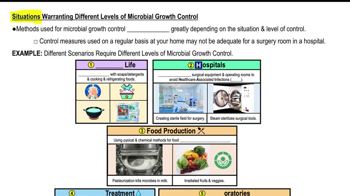
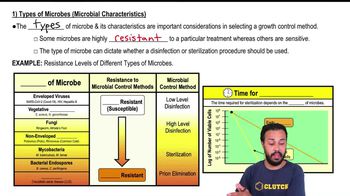
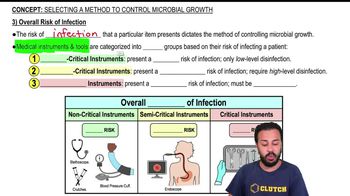
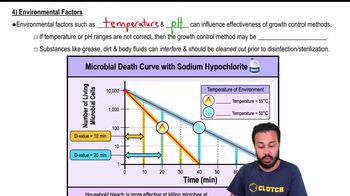
Selecting a Method to Control Microbial Growth
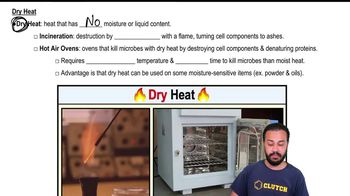
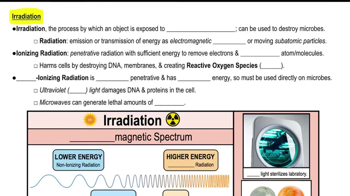
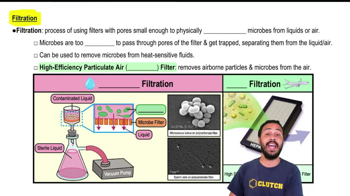
Physical Methods to Control Microbial Growth
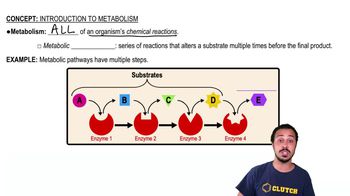
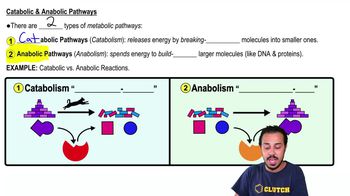
Introduction to Metabolism
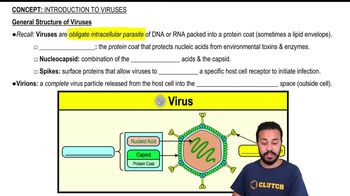
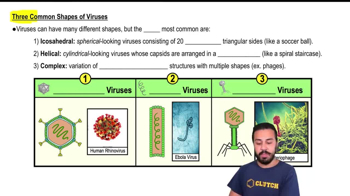
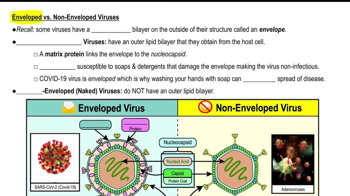
Introduction to Viruses
Characteristics of Infectious Disease
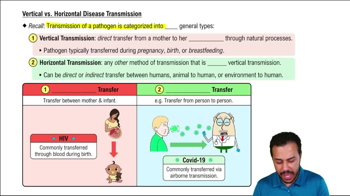
Disease Transmission
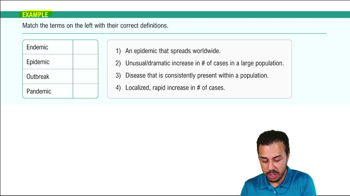
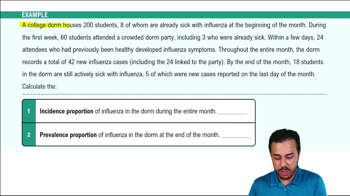
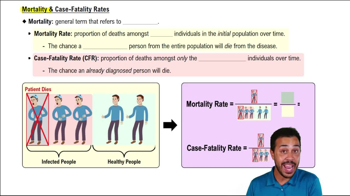
Introduction to Epidemiology
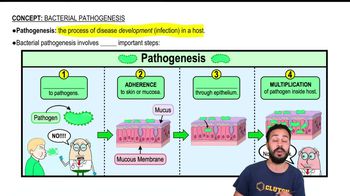
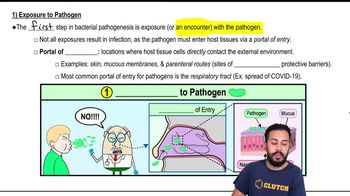
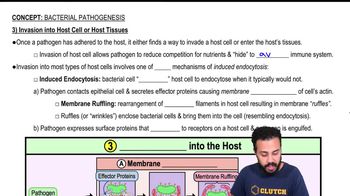
Bacterial Pathogenesis
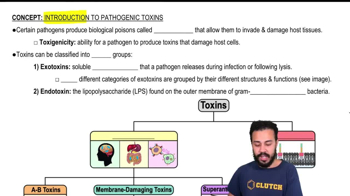
Introduction to Pathogenic Toxins
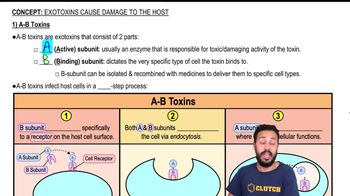
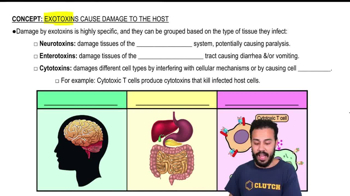
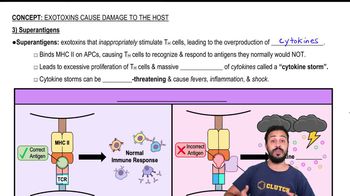
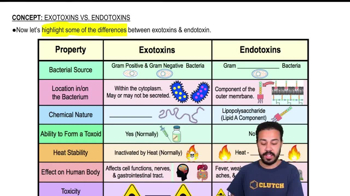
Exotoxins Cause Damage to the Host
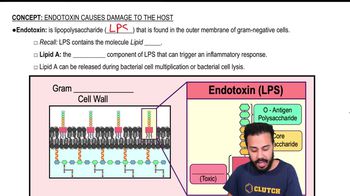
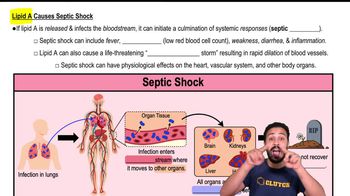
Endotoxin Causes Damage to the Host
Exotoxins vs. Endotoxin Review
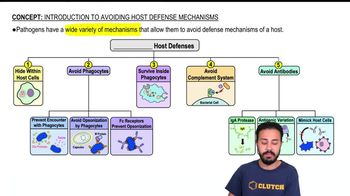
Introduction to Avoiding Host Defense Mechanisms
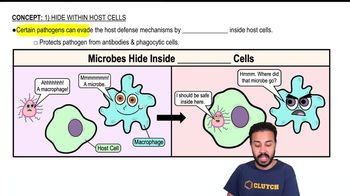
1) Hide Within Host Cells
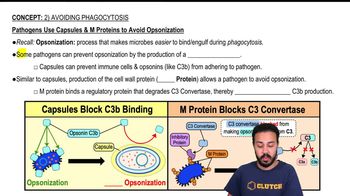
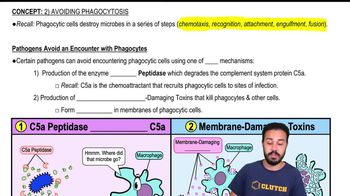
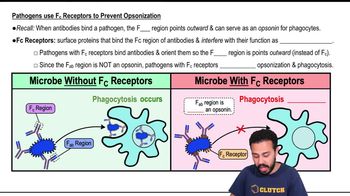
2) Avoiding Phagocytosis
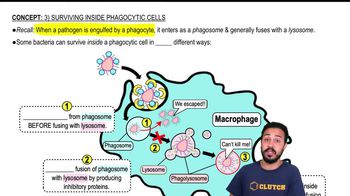
3) Surviving Inside Phagocytic Cells
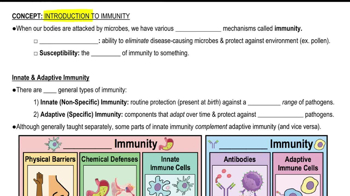
Introduction to Immunity
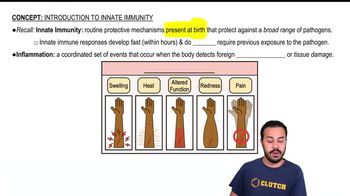
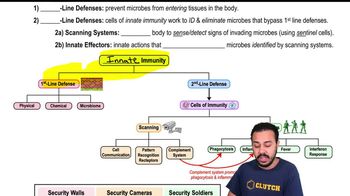
Introduction to Innate Immunity
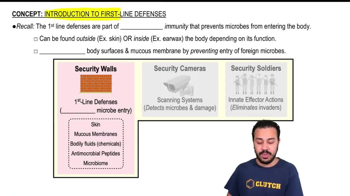
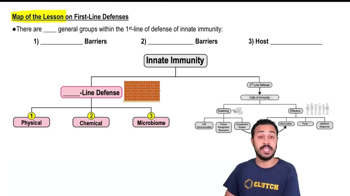
Introduction to First-Line Defenses
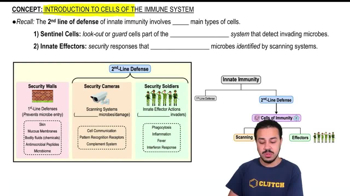
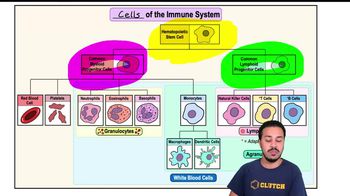
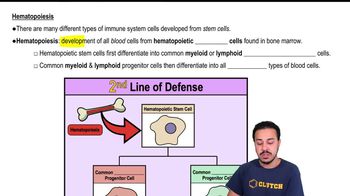
Introduction to Cells of the Immune System
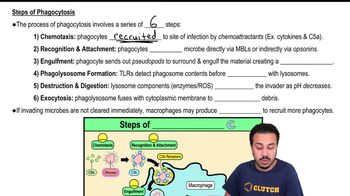
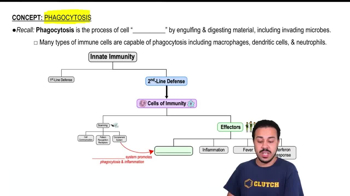
Phagoctytosis
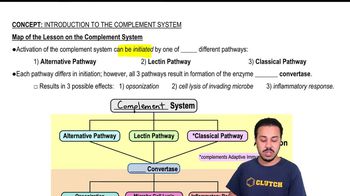
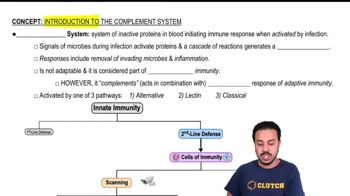
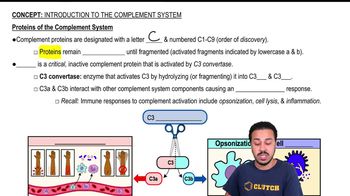
Introduction to the Complement System
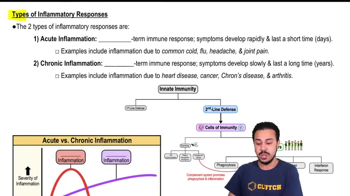
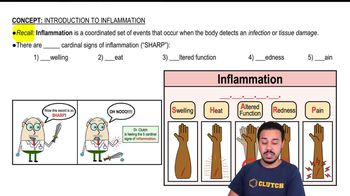
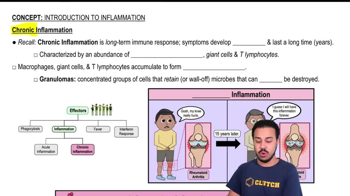
Introduction to Inflammation
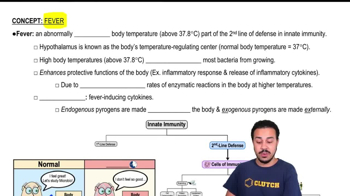
Fever
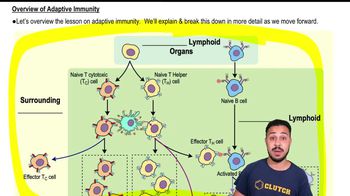
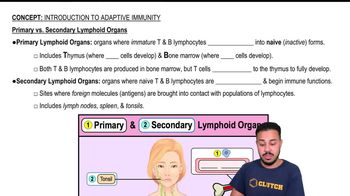
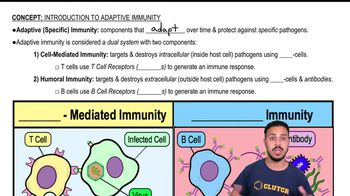
Introduction to Adaptive Immunity
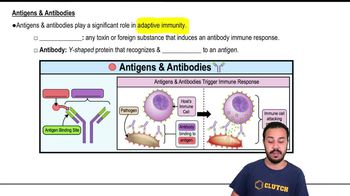
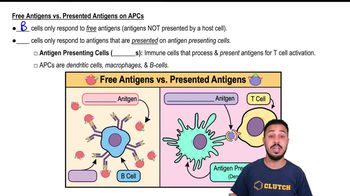
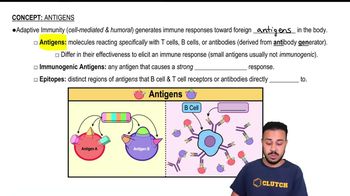
Antigens
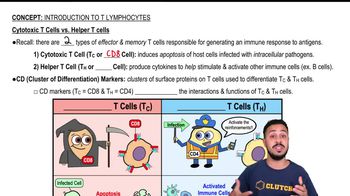
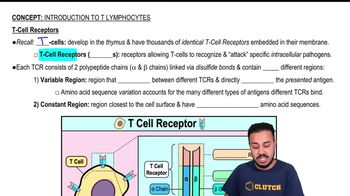
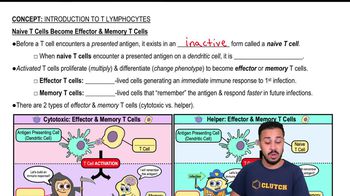
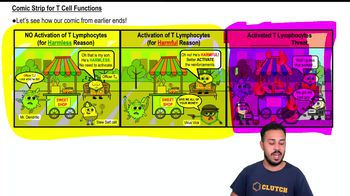
Introduction to T Lymphocytes
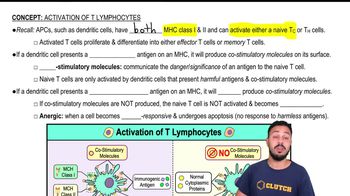
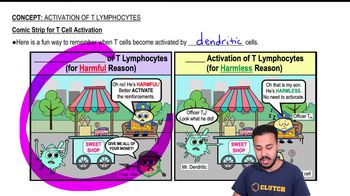
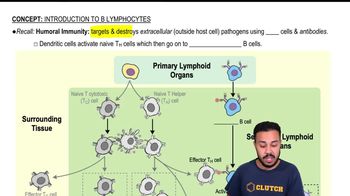
Activation of T Lymphocytes
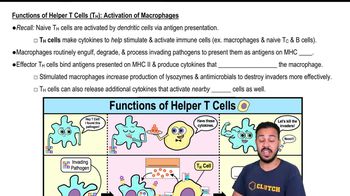
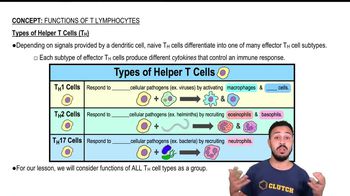
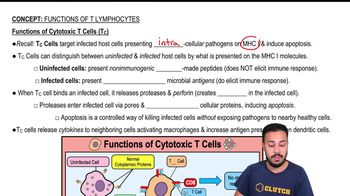
Functions of T Lymphocytes
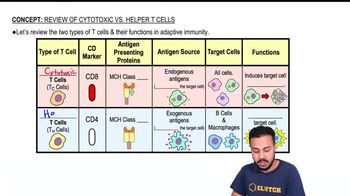
Review of Cytotoxic vs Helper T Cells
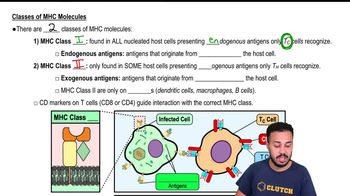
Major Histocompatibility Complex Molecules
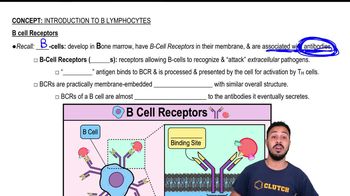
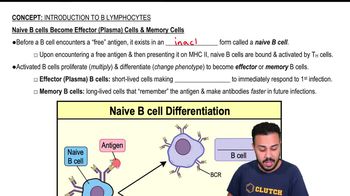
Introduction to B Lymphocytes
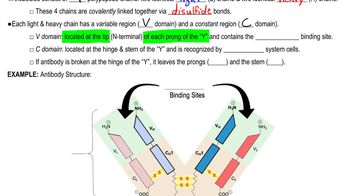
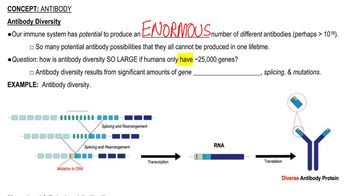
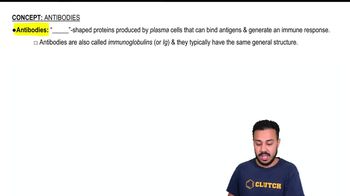
Antibodies
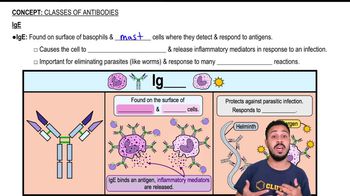
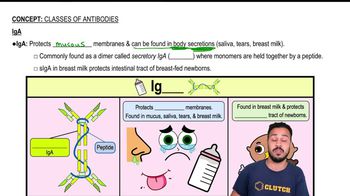
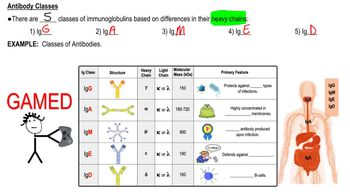
Classes of Antibodies
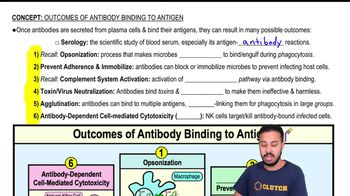
Outcomes of Antibody Binding to Antigen
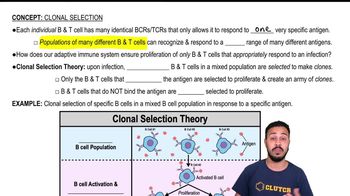
Clonal Selection
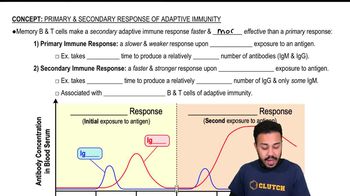
Primary and Secondary Response of Adaptive Immunity
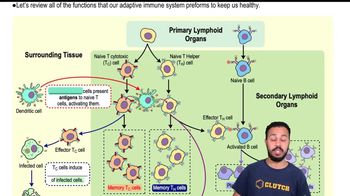
Review of Adaptive Immunity
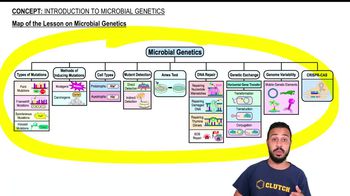
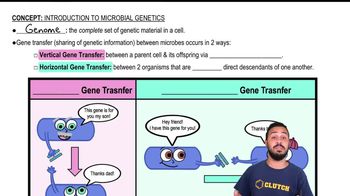
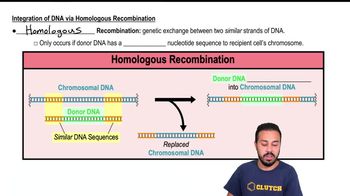
Introduction to Microbial Genetics
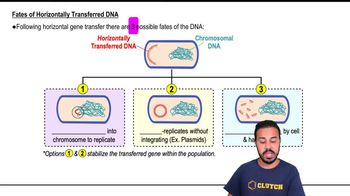
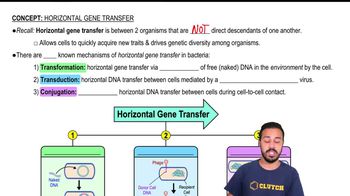
Horizontal Gene Transfer
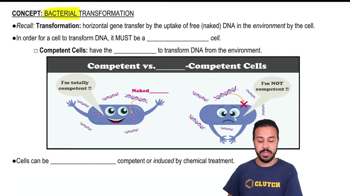
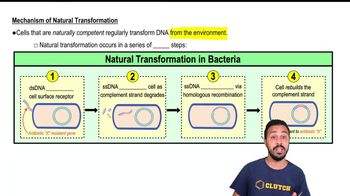
Bacterial Transformation
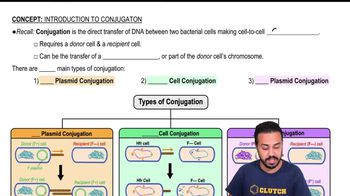
Introduction to Conjugation
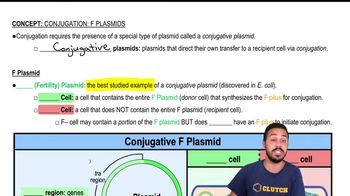
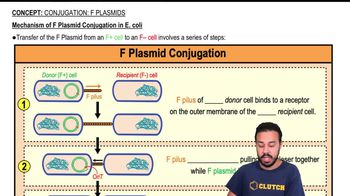
Conjugation: F Plasmids
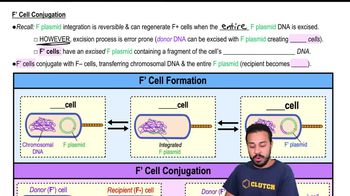
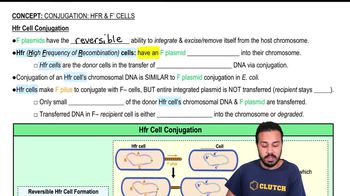
Conjugation: Hfr & F' Cells
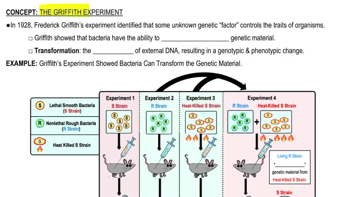
The Griffith Experiment
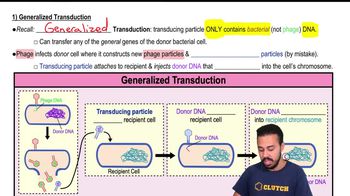
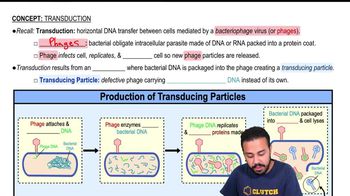
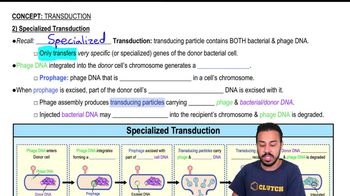
Transduction
 Back
 Curated lessons matched to your uploaded material – learn every topic step by step.
 05:59