Back

Host–Microbe Interactions and Pathogenesis: Microbiology Study Guide

Study Guide - Learn with Videos

Curated lessons matched to your uploaded material – learn every topic step by step.

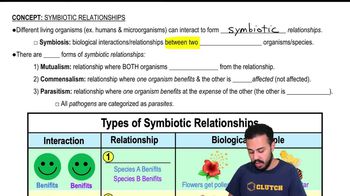
Symbiotic Relationships

  • Symbiotic Relationships
    05:59
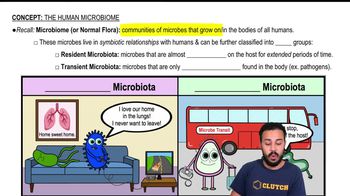
The Human Microbiome

  • The Human Microbiome
    03:25
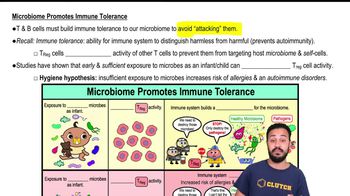
  • Microbiome Promotes Immune Tolerance
    05:48
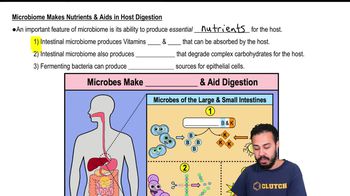
  • Microbiome Makes Nutrients & Aids in Host Digestion
    03:26

Biofilms

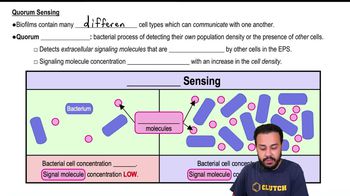
  • Quorum Sensing
    04:13
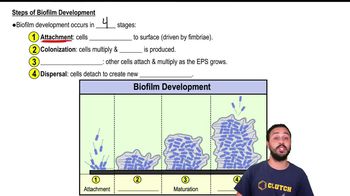
  • Steps of Biofilm Development
    04:32
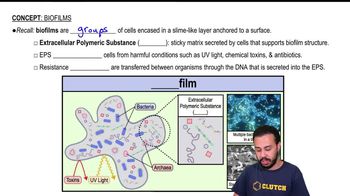
  • Biofilms
    03:14

Introduction to Bacterial Cell Walls

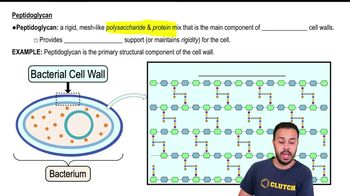
  • Peptidoglycan
    01:58
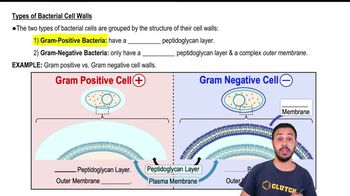
  • Types of Bacterial Cell Walls
    02:44
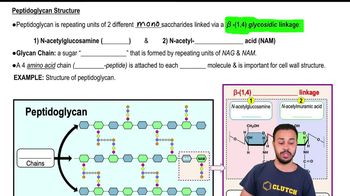
  • Peptidoglycan Structure
    04:44

Gram-Positive vs. Gram-Negative Cell Walls

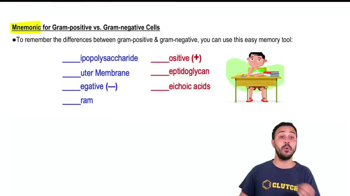
  • Mnemonic for Gram-Positive vs. Gram-Negative Cell Walls
    01:41
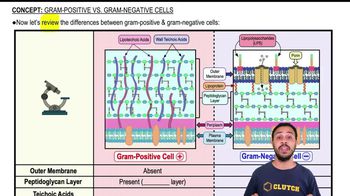
  • Gram-Positive vs. Gram-Negative Cell Walls
    04:46

Introduction to Cultivating Microbial Growth

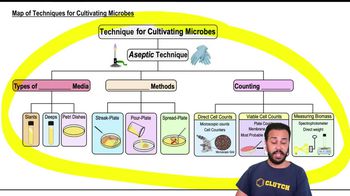
  • Map of Techniques for Cultivating Microbes
    02:05
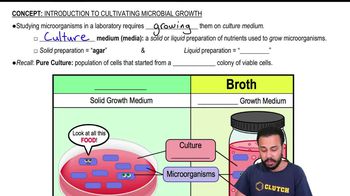
  • Introduction to Cultivating Microbial Growth
    03:49

Introduction to Controlling Microbial Growth

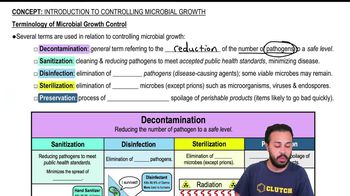
  • Terminology of Microbial Growth Control
    07:36
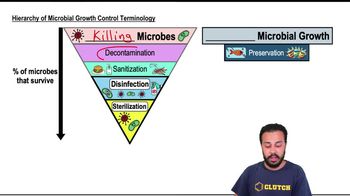
  • Hierarchy of Microbial Growth Control Terminology
    03:09
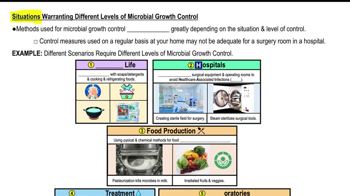
  • Situations Warranting Different Levels of Microbial Growth Control
    05:58

Selecting a Method to Control Microbial Growth

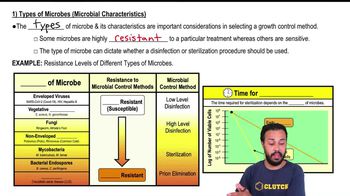
  • Types of Microbes (Microbial Characteristics)
    07:24
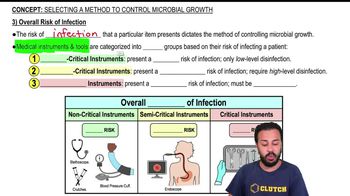
  • Overall Risk of Infection
    04:52
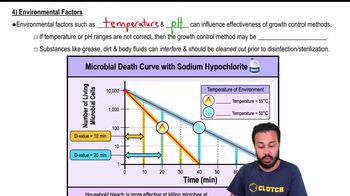
  • Environmental Factors
    04:18

Physical Methods to Control Microbial Growth

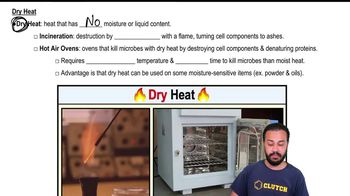
  • Dry Heat
    02:58
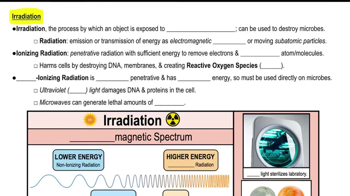
  • Irradiation
    06:18
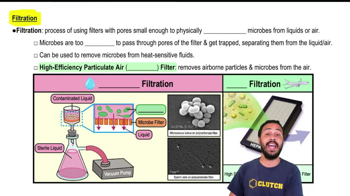
  • Filtration
    04:29

Introduction to Metabolism

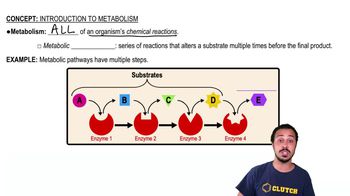
  • Introduction to Metabolism
    02:17
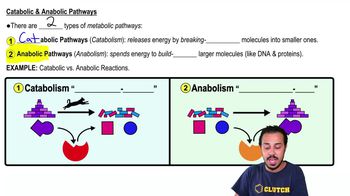
  • Catabolic & Anabolic Pathways
    03:25

Introduction to Viruses

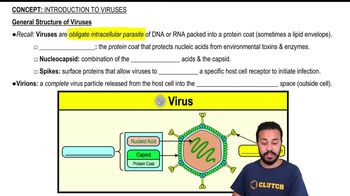
  • General Structure of Viruses
    04:47
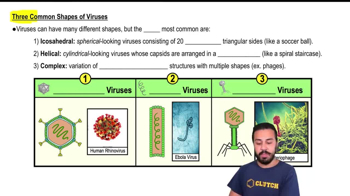
  • Three Common Shapes of Viruses
    03:19
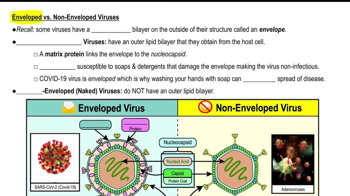
  • Enveloped vs. Non-Enveloped Viruses
    05:09

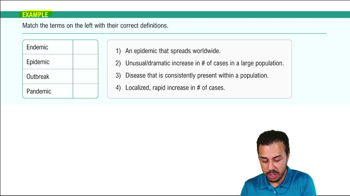
Introduction to Epidemiology

  • Introduction to Epidemiology Example 1
    01:48
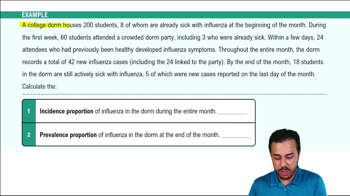
  • Introduction to Epidemiology Example 2
    05:15
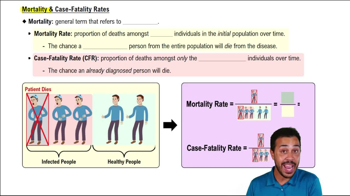
  • Mortality & Case-Fatality Rates
    02:28

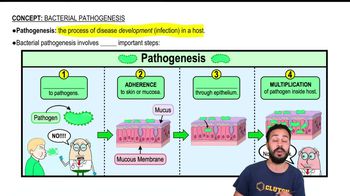
Bacterial Pathogenesis

  • Intro to Bacterial Pathogenesis
    02:35
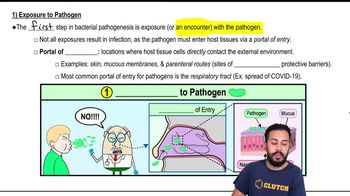
  • 1) Exposure to Pathogen
    03:27
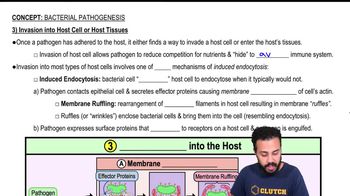
  • 3) Invasion into Host Tissues
    05:38

Introduction to Pathogenic Toxins

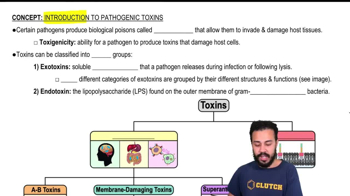
  • Introduction to Pathogenic Toxins
    03:40

Exotoxins Cause Damage to the Host

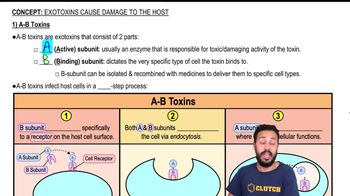
  • 1) A-B Toxins
    04:44
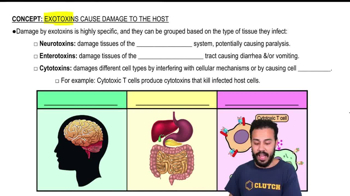
  • Types of Exotoxins
    03:30
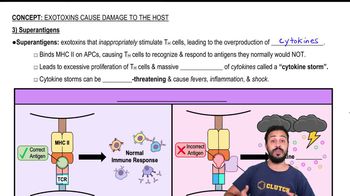
  • 3) Superantigens
    03:59
Endotoxin Causes Damage to the Host

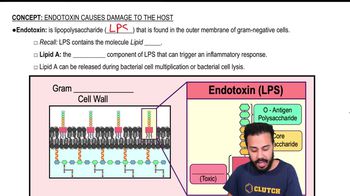
  • Endotoxin
    02:46
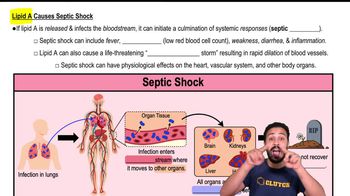
  • Lipid A Causes Septic Shock
    03:24

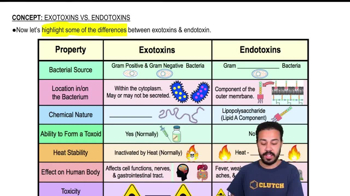
Exotoxins vs. Endotoxin Review

  • Exotoxins vs. Endotoxin Review
    07:22

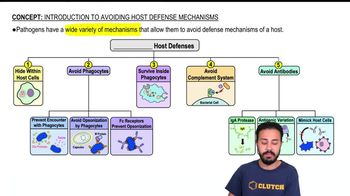
Introduction to Avoiding Host Defense Mechanisms

  • Introduction to Avoiding Host Defense Mechanisms
    01:59
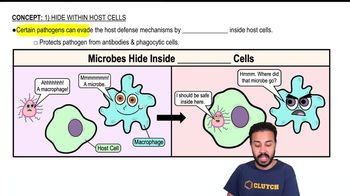
1) Hide Within Host Cells

  • Hide Within Host Cells
    01:50

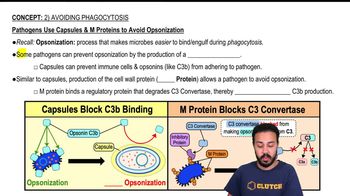
2) Avoiding Phagocytosis

  • Pathogen Use Capsules & M Proteins to Avoid Opsonization
    05:25
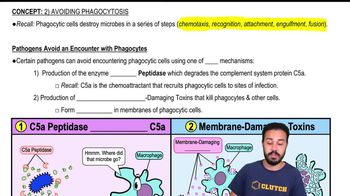
  • Pathogens Avoid Encounter with Phagocytes
    05:13
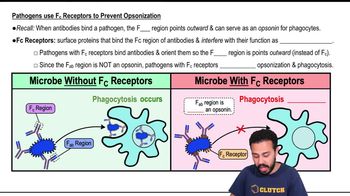
  • Pathogens Use Fc Receptors to Prevent Opsonization
    03:48

3) Surviving Inside Phagocytic Cells

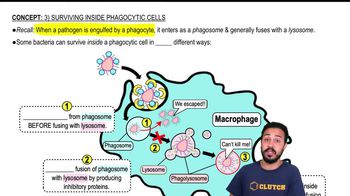
  • Surviving Inside Phagocytic Cells
    04:18

Introduction to Immunity

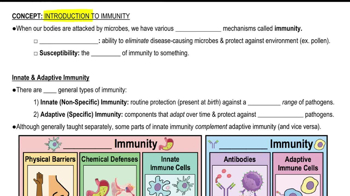
  • Innate vs. Adaptive Immunity
    05:52
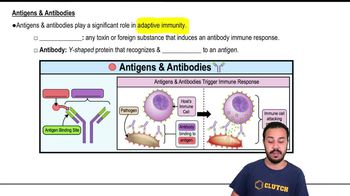
  • Antigens & Antibodies
    02:58

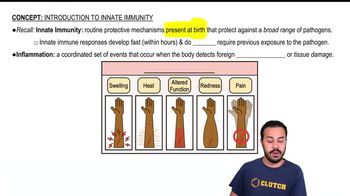
Introduction to Innate Immunity

  • Introduction to Innate Immunity
    02:30
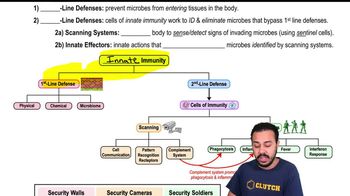
  • Map of Lesson on Innate Immunity
    06:42

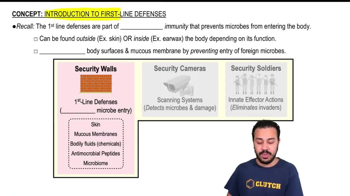
Introduction to First-Line Defenses

  • Introduction to First-Line Defenses
    01:56
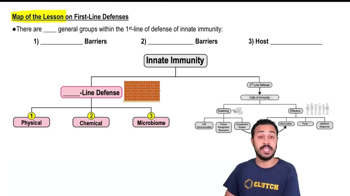
  • Map of the Lesson on First-Line Defenses
    01:37

Introduction to Cells of the Immune System

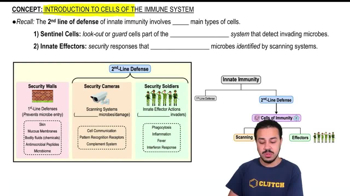
  • Introduction to Cells of the Immune System
    03:27
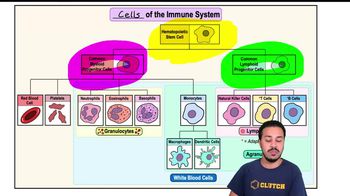
  • Map of the Lesson on Cells of the Immune System
    06:08
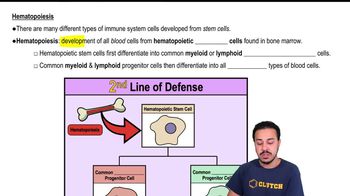
  • Hematopoiesis
    02:33

Phagoctytosis

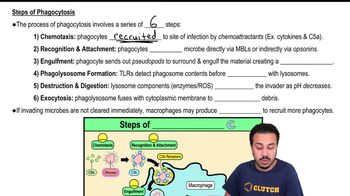
  • Steps of Phagocytosis
    08:57
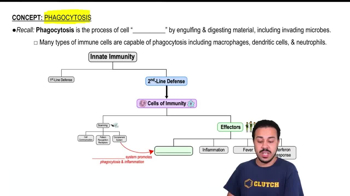
  • Phagoctytosis
    02:19
Natural Killer Cells

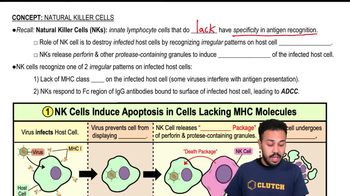
  • Natural Killer Cells
    06:53

Cell Communication: Cytokines

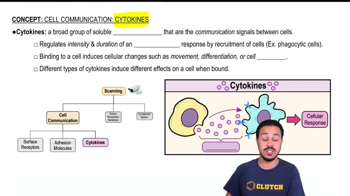
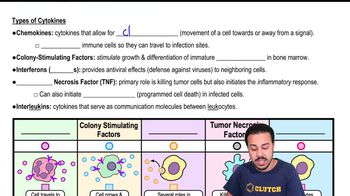
  • Cytokines
    02:59
  • Types of Cytokines
    06:08
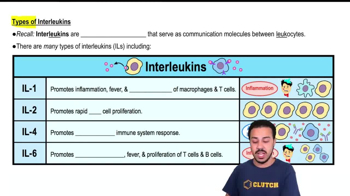
  • Types of Interleukins
    02:14

Interferon Response

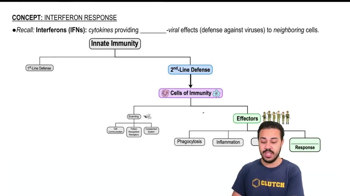
  • Interferon Response
    01:32
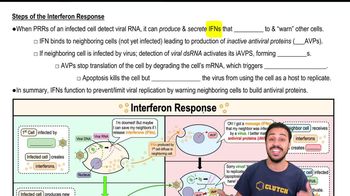
  • Steps of the Interferon Response
    09:59
Introduction to the Complement System

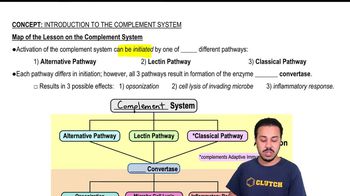
  • Map of the Lesson on the Complement System
    03:25
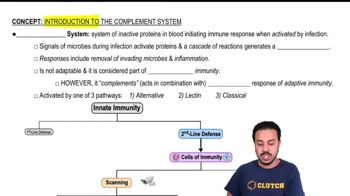
  • Introduction to the Complement System
    04:25
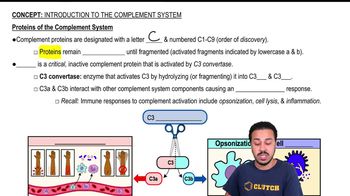
  • Proteins of the Complement System
    04:16

Activation Pathways of the Complement System

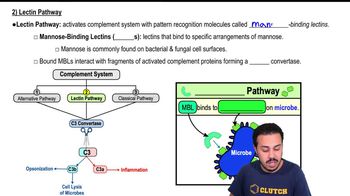
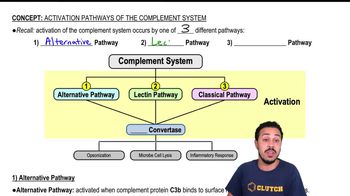
  • 2) Lectin Pathway
    03:04
  • 1) Alternative Pathway
    04:40
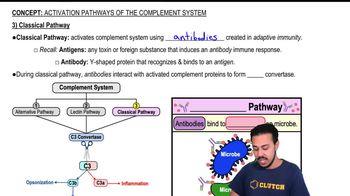
  • 3) Classical Pathway
    03:42

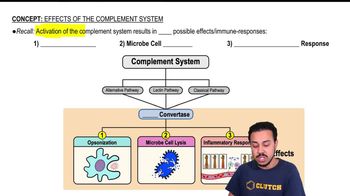
Effects of the Complement System

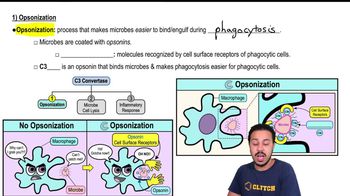
  • 1) Opsonization
    04:09
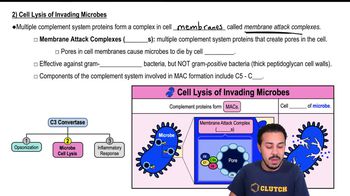
  • 2) Cell Lysis of Invading Microbes
    03:18
  • Effects of the Complement System
    01:32

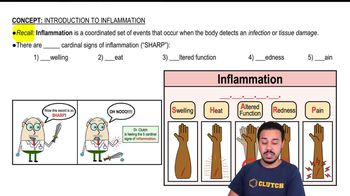
Introduction to Inflammation

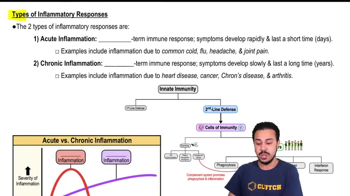
  • Types of Inflammatory Responses
    02:52
  • Introduction to Inflammation
    01:38
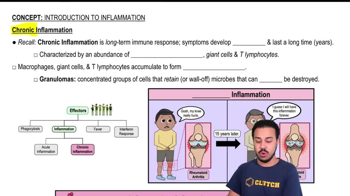
  • Chronic Inflammation
    03:09

Steps of the Inflammatory Response

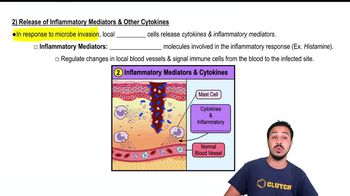
  • 2) Release of Inflammatory Mediators & Other Cytokines
    02:15
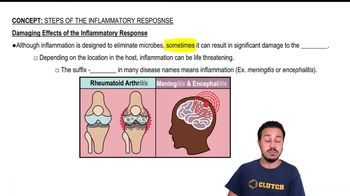
  • Damaging Effects of the Inflammatory Response
    02:10
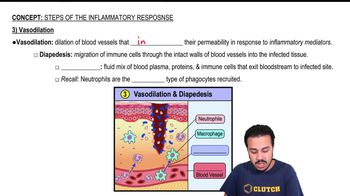
  • 3) Vasodilation
    02:39

Fever

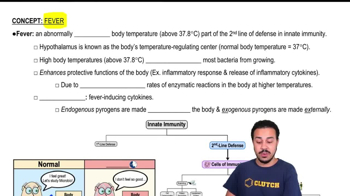
  • Fever
    03:57

Introduction to Adaptive Immunity

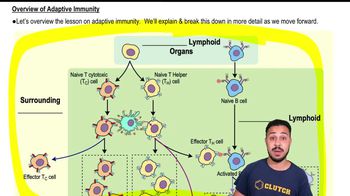
  • Overview of Adaptive Immunity
    04:57
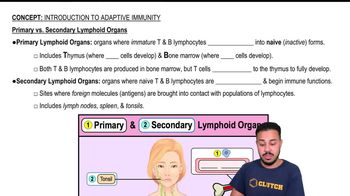
  • Primary vs. Secondary Lymphoid Organs
    04:58
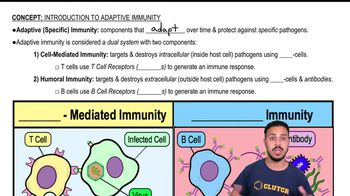
  • Introduction to Adaptive Immunity
    05:47

Antigens

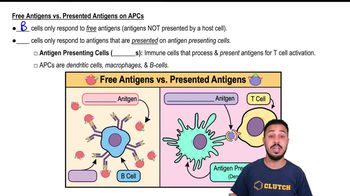
  • Free Antigens vs. Presented Antigens on APCs
    04:11
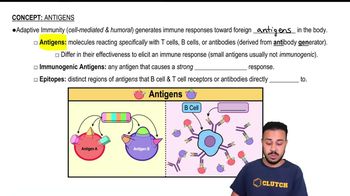
  • Antigens
    03:59

Introduction to T Lymphocytes

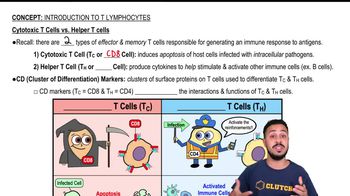
  • Cytotoxic T Cells vs. Helper T Cells
    05:58
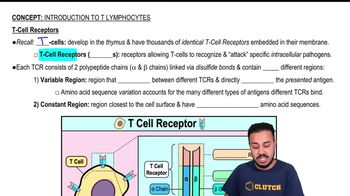
  • T-Cell Receptors
    05:18
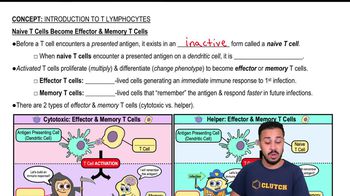
  • Naive T Cells Become Effector & Memory T Cells
    07:56

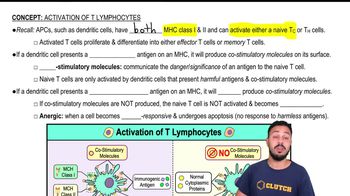
Activation of T Lymphocytes

  • Activation of T Lymphocytes
    07:33
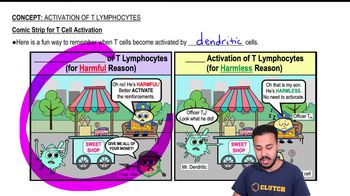
  • Comic Strip for T Cell Activation
    03:29

Functions of T Lymphocytes

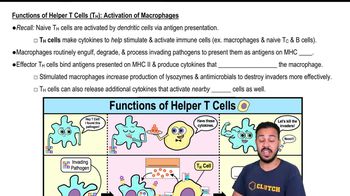
  • Functions of Helper T Cells (TH):Activation of Macrophages
    05:18
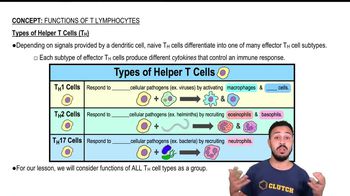
  • Types of Helper T Cells (TH)
    03:19
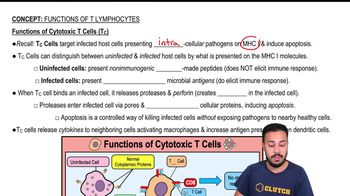
  • Functions of Cytotoxic T Cells (Tc)
    06:21

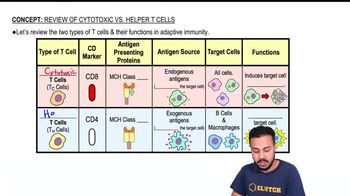
Review of Cytotoxic vs Helper T Cells

  • Review of Cytotoxic vs Helper T Cells
    04:27
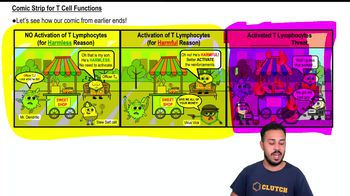
  • Comic Strip for T Cell Functions
    02:58

Regulatory T Cells

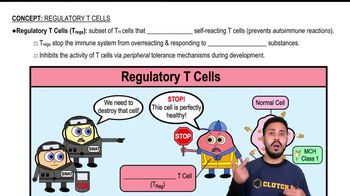
  • Regulatory T Cells
    03:53

Major Histocompatibility Complex Molecules

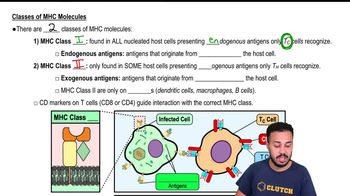
  • Classes of MHC Molecules
    07:17
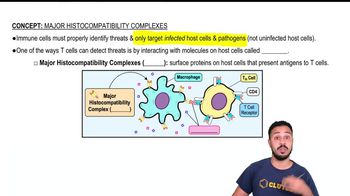
  • Major Histocompatibility Complex Molecules
    02:31

Introduction to B Lymphocytes

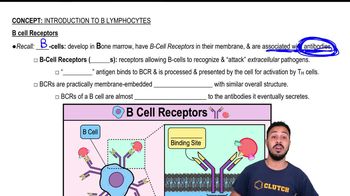
  • B cell Receptors
    04:37
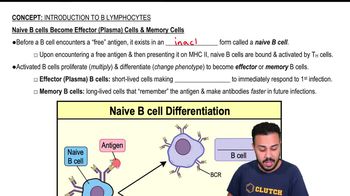
  • Naive B cells Become Effector (Plasma) Cells & Memory Cells
    04:23
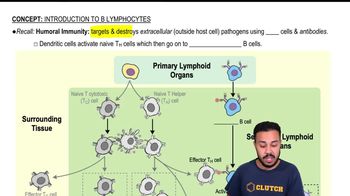
  • Introduction to B Lymphocytes
    03:55

T Dependent & T Independent Antigens

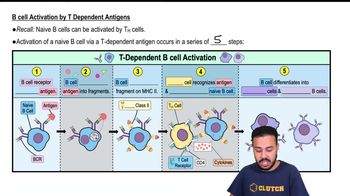
  • B Cell Activation by T Dependent Antigens
    05:09
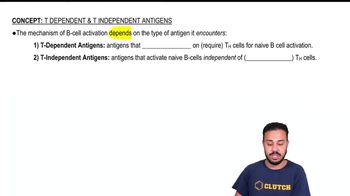
  • T Dependent & T Independent Antigens
    02:08
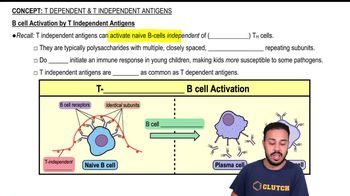
  • B Cell Activation by T Independent Antigens
    03:11

Antibodies

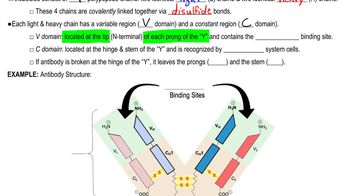
  • Antibody Structure
    05:40
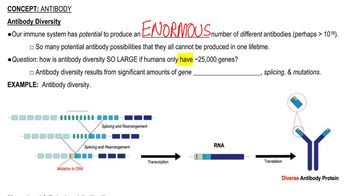
  • Antibody Diversity
    02:34
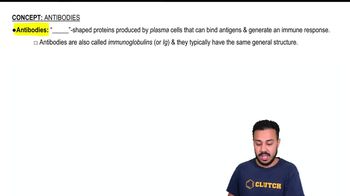
  • Antibodies
    00:48

Classes of Antibodies

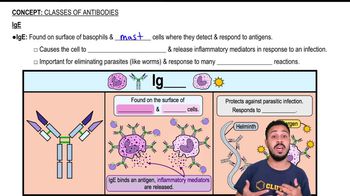
  • IgE
    02:45
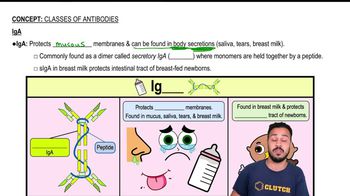
  • IgA
    02:44
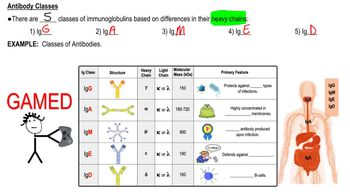
  • Classes of Antibodies
    04:43

Outcomes of Antibody Binding to Antigen

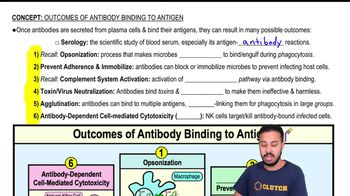
  • Outcomes of Antibody Binding to Antigen
    09:16

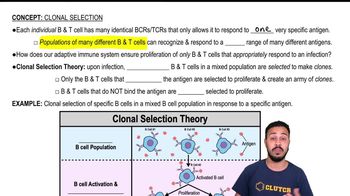
Clonal Selection

  • Clonal Selection
    06:43

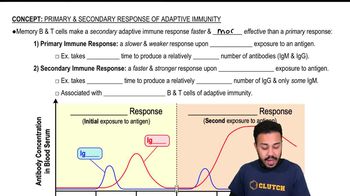
Primary and Secondary Response of Adaptive Immunity

  • Primary and Secondary Response of Adaptive Immunity
    06:59

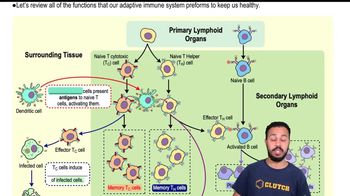
Review of Adaptive Immunity

  • Review of Adaptive Immunity
    09:20

Introduction to Antimicrobial Drugs

  • Guided course
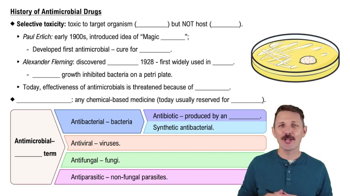
    History of Antimicrobial Drugs
    05:33

Antimicrobial Resistance

  • Guided course
    Types of Resistance Mechanisms
    05:04
  • Guided course
    Spread of Antibiotic Resistance
    04:45
  • Guided course
    Antibiotic Resistance
    03:45