 Back
BackInfections of the Genitourinary System: Microbiology Study Notes
Study Guide - Smart Notes
 Tailored notes based on your materials, expanded with key definitions, examples, and context.
Infections of the Genitourinary System
Overview
The genitourinary system includes the urinary and reproductive organs, both of which are susceptible to a variety of microbial infections. These infections can be caused by bacteria, viruses, fungi, and protozoa, and may have significant health consequences if left untreated.
Urinary System Anatomy and Infections
Urinary System Structure
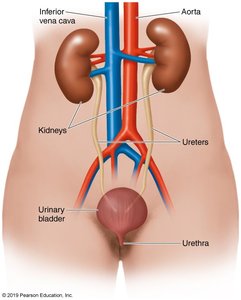
The urinary system consists of two kidneys, two ureters, one urinary bladder, and one urethra. Its primary function is to filter and remove metabolic waste from the body. Contrary to common belief, urine is not sterile and can contain microorganisms.
Cystitis (Urinary Bladder Infection)
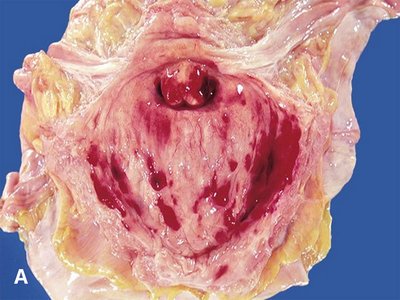
Cystitis, also known as "honeymooner's disease," is the inflammation of the urinary bladder and is the most common type of urinary tract infection (UTI), especially in women. The female urethra is shorter and closer to the anus, increasing susceptibility. Over 80% of cases are caused by Escherichia coli from normal intestinal flora. Symptoms include dysuria (painful urination) and pyuria (pus in urine).
Pyelonephritis
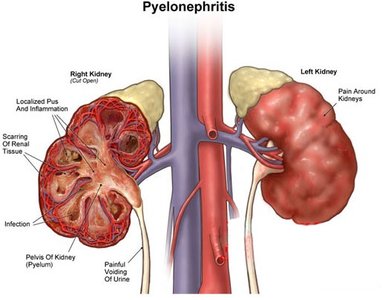
Pyelonephritis is the inflammation of one or both kidneys, most commonly caused by E. coli. About 25% of cases result from untreated cystitis. Symptoms include fever and flank/back pain. Chronic pyelonephritis can lead to scar tissue formation, decreased kidney function, and can be life-threatening.
Leptospirosis
Leptospirosis is a zoonotic infection caused by Leptospira interrogans, a spirochete. It is transmitted from animals to humans via urine-contaminated water, entering through mucous membranes or skin breaks. Symptoms include headaches, muscle aches, chills, and fever, with possible severe complications such as Weil’s disease (kidney and liver infection) and pulmonary hemorrhagic syndrome (lung hemorrhage, up to 50% fatality rate).
Reproductive System Anatomy
Female Reproductive Anatomy
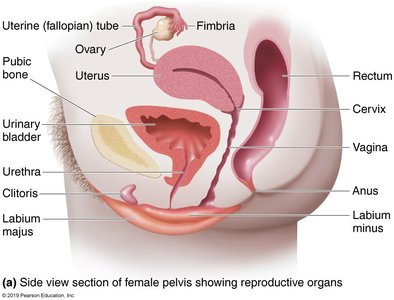
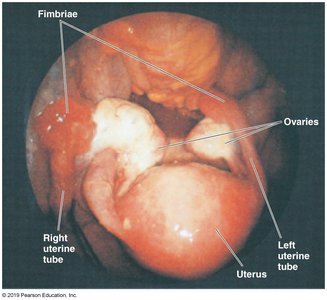
The female reproductive system includes two ovaries, two uterine tubes, the uterus, vagina, and external genitalia.
Male Reproductive Anatomy
The male reproductive system consists of two testes, ducts, accessory glands, and the penis.
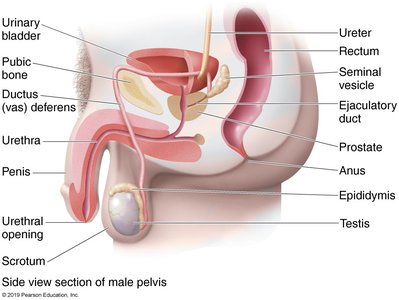
Sexually Transmitted Infections (STIs)
General Overview
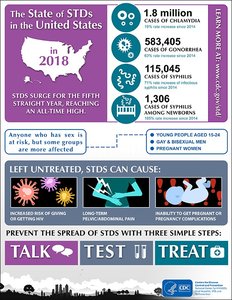
STIs, previously called STDs, include both symptomatic and asymptomatic infections. There has been a significant increase in STIs, with 20 million new cases per year in the U.S., half of which occur in individuals aged 15-24. Most STIs can be prevented by condom use.
Bacterial STIs
Chlamydia: 1.8 million cases (up 19% since 2014)
Gonorrhea: 583,405 cases (up 63% since 2014)
Syphilis: 35,063 primary/secondary cases (up 71% since 2014); 1,306 congenital cases (up 185% since 2014)
Chlamydia
Caused by Chlamydia trachomatis, often co-infects with gonorrhea. Twice as many cases occur in women. Complications include epididymitis in men and uterine tube scarring/sterility in women. Many infections are asymptomatic. C. trachomatis can also cause trachoma, a leading cause of blindness.
Gonorrhea
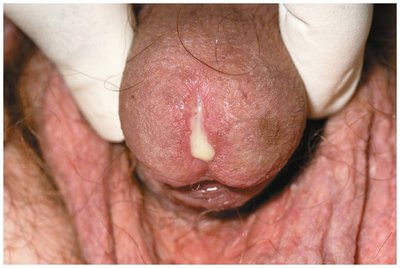
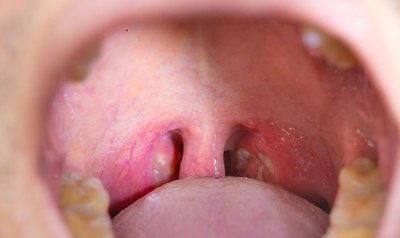
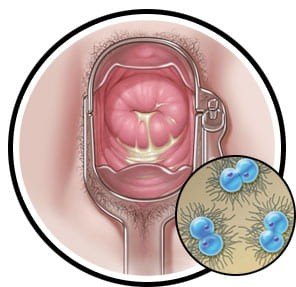
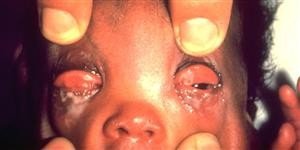
Caused by Neisseria gonorrhoeae, a highly virulent bacterium. Infection rates are higher in women. The bacterium evades adaptive immunity through antigenic variability and Opa protein, which blocks T helper cells. Symptoms in men include pus discharge and painful urination; women are often asymptomatic. Complications include pelvic inflammatory disease and ophthalmia neonatorum in infants (can cause blindness). Drug resistance is common.
Pelvic Inflammatory Disease (PID)
PID is a collective term for extensive bacterial infection of female pelvic organs, primarily caused by N. gonorrhoeae and C. trachomatis. One in ten women experience PID during reproductive years, with serious complications such as infertility and chronic pain. Salpingitis (uterine tube inflammation) can lead to scarring, infertility, and ectopic pregnancy. Barrier contraceptives reduce PID rates.
Syphilis
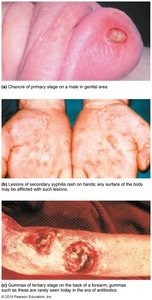
Syphilis is caused by Treponema pallidum, a spirochete. It is transmitted sexually and progresses through several stages:
Primary Stage: Hard-based, painless chancre at infection site (highly infectious).
Secondary Stage: Oral sores and widespread skin rashes (highly infectious); resolves in 3 months.
Latent Period: No symptoms; after 2-4 years, patient is no longer infectious.
Tertiary Stage: Gummatous syphilis (gummas), cardiovascular syphilis (aorta weakening), ocular syphilis (blindness), neurosyphilis (neurological symptoms).
Congenital Syphilis: Transmission across placenta; can cause stillbirth or severe fetal damage.
Female Reproductive Tract Infections
Bacterial Vaginosis
Primarily caused by Gardnerella vaginalis. Decreased lactobacilli increase vaginal pH, allowing G. vaginalis to proliferate. Symptoms include frothy discharge and fishy odor. Associated with low birth weight and premature births.
Candidiasis (Yeast Infection)
Most commonly caused by Candida albicans, an opportunistic fungus. 75% of women experience at least one episode. Symptoms include thick, yellow, cheesy discharge and severe itching. Predisposing factors include hormonal changes, diabetes, antibiotic use, and oral contraceptives.
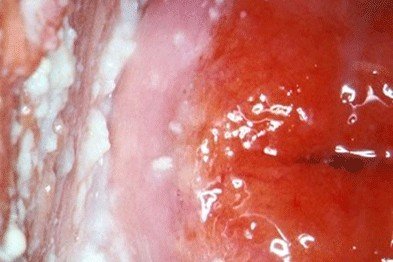
Trichomoniasis
Caused by the protozoan Trichomonas vaginalis. It can be part of normal flora but becomes pathogenic if vaginal acidity is disturbed. Symptoms include profuse, greenish-yellow discharge with foul odor, irritation, and itching. Men are usually asymptomatic. Both partners must be treated.
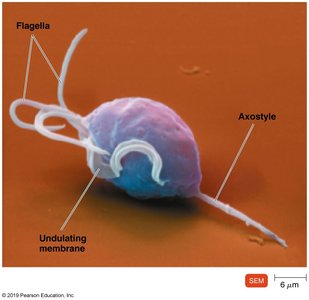
Viral Diseases of the Reproductive System
Genital Herpes
Caused by human herpesvirus 1 and 2 (HSV-1 and HSV-2). HSV-2 is the most common cause, but HSV-1 is increasingly involved due to oral-genital contact. Symptoms begin about a week after infection and include burning, vesicles, and painful urination. The virus remains latent in the nervous system and can reactivate, especially when the immune system is suppressed. Recurrence is common, especially with HSV-2.
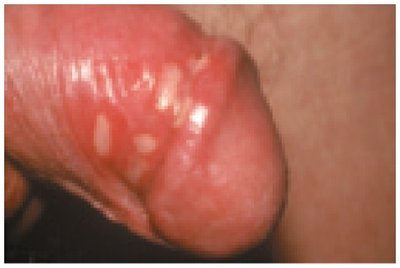
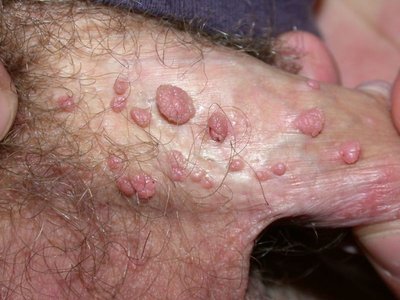
Genital Warts
Caused by human papillomaviruses (HPV), usually transmitted sexually. Nearly 5 million new cases occur annually in the U.S. HPV is associated with cervical cancer, causing about 4,000 deaths per year in the U.S. The HPV vaccine has reduced incidence. Warts can be flat or raised, large or small, and may resolve without treatment.
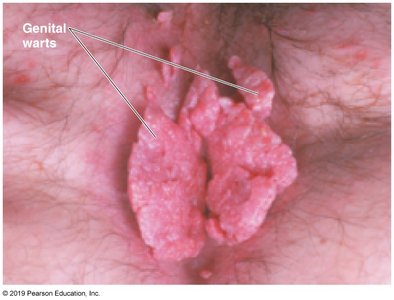
AIDS (Acquired Immunodeficiency Syndrome)
Caused by human immunodeficiency virus (HIV). AIDS is the final stage of HIV infection. HIV is transmitted via sexual contact, blood, breast milk, and from mother to child. The virus survives for hours outside cells and days inside cells. The most high-risk sexual contact is anal-receptive intercourse.
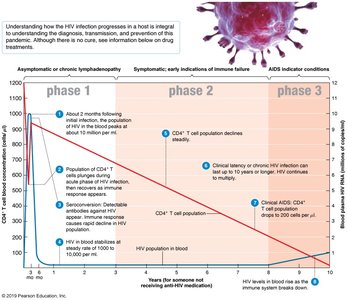
Stages of HIV Infection
Phase 1: Asymptomatic or lymphadenopathy; high viral load, rapid T helper cell infection.
Phase 2: Steady decline in CD4+ T cells; persistent infections, fever, oral leukoplakia.
Phase 3: AIDS develops; CD4+ count below 200 cells/μl; opportunistic infections.
HIV Transmission and Prevention
Prevention: Condom use, discouraging promiscuity, sterile needles, and medication availability.
Treatment: Requires strict multi-drug regimens.
Impact of Age on HIV Survival
Older adults and young children are more susceptible due to underdeveloped immune systems. About 20% of children born to HIV-positive mothers acquire HIV, but treatment during pregnancy can reduce this risk by 99%. Some individuals are naturally resistant due to CCR5 mutations.
