 Back
BackInnate Immunity: Principles and Mechanisms (Chapter 11 Study Notes)
Study Guide - Smart Notes
 Tailored notes based on your materials, expanded with key definitions, examples, and context.
Innate Immunity: Principles and Mechanisms
Overview of Immune Responses
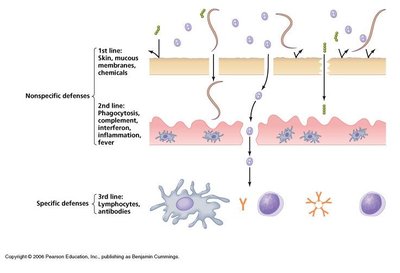
The immune system protects the body from pathogens through coordinated physiological processes. Immunity is divided into two main branches: innate immunity (present in all eukaryotes, immediate, nonspecific) and adaptive immunity (vertebrate-specific, delayed, highly specific, and has memory). Both branches recognize and eliminate invaders while distinguishing self from non-self antigens.
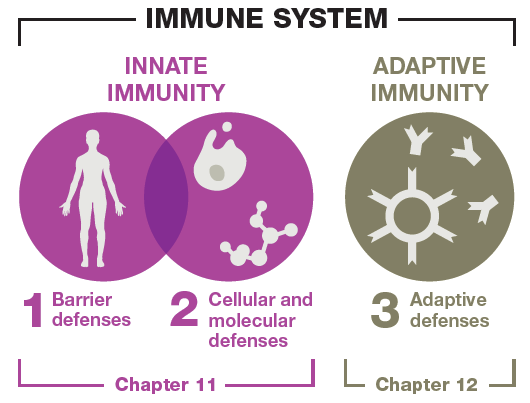
Comparison of Innate and Adaptive Immunity
Innate Immunity: Inborn, nonspecific, immediate response, present in all eukaryotes, no memory.
Adaptive Immunity: Develops over time, specific, delayed (4–7 days), only in vertebrates, exhibits memory.
Feature | Innate Immunity | Adaptive Immunity |
|---|---|---|
Response time | Immediate | 4–7 days |
Organisms | All eukaryotes | Only vertebrates |
Self/foreign discrimination | Yes | Yes |
Memory | No | Yes |
Tailored response | No | Yes |
Normal Microbiota and Immune System Development
Normal microbiota are symbiotic microbes that inhabit the body, shaping immune responses and conferring protection. They help train the immune system to tolerate nonpathogens and self-tissues. Disruptions in microbiota can lead to immune confusion, allergies, or autoimmunity. The hygiene hypothesis suggests that reduced microbial exposure may impair immune development.
First-Line Defenses: Preventing Pathogen Entry
First-line defenses are barriers that prevent pathogen entry and are categorized as mechanical, chemical, or physical barriers.
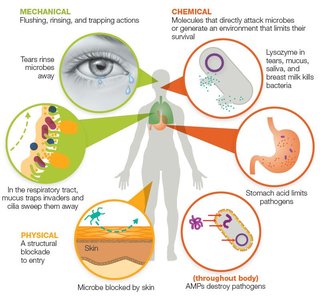
Mechanical Barriers
Rinse, flush, or trap pathogens (e.g., tears, urine, saliva, mucus membranes, mucociliary escalator, earwax).
Chemical Barriers
Directly attack invaders or create hostile environments (e.g., lysozyme in secretions, stomach acid, fatty acids in sweat, antimicrobial peptides).
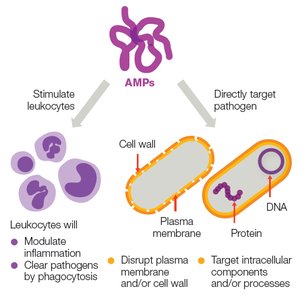
Antimicrobial peptides (AMPs): Proteins that destroy a wide range of microbes by disrupting membranes or targeting intracellular components.
Physical Barriers
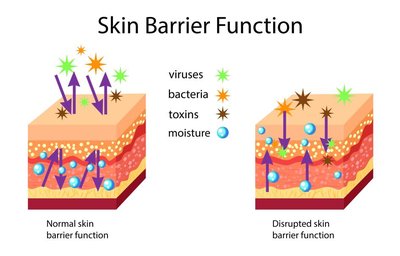
Structures that physically block pathogen entry (e.g., skin, epithelial tissue lining body cavities).
The epidermis is composed of tightly packed dead cells, enriched with proteins and lipids for water resistance.
Second-Line Defenses: Cellular and Molecular Responses
If pathogens breach first-line defenses, second-line defenses are activated, including molecular factors and leukocytes (white blood cells).
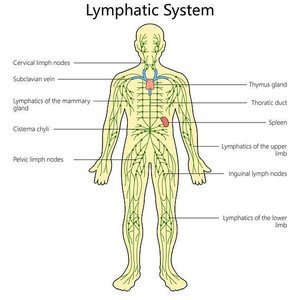
Lymphatic System
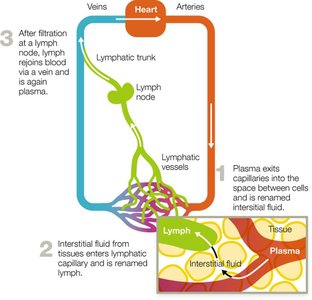
The lymphatic system collects, circulates, and filters body fluids, playing a crucial role in immune surveillance and response. Lymphatic vessels return filtered lymph to the bloodstream via lymph nodes, which screen for pathogens.
Formed Elements of Blood
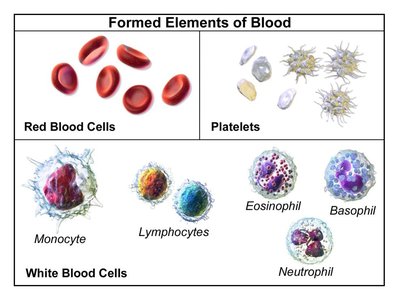
Red blood cells (erythrocytes): Oxygen transport.
Leukocytes: Immune cells (granulocytes and agranulocytes).
Platelets: Clotting and confining pathogens.
Primary and Secondary Lymphoid Tissues
Primary: Thymus (T cell maturation), bone marrow (blood cell production and B cell maturation).
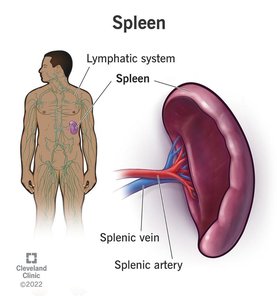
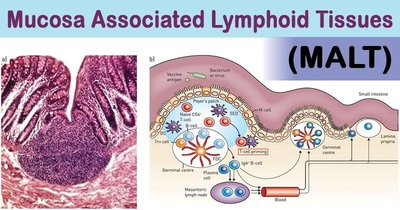
Secondary: Lymph nodes (filter lymph), spleen (filters blood), MALT (mucosa-associated lymphoid tissue in mucosal linings).
Leukocytes: Types and Functions
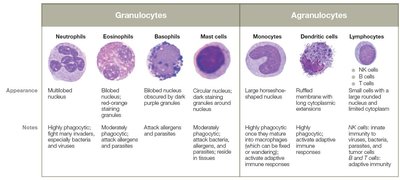
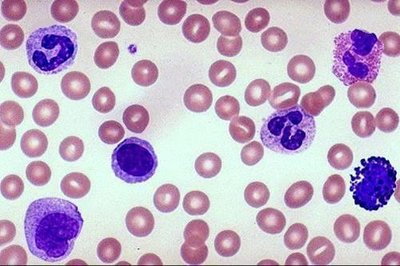
Leukocytes are classified as granulocytes (with cytoplasmic granules) or agranulocytes (without granules). They are essential for all immune responses.
Granulocytes
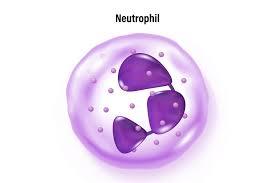
Neutrophils: Most abundant, first responders, phagocytic, release AMPs. Elevated in acute bacterial infections.
Eosinophils: Combat parasites, involved in allergies, moderate phagocytosis. Elevated in parasitic infections/allergies.
Basophils: Release histamine, involved in allergies and parasitic defense. Rarely elevated except in certain cancers.
Mast cells: Tissue-resident, release histamine, involved in allergies and activating adaptive immunity.
Agranulocytes
Monocytes: Largest WBCs, mature into macrophages in tissues, phagocytic.
Macrophages: Highly phagocytic, fixed or wandering, destroy a wide range of pathogens.
Dendritic cells: Highly phagocytic, antigen-presenting, prevent autoimmunity.
Lymphocytes: NK cells (innate), B cells and T cells (adaptive immunity).
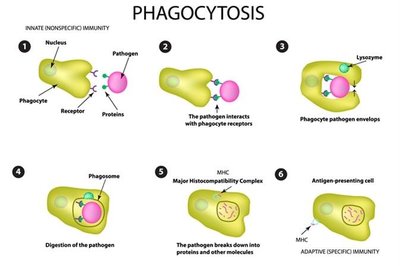
Phagocytosis
Phagocytes (neutrophils, macrophages, dendritic cells) engulf and destroy pathogens. Lysosomal enzymes digest the invaders. Some pathogens have evolved mechanisms to evade phagocytosis.
Molecular Second-Line Defenses
Leukocytes release molecules that recruit other immune cells, restrict pathogen growth, trigger fever, and stimulate inflammation. These include cytokines, iron-binding proteins, and complement proteins.
Cytokines
Signaling proteins for cell communication and immune coordination.
Types: Chemokines (recruit WBCs), Interleukins (regulate inflammation, fever, hematopoiesis), Interferons (antiviral responses), Tumor necrosis factors (inflammation, kill tumor cells).
Cytokine Type | Examples | Notes |
|---|---|---|
Chemokines | Monocyte chemoattractant protein-1 | Recruit WBCs, wound healing, lymphoid tissue development |
Interleukins | IL-1, IL-2 | Regulate inflammation, fever, T cell development |
Interferons | IFN-α, IFN-β, IFN-γ | Antiviral, activate immune responses |
Tumor necrosis factors | TNF-α | Inflammation, kill tumor cells, fever |
Iron-Binding Proteins
Limit free iron to restrict bacterial growth (e.g., hemoglobin, ferritin, lactoferrin, transferrin).
Some pathogens produce siderophores or hemolysins to acquire iron.
Complement System
Over 30 proteins, mostly made by the liver, circulate in inactive form.
Activated by classical (antibody-mediated), alternative (direct), or lectin (mannose-binding) pathways.
Outcomes: Opsonization (tagging for phagocytosis), membrane attack complex (cytolysis), inflammation.
Inflammation and Fever
Inflammation is a key innate response to tissue injury or infection, aiming to recruit defenses, limit pathogen spread, and promote healing. Fever is a systemic response that enhances immune efficiency and restricts pathogen growth.
Phases of Inflammation: Vascular changes (vasodilation, increased permeability), leukocyte recruitment (margination, diapedesis), resolution (healing, apoptosis of leukocytes).
Cardinal signs: Redness, pain, heat, swelling, loss of function.
Chronic inflammation: Harmful, promotes tissue damage and disease.
Fever
Pyrogens (e.g., bacterial toxins, cytokines) signal the hypothalamus to raise body temperature.
Low-grade fever is protective; high fever can be life-threatening.
Antipyretics (e.g., ibuprofen, acetaminophen) reduce fever by inhibiting prostaglandin production.
Clinical Application: Case Study
A pediatric case illustrates the importance of innate immunity and the consequences of deficiencies (e.g., mannose-binding lectin deficiency) in susceptibility to infection. Differential WBC counts, fever mechanisms, and the roles of first- and second-line defenses are clinically relevant for diagnosis and management.
Summary Table: Key Features of Innate Immunity
Defense | Main Function | Examples |
|---|---|---|
Mechanical Barriers | Remove/trap pathogens | Tears, mucus, cilia |
Chemical Barriers | Destroy/inhibit pathogens | Lysozyme, AMPs, acid |
Physical Barriers | Block entry | Skin, epithelial lining |
Cellular Defenses | Phagocytosis, inflammation | Neutrophils, macrophages |
Molecular Defenses | Signal, recruit, destroy | Cytokines, complement |
