 Back
BackIntroduction to Eukaryotic Cells: Structure, Function, and Evolution
Study Guide - Smart Notes
 Tailored notes based on your materials, expanded with key definitions, examples, and context.
Introduction to Eukaryotic Cells
Overview of Eukaryotic and Prokaryotic Cells
Eukaryotic cells are distinguished from prokaryotic cells by the presence of a membrane-bound nucleus and various membrane-bound organelles. This chapter explores the structural and functional differences between these two cell types, the evolutionary origins of eukaryotes, and the diversity of eukaryotic life forms.
Prokaryotes: Unicellular organisms lacking a membrane-bound nucleus (e.g., Bacteria and Archaea).
Eukaryotes: Organisms with a membrane-bound nucleus and organelles; can be unicellular or multicellular (e.g., Animals, Plants, Fungi, Protists).
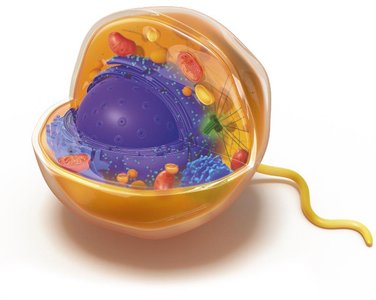
Shared Features of Prokaryotes and Eukaryotes
Plasma membrane: Outer covering separating the cell from its environment.
Cytoplasm: Jelly-like region containing cellular components.
DNA: Genetic material of the cell.
Ribosomes: Structures that synthesize proteins.
Key Differences Between Prokaryotic and Eukaryotic Cells
Feature | Eukaryotes | Prokaryotes |
|---|---|---|
Organisms | Unicellular (protists, yeast), Multicellular (animals, plants, fungi) | Unicellular (bacteria, archaea) |
Size | Usually larger | Usually smaller |
Cell Division | Mitosis (asexual), Meiosis (sexual) | Binary fission (asexual) |
Plasma Membrane | Often contain sterols | Rarely contain sterols |
Cell Wall | Plants, fungi, some protists (no peptidoglycan) | Most (peptidoglycan in bacteria) |
Nucleus | Present | Absent |
Ribosomes | 80S (cytoplasm, RER), 70S (mitochondria, chloroplasts) | 70S only |
Genetic Material | Multiple linear chromosomes | Single circular chromosome |
Membrane-bound Organelles | Present | Absent |
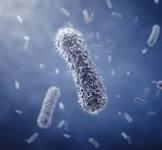
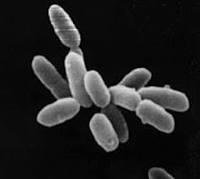
Evolution of Eukaryotic Cells
Endosymbiotic Theory
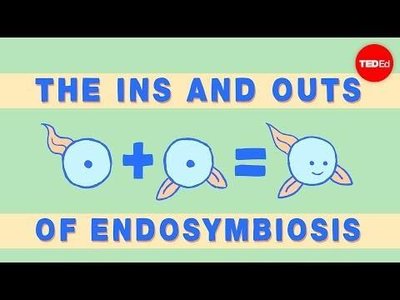
The endosymbiotic theory explains the origin of eukaryotic cells as a result of symbiotic relationships between ancestral prokaryotic cells. According to this theory, mitochondria and chloroplasts originated from free-living bacteria that were engulfed by ancestral eukaryotic cells.
Endo-: Inside
Symbiotic: Close relationship between two organisms
Mitochondria evolved from engulfed non-photosynthetic prokaryotes.
Chloroplasts evolved from engulfed photosynthetic prokaryotes (cyanobacteria).
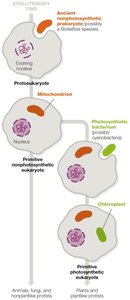
Evidence Supporting Endosymbiotic Theory
Mitochondria and chloroplasts have their own circular DNA.
Both contain 70S ribosomes, similar to bacteria.
Double-membrane structures.
Similar size to bacteria.
Replicate by binary fission.
Genes resemble certain bacterial genes.
The Four Kingdoms of Eukaryotes
Animalia
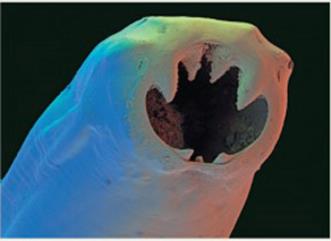
Animals are multicellular eukaryotes that lack cell walls and obtain nutrients by ingestion. This kingdom includes parasitic worms (helminths) and arthropods, some of which are medically important.
Complex life cycles; many are parasitic in humans.
Examples: Roundworms, flatworms.
Plantae
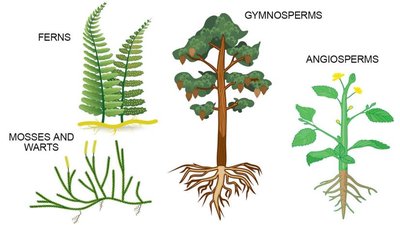
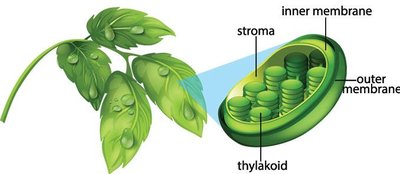
Plants are multicellular, photosynthetic organisms that produce organic carbon using light energy. They contain chloroplasts and have cell walls composed of cellulose.
Over 290,000 species.
Vegetation can serve as a vehicle for infectious pathogens.
Fungi
Fungi are mostly multicellular (except yeasts), absorb nutrients from their environment, and have cell walls made of chitin. They can be pathogenic, commensal, or mutualistic.
Grow as hyphae; some are dimorphic (switch between yeast and hyphal forms).
Reproduce via asexual (mitosis) or sexual (meiosis) spores.
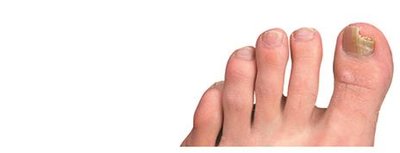
Diseases caused by fungi are called mycoses.
Produce mycotoxins (toxic compounds).
Protista
Protists are a diverse group of eukaryotes that may be unicellular, multicellular, or multinucleated. They can be autotrophic or heterotrophic and reproduce sexually or asexually.
Include algae, sea kelp, slime molds, and protozoans.
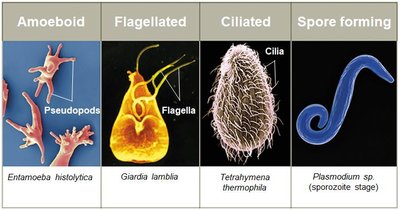
Protozoans are animal-like protists, typically unicellular and heterotrophic.
Classified by motility: amoeboid, flagellated, ciliated, spore-forming.
Structural Components of Eukaryotic Cells
Plasma Membrane and Cell Wall
The plasma membrane is a phospholipid bilayer present in all cells, serving as a selective barrier. Eukaryotic membranes often contain sterols for stability. Some eukaryotes (plants, fungi, certain protists) have a cell wall external to the plasma membrane, which provides rigidity and protection but lacks peptidoglycan.
Glycocalyx
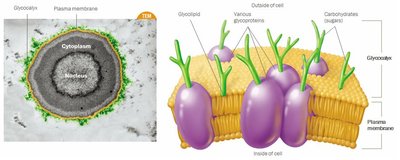
The glycocalyx is a sticky extracellular layer composed of carbohydrates, glycoproteins, and glycolipids. It functions in cellular protection, adhesion, and communication.
Cilia and Flagella
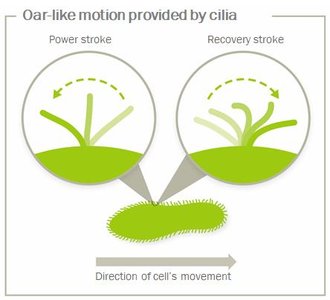
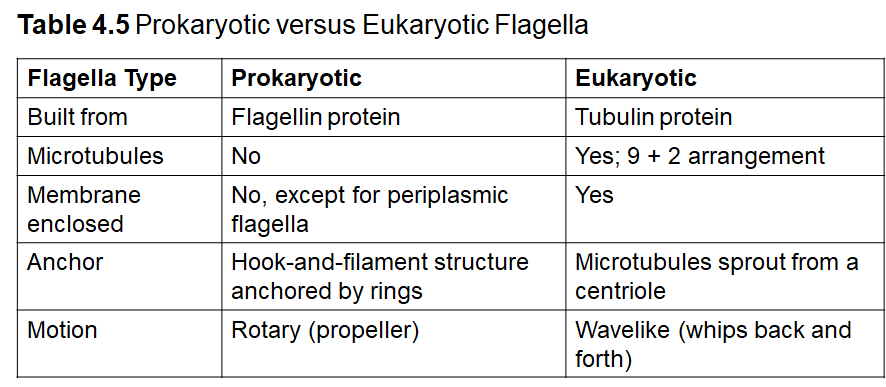
Cilia are short, numerous hairlike extensions found only in eukaryotes, used for motility and moving substances along cell surfaces. Flagella are longer, tail-like structures used for motility, with a wavelike motion in eukaryotes.
Flagella Type | Prokaryotic | Eukaryotic |
|---|---|---|
Built from | Flagellin protein | Tubulin protein |
Microtubules | No | Yes; 9 + 2 arrangement |
Membrane enclosed | No (except periplasmic) | Yes |
Anchor | Hook-and-filament, rings | Microtubules from centriole |
Motion | Rotary (propeller) | Wavelike (whips back and forth) |
Ribosomes
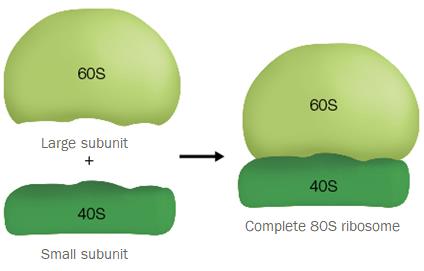
Eukaryotic ribosomes are either free in the cytoplasm or bound to the rough endoplasmic reticulum. They are 80S in size (composed of 60S and 40S subunits), while mitochondria and chloroplasts contain 70S ribosomes, similar to prokaryotes.
Cytoskeleton
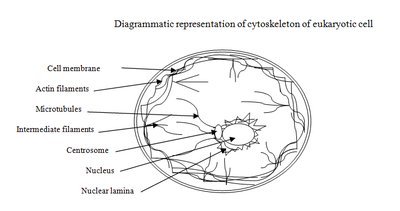
The cytoskeleton is a dynamic network of protein fibers (microtubules, intermediate filaments, microfilaments) that maintains cell shape, facilitates movement, protects against external forces, and directs intracellular transport.
Nucleus
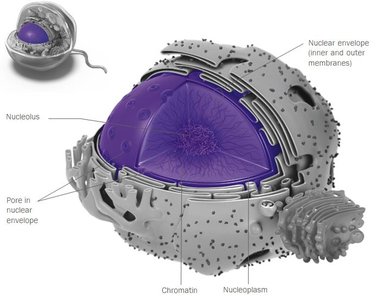
The nucleus is the command center of the eukaryotic cell, housing DNA organized as chromatin. The nucleolus, a dense region within the nucleus, is enriched with RNA and is the site of ribosomal subunit assembly.
Endoplasmic Reticulum (ER) and Golgi Apparatus
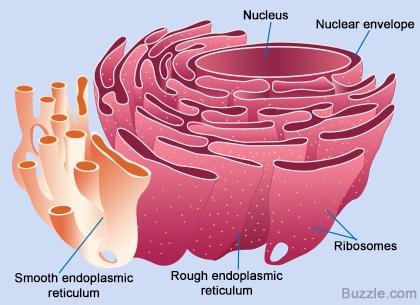
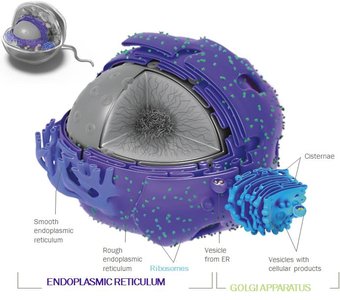
The ER is a series of interconnected membranes originating from the nuclear envelope. The rough ER (with ribosomes) is involved in protein synthesis, while the smooth ER is involved in lipid production and detoxification. The Golgi apparatus modifies, sorts, and distributes proteins and lipids.
Vesicles and Vacuoles
Vesicles are lipid bilayer sacs that transport substances within the cell. Lysosomes contain hydrolytic enzymes for breaking down engulfed material, while peroxisomes break down fats and amino acids. Vacuoles are large membranous sacs, common in plants and fungi, that store water, nutrients, and waste.
Mitochondria and Chloroplasts
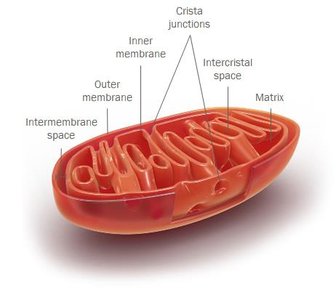
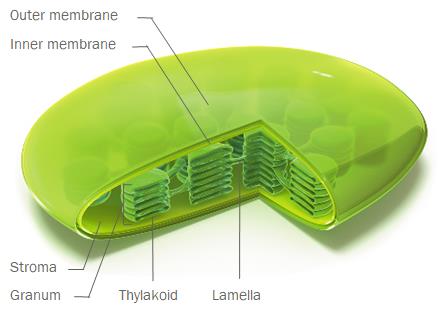
Mitochondria are the site of ATP production, amino acid and vitamin synthesis, and regulation of cell death. Chloroplasts, found only in photosynthetic eukaryotes, harvest energy from sunlight. Both organelles have double membranes, 70S ribosomes, and circular DNA, supporting the endosymbiotic theory.
Cell Transport: Endocytosis and Exocytosis
Endocytosis
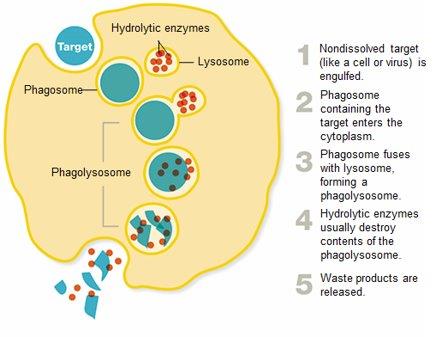
Endocytosis is the process by which cells import substances by engulfing them in vesicles. Types include pinocytosis, phagocytosis, and receptor-mediated endocytosis.
Phagocytosis: "Cell eating"; the cell engulfs large particles or cells, forming a phagosome that fuses with a lysosome to digest the contents.
Exocytosis
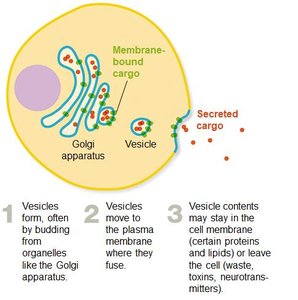
Exocytosis is the process by which cells export substances in vesicles that fuse with the plasma membrane, releasing their contents outside the cell. This process is essential for removing waste, membrane recycling, and secretion of signaling molecules.
Summary Table: Eukaryotic Kingdoms and Features
Kingdom | Examples | Cellularity | Reproduction | Cell Wall | Chloroplasts | Mitochondria | Medical Examples |
|---|---|---|---|---|---|---|---|
Animalia | Birds, helminths, mammals | Multicellular | Sexual & asexual | No | No | Yes | Parasitic worms, arthropods as vectors |
Plantae | Ferns, gymnosperms, angiosperms | Multicellular | Sexual & asexual | Yes | Yes | Yes | None pathogenic, some toxins |
Fungi | Yeasts, molds, mushrooms | Unicellular (yeasts), mostly multicellular | Sexual & asexual | Yes | No | Yes | Candida albicans, Pneumocystis jirovecii |
Protista | Euglena, diatoms, amoebas | Uni- or multicellular | Sexual & asexual | Some | Some | Most | Plasmodium (malaria), Entamoeba histolytica |
Key Concepts and Applications
Structural differences between prokaryotes and eukaryotes are exploited in antimicrobial therapy (e.g., penicillin targets bacterial cell walls, which are absent in animal cells).
Understanding cell structure and function is essential for studying infectious diseases, pathogenesis, and the development of medical treatments.
