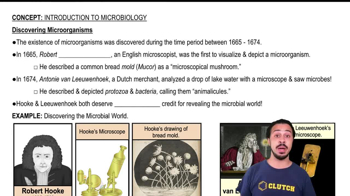
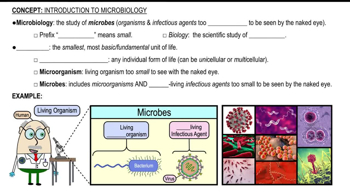
Introduction to Microbiology
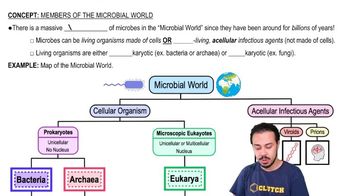
Members of the Bacterial World
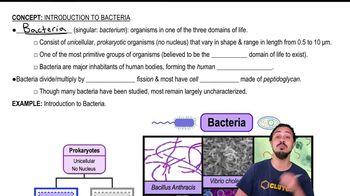
Introduction to Bacteria
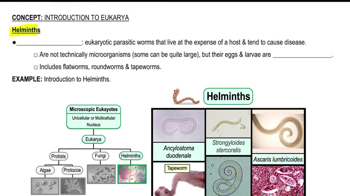
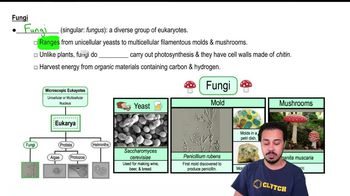
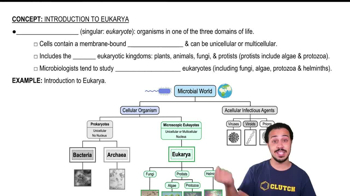
Introduction to Eukarya
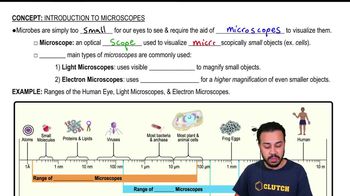
Introduction to Microscopes
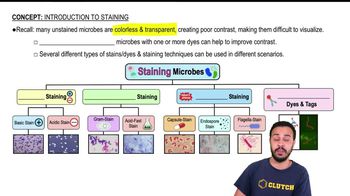
Introduction to Staining
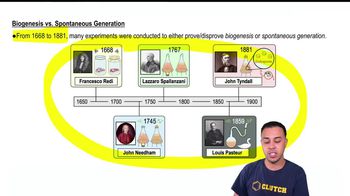
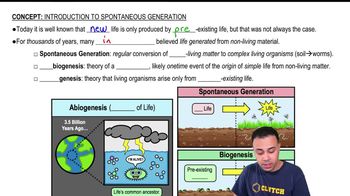
Introduction to Spontaneous Generation
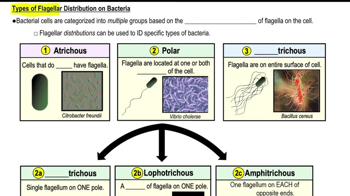
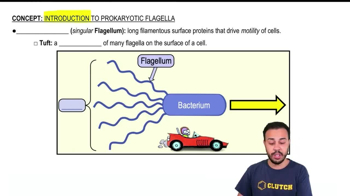
Introduction to Prokaryotic Flagella
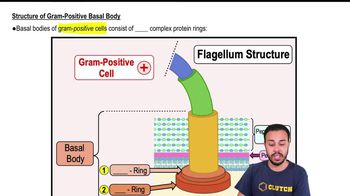
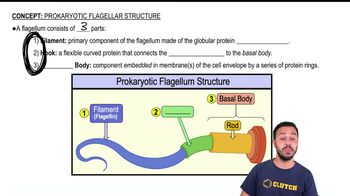
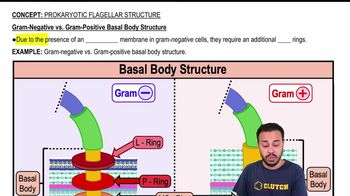
Prokaryotic Flagellar Structure
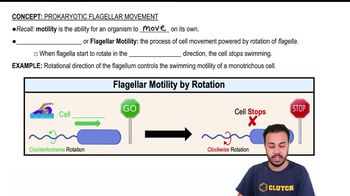
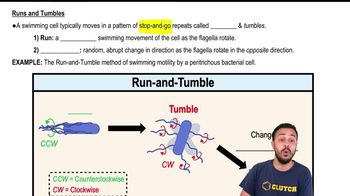
Prokaryotic Flagellar Movement
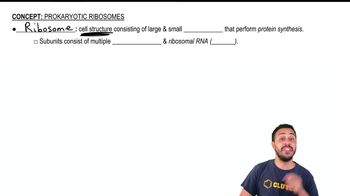
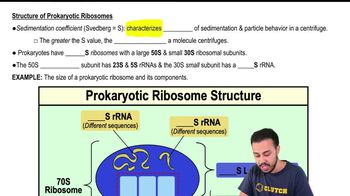
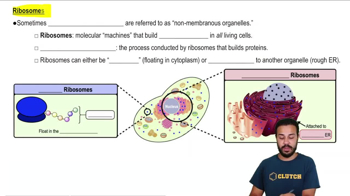
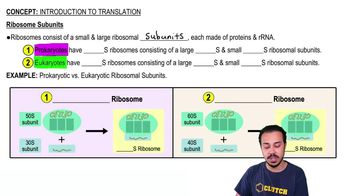
Prokaryotic Ribosomes
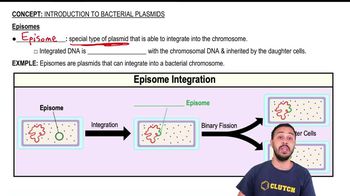
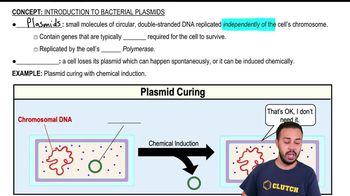
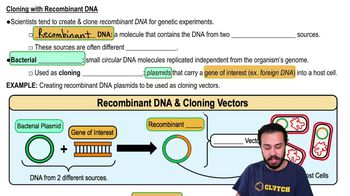
Introduction to Bacterial Plasmids
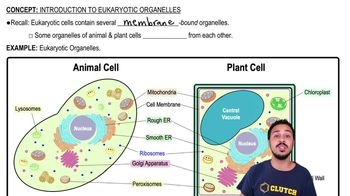
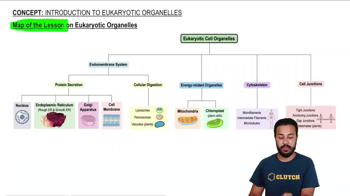
Introduction to Eukaryotic Organelles
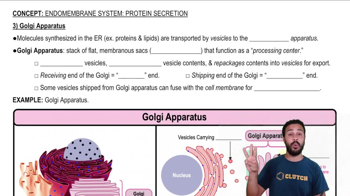
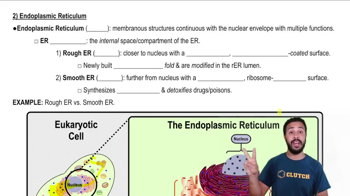
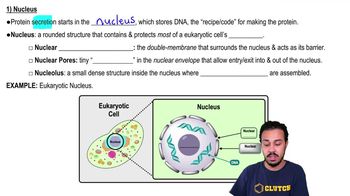
Endomembrane System: Protein Secretion
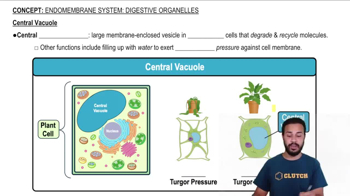
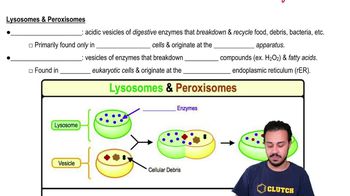
Endomembrane System: Digestive Organelles
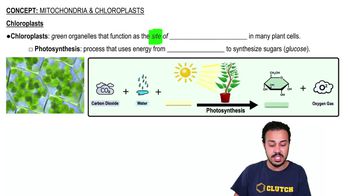
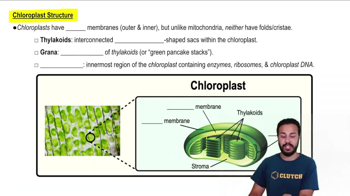
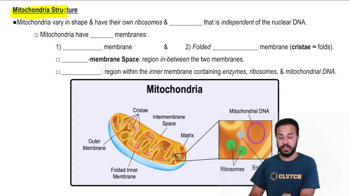
Mitochondria & Chloroplasts
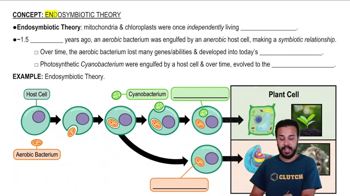
Endosymbiotic Theory
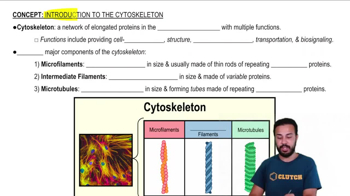
Introduction to the Cytoskeleton
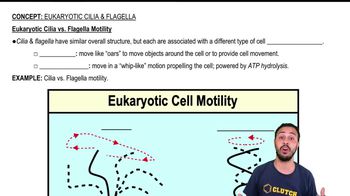
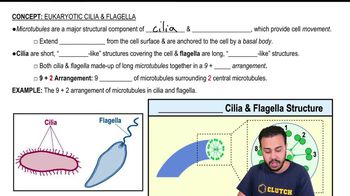
Eukaryotic Cilia & Flagella
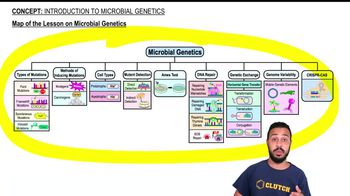
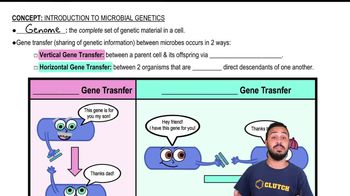
Introduction to Microbial Genetics
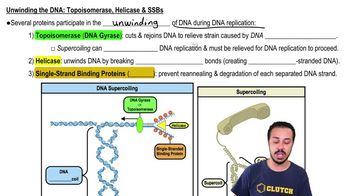
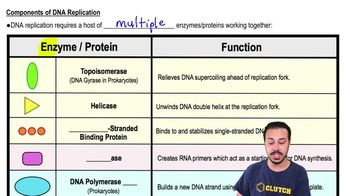
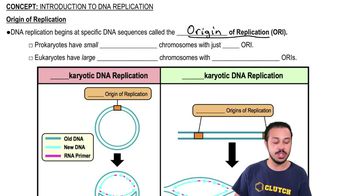
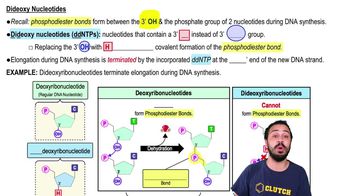
Introduction to DNA Replication
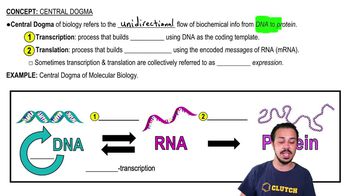
Central Dogma
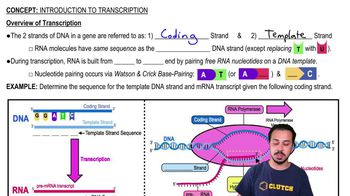
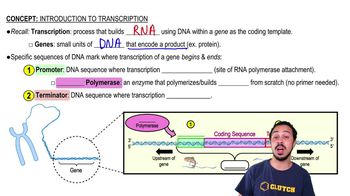
Introduction to Transcription
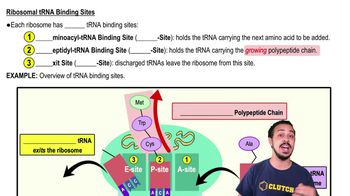
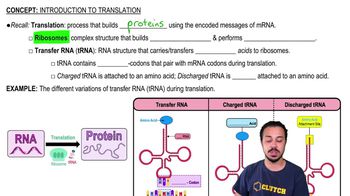
Introduction to Translation
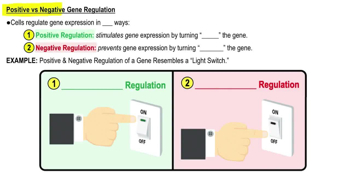
Introduction to Regulation of Gene Expression
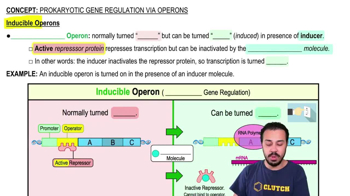
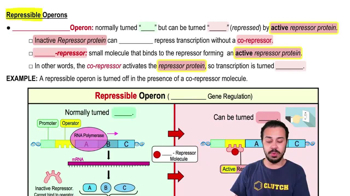
Prokaryotic Gene Regulation via Operons
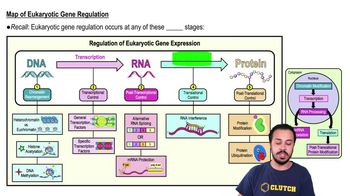
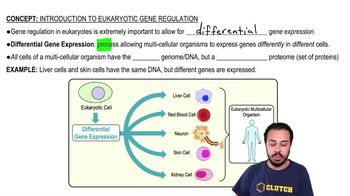
Introduction to Eukaryotic Gene Regulation
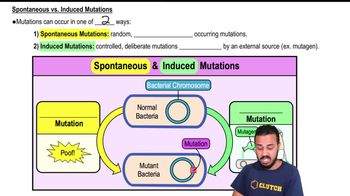
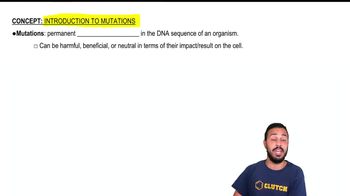
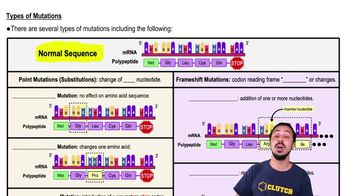
Introduction to Mutations
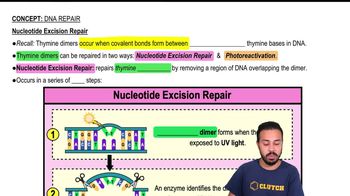
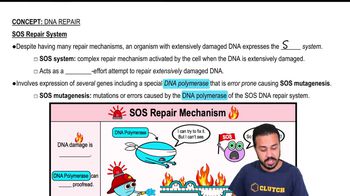
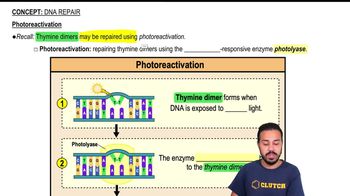
DNA Repair Mechanisms
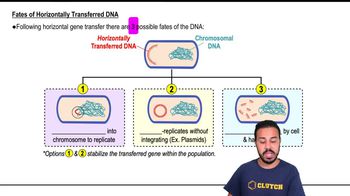
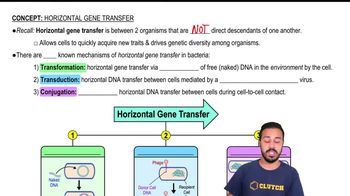
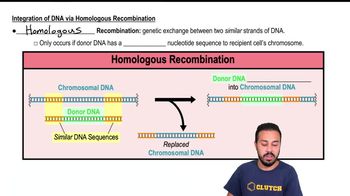
Horizontal Gene Transfer
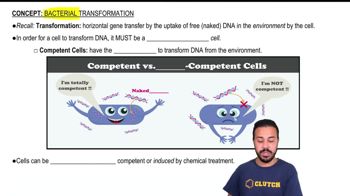
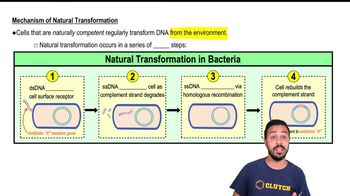
Bacterial Transformation
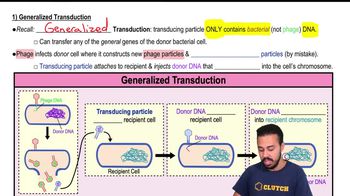
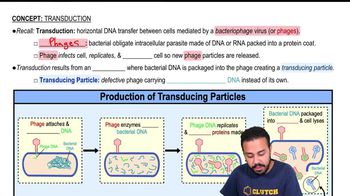
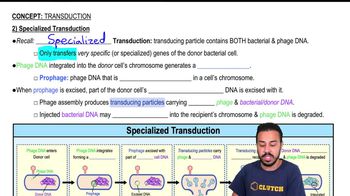
Transduction
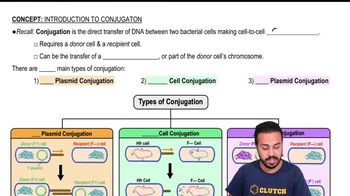
Introduction to Conjugation
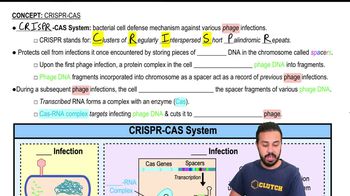
CRISPR CAS
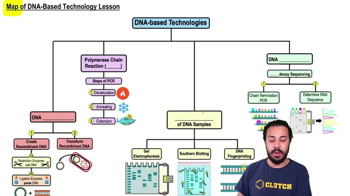
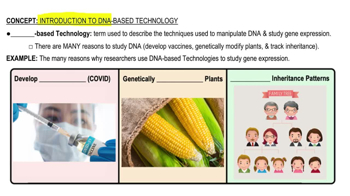
Introduction to DNA-Based Technology
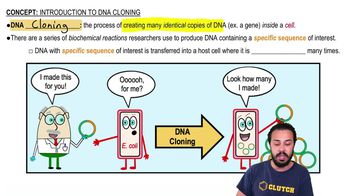
Introduction to DNA Cloning
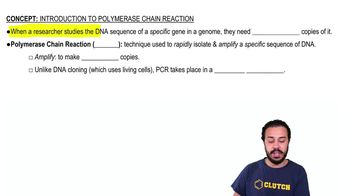
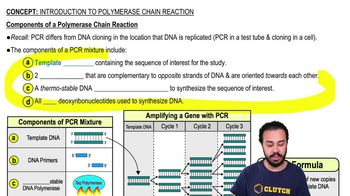
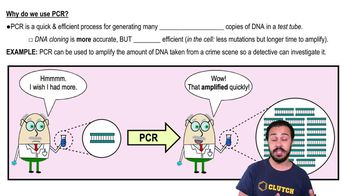
Introduction to Polymerase Chain Reaction
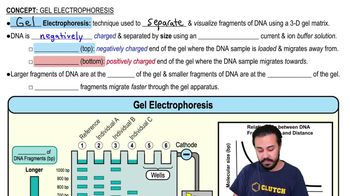
Gel Electrophoresis
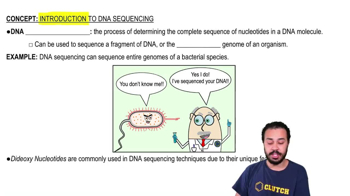
Introduction to DNA Sequencing
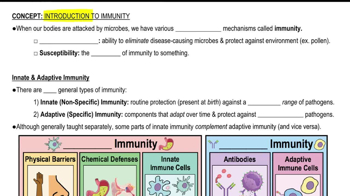
Introduction to Immunity
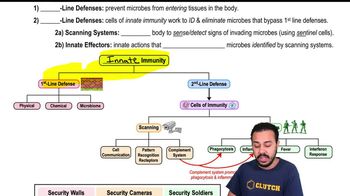
Introduction to Innate Immunity
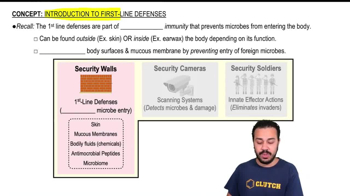
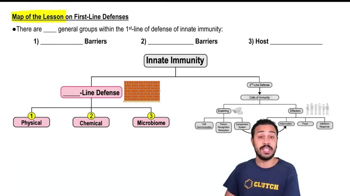
Introduction to First-Line Defenses
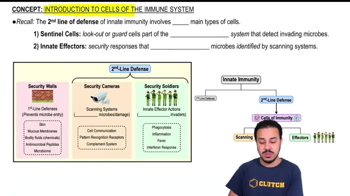
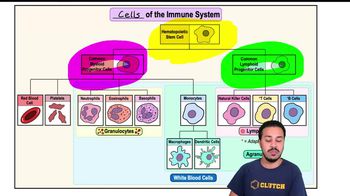
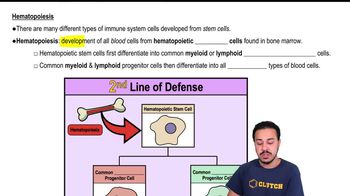
Introduction to Cells of the Immune System
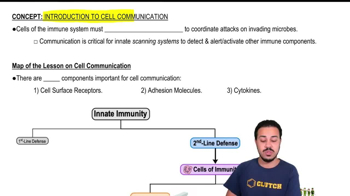
Introduction to Cell Communication
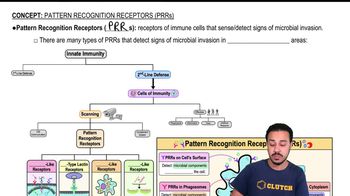
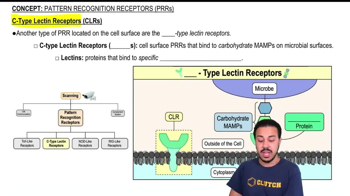
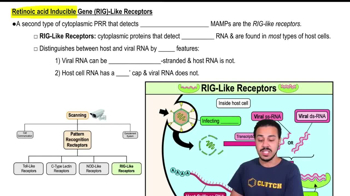
Pattern Recognition Receptors (PRRs)
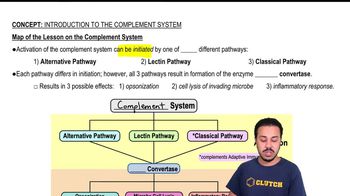
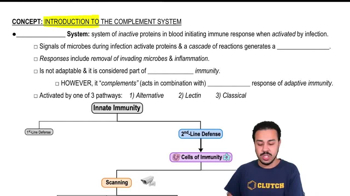
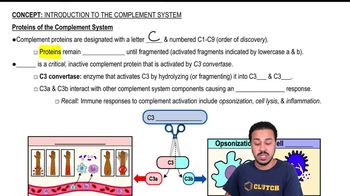
Introduction to the Complement System
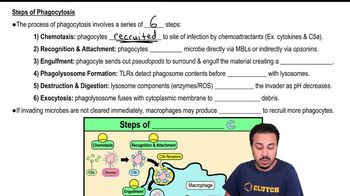
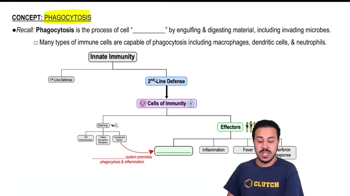
Phagoctytosis
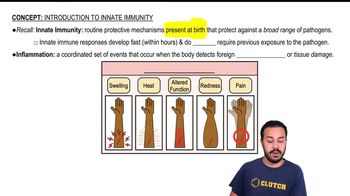
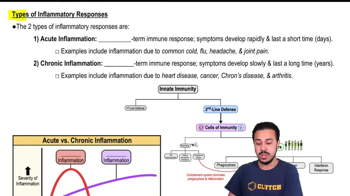
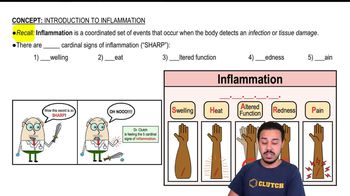
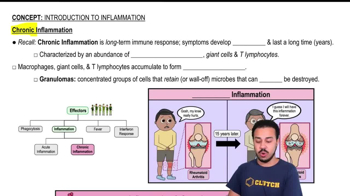
Introduction to Inflammation
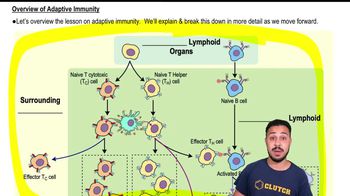
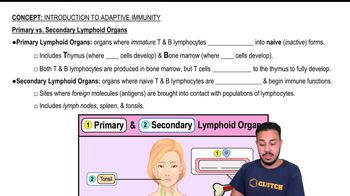
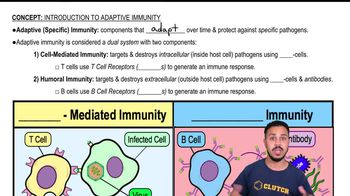
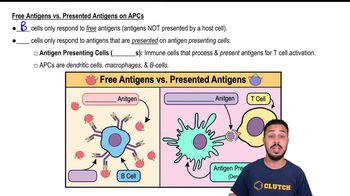
Introduction to Adaptive Immunity
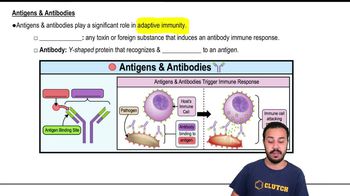
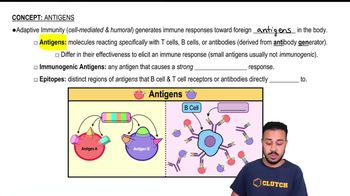
Antigens
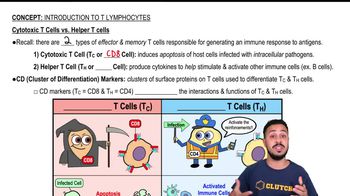
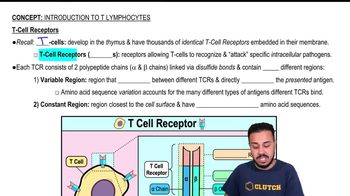
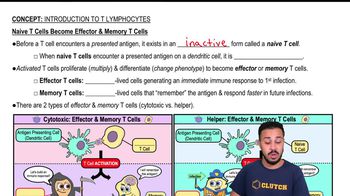
Introduction to T Lymphocytes
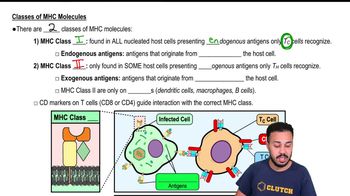
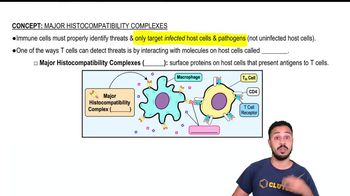
Major Histocompatibility Complex Molecules
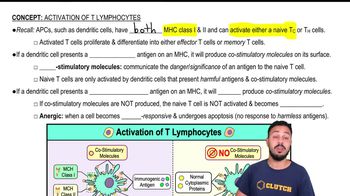
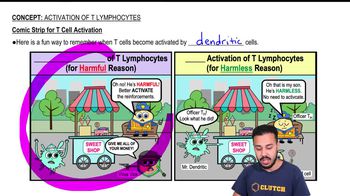
Activation of T Lymphocytes
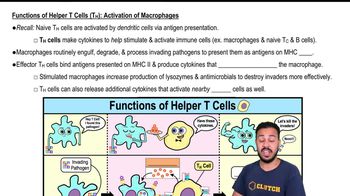
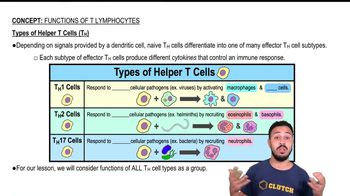
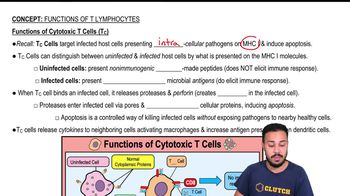
Functions of T Lymphocytes
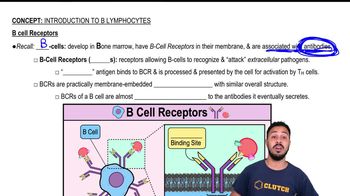
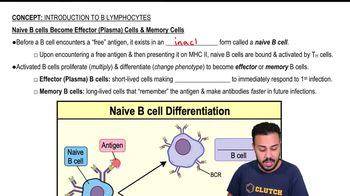
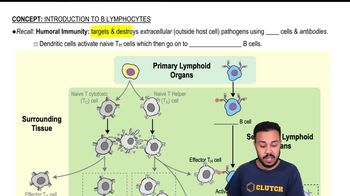
Introduction to B Lymphocytes
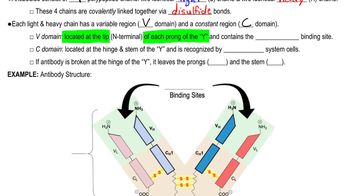
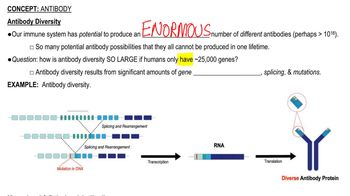
Antibodies
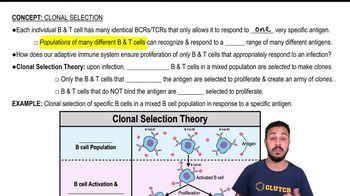
Clonal Selection
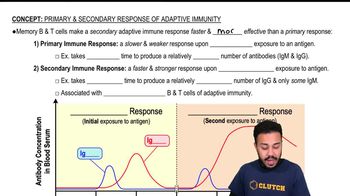
Primary and Secondary Response of Adaptive Immunity
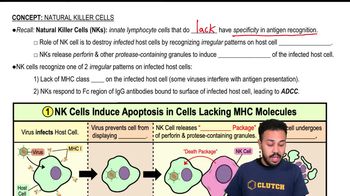
Natural Killer Cells
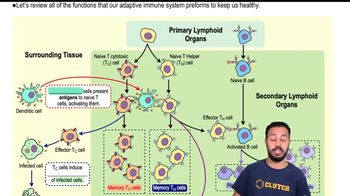
Review of Adaptive Immunity
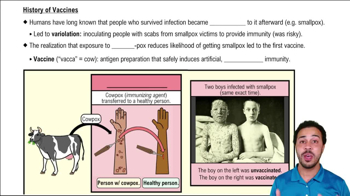
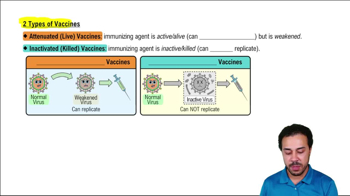
Introduction to Vaccines
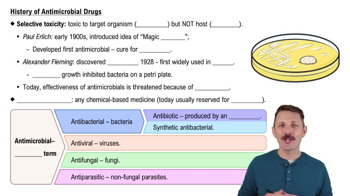
Introduction to Antimicrobial Drugs
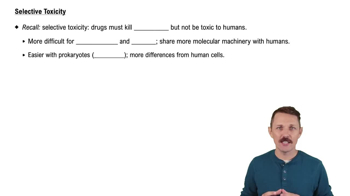
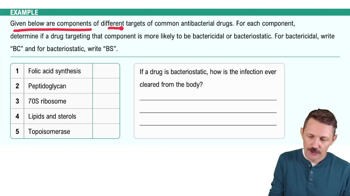
How Antimicrobial Drugs Work
Antimicrobial Resistance
 Back
Back Curated lessons matched to your uploaded material – learn every topic step by step.
 03:36
03:36