 Back
BackMicrobial Diseases of the Cardiovascular and Lymphatic Systems
Study Guide - Smart Notes
 Tailored notes based on your materials, expanded with key definitions, examples, and context.
Diseases of the Cardiovascular and Lymphatic Systems
Overview of the Cardiovascular and Lymphatic Systems
The cardiovascular system and lymphatic system are essential for transporting fluids, nutrients, and immune cells throughout the body. These systems are also common sites for microbial infections, which can lead to severe and sometimes life-threatening diseases.
Cardiovascular system: Circulates blood, delivers substances, and removes waste from cells. Main structures include the heart, arteries, veins, and capillaries.
Lymphatic system: Returns interstitial fluid (lymph) to the bloodstream, transports immune cells, and filters pathogens through lymph nodes.
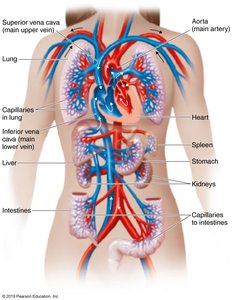
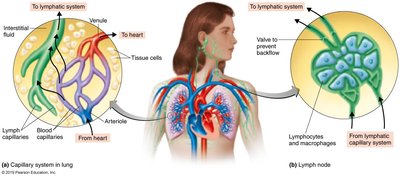
Common Signs and Symptoms of Cardiovascular and Lymphatic Infections
Septicemia: Acute illness caused by pathogens or their toxins in the blood.
Sepsis: Systemic inflammatory response to infection, which can progress to severe sepsis (organ dysfunction) and septic shock (dangerously low blood pressure).
Lymphangitis: Inflammation of lymph vessels, often visible as red streaks under the skin.
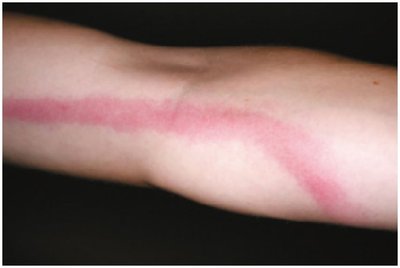
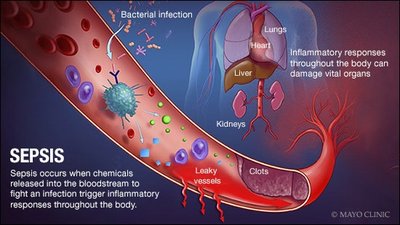
Sepsis: Gram-Negative vs. Gram-Positive
Gram-Negative Sepsis (Endotoxic Shock)
Caused by endotoxins (lipopolysaccharides, LPS) from Gram-negative bacteria.
Triggers a severe drop in blood pressure; antibiotics may worsen the condition by releasing more endotoxin.
Treatment focuses on neutralizing LPS and inflammatory cytokines.
Gram-Positive Sepsis (Exotoxic Shock)
Caused by exotoxins from Gram-positive bacteria.
Common hospital-acquired pathogens: Enterococcus faecium, E. faecalis, and Group B Streptococci (Streptococcus agalactiae).
Can lead to neonatal sepsis and toxic shock syndrome.
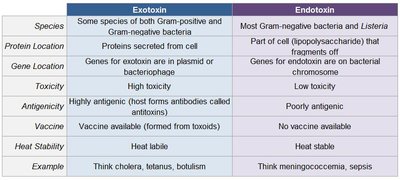
Exotoxin | Endotoxin | |
|---|---|---|
Species | Some Gram-positive and Gram-negative | Most Gram-negative, some Gram-positive |
Protein Location | Secreted from cell | Part of cell wall (LPS) |
Toxicity | High | Low |
Antigenicity | Highly antigenic | Poorly antigenic |
Vaccine | Available (toxoids) | Not available |
Heat Stability | Heat labile | Heat stable |
Example | Cholera, tetanus, botulism | Meningococcemia, sepsis |
Group B Streptococcal (GBS) Infections
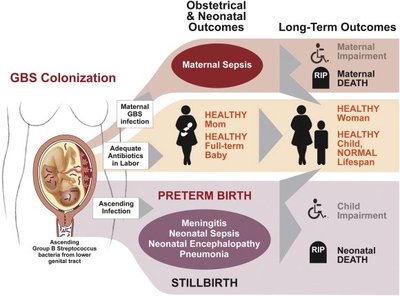
GBS can colonize the female genital tract and cause maternal and neonatal sepsis, meningitis, and pneumonia.
Prevention includes screening and antibiotic prophylaxis during labor.
Puerperal Sepsis (Childbirth Fever)
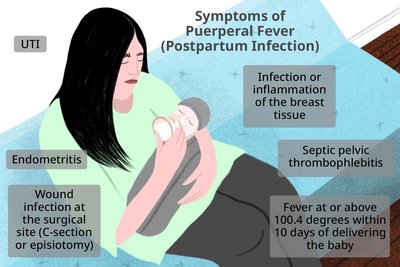
Caused by Streptococcus pyogenes, transmitted during childbirth.
Infection can spread from the uterus to the abdominal cavity (peritonitis).
Bacterial Infections of the Heart
Endocarditis
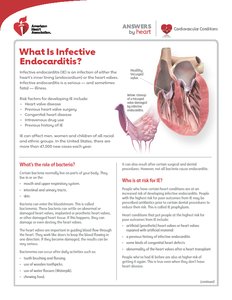
Endocarditis: Inflammation of the endocardium (inner heart lining and valves).
Subacute bacterial endocarditis: Often caused by alpha-hemolytic streptococci from oral infections; impairs valve function.
Acute bacterial endocarditis: Caused by Staphylococcus aureus.
Pericarditis: Inflammation of the sac around the heart, often due to streptococci.
Rheumatic Fever
Autoimmune complication following S. pyogenes (strep throat) infection, usually in children 4–18 years old.
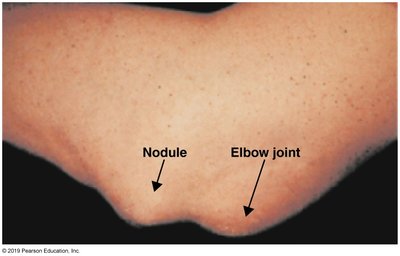
Symptoms: Inflammation of heart valves, subcutaneous nodules at joints, and Sydenham’s chorea (involuntary movements).
Bacterial Infections of the Lymphatic System
Tularemia
Caused by Francisella tularensis (Gram-negative rod), a zoonotic disease transmitted from rabbits, ground squirrels, or arthropod vectors (ticks, flies).
Symptoms: Ulcer at entry site, enlarged lymph nodes, mortality usually <30%.
Brucellosis (Undulant Fever)
Caused by Brucella spp. (aerobic Gram-negative rods).
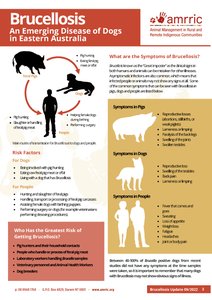
Transmitted via unpasteurized milk or contact with infected animals; causes undulating fever, malaise, night sweats, and muscle aches.
Anthrax
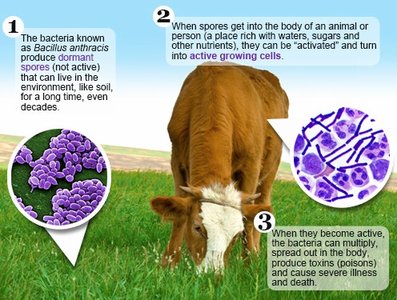
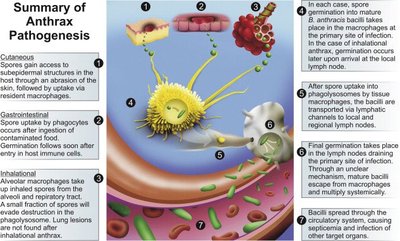
Caused by Bacillus anthracis (Gram-positive, endospore-forming rod).
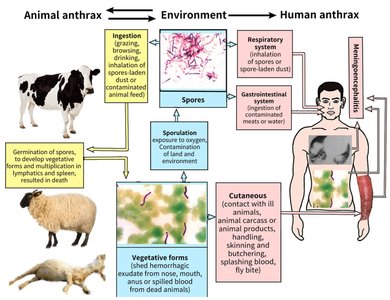
Primarily affects grazing animals; humans infected via cutaneous, gastrointestinal, or inhalational routes.
Virulence factors: Protective antigen, edema toxin, lethal toxin, and amino acid capsule.
Treatment: Vaccination of livestock, ciprofloxacin, doxycycline.
Types of Anthrax
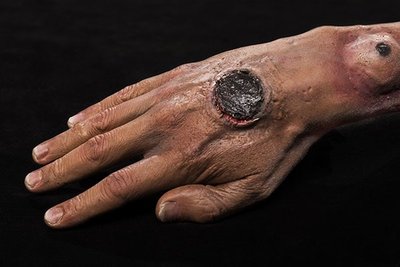
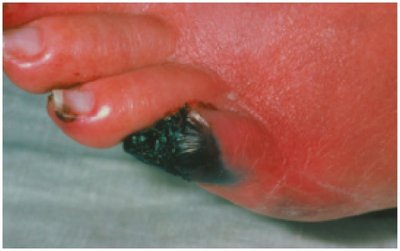
Cutaneous anthrax: Endospores enter through a cut; 20% mortality without treatment.
Gastrointestinal anthrax: Ingestion of contaminated food; 50% mortality.
Inhalational anthrax: Inhalation of endospores; nearly 100% mortality if untreated.
Circulatory System Infections: Ischemia, Necrosis, and Gangrene
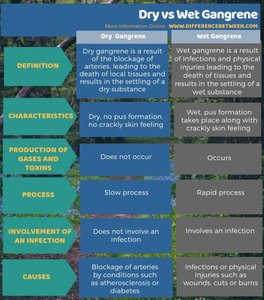
Ischemia: Loss of blood supply to tissue.
Necrosis: Death of tissue.
Gangrene: Death of soft tissue, often due to infection.
Gas gangrene: Caused by Clostridium perfringens (Gram-positive, endospore-forming anaerobe); produces toxins in necrotic tissue.
Treatment: Surgical removal of necrotic tissue, hyperbaric oxygen therapy.
Bacterial Infections from Bites and Scratches
Pasteurella multocida
Gram-negative rod found in domestic animals; causes local swelling, pain, pneumonia, and sometimes sepsis after bites.
Cat-Scratch Disease
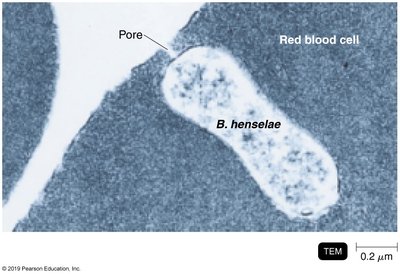
Caused by Bartonella henselae (aerobic, Gram-negative); transmitted via cat scratches contaminated with flea feces.
Symptoms: Papule at infection site, swollen lymph nodes, fever; usually self-limiting.
Streptobacillary Rat-Bite Fever
Caused by Streptobacillus moniliformis (filamentous, Gram-negative); transmitted by rat bites.
Symptoms: Fever, chills, muscle pain; 10% mortality rate.
Plague (Black Death)
Caused by Yersinia pestis (Gram-negative rod); transmitted by rat fleas (Xenopsylla cheopis).
Bacteria block flea digestive tract, causing regurgitation and infection of host; leads to swollen lymph nodes (buboes).
Forms: Bubonic (50–75% mortality), septicemic (septic shock), pneumonic (nearly 100% mortality, airborne transmission).
Treatment: Antibiotic prophylaxis for exposure.
Relapsing Fever
Caused by Borrelia spp. (spirochetes); transmitted by soft ticks.
Symptoms: High fever, jaundice, rose-colored spots; successive relapses are less severe.
Treatment: Tetracycline.
Lyme Disease (Lyme Borreliosis)
Caused by Borrelia burgdorferi (spirochete); most common tickborne disease in the US.
Reservoir: Field mice; transmitted by ticks (must be attached 24–72 hours).
Progression: Bull’s-eye rash and flu-like symptoms (first phase), irregular heartbeat and neurological symptoms (second phase), arthritis (third phase).
Diagnosis: ELISA, indirect fluorescent-antibody test, Western blot.
Treatment: Antibiotics (more difficult in later stages).
Typhus and Related Diseases
Caused by Rickettsia spp. (Gram-negative, obligate intracellular parasites); infect endothelial cells and cause vascular damage.
Typhus fever (louseborne): R. prowazekii, transmitted by body lice; symptoms include prolonged fever, rash, hemorrhaging; treated with tetracycline or chloramphenicol.
Endemic murine typhus: R. typhi, transmitted by rat fleas; similar symptoms, lower mortality.
Rocky Mountain spotted fever: R. rickettsii, transmitted by ticks; rash on palms and soles, high mortality without early treatment.
Viral Infections of the Cardiovascular and Lymphatic Systems
Burkitt’s Lymphoma and Infectious Mononucleosis
Caused by Epstein-Barr virus (HHV-4); associated with tumors (Burkitt’s lymphoma) and infectious mononucleosis ("mono").
Symptoms: Fatigue, fever, sore throat, swollen lymph nodes, enlarged spleen.
Transmitted via body fluids, especially saliva; may be linked to multiple sclerosis.
Yellow Fever
Caused by yellow fever virus; transmitted by Aedes aegypti mosquitoes.
Symptoms: Fever, chills, headache, nausea, jaundice (liver damage).
Prevention: Attenuated vaccine; no specific treatment.
Ebola Hemorrhagic Fever
Caused by Ebolavirus; reservoir likely fruit bats.
Transmitted via contact with body fluids; damages blood vessels, causes internal and external bleeding.
Mortality rate up to 90%.
Protozoan Infections of the Cardiovascular and Lymphatic Systems
Chagas’ Disease (American Trypanosomiasis)
Caused by Trypanosoma cruzi (flagellated protozoan); reservoir in rodents, opossums, armadillos; vector is the reduviid (kissing bug).
Acute symptoms: Fever, fatigue, vomiting, diarrhea; chronic: megaesophagus, megacolon, heart damage.
Treatment is difficult due to intracellular multiplication.
Toxoplasmosis
Caused by Toxoplasma gondii; sexual phase in cat intestines, oocysts shed in feces.
Transmitted via cat feces, soil, or undercooked meat; dangerous for developing embryos (stillbirth, neurological damage).
Malaria
Caused by Plasmodium spp.; transmitted by Anopheles mosquitoes.
Life cycle: Mosquito injects sporozoites, which infect liver cells, then red blood cells (RBCs); causes cycles of chills and fever.
Most deadly form: P. falciparum (severe anemia, organ failure).
Treatment: Artemisinin, chloroquine, malarone; prevention includes bed nets and vector control.
Additional info: Malaria is a major global health problem, with 300–500 million cases and 2–4 million deaths annually.
