 Back
BackMicrobial Diseases of the Urinary and Reproductive Systems: Structured Study Notes
Study Guide - Smart Notes
 Tailored notes based on your materials, expanded with key definitions, examples, and context.
Microbial Diseases of the Urinary and Reproductive Systems
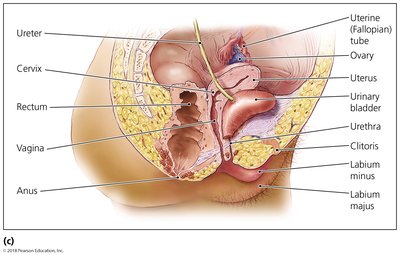
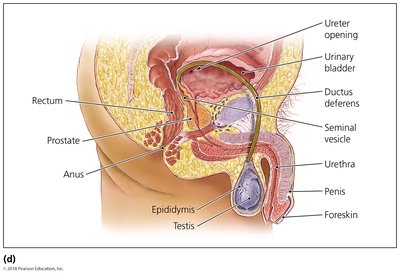
Overview of the Urinary and Reproductive Systems
The urinary and reproductive systems are anatomically and functionally distinct in females, while males share some components between the two systems. Understanding their structure is essential for recognizing how infections occur and spread.
Urinary System: Includes kidneys, ureters, urinary bladder, and urethra. The kidneys filter blood to form urine, which is transported by ureters to the bladder and excreted via the urethra.
Female Reproductive System: Composed of ovaries, uterine tubes, uterus, vagina, and external genitalia. Microorganisms typically enter through the vagina.
Male Reproductive System: Includes testes, scrotum, ducts, accessory glands, and penis. Microorganisms can enter through the urethra and skin of the penis.
Microbiome of the Urinary and Reproductive Systems
The microbiome plays a crucial role in health and disease. Most urinary organs are sterile, but the urethra and vagina support colonization by specific microorganisms.
Urinary System: Urethra supports colonization by Lactobacillus and Staphylococcus. Other urinary organs are sterile.
Male Reproductive System: Regions above the prostate are sterile.
Female Reproductive System: The vaginal microbiome varies with hormone levels and can be colonized by various microorganisms.
Microorganisms in the urethra can ascend to infect the kidneys. Opportunistic and sexually transmitted microbes can infect the reproductive system.
Bacterial Diseases of the Urinary System
Bacterial Urinary Tract Infections (UTIs)
UTIs are among the most common bacterial infections, especially in females due to anatomical differences.
Signs and Symptoms: Frequent, urgent, painful urination; cloudy urine with foul odor.
Pathogens: Most commonly caused by enteric bacteria, especially Escherichia coli. Virulence factors include flagella and fimbriae.
Types of Infection:
Urethritis: Inflammation of the urethra.
Cystitis: Inflammation of the urinary bladder.
Ureteritis: Infection of the ureters.
Pyelonephritis: Inflammation of one or both kidneys.
Cystitis
Cystitis is more common in women due to the short length of the urethra.
Causes: E. coli and Staphylococcus saprophyticus.
Symptoms: Dysuria (painful urination), pyuria.
Diagnosis: >100 CFU/ml of pathogens and positive leukocyte esterase (LE) test.
Treatment: Trimethoprim-sulfamethoxazole.
Pyelonephritis
Causes: 75% of cases by E. coli.
Symptoms: Fever, back or flank pain, bacteremia, possible scar tissue formation.
Diagnosis: >10,000 CFU/ml and positive LE test.
Treatment: Cephalosporin.
Nonvenereal Diseases of the Reproductive Systems
Staphylococcal Toxic Shock Syndrome
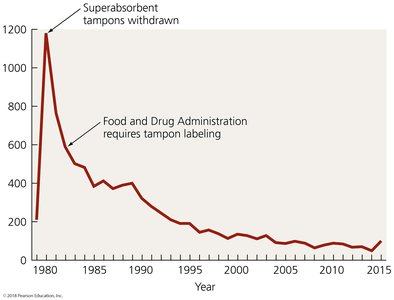
This syndrome is caused by toxin-producing strains of Staphylococcus aureus and is most common in menstruating females.
Symptoms: Sudden fever, chills, vomiting, diarrhea, low blood pressure, confusion, severe red rash, shock if untreated.
Pathogenesis: Toxin absorption triggers excessive cytokine production.
Diagnosis: Based on signs and symptoms; medical emergency.
Treatment: Removal of foreign material and antimicrobial drugs.
Prevention: Avoiding or using less absorbent tampons.
Bacterial Vaginosis
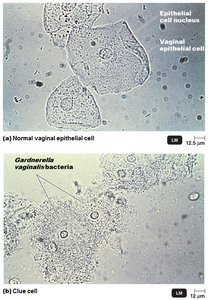
Bacterial vaginosis is caused by Gardnerella vaginalis and is characterized by a lack of inflammation.
Symptoms: pH above 4.5, fishy odor, copious frothy discharge.
Diagnosis: Presence of clue cells (vaginal epithelial cells covered with bacteria).
Treatment: Metronidazole.
Vaginal Candidiasis
Vaginal candidiasis is a fungal infection caused by Candida albicans, part of the normal microbiota.
Symptoms: Severe vaginal itching and burning.
Pathogenesis: Overgrowth occurs if pH becomes alkaline or normal microbiota are reduced.
Diagnosis: Identification of Candida and symptoms.
Treatment: Azole or fluconazole.
Prevention: Avoid persistent moisture in genital area.
Sexually Transmitted Infections (STIs) and Diseases (STDs)
General Overview
STIs are transmitted sexually and can lead to STDs. Lesions from STDs increase the risk of HIV transmission. Female adolescents are particularly at risk due to cervical lining susceptibility.
Prevention: Abstinence, mutual monogamy, proper condom use.
Bacterial STDs
Gonorrhea
Pathogen: Neisseria gonorrhoeae.
Symptoms: Men: painful urination, purulent discharge. Women: often asymptomatic, risk of pelvic inflammatory disease (PID).
Virulence Factors: Fimbriae, capsule, endotoxin.
Diagnosis: Genetic probes.
Treatment: Ceftriaxone and azithromycin.
Prevention: Safe sex practices.

Nongonococcal Urethritis (NGU)
Pathogens: Chlamydia trachomatis, Mycoplasma hominis, Ureaplasma urealyticum.
Symptoms: Painful urination, watery discharge, PID in women.
Diagnosis: Culture or PCR.
Treatment: Doxycycline and azithromycin.
Pelvic Inflammatory Disease (PID)
Pathogens: N. gonorrhoeae, C. trachomatis.
Symptoms: Chronic abdominal pain, salpingitis (infection of uterine tubes), infertility, ectopic pregnancy.
Treatment: Doxycycline and cefoxitin.
Chlamydial Infections
Pathogen: Chlamydia trachomatis.
Symptoms: Women: usually asymptomatic. Men: painful urination, pus discharge. Can cause epididymitis, orchitis, trachoma, lymphogranuloma venereum (LGV).
Diagnosis: PCR detection of chlamydial DNA.
Treatment: Antimicrobial drugs.
Prevention: Abstinence or mutual monogamy.
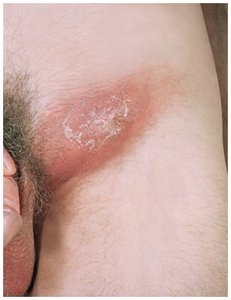
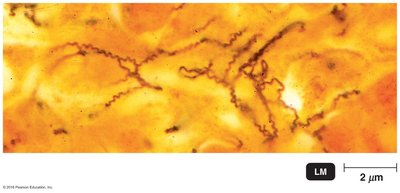
Syphilis
Pathogen: Treponema pallidum, a gram-negative spirochete.
Stages:
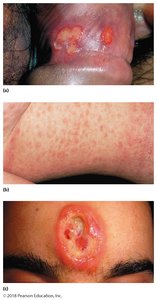
Primary: Chancre at infection site, painless, highly infectious.
Secondary: Skin and mucosal rashes, especially on palms and soles.
Latent: No symptoms.
Tertiary: Gummas, cardiovascular and nervous system damage, congenital syphilis.
Diagnosis: Antibody tests (DFA-TP, VDRL, RPR, EIA, FTA-ABS).
Treatment: Benzathine penicillin (except tertiary syphilis).
Prevention: Safe sex practices.
Viral Diseases of the Urinary and Reproductive Systems
Genital Herpes
Pathogen: Human herpesvirus 2 (most cases), human herpesvirus 1 (remainder).
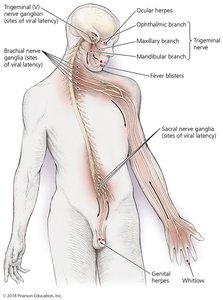
Symptoms: Small blisters on or around genitals or rectum.
Pathogenesis: Virus kills epithelial cells, can become latent in nerve cells, blisters may form at distant sites.
Epidemiology: Quadruples risk of HIV infection.
Diagnosis: Characteristic lesions.
Treatment: Acyclovir or other antivirals.
Prevention: C-section for infected pregnant women; condoms often provide little protection.
Genital Warts
Pathogen: Human papillomaviruses (HPV).
Symptoms: Papillomas (warts) on skin or genitalia; large growths called condylomata acuminata.
Pathogenesis: Most common STD in the US; causes nearly all cervical cancers.
Diagnosis: Presence of warts.
Treatment: Various methods to remove warts.
Prevention: Vaccine available against cancer-associated HPV strains.
Summary Table: Major Diseases of the Urinary and Reproductive Systems
Disease | Pathogen | Symptoms | Treatment |
|---|---|---|---|
Cystitis | Escherichia coli, Staphylococcus saprophyticus | Dysuria, pyuria | Trimethoprim-sulfamethoxazole |
Pyelonephritis | Primarily E. coli | Fever, back/flank pain | Cephalosporin |
Gonorrhea | Neisseria gonorrhoeae | Painful urination, discharge (men); PID (women) | Cephalosporins |
Nongonococcal Urethritis | Chlamydia trachomatis, Mycoplasma hominis, Ureaplasma urealyticum | Painful urination, watery discharge, PID | Doxycycline, azithromycin |
Pelvic Inflammatory Disease | N. gonorrhoeae, C. trachomatis | Chronic abdominal pain, infertility | Doxycycline, cefoxitin |
Syphilis | Treponema pallidum | Sore, rashes, severe lesions | Benzathine penicillin |
Lymphogranuloma Venereum | C. trachomatis | Swelling in lymph nodes | Doxycycline |
Bacterial Vaginosis | Gardnerella vaginalis | Fishy odor, frothy discharge | Metronidazole |
Genital Herpes | Herpes simplex virus type 2 | Painful vesicles | Acyclovir |
Genital Warts | Human papillomaviruses | Warts, condylomata acuminata | Removal, vaccine |
Candidiasis | Candida albicans | Itching, burning | Azole, fluconazole |
Key Concepts and Additional Information
Short urethra in females increases risk of UTIs.
Insertion of urinary catheters increases risk of cystitis due to biofilm formation.
DNA viruses (herpesviruses, papillomaviruses) are more likely to cause recurrent diseases and cancers because they integrate into host DNA.
Additional info: The notes above expand on brief points with academic context, definitions, and examples to ensure completeness and clarity for exam preparation.
