 Back
BackMicrobial Diseases of the Urinary and Reproductive Systems
Study Guide - Smart Notes
 Tailored notes based on your materials, expanded with key definitions, examples, and context.
Microbial Diseases of the Urinary and Reproductive Systems
Overview of the Urinary and Reproductive Systems
The urinary and reproductive systems are anatomically and functionally distinct but closely related in terms of microbial diseases. Understanding their structure is essential for recognizing how infections develop and spread.
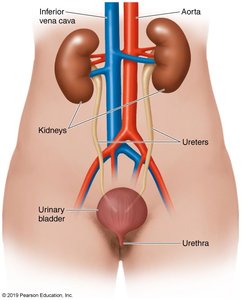
Urinary System Structures: Paired kidneys, paired ureters, bladder, and urethra. The length of the urethra differs between biological sexes, influencing infection risk.
Female Reproductive System Structures: Paired ovaries, paired uterine (fallopian) tubes, uterus (including cervix), vagina (birth canal), and external genitalia (vulva).
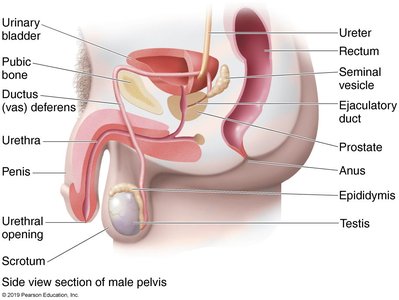
Male Reproductive System Structures: Paired testes, system of ducts (epididymis, ductus/vas deferens, urethra), accessory glands, and penis.
Normal Microbiota of the Urinary and Reproductive Systems
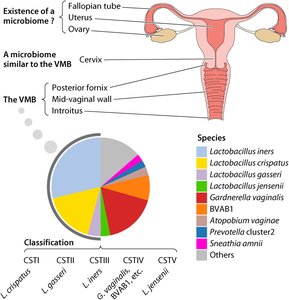
The distribution of normal microbiota varies between the urinary and reproductive tracts and between sexes. The urinary bladder and upper urinary tract are typically sterile, while the female reproductive tract harbors a diverse microbiota.
Male Urethra: Usually sterile.
Female Reproductive Tract: Contains Lactobacilli (produce H2O2 and lactic acid, growth promoted by estrogen), Streptococci, anaerobes, some Gram-negative bacteria, and Candida albicans (yeast).
Common Signs and Symptoms of Urinary and Reproductive Tract Infections
Microbial infections of these systems often present with inflammation and discomfort. The most common conditions include:
Urethritis: Inflammation of the urethra.
Cystitis: Inflammation of the bladder.
Ureteritis: Infection of the ureters.
Pyelonephritis: Inflammation of one or both kidneys.
Most urinary tract infections (UTIs) are caused by Escherichia coli.
Bacterial Infections of the Urinary and Reproductive Systems
Sexually Transmitted Diseases (STDs) and Infections (STIs)
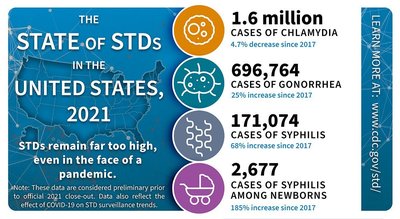
STDs/STIs are commonly caused by bacteria, viruses, or other pathogens. Many infections are asymptomatic, and over 30 types are known, with millions of new cases annually in the US. Prevention includes antibiotics and prophylactics (e.g., condoms).
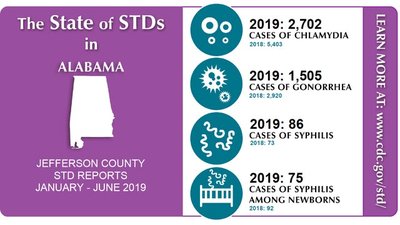
Gonorrhea
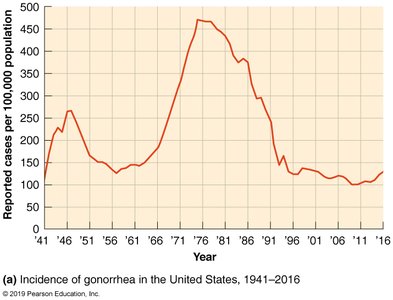
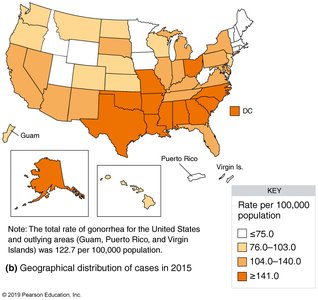
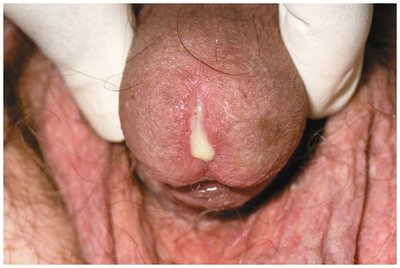
Gonorrhea is caused by Neisseria gonorrhoeae, a Gram-negative diplococcus. It attaches to epithelial mucosa via fimbriae, invades spaces between columnar epithelial cells, causes inflammation, and forms pus. It can infect other body regions, including the pharynx and anus.
Incidence: Approximately 300,000 cases annually in the US.
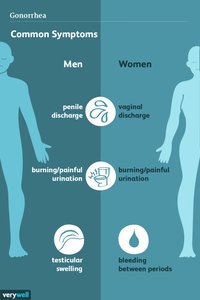
Symptoms in Males: Painful urination, discharge of pus, epididymitis.
Symptoms in Females: Often fewer symptoms, risk of pelvic inflammatory disease.
Complications: If untreated, can become systemic (endocarditis, meningitis, arthritis) and cause ophthalmia neonatorum (infant blindness).

Chlamydia
Chlamydia is caused by Chlamydia trachomatis, a Gram-negative, obligate intracellular parasite. Infectious elementary bodies are present in semen and vaginal secretions and bind to host cells via adhesins.
70% of infected females are asymptomatic; symptoms are more common in males.
Can be passed to newborns, previously a leading cause of blindness worldwide.
Syphilis
Syphilis is caused by Treponema pallidum, a spirochete transmitted only through humans. The disease progresses through four stages:
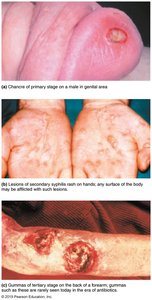
Primary: Skin lesions (chancres) appear 10-90 days post-exposure.
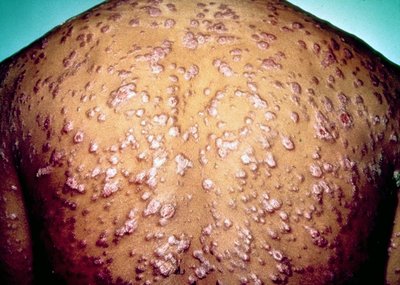
Secondary: 4-10 weeks post-exposure, with distinctive, infectious skin lesions and other symptoms.
Latent: May recur without symptoms.
Tertiary: 3-15 years post-exposure, with gummas (soft tumor-like growths), cardiovascular and neurological effects (meningitis, seizures, stroke).
Congenital Syphilis: Passed from infected mother to newborn.

Viral Infections of the Urinary and Reproductive Systems
Genital Herpes
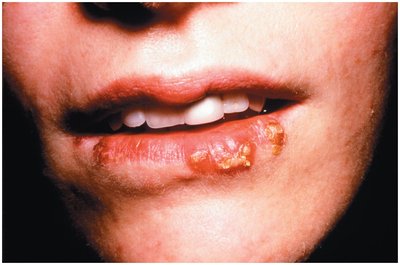
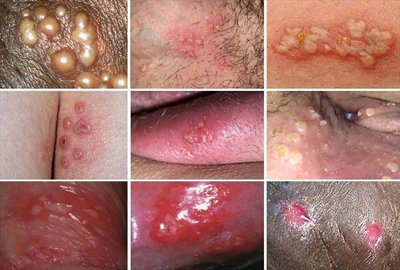
Genital herpes is primarily caused by herpes simplex virus type 2 (HSV-2). It is characterized by painful vesicles on the genitals and painful urination. The infection heals within two weeks but can recur due to viral latency in nerve cells, often triggered by stress, illness, or menstruation.
Diagnosis: Culture or PCR.
Treatment: No cure; managed with antivirals such as acyclovir, famciclovir, and valacyclovir.
Prevalence: 1 in 4 people over age 30 in the US are infected.
HIV/AIDS
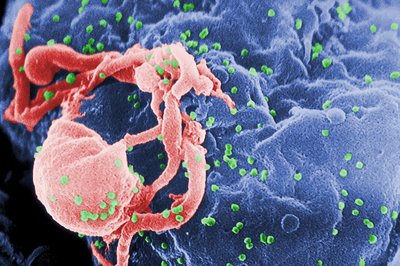
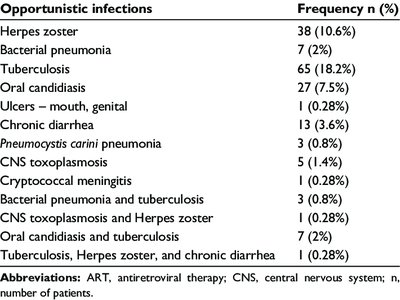
Human immunodeficiency virus (HIV) is a retrovirus with a single-stranded RNA genome. It is transmitted via contact with body fluids (not by touch alone) and can be passed from mother to newborn. HIV binds to CD4 T-cells and dendritic cells, gradually destroying CD4 T-cells and leading to acquired immunodeficiency syndrome (AIDS), which increases susceptibility to opportunistic infections.
No vaccine is available; treatment focuses on suppression and management with modern antivirals, which can extend life expectancy.
Summary Table: Major Bacterial and Viral Infections of the Urinary and Reproductive Systems
Infection | Pathogen | Key Symptoms | Transmission | Complications |
|---|---|---|---|---|
Gonorrhea | Neisseria gonorrhoeae | Painful urination, pus discharge, pelvic pain | Sexual contact | PID, systemic infection, infant blindness |
Chlamydia | Chlamydia trachomatis | Often asymptomatic, discharge, pain | Sexual contact | Infertility, neonatal conjunctivitis |
Syphilis | Treponema pallidum | Chancres, rash, neurological symptoms | Sexual contact, congenital | Gummas, cardiovascular/neurological damage |
Genital Herpes | HSV-2 | Painful vesicles, recurrent outbreaks | Sexual contact | Neonatal herpes, increased HIV risk |
HIV/AIDS | HIV (retrovirus) | Immunodeficiency, opportunistic infections | Body fluids, congenital | AIDS, life-threatening infections |
Additional info: The above notes integrate foundational microbiology concepts, including the role of normal microbiota, the pathogenesis of major bacterial and viral infections, and the importance of prevention and treatment strategies. The summary table provides a concise comparison of the most clinically significant infections affecting the urinary and reproductive systems.
