Back
BackMicrobial Growth, Control, and Immunity: Comprehensive Study Notes
Study Guide - Smart Notes
 Tailored notes based on your materials, expanded with key definitions, examples, and context.
Microbial Growth
Physical and Chemical Requirements for Microbial Growth
Microbial growth is influenced by a variety of physical and chemical factors that determine the ability of microorganisms to survive, reproduce, and thrive in different environments.
Physical requirements: Temperature, pH, and osmotic pressure.
Chemical requirements: Sources of carbon, nitrogen, sulfur, phosphorus, trace elements, oxygen, and organic growth factors.
Temperature Requirements
Microorganisms are classified based on their preferred temperature ranges, which affect their enzymatic activities and membrane fluidity.
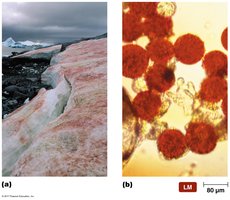
Psychrophiles: Cold-loving microbes, optimal growth at 15°C or lower.
Psychrotrophs: Grow well at low temperatures but have higher optimums (20–30°C).
Mesophiles: Moderate-temperature-loving microbes, optimal at 25–40°C (most human pathogens).
Thermophiles: Heat-loving microbes, optimal at 50–60°C.
Hyperthermophiles: Extreme thermophiles, optimal above 80°C.
Example: Psychrophiles are found in polar regions and deep ocean waters.
pH Requirements
pH affects microbial enzyme activity and membrane integrity.
Most bacteria grow best at pH 6.5–7.5.
Molds and yeasts prefer pH 5–6.
Acidophiles can tolerate and thrive in acidic environments (pH < 4.0).
Alkalinity inhibits microbial growth and is rarely used for food preservation.
Example: Sauerkraut and pickles are preserved by acids produced during bacterial fermentation.
Osmotic Pressure
Osmotic pressure is crucial for microbial water balance and survival.
High osmotic pressure (hypertonic environments) is used in food preservation (e.g., salted fish, honey).
Obligate halophiles: Require high salt concentrations (e.g., Dead Sea organisms).
Facultative halophiles: Tolerate high salt but do not require it.
Chemical Requirements
Microbes require various elements for cellular structure and metabolism.
Carbon: Backbone of organic molecules; chemoheterotrophs use organic carbon, autotrophs use CO2.
Nitrogen: Needed for amino acids, nucleic acids; obtained from nitrogen fixation, ammonium, or nitrates.
Sulfur: Used in amino acids and vitamins.
Phosphorus: Essential for nucleic acids, ATP, and phospholipids.
Trace elements: Iron, copper, molybdenum, zinc (enzyme cofactors).
Oxygen: Microbes are classified by their oxygen requirements (see below).
Oxygen Requirements
Microorganisms are classified based on their need for and tolerance to oxygen.
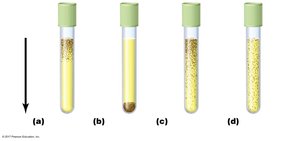
Obligate aerobes: Require oxygen for growth.
Facultative anaerobes: Grow with or without oxygen but better with it.
Obligate anaerobes: Cannot tolerate oxygen.
Aerotolerant anaerobes: Do not use oxygen but tolerate its presence.
Microaerophiles: Require low oxygen concentrations.
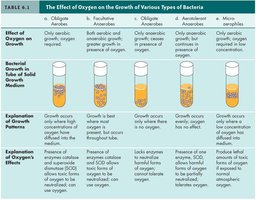
Culture Media and Microbial Growth Measurement
Culture Media
Culture media provide nutrients for microbial growth in the laboratory.
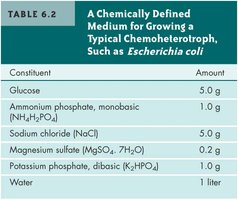
Chemically defined media: Exact chemical composition is known.
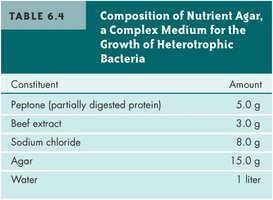
Complex media: Contains extracts and digests of yeasts, meat, or plants; composition varies.
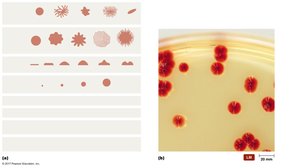
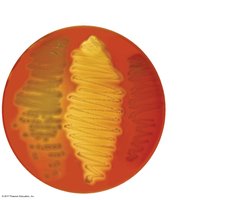
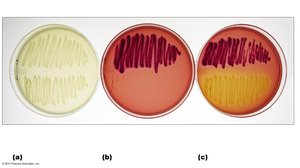
Selective media: Suppress unwanted microbes and encourage desired ones.
Differential media: Distinguish colonies of different microbes on the same plate.
Constituent | Amount |
|---|---|
Glucose | 5.0 g |
Ammonium phosphate, monobasic (NH4H2PO4) | 1.0 g |
Sodium chloride (NaCl) | 5.0 g |
Magnesium sulfate (MgSO4·7H2O) | 0.2 g |
Potassium phosphate, dibasic (K2HPO4) | 1.0 g |
Water | 1 liter |
Constituent | Amount |
|---|---|
Peptone (partially digested protein) | 5.0 g |
Beef extract | 3.0 g |
Sodium chloride | 8.0 g |
Agar | 15.0 g |
Water | 1 liter |
Selective and Differential Media
Selective media suppress unwanted microbes, while differential media distinguish between different types of microbes based on colony appearance or color changes.
Phases and Measurement of Microbial Growth
Phases of Microbial Growth
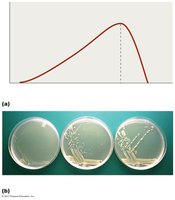
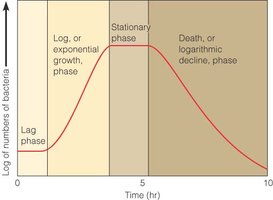
Bacterial populations typically exhibit four distinct growth phases in a closed system:
Lag phase: Metabolic activity without division.
Log (exponential) phase: Rapid cell division and population increase.
Stationary phase: Growth rate slows as nutrients deplete and waste accumulates.
Death (logarithmic decline) phase: Cells die faster than they divide.
Generation Time and Population Growth
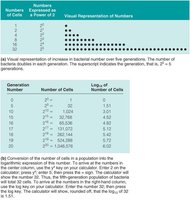
Generation time is the time required for a cell to divide and the population to double. Bacterial growth can be represented exponentially:
Number of cells after n generations:
Direct and Indirect Measurement of Microbial Growth
Microbial growth can be measured by several methods:
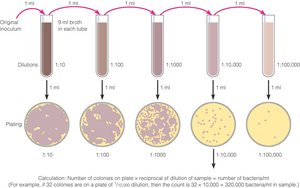
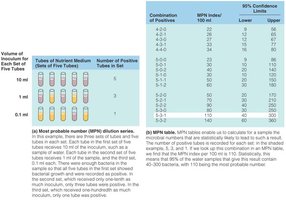
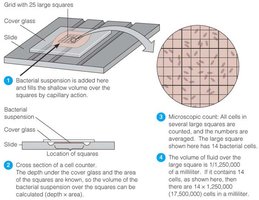
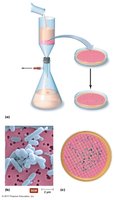
Direct methods: Plate counts, most probable number (MPN), direct microscopic count, membrane filtration.
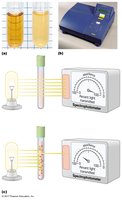
Indirect methods: Turbidity (spectrophotometry), metabolic activity, dry weight.
Microbial Control
Terminology of Microbial Control
Understanding the terminology is essential for describing microbial control methods:
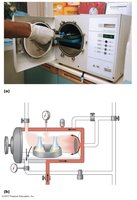
Sterilization: Destruction of all microbial life, including endospores.
Disinfection: Destruction of vegetative pathogens (not endospores).
Sanitization: Lowering microbial counts to safe public health levels.
Degermation: Mechanical removal of microbes from a limited area.
Biocide/Germicide: Kills microorganisms.
Bacteriostasis: Inhibits growth of bacteria without killing them.
Physical Methods of Microbial Control
Physical methods include heat, filtration, low temperature, high pressure, desiccation, and radiation.
Moist heat: Denatures proteins (boiling, autoclaving, pasteurization).
Dry heat: Coagulates proteins and oxidizes cell components (flaming, hot-air sterilization).
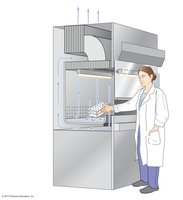
Filtration: Removes microbes from liquids or air using filters (HEPA, membrane filters).
Low temperature: Inhibits microbial growth (refrigeration, freezing).
Radiation: Ionizing (gamma rays, X-rays) and nonionizing (UV light) radiation damage DNA.

Immunity: Innate and Adaptive
Innate (Nonspecific) Immunity
Innate immunity provides immediate, nonspecific defense against pathogens and is present at birth.
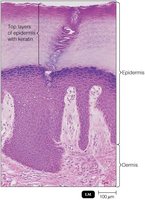
First line of defense: Skin, mucous membranes, and their secretions.
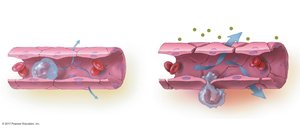
Second line of defense: Phagocytes, natural killer cells, inflammation, fever, antimicrobial substances.
Adaptive (Specific) Immunity
Adaptive immunity involves specific recognition of pathogens and has memory for future responses.
Humoral immunity: Mediated by B cells and antibodies.
Cellular immunity: Mediated by T cells.
The Nature of Antigens and Antibodies
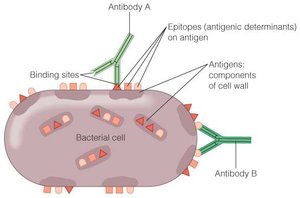
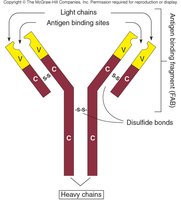
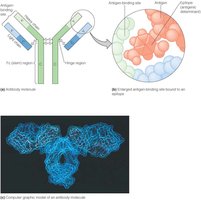
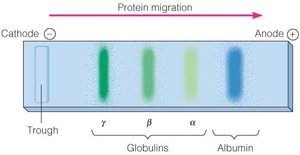
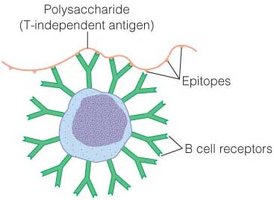
Antigens are substances that provoke an immune response, typically proteins or polysaccharides. Antibodies (immunoglobulins) are proteins produced by B cells that specifically bind to antigens.
Classes and Functions of Immunoglobulins
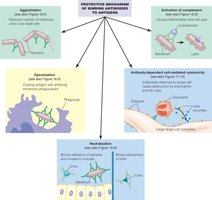
There are five main classes of immunoglobulins (IgG, IgM, IgA, IgD, IgE), each with distinct functions and locations.
B Cells, T Cells, and Immune Responses
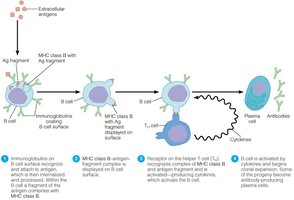
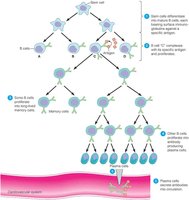
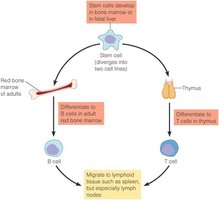
B cells mediate humoral immunity by producing antibodies, while T cells mediate cellular immunity by directly attacking infected cells or coordinating the immune response.
T Cell Activation and Function
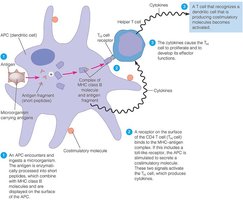
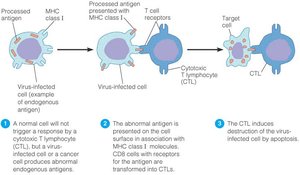
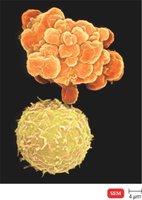
T cells are activated by antigen-presenting cells and differentiate into various types, including helper T cells (TH), cytotoxic T cells (TC/CTL), and regulatory T cells.
Types of Adaptive Immunity
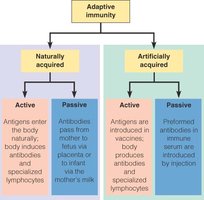
Adaptive immunity can be acquired naturally or artificially, and can be active or passive.
Naturally acquired active immunity: Infection induces immunity.
Naturally acquired passive immunity: Antibodies passed from mother to child.
Artificially acquired active immunity: Vaccination induces immunity.
Artificially acquired passive immunity: Injection of antibodies.