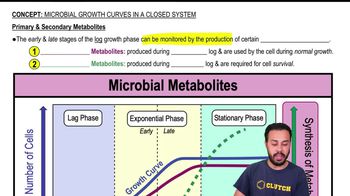
Microbial Growth Curves in a Closed System
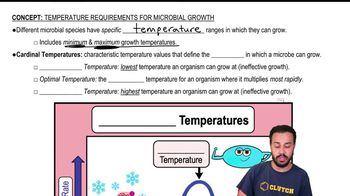
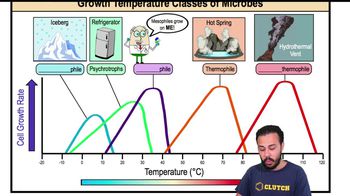
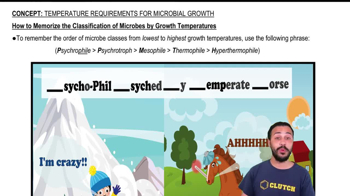
Temperature Requirements for Microbial Growth
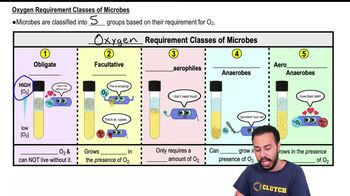
Oxygen Requirements for Microbial Growth
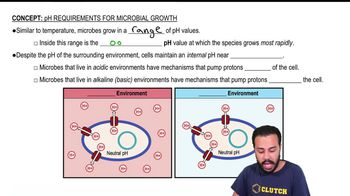
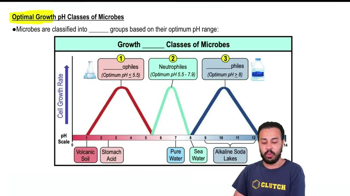
pH Requirements for Microbial Growth
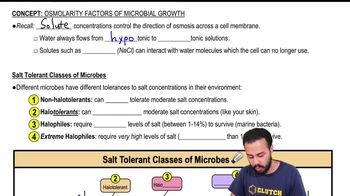
Osmolarity Factors for Microbial Growth
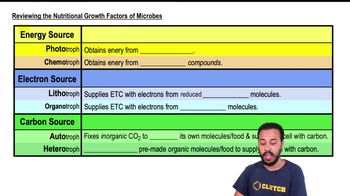
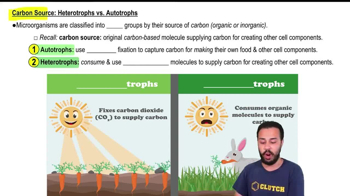
Nutritional Factors of Microbial Growth
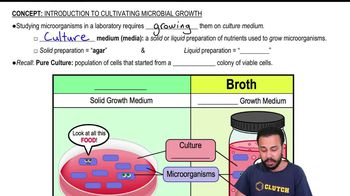
Introduction to Cultivating Microbial Growth
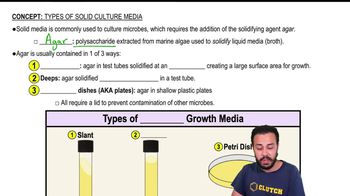
Types of Solid Culture Media
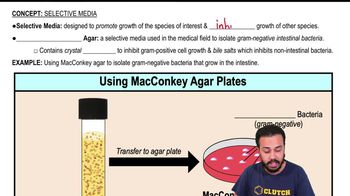
Selective Media
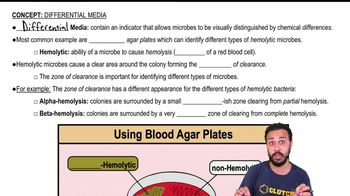
Differential Media
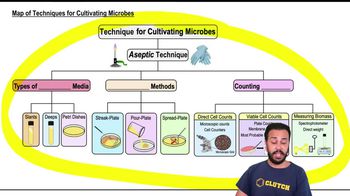
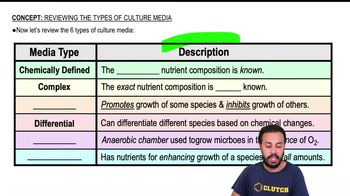
Reviewing the Types of Culture Media
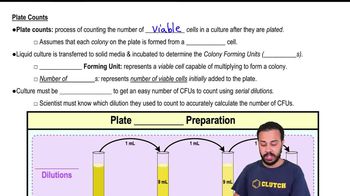
Measuring Growth by Plate Counts
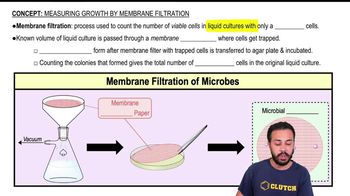
Measuring Growth by Membrane Filtration
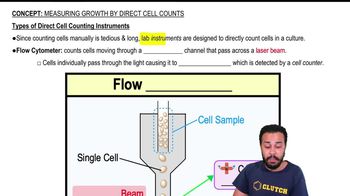
Measuring Growth by Direct Cell Counts
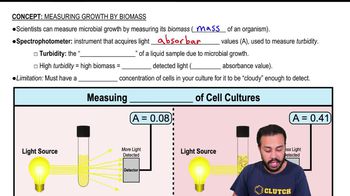
Measuring Growth by Biomass
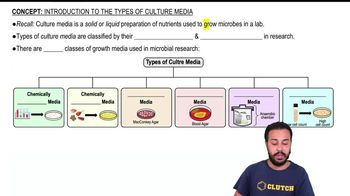
Introduction to the Types of Culture Media
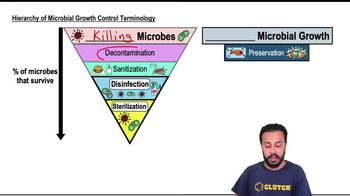
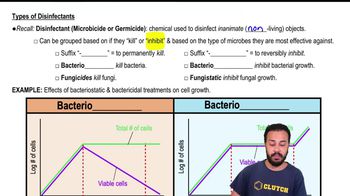
Introduction to Controlling Microbial Growth
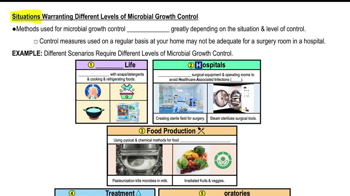
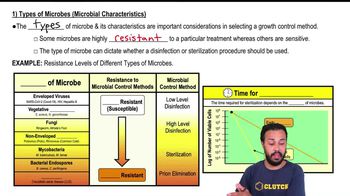
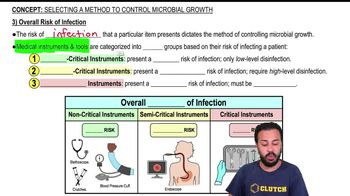
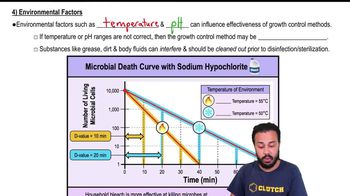
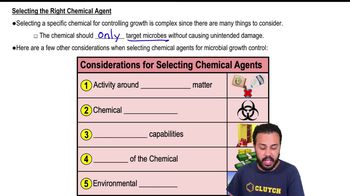
Selecting a Method to Control Microbial Growth
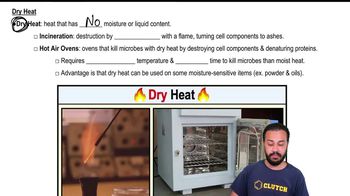
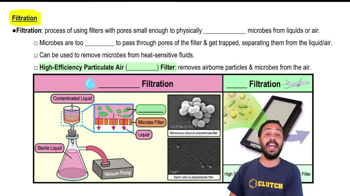
Physical Methods to Control Microbial Growth
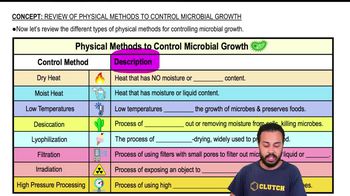
Review of Physical Methods to Control Microbial Growth
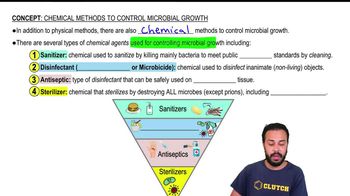
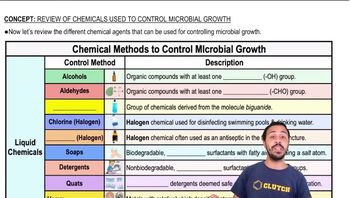
Chemical Methods to Control Microbial Growth
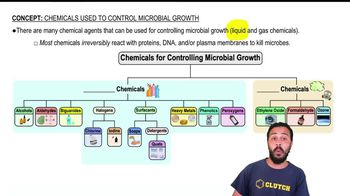
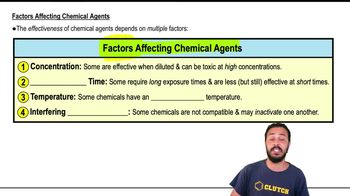
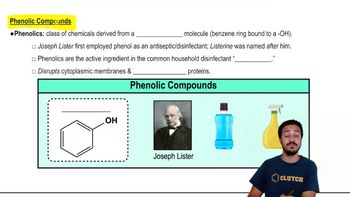
Chemicals Used to Control Microbial Growth
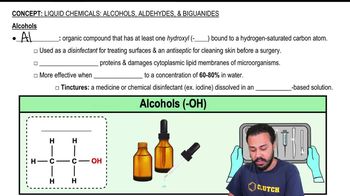
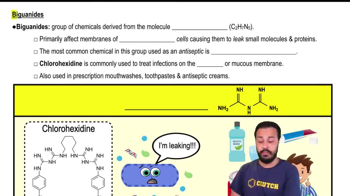
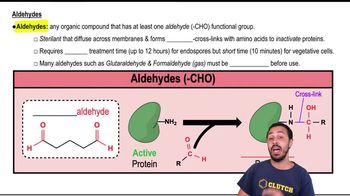
Liquid Chemicals: Alcohols, Aldehydes, & Biguanides
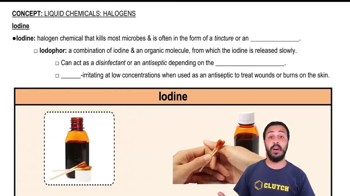
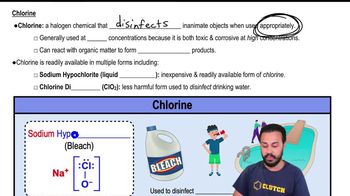
Liquid Chemicals: Halogens
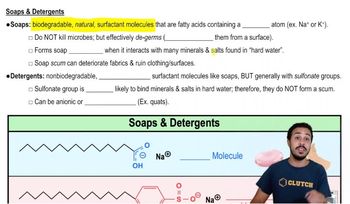
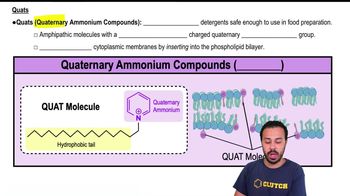
Liquid Chemicals: Surface-Active Agents
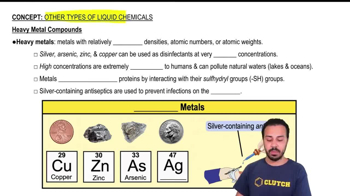
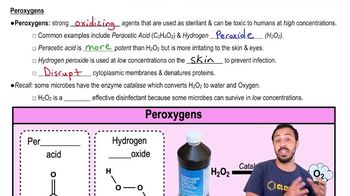
Other Types of Liquid Chemicals
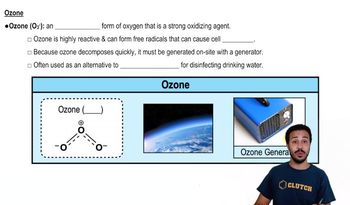
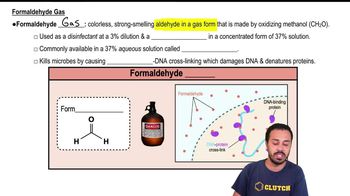
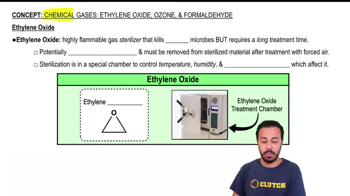
Chemical Gases: Ethylene Oxide, Ozone, & Formaldehyde
Review of Chemicals Used to Control Microbial Growth
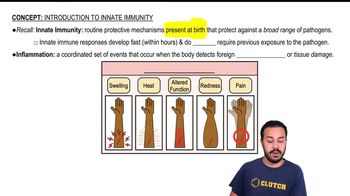
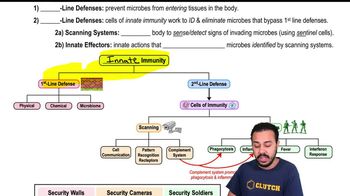
Introduction to Innate Immunity
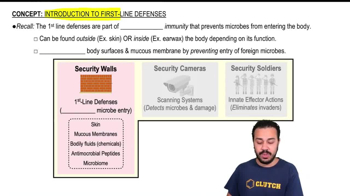
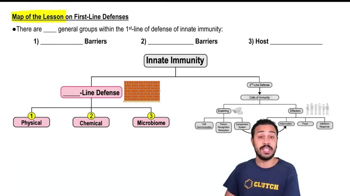
Introduction to First-Line Defenses
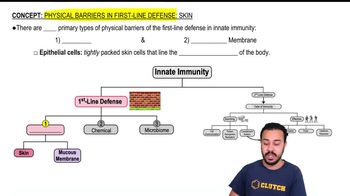
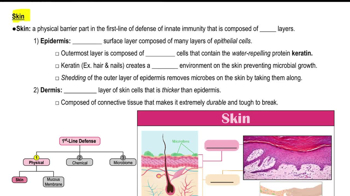
Physical Barriers in First-Line Defenses: Skin
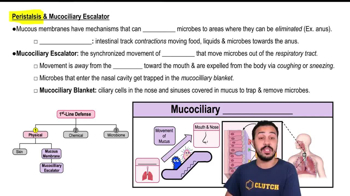
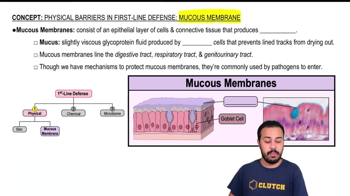
Physical Barriers in First-Line Defenses: Mucous Membrane
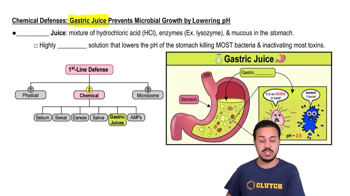
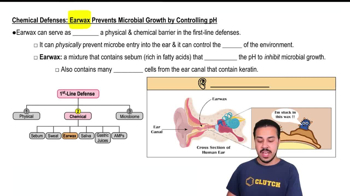
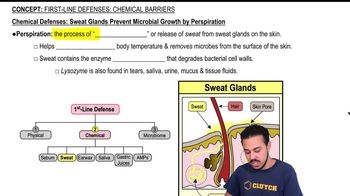
First-Line Defenses: Chemical Barriers
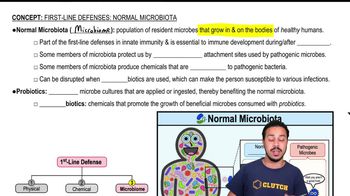
First-Line Defenses: Normal Microbiota
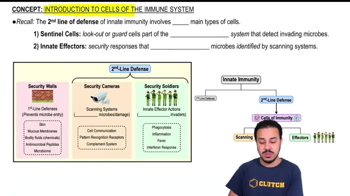
Introduction to Cells of the Immune System
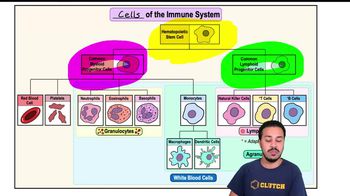
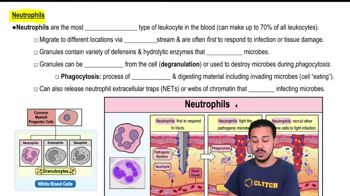
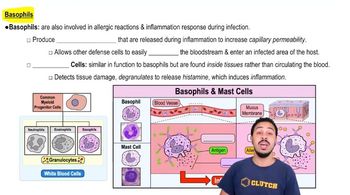
Cells of the Immune System: Granulocytes
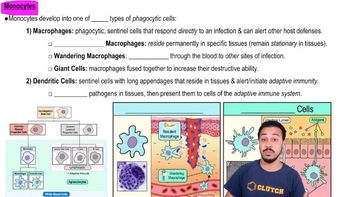
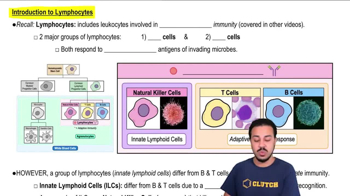
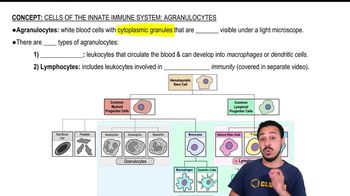
Cells of the Immune System: Agranulocytes
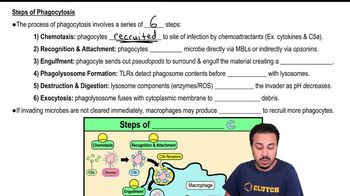
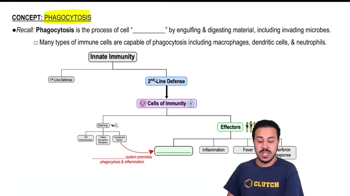
Phagoctytosis
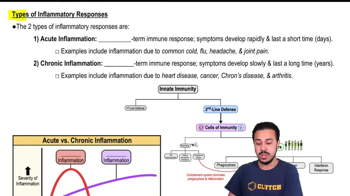
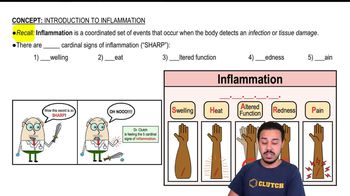
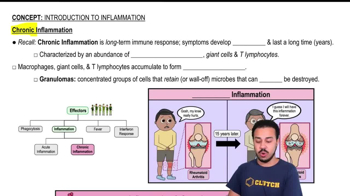
Introduction to Inflammation
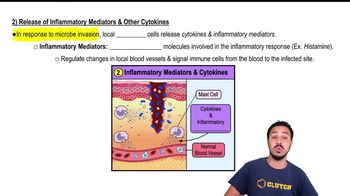
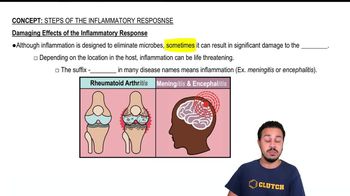
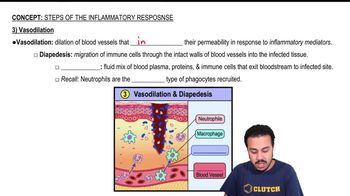
Steps of the Inflammatory Response
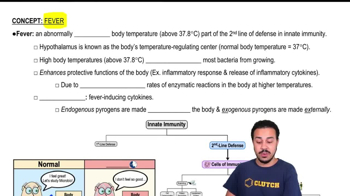
Fever
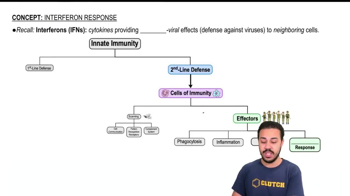
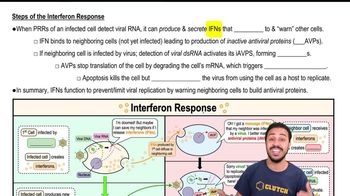
Interferon Response
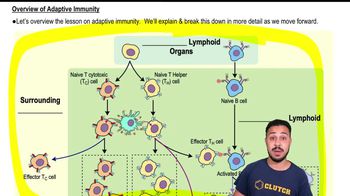
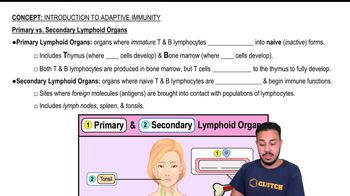
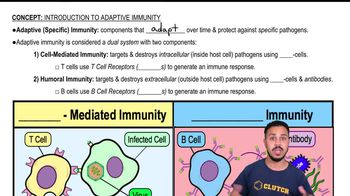
Introduction to Adaptive Immunity
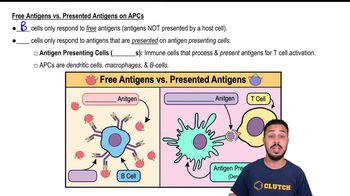
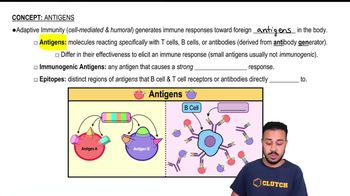
Antigens
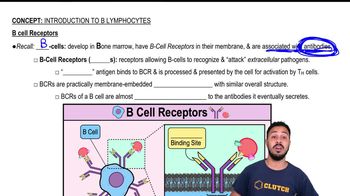
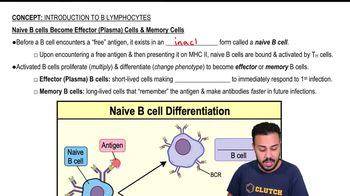
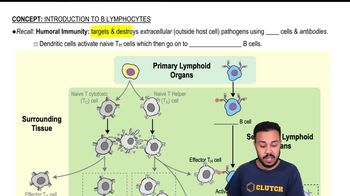
Introduction to B Lymphocytes
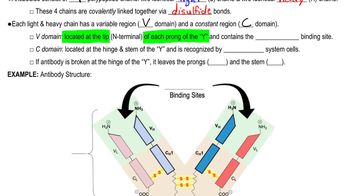
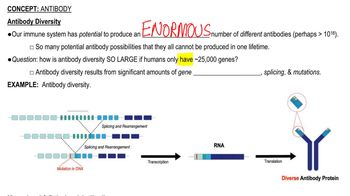
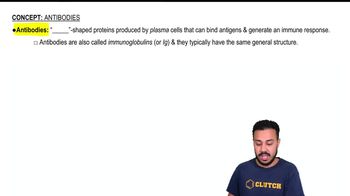
Antibodies
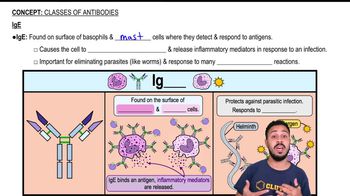
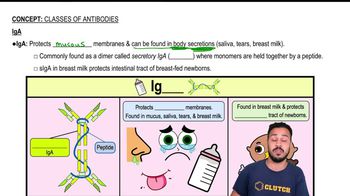
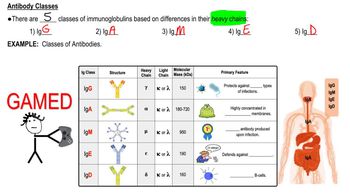
Classes of Antibodies
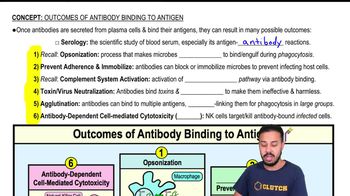
Outcomes of Antibody Binding to Antigen
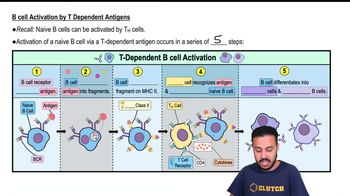
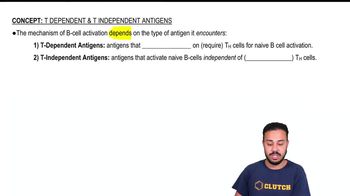
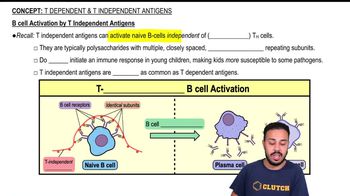
T Dependent & T Independent Antigens
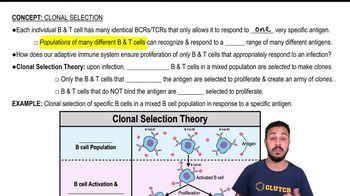
Clonal Selection
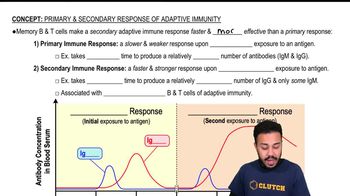
Primary and Secondary Response of Adaptive Immunity
 Back
Back Curated lessons matched to your uploaded material – learn every topic step by step.
 08:59
08:59