 Back
BackMicrobial Interactions: Symbiosis, Regulation, and the Human Microbiota
Study Guide - Smart Notes
 Tailored notes based on your materials, expanded with key definitions, examples, and context.
Microbial Interactions
Overview of Microbial Interactions
Microorganisms interact with each other and with hosts in a variety of ways, ranging from mutually beneficial to antagonistic. These interactions are fundamental to microbial ecology and impact health, disease, and environmental processes.
Mutualism: Both partners benefit from the interaction, and in many cases, the relationship is obligatory for survival.
Cooperation: Both partners benefit, but the relationship is not obligatory.
Commensalism: One organism benefits while the other is neither helped nor harmed.
Predation: One organism (predator) kills and consumes another (prey).
Parasitism: The parasite benefits at the expense of the host, often causing harm.
Amensalism: One organism is inhibited or destroyed while the other is unaffected.
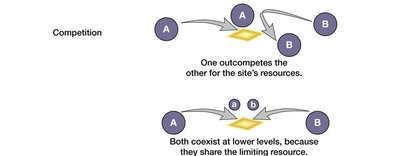
Competition: Two organisms compete for the same resource, which can limit growth or survival.
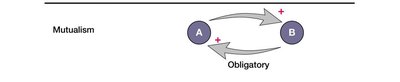
Mutualism: The Buchnera-Aphid Symbiosis
Buchnera aphidicola and Aphids
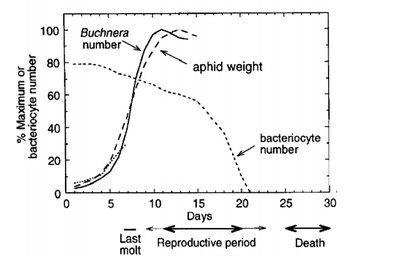
The relationship between Buchnera aphidicola (a Gram-negative bacterium) and aphids is a classic example of obligate mutualism. Buchnera resides within specialized cells (bacteriocytes) inside the aphid and is transmitted vertically from mother to offspring.
Buchnera aphidicola: Has a highly reduced genome (~617 kb compared to E. coli's ~4.6 Mb), reflecting its adaptation to a symbiotic lifestyle.
Bacteriocytes (mycetocytes): Specialized aphid cells that house Buchnera.
Vertical Transmission: Buchnera is passed from mother to daughter aphids, ensuring the symbiosis is maintained across generations.
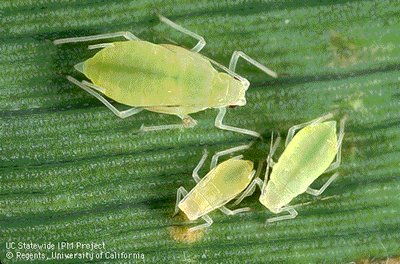
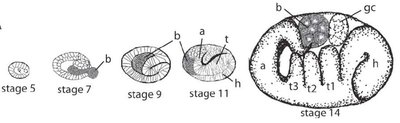
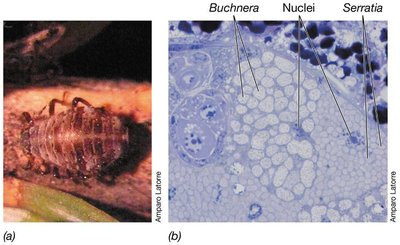
Obligate Mutualism and Co-evolution
Over millions of years, aphids and Buchnera have co-evolved, resulting in extensive genome reduction in Buchnera (loss of ~75% of its ancestral genes). The aphid provides nutrients that Buchnera cannot synthesize, while Buchnera supplies essential amino acids, such as tryptophan (Trp), that the aphid cannot produce.
Gnotobiotic Aphids: Germ-free aphids require dietary supplementation with amino acids to grow normally, highlighting their dependence on Buchnera.
Functional Complementation: The metabolic interdependence is so complete that neither partner can survive without the other.
Experimental Evidence for Mutualism
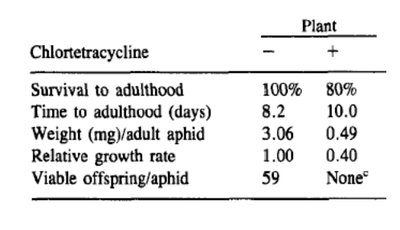
Antibiotic treatment (e.g., with chlortetracycline) that eliminates Buchnera from aphids results in reduced survival, delayed development, lower weight, and loss of reproductive capacity, demonstrating the essential nature of the symbiosis.
Plant | Chlortetracycline (-) | Chlortetracycline (+) |
|---|---|---|
Survival to adulthood | 100% | 80% |
Time to adulthood (days) | 8.2 | 10.0 |
Weight (mg/adult aphid) | 3.06 | 0.49 |
Relative growth rate | 1.00 | 0.40 |
Viable offspring/aphid | 59 | None |
Regulation of Tryptophan Biosynthesis: The trp Operon and Attenuation
trp Operon Structure and Regulation
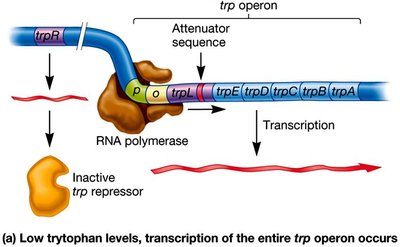
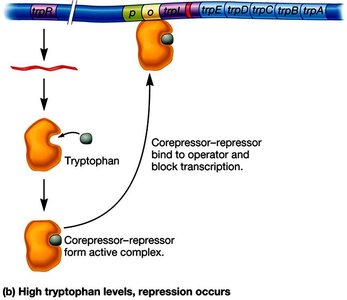
The trp operon in bacteria is a model for understanding gene regulation in response to amino acid availability. It is regulated by both repression and attenuation mechanisms.
Low Tryptophan Levels: The trp repressor is inactive, allowing RNA polymerase to transcribe the operon and synthesize enzymes for tryptophan biosynthesis.
High Tryptophan Levels: Tryptophan acts as a corepressor, activating the trp repressor, which binds the operator and blocks transcription.
Attenuation Mechanism
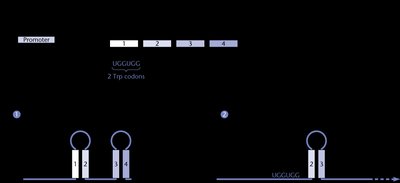
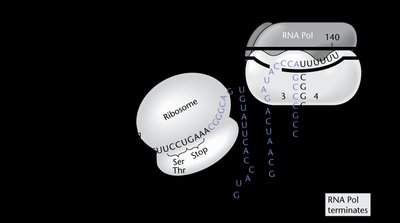
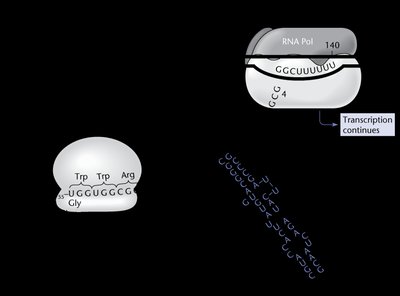
Attenuation is a regulatory mechanism that controls transcription termination based on tryptophan availability. It relies on the coupling of transcription and translation in bacteria.
Leader Peptide: Contains tryptophan codons; ribosome stalling or rapid translation affects RNA secondary structure formation.
Stem-Loop Structures: Pairing of regions 2:3 (non-terminating) or 3:4 (terminating) in the leader RNA determines whether transcription continues or terminates.
Other Types of Microbial Interactions
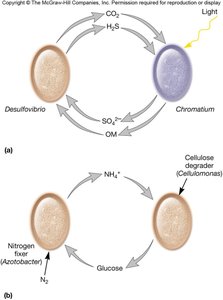
Cooperation
Cooperation is a non-obligatory interaction where both partners benefit, but survival is not strictly dependent on the relationship. Examples include cross-feeding and metabolic handoffs in microbial communities.

Commensalism
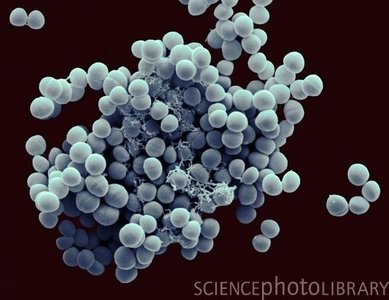
Commensalism describes a relationship where one organism benefits and the other is unaffected. An example is Staphylococcus epidermidis living on human skin, consuming waste products without impacting the host.

Predation: Bdellovibrio
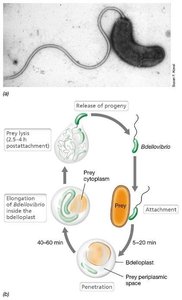
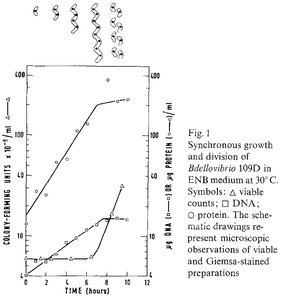
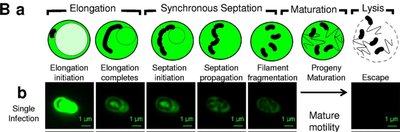
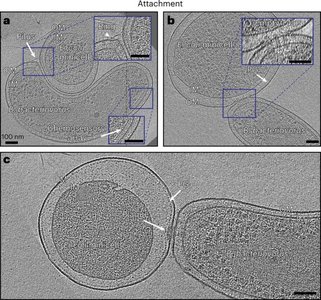
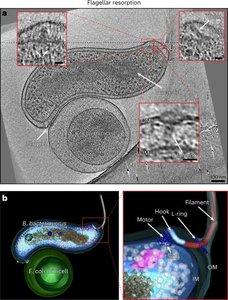
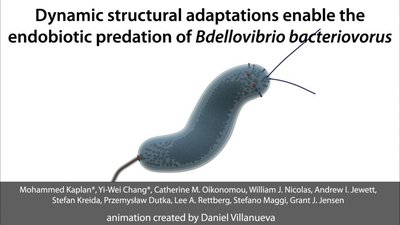
Bdellovibrio is a Gram-negative bacterium that preys on other Gram-negative bacteria by entering the periplasmic space and consuming the host's cytoplasmic contents. This predatory interaction can regulate bacterial populations in natural environments.

Amensalism
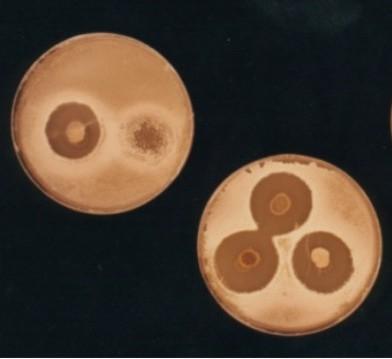
Amensalism occurs when one organism is inhibited or destroyed while the other is unaffected. A classic example is the production of antibiotics by Streptomyces species, which inhibit the growth of competing microbes.

Competition
Competition arises when two organisms vie for the same resource, such as nutrients or space. The outcome can be competitive exclusion or coexistence at lower population levels.
The Human Microbiota
Composition and Distribution
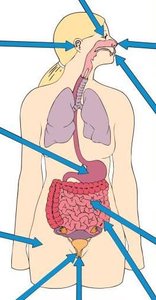
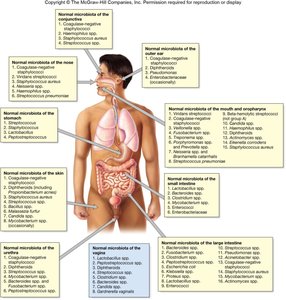
The human microbiota consists of the diverse community of microorganisms that inhabit various body sites, including the skin, gut, mouth, and urogenital tract. These microbes are primarily commensals or mutualists and play essential roles in health and disease.
Microbial Abundance: The human body contains approximately 1013 human cells and about ten times more microbial cells.
Site-Specific Communities: Different body sites harbor distinct microbial populations adapted to local conditions.
Functional Roles of the Microbiota
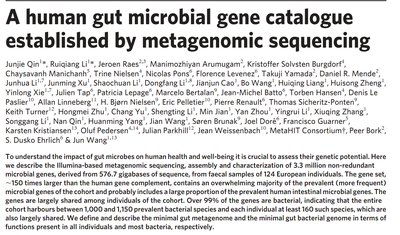
The microbiota provides nutrients, protects against pathogens, and contributes to immune system development. Some microbes possess unique enzymes (e.g., CAZymes) that humans lack, enabling the digestion of complex carbohydrates.
Protection from Pathogens: The microbiota competes with and inhibits the colonization of harmful bacteria.
Metabolic Functions: Microbial enzymes break down dietary components, producing short-chain fatty acids and other metabolites beneficial to the host.
Additional info: The study of microbial interactions is crucial for understanding microbial ecology, pathogenesis, and the development of new therapeutic strategies, such as probiotics and antibiotics.
