Back

Microbiology Final Exam Study Guide: Immunity, Immune Disorders, Vaccines, and Cardiovascular/Lymphatic Infections

Study Guide - Learn with Videos

Curated lessons matched to your uploaded material – learn every topic step by step.

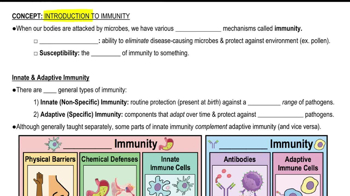
Introduction to Immunity

  • Innate vs. Adaptive Immunity
    05:52
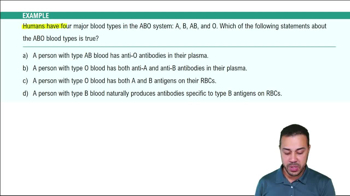
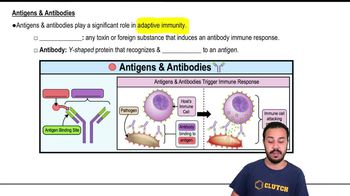
  • Antigens & Antibodies
    02:58

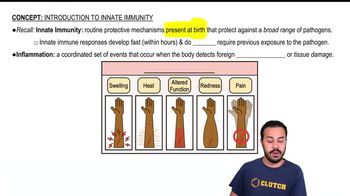
Introduction to Innate Immunity

  • Introduction to Innate Immunity
    02:30
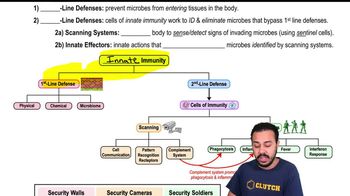
  • Map of Lesson on Innate Immunity
    06:42

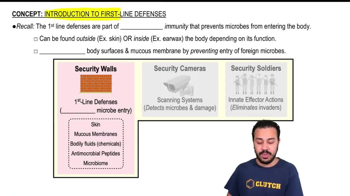
Introduction to First-Line Defenses

  • Introduction to First-Line Defenses
    01:56
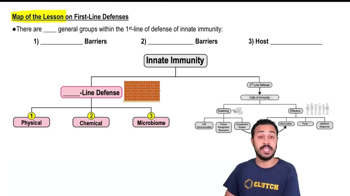
  • Map of the Lesson on First-Line Defenses
    01:37

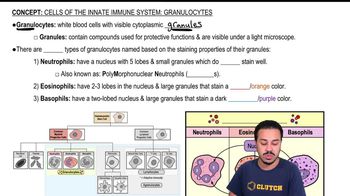
Cells of the Immune System: Granulocytes

  • Granulocytes
    03:32
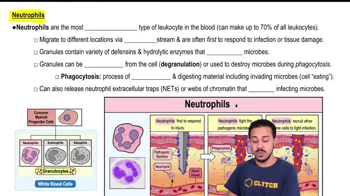
  • Neutrophils
    05:32
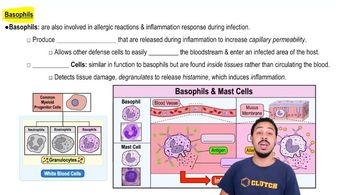
  • Basophils
    03:23

Cells of the Immune System: Agranulocytes

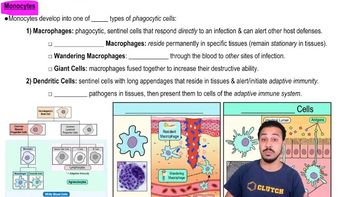
  • Monocytes
    07:16
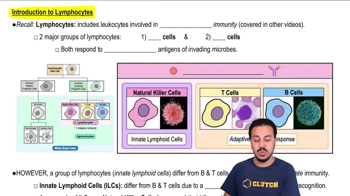
  • Introduction to Lymphocytes
    03:51
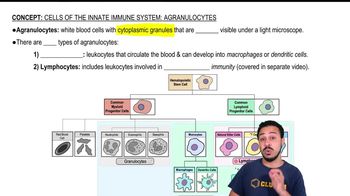
  • Agranulocytes
    03:43

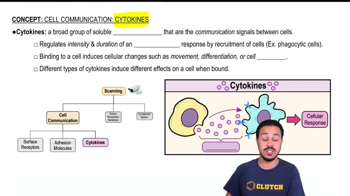
Cell Communication: Cytokines

  • Cytokines
    02:59
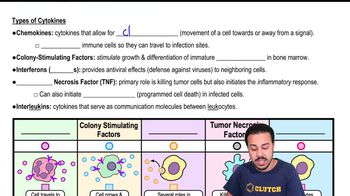
  • Types of Cytokines
    06:08
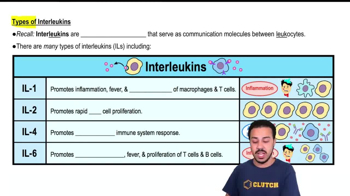
  • Types of Interleukins
    02:14

Introduction to Adaptive Immunity

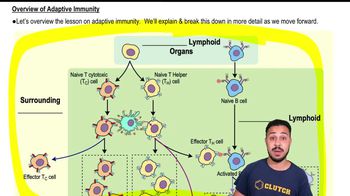
  • Overview of Adaptive Immunity
    04:57
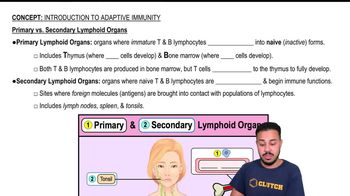
  • Primary vs. Secondary Lymphoid Organs
    04:58
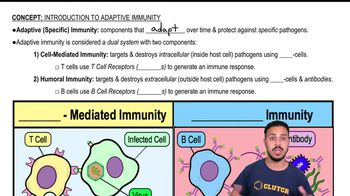
  • Introduction to Adaptive Immunity
    05:47

Antibodies

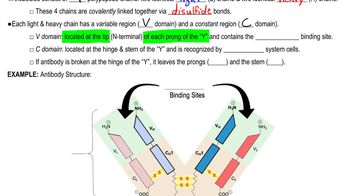
  • Antibody Structure
    05:40
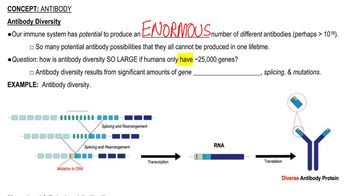
  • Antibody Diversity
    02:34
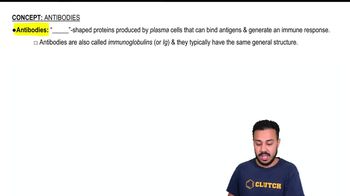
  • Antibodies
    00:48

Classes of Antibodies

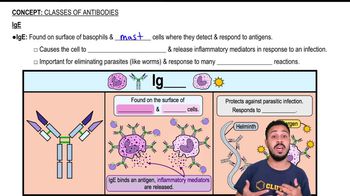
  • IgE
    02:45
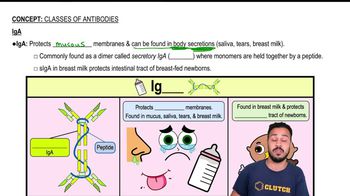
  • IgA
    02:44
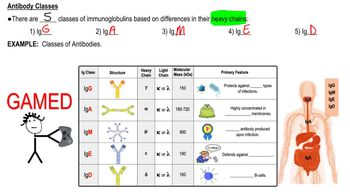
  • Classes of Antibodies
    04:43

Primary and Secondary Response of Adaptive Immunity

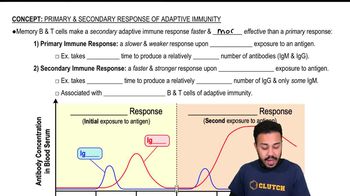
  • Primary and Secondary Response of Adaptive Immunity
    06:59

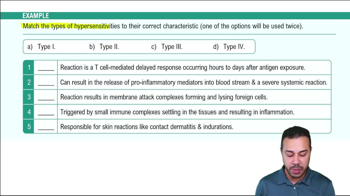
Introduction to Hypersensitivites

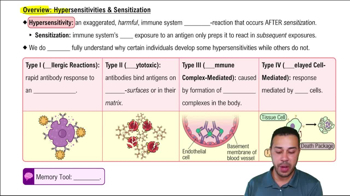
  • Overview: Hypersensitivities & Sensitization
    05:35
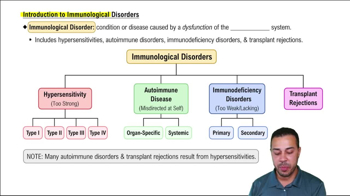
  • Introduction to Immunological Disorders
    02:03

Type I Hypersensitivities

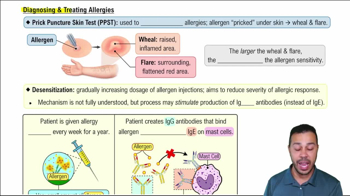
  • Diagnosing & Treating Allergies
    04:31
  • Type I Hypersensitivities Example 3
    02:23
  • Type I Hypersensitivities Example 2
    01:52
Type II Hypersensitivities

  • Type II Hypersensitivity
    06:45
  • Type II Hypersensitivities Example 1
    02:17
  • Improper Blood Transfusion Reactions
    03:07

Type III Hypersensitivities

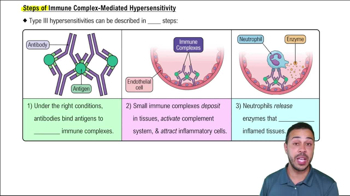
  • Steps of Immune Complex- Mediated Hypersensitivity
    02:22
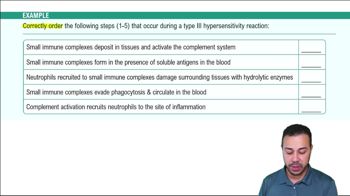
  • Type III Hypersensitivities Example 1
    01:20
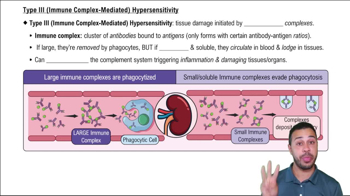
  • Type III (Immune Complex-Mediated) Hypersensitivity
    04:21

Type IV Hypersensitivities

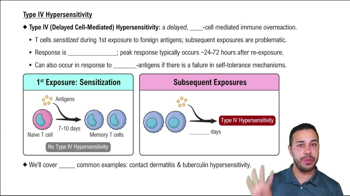
  • Type IV Hypersensitivity
    04:10
  • Type IV Hypersensitivities Example 1
    01:53
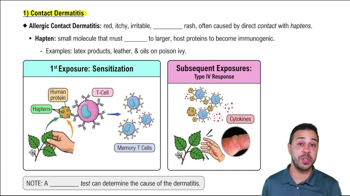
  • 1) Contact Dermatitis
    03:47

Reviewing the 4 Types of Hypersensitivities

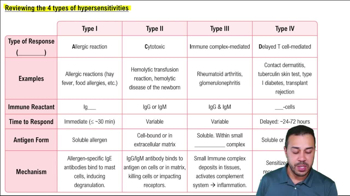
  • Reviewing the 4 Types of Hypersensitivities
    06:03
  • Reviewing the 4 Types of Hypersensitivities Example 1
    02:15

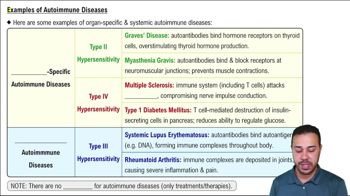
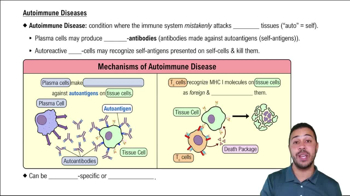
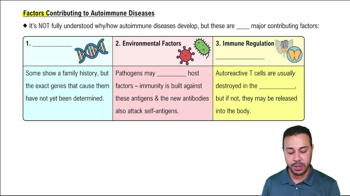
Autoimmune Diseases

  • Examples of Autoimmune Diseases
    03:36
  • Autoimmune Diseases
    03:40
  • Factors Contributing to Autoimmune Diseases
    03:09

Immunodeficiency Disorders

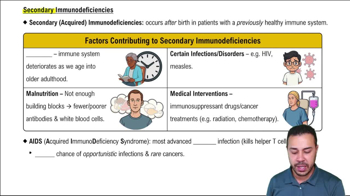
  • Secondary Immunodeficiencies
    02:41
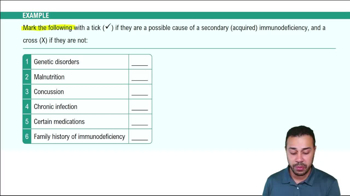
  • Immunodeficiency Disorders Example 1
    02:05
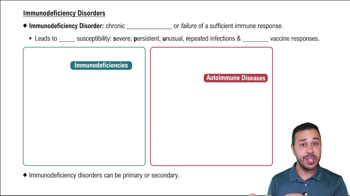
  • Immunodeficiency Disorders
    03:13

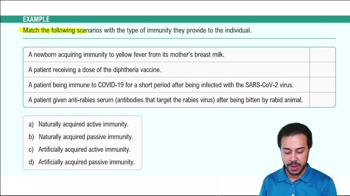
Types of Acquired Immunity

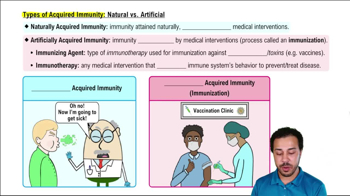
  • Types of Acquired Immunity: Natural vs. Artificial
    02:31
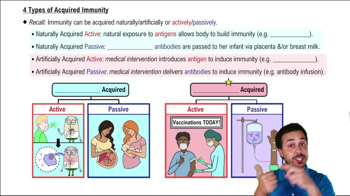
  • 4 Types of Acquired Immunity
    03:52
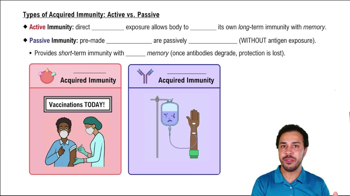
  • Types of Acquired Immunity: Active vs. Passive
    02:21

Introduction to Vaccines

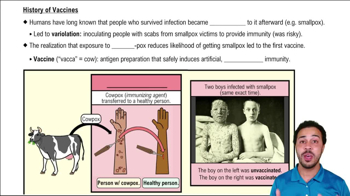
  • History of Vaccines
    04:19
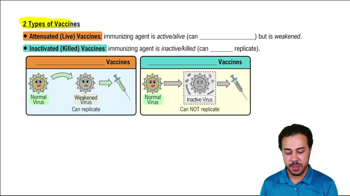
  • 2 Types of Vaccines
    02:03

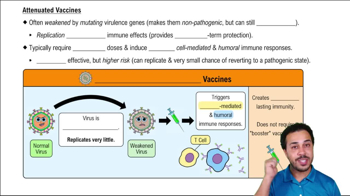
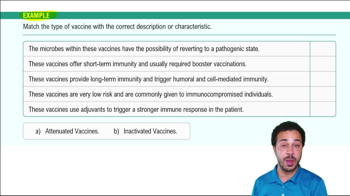
Attenuated Vaccines

  • Attenuated Vaccines
    03:06

Inactivated Vaccines

  • Inactivated Vaccines Example 1
    02:12
  • Inactivated Vaccines Example 2
    01:23
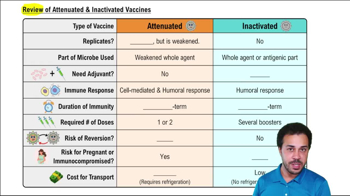
  • Review of Attenuated & Inactivated Vaccines
    03:40

Structure and Function of the Digestive System

  • Guided course
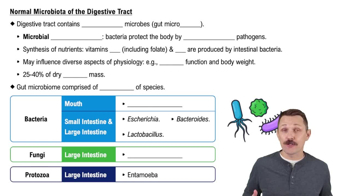
    Normal Microbiota of the Digestive Tract
    04:54

Overview of Diseases of the Digestive System

  • Guided course
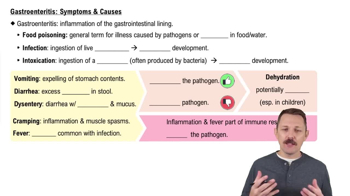
    Gastroenteritis: Symptoms & Causes
    05:34

Characteristics of Infectious Disease

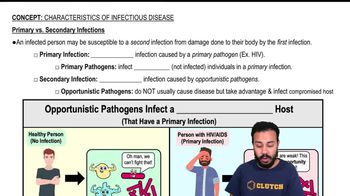
  • Primary vs. Secondary Infections
    04:16
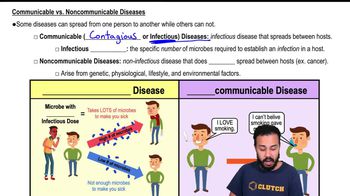
  • Communicable vs. Noncommunicable Diseases
    04:57
  • Intro to Characteristics of Infectious Disease
    05:09

Stages of Infectious Disease Progression

  • Stages of Infectious Disease Progression
    05:36
  • Chronic & Latent Infection Disease Progression
    05:14

Introduction to Epidemiology

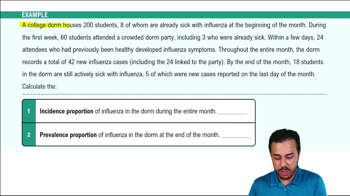
  • Introduction to Epidemiology Example 1
    01:48
  • Introduction to Epidemiology Example 2
    05:15
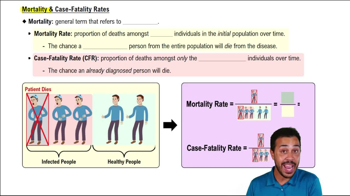
  • Mortality & Case-Fatality Rates
    02:28

Introduction to Chain of Infection

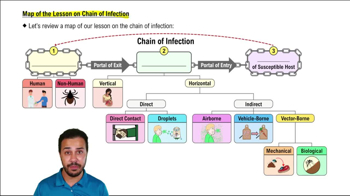
  • Map of the Lesson on Chain of Infection
    00:46
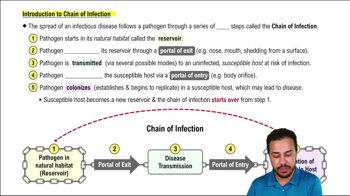
  • Introduction to Chain of Infection
    03:15

Reservoirs of Infection

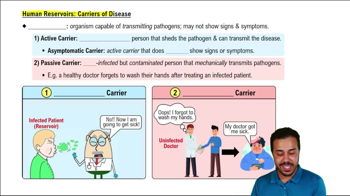
  • Human Reservoirs: Carriers of Disease
    03:12
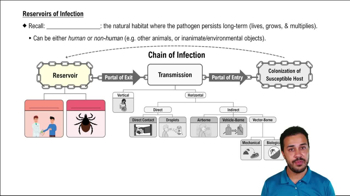
  • Reservoirs of Infection
    00:51
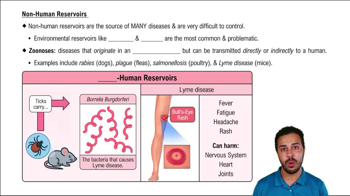
  • Non-Human Reservoirs
    02:36

Disease Transmission

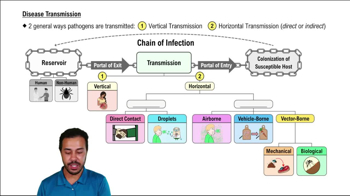
  • Disease Transmission
    01:24
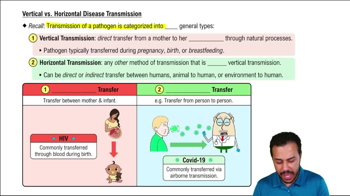
  • Vertical vs. Horizontal Disease Transmission
    02:32

Horizontal Disease Transmission

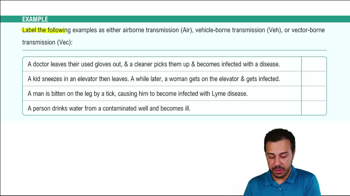
  • Horizontal Disease Transmission Example 1
    01:53
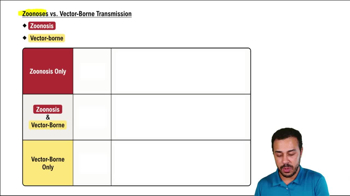
  • Zoonoses vs. Vector-Borne Transmission
    03:52
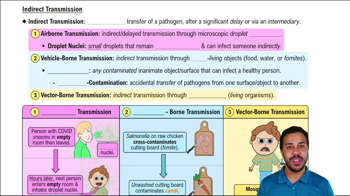
  • Indirect Transmission
    04:42

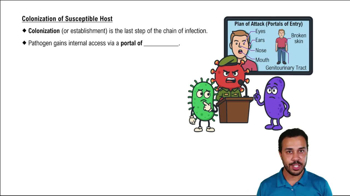
Colonization of Susceptible Host

  • Colonization of Susceptible Host
    01:02
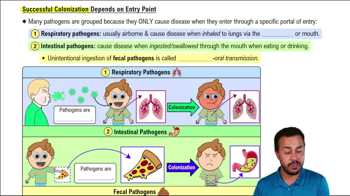
  • Successful Colonization Depends on Entry Point
    03:01

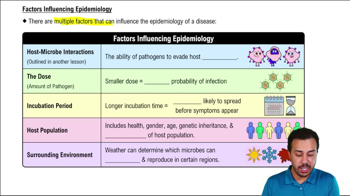
Factors Influencing Epidemiology

  • Factors Influencing Epidemiology
    03:26
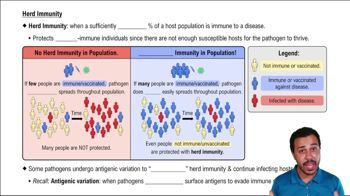
  • Herd Immunity
    04:05

Emerging Infectious Diseases

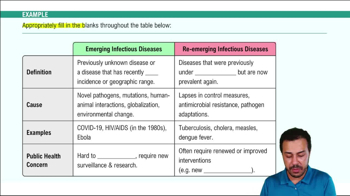
  • Emerging Infectious Diseases Example 1
    02:11
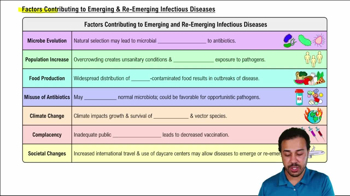
  • Factors Contributing to Emerging & Re-Emerging Infectious Diseases
    03:21
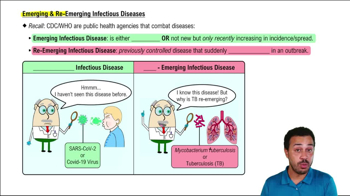
  • Emerging & Re-Emerging Infectious Diseases
    03:15

Healthcare-Associated Infections

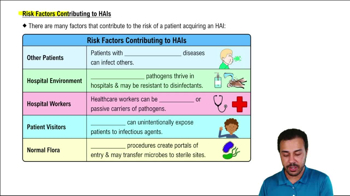
  • Risk Factors Contributing to HAIs
    02:45
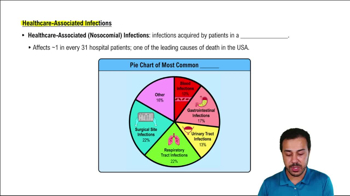
  • Healthcare-Associated Infections
    01:33
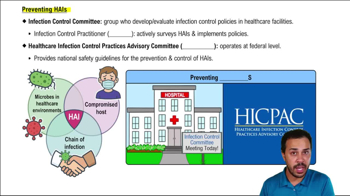
  • Preventing HAIs
    01:59

Epidemiological Studies

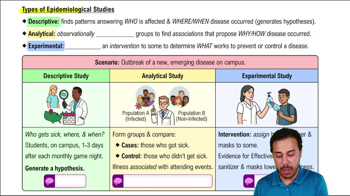
  • Types of Epidemiological Studies
    05:00

Bacterial Pathogenesis

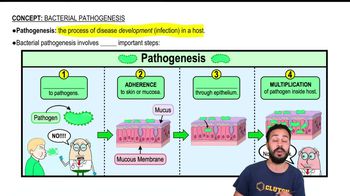
  • Intro to Bacterial Pathogenesis
    02:35
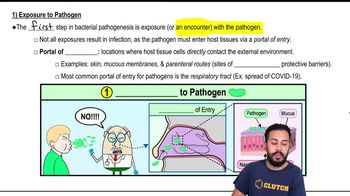
  • 1) Exposure to Pathogen
    03:27
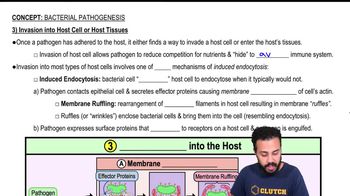
  • 3) Invasion into Host Tissues
    05:38

Introduction to Pathogenic Toxins

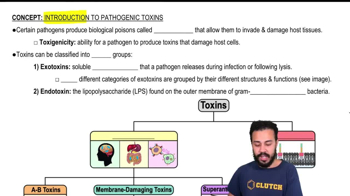
  • Introduction to Pathogenic Toxins
    03:40

Exotoxins Cause Damage to the Host

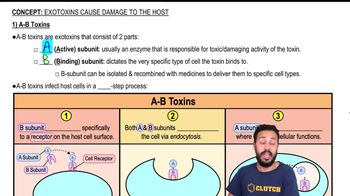
  • 1) A-B Toxins
    04:44
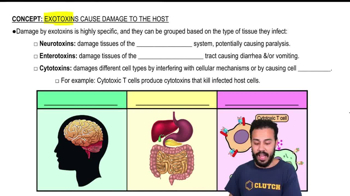
  • Types of Exotoxins
    03:30
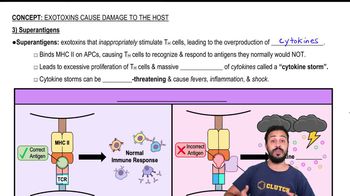
  • 3) Superantigens
    03:59

Endotoxin Causes Damage to the Host

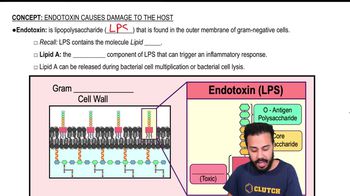
  • Endotoxin
    02:46
  • Lipid A Causes Septic Shock
    03:24

Exotoxins vs. Endotoxin Review

  • Exotoxins vs. Endotoxin Review
    07:22

Immune Response Damage to the Host

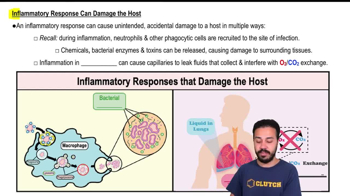
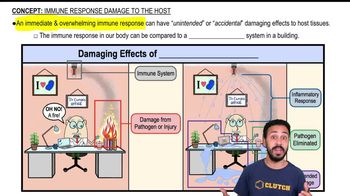
  • Inflammatory Response Can damage the Host
    03:31
  • Intro to Immune Response Damage
    02:57
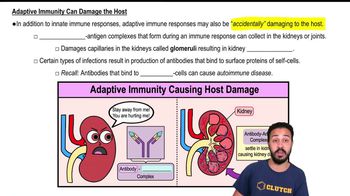
  • Adaptive Immunity Can Damage the Host
    03:22

Introduction to Avoiding Host Defense Mechanisms

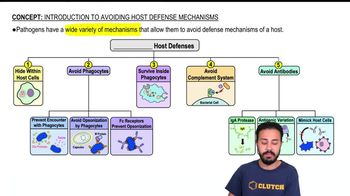
  • Introduction to Avoiding Host Defense Mechanisms
    01:59

Viruses Evade the Immune Response

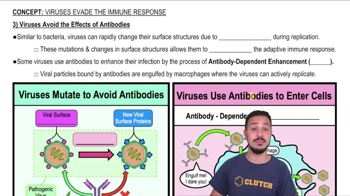
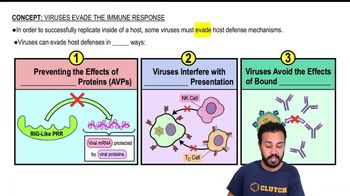
  • 3) Viruses Avoid the Effects of Antibodies
    3:57
  • Intro to How Viruses Evade the Immune Response
    02:13
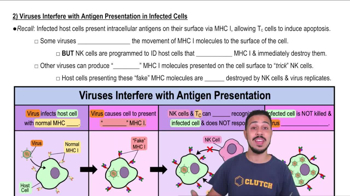
  • 2) Viruses Interfere with Antigen Presentation in Infected Cells
    3:43

Introduction to the Complement System

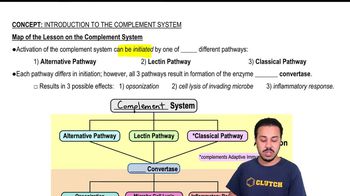
  • Map of the Lesson on the Complement System
    03:25
  • Introduction to the Complement System
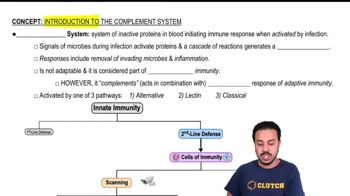
    04:25
  • Proteins of the Complement System
    04:16

Activation Pathways of the Complement System

  • 2) Lectin Pathway
    03:04
  • 1) Alternative Pathway
    04:40
  • 3) Classical Pathway
    03:42

Effects of the Complement System

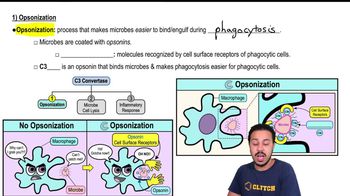
  • 1) Opsonization
    04:09
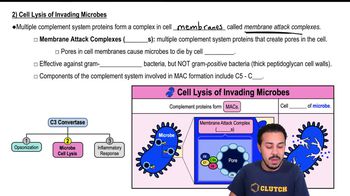
  • 2) Cell Lysis of Invading Microbes
    03:18
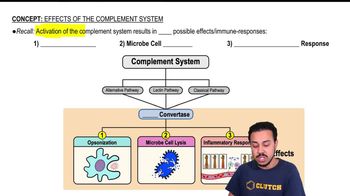
  • Effects of the Complement System
    01:32

Review of the Complement System

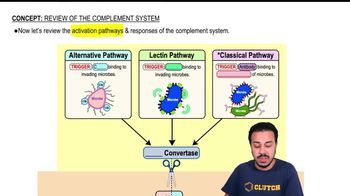
  • Review of the Complement System
    05:15

Phagoctytosis

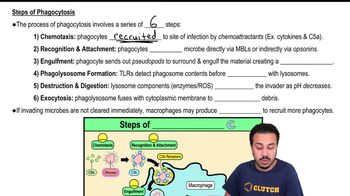
  • Steps of Phagocytosis
    08:57
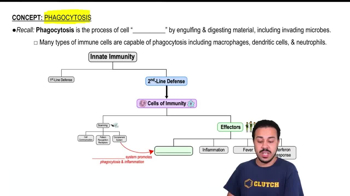
  • Phagoctytosis
    02:19

Introduction to Inflammation

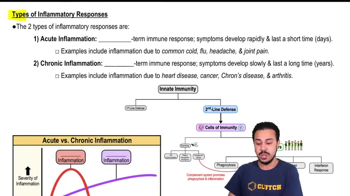
  • Types of Inflammatory Responses
    02:52
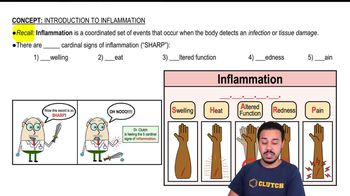
  • Introduction to Inflammation
    01:38
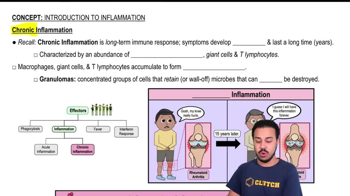
  • Chronic Inflammation
    03:09

Steps of the Inflammatory Response

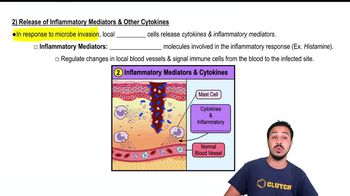
  • 2) Release of Inflammatory Mediators & Other Cytokines
    02:15
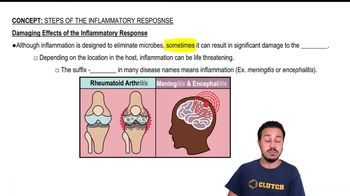
  • Damaging Effects of the Inflammatory Response
    02:10
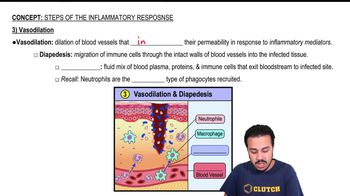
  • 3) Vasodilation
    02:39

Fever

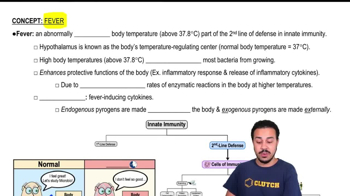
  • Fever
    03:57