Back

Microbiology Study Guide: Antimicrobial Agents, Viruses, and Infectious Diseases

Study Guide - Learn with Videos

Curated lessons matched to your uploaded material – learn every topic step by step.

Introduction to Controlling Microbial Growth

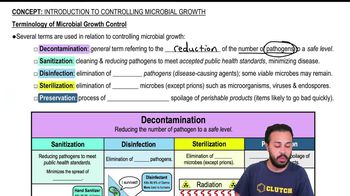
  • Terminology of Microbial Growth Control
    07:36
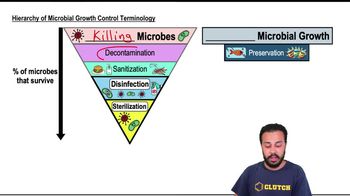
  • Hierarchy of Microbial Growth Control Terminology
    03:09
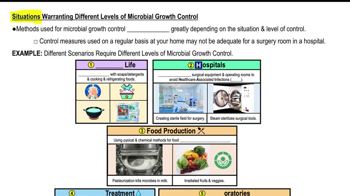
  • Situations Warranting Different Levels of Microbial Growth Control
    05:58

Selecting a Method to Control Microbial Growth

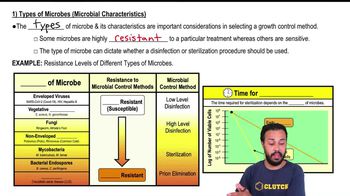
  • Types of Microbes (Microbial Characteristics)
    07:24
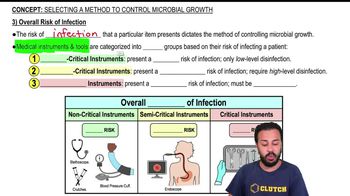
  • Overall Risk of Infection
    04:52
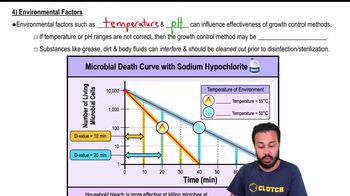
  • Environmental Factors
    04:18

Chemical Methods to Control Microbial Growth

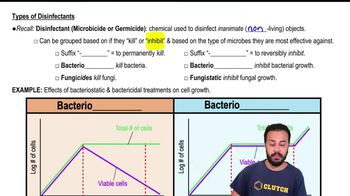
  • Types of Disinfectants
    05:21
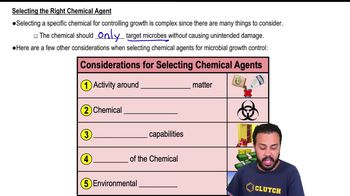
  • Selecting the Right Chemical Agent
    04:52
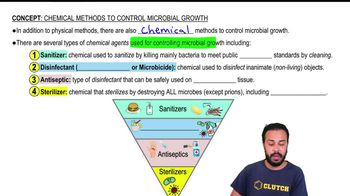
  • Chemical Methods to Control Microbial Growth
    03:58

Chemicals Used to Control Microbial Growth

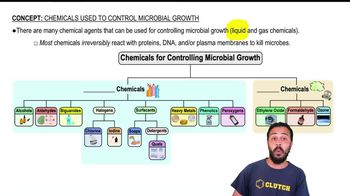
  • Chemicals Used to Control Microbial Growth
    02:29
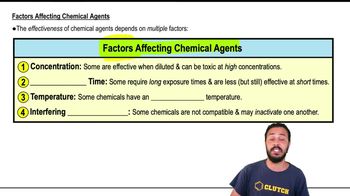
  • Factors Affecting Chemical Agents
    03:17

Liquid Chemicals: Alcohols, Aldehydes, & Biguanides

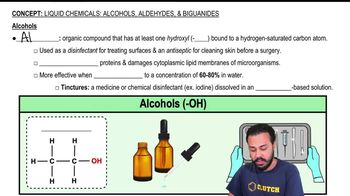
  • Alcohols
    03:39
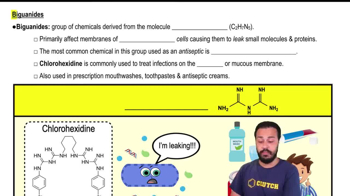
  • Biguanides
    02:41
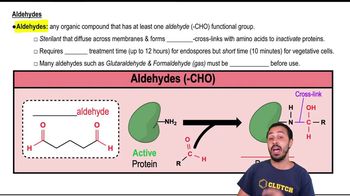
  • Aldehydes
    03:59

Liquid Chemicals: Halogens

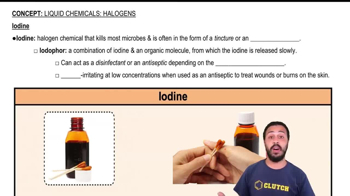
  • Iodine
    02:15
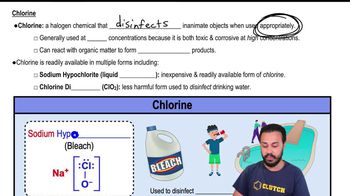
  • Chlorine
    03:16
  • Liquid Chemicals: Halogens
    00:56

Liquid Chemicals: Surface-Active Agents

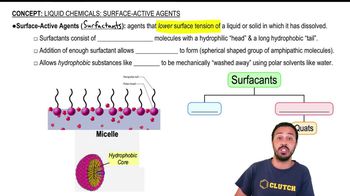
  • Liquid Chemicals: Surface-Active Agents
    04:14
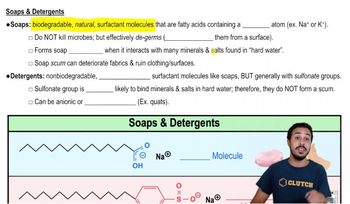
  • Soaps & Detergents
    06:20
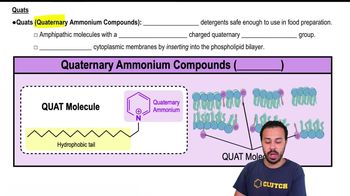
  • Quats
    02:33

Other Types of Liquid Chemicals

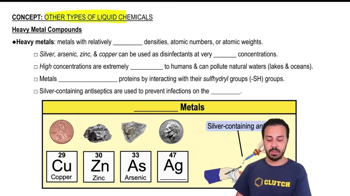
  • Heavy Metal Compounds
    02:19
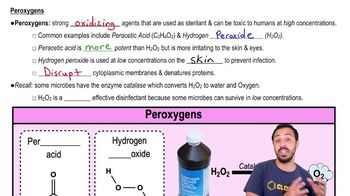
  • Peroxygens
    04:31
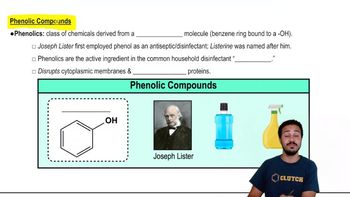
  • Phenolic Compounds
    02:27

Chemical Gases: Ethylene Oxide, Ozone, & Formaldehyde

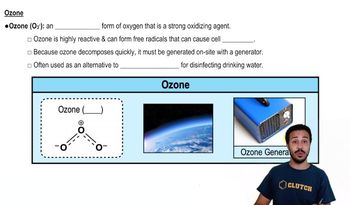
  • Ozone
    02:36
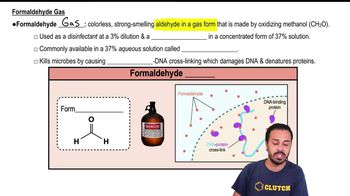
  • Formaldehyde Gas
    02:56
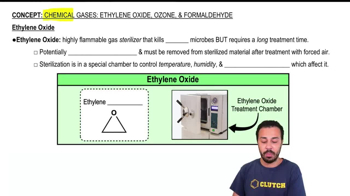
  • Chemical Gases: Ethylene Oxide
    03:22

Review of Chemicals Used to Control Microbial Growth

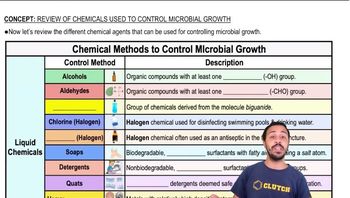
  • Review of Chemicals Used to Control Microbial Growth
    05:41

Introduction to Antimicrobial Drugs

  • Guided course
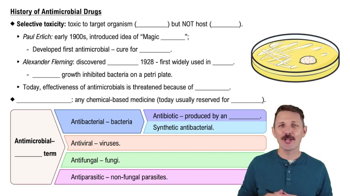
    History of Antimicrobial Drugs
    05:33

How Antimicrobial Drugs Work

  • Guided course
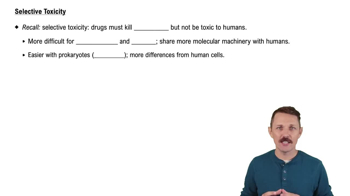
    Selective Toxicity
    05:27
  • Guided course
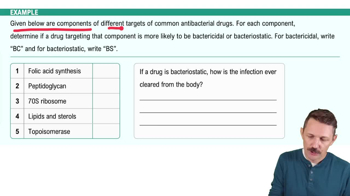
    How Antimicrobial Drugs Work Example 1
    03:28

Broad vs Narrow Spectrum Drugs

  • Guided course
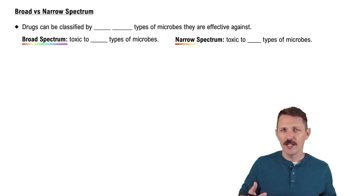
    Broad vs Narrow Spectrum
    04:05

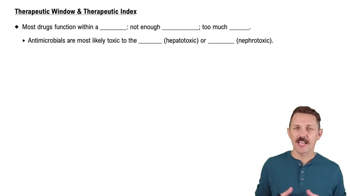
Therapeutic Window & Therapeutic Index

  • Guided course
    Therapeutic Window & Therapeutic Index
    04:08

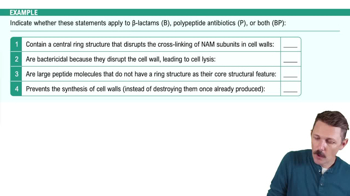
Inhibitors of Cell Wall Synthesis: Beta-lactam & Penicillin

  • Guided course
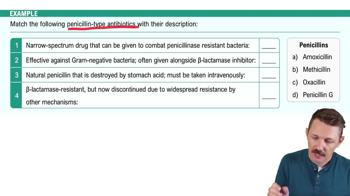
    Inhibitors of Cell Wall Synthesis: Beta-lactam & Penicillin Example 3
    04:02
  • Guided course
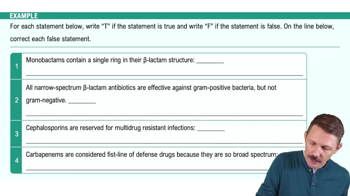
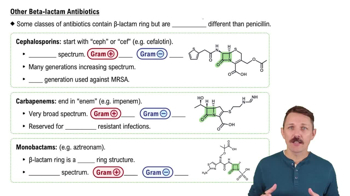
    Other Beta-lactam Antibiotics
    04:51
  • Inhibitors of Cell Wall Synthesis: Beta-lactam & Penicillin Example 2
    02:21

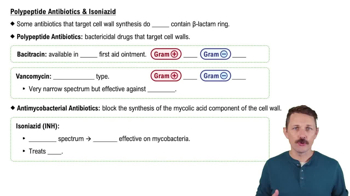
Inhibitors of Cell Wall Synthesis: Polypeptide Antibiotics & Isoniazid

  • Guided course
    Inhibitors of Cell Wall Synthesis: Polypeptide Antibiotics & Isoniazid Example 1
    02:14
  • Guided course
    Polypeptide Antibiotics & Isoniazid
    03:43

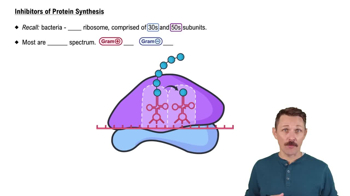
Inhibitors of Protein Synthesis

  • Guided course
    Inhibitors of Protein Synthesis
    05:25
  • Guided course
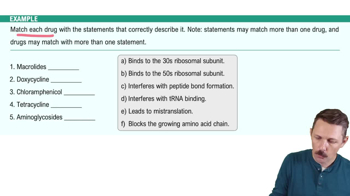
    Inhibitors of Protein Synthesis Example 1
    03:04

Disruptors of Cell Membranes

  • Guided course
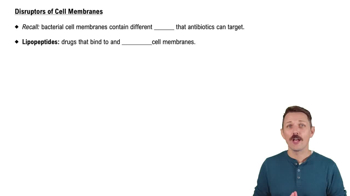
    Disruptors of Cell Membranes
    04:03

Inhibitors of Nucleic Acid Synthesis

  • Guided course
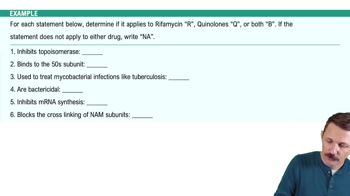
    Inhibitors of Nucleic Acid Synthesis Example 1
    02:21
  • Guided course
    Inhibitors of Nucleic Acid Synthesis
    05:01

Competitive Inhibitors of Metabolic Pathways

  • Guided course
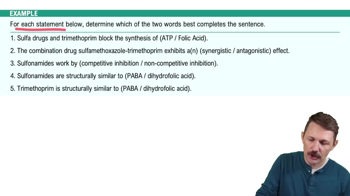
    Competitive Inhibitors of Metabolic Pathways Example 1
    02:36
  • Guided course
    Sulfa Drugs & Folic Acid Synthesis
    05:22

Antifungal Drugs

  • Guided course
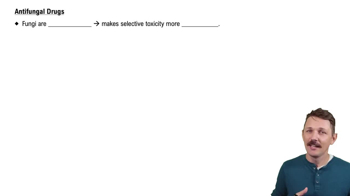
    Antifungal Drugs
    06:43
  • Guided course
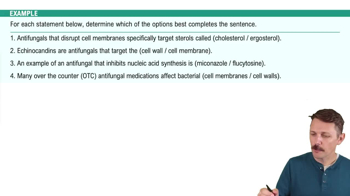
    Antifungal Drugs Example 1
    02:06
Antiviral Drugs

  • Guided course
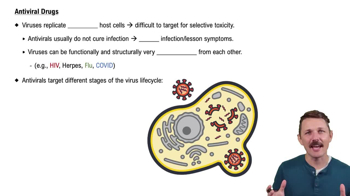
    Antiviral Drugs
    07:25

Tests to Guide Antimicrobial Use

  • Guided course
    Tests to Guide Antimicrobial Use Example 1
    04:17
  • Guided course
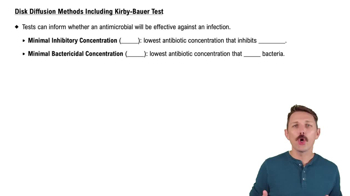
    Disk Diffusion Methods Including Kirby-Bauer Test
    06:04
  • Guided course
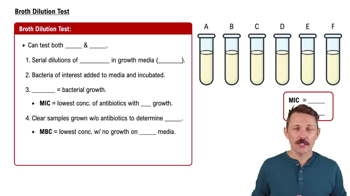
    Broth Dilution Test
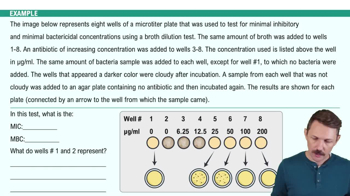
    04:53

Antimicrobial Resistance

  • Guided course
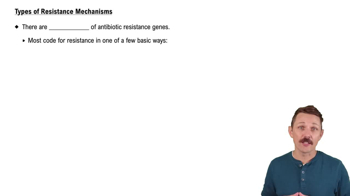
    Types of Resistance Mechanisms
    05:04
  • Guided course
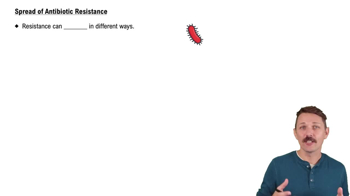
    Spread of Antibiotic Resistance
    04:45
  • Guided course
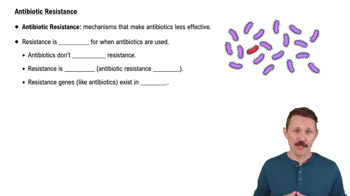
    Antibiotic Resistance
    03:45

Introduction to Viruses

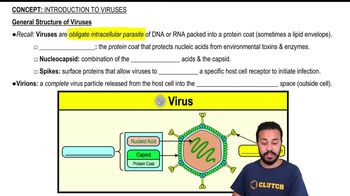
  • General Structure of Viruses
    04:47
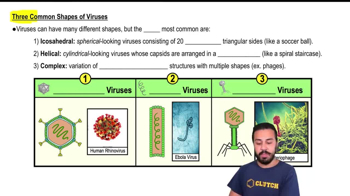
  • Three Common Shapes of Viruses
    03:19
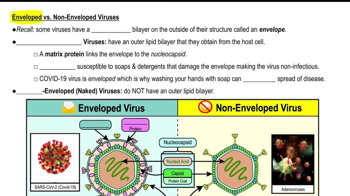
  • Enveloped vs. Non-Enveloped Viruses
    05:09

Introduction to Bacteriophage Infections

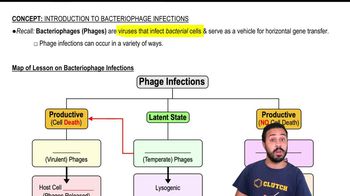
  • Map of Lesson on Bacteriophage Infections
    03:52
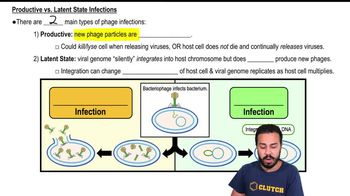
  • Productive vs. Latent State Infections
    04:09
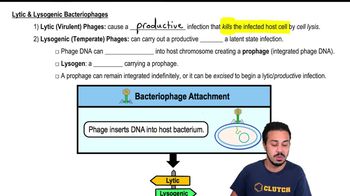
  • Lytic & Lysogenic Bacteriophages
    04:34

Bacteriophage: Lytic Phage Infections

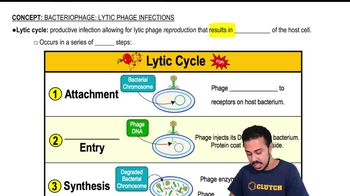
  • Bacteriophage: Lytic Phage Infections
    04:58

Bacteriophage: Lysogenic Phage Infections

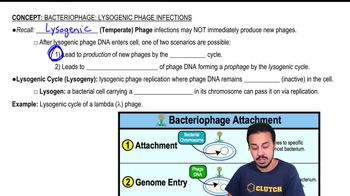
  • Bacteriophage: Lysogenic Phage Infections
    05:27
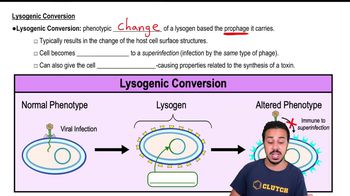
  • Lysogenic Conversion
    03:37

Bacteriophage: Filamentous Phage Infections

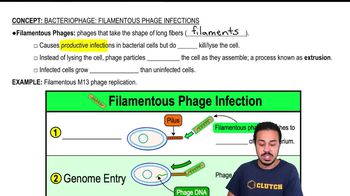
  • Bacteriophage: Filamentous Phage Infections
    04:18

Plaque Assays

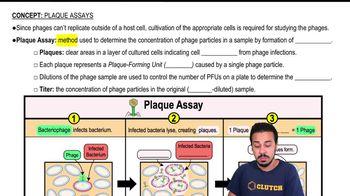
  • Plaque Assays
    04:21

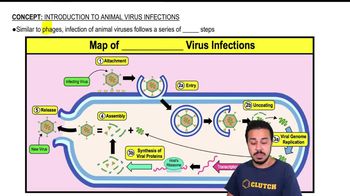
Introduction to Animal Virus Infections

  • Introduction to Animal Virus Infections
    02:33
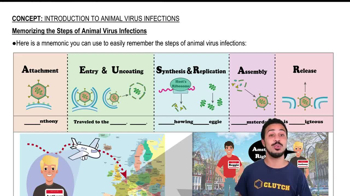
  • Memorizing the Steps of Animal Virus Infections
    01:40

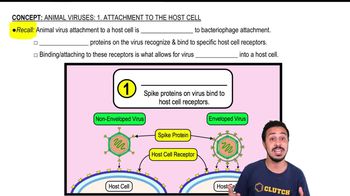
Animal Viruses: 1. Attachment to the Host Cell

  • Animal Viruses: 1. Attachment to the Host Cell
    03:12

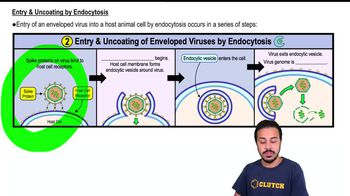
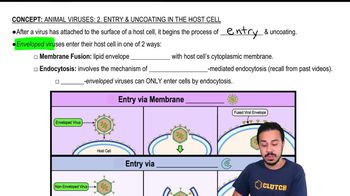
Animal Viruses: 2. Entry & Uncoating in the Host Cell

  • Entry & Uncoating by Endocytosis
    02:29
  • Animal Viruses: 2. Entry & Uncoating in the Host Cell
    04:29
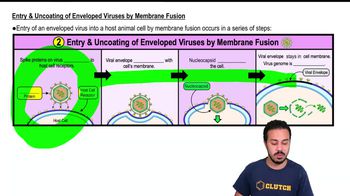
  • Entry & Uncoating of Enveloped Viruses by Membrane Fusion
    02:59

Animal Viruses: 3. Synthesis & Replication

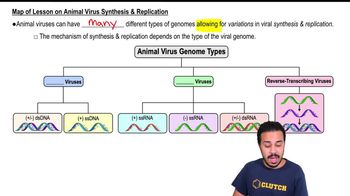
  • Map of Lesson on Animal Virus Synthesis & Replication
    03:34
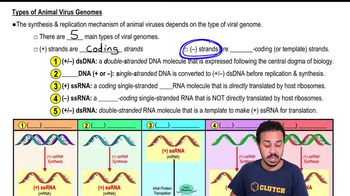
  • Types of RNA Virus Genomes
    10:46
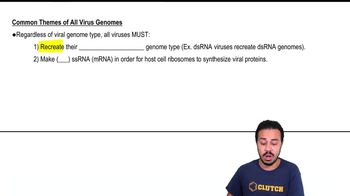
  • Common Themes of All Virus Genomes
    02:58

Animal Viruses: DNA Virus Synthesis & Replication

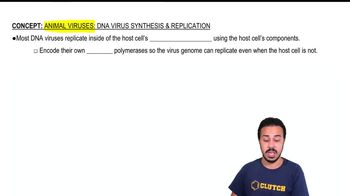
  • Animal Viruses: DNA Virus Synthesis & Replication
    01:10
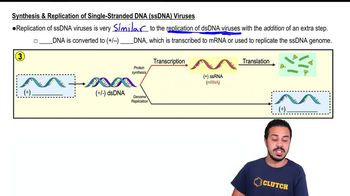
  • Replication of Single-Stranded DNA (ssDNA) Viruses
    04:12
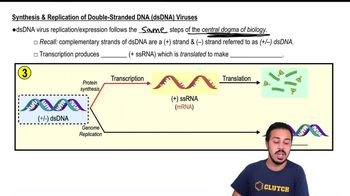
  • Replication of Double-Stranded DNA (dsDNA) Viruses
    03:58

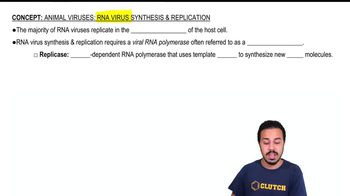
Animal Viruses: RNA Virus Synthesis & Replication

  • Animal Viruses: RNA Virus Synthesis & Replication
    01:30
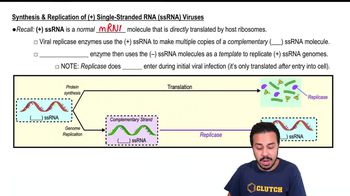
  • Replication of (+) Single Strand RNA (ssRNA) Viruses
    03:52
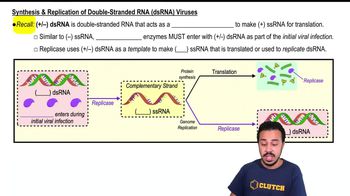
  • Replication of Double-Stranded RNA Viruses
    04:28

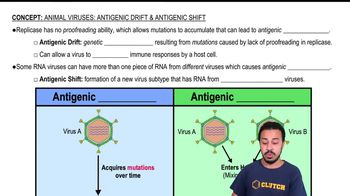
Animal Viruses: Antigenic Drift vs. Antigenic Shift

  • Animal Viruses: Antigenic Drift vs. Antigenic Shift
    05:27

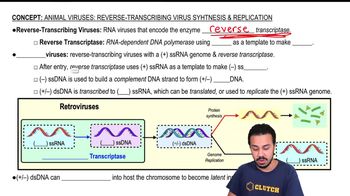
Animal Viruses: Reverse-Transcribing Virus Synthesis & Replication

  • Animal Viruses: Reverse-Transcribing Virus Synthesis & Replication
    04:28

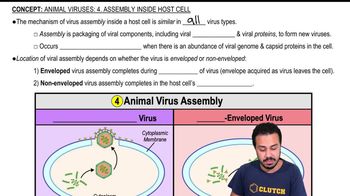
Animal Viruses: 4. Assembly Inside Host Cell

  • Animal Viruses: 4. Assembly Inside Host Cell
    04:26

Animal Viruses: 5. Release from Host Cell

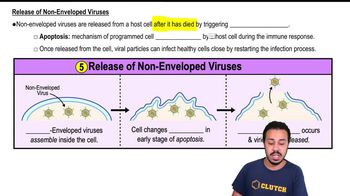
  • Release of Non-Enveloped Viruses
    02:34
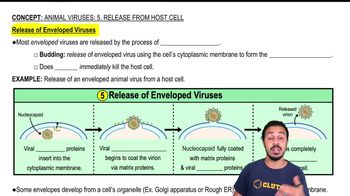
  • Release of Enveloped Viruses
    05:08

Acute vs. Persistent Viral Infections

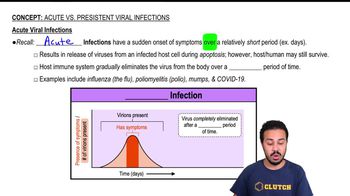
  • Acute Viral Infections
    03:29
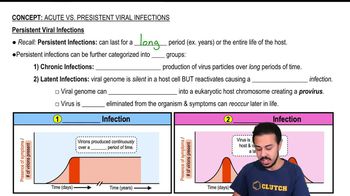
  • Persistent Viral Infections
    05:12
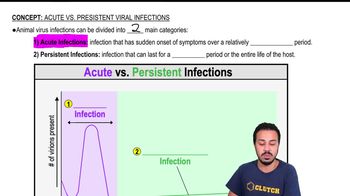
  • Acute vs. Persistent Viral Infections
    02:59

Viroids

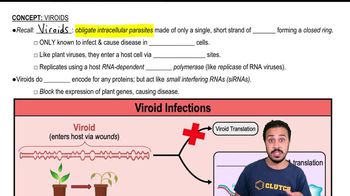
  • Viroids
    03:49

Prions

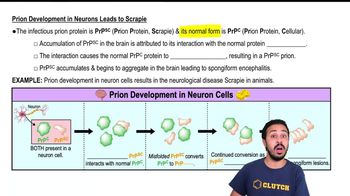
  • Prion Development in Neurons Leads to Scrapie
    04:00
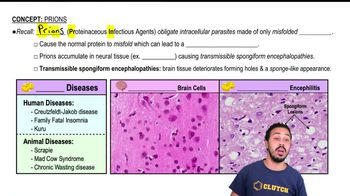
  • Prions
    03:05

Symbiotic Relationships

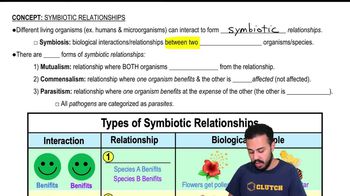
  • Symbiotic Relationships
    05:59

The Human Microbiome

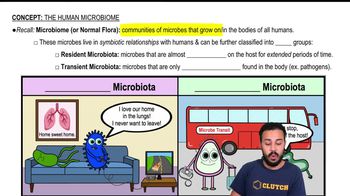
  • The Human Microbiome
    03:25
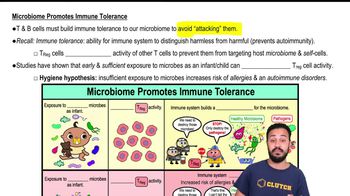
  • Microbiome Promotes Immune Tolerance
    05:48
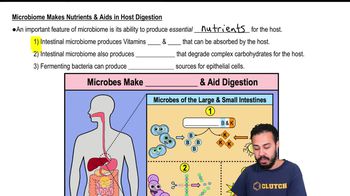
  • Microbiome Makes Nutrients & Aids in Host Digestion
    03:26

Characteristics of Infectious Disease

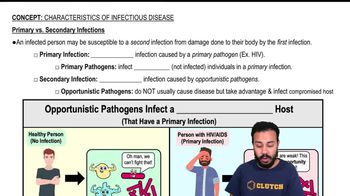
  • Primary vs. Secondary Infections
    04:16
  • Communicable vs. Noncommunicable Diseases
    04:57
  • Intro to Characteristics of Infectious Disease
    05:09

Stages of Infectious Disease Progression

  • Stages of Infectious Disease Progression
    05:36
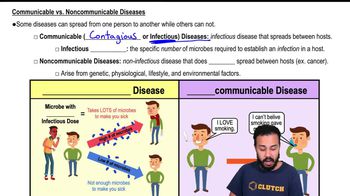
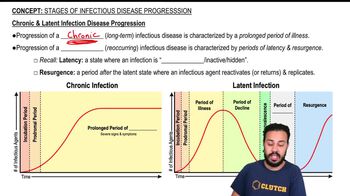
  • Chronic & Latent Infection Disease Progression
    05:14

Koch's Postulates

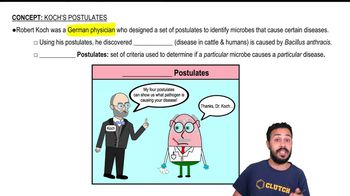
  • Koch's Postulates
    01:36
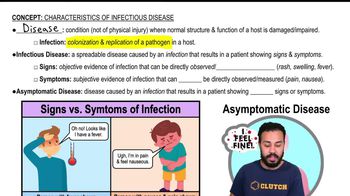
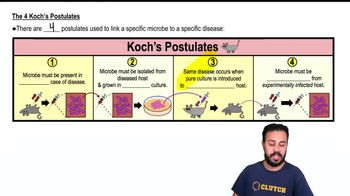
  • The 4 Koch's Postulates
    03:31
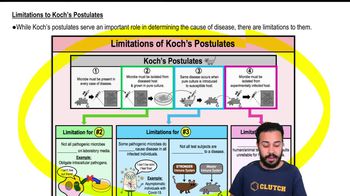
  • Limitations to Koch's Postulates
    02:58

Bacterial Pathogenesis

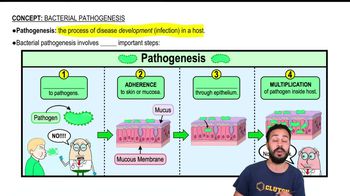
  • Intro to Bacterial Pathogenesis
    02:35
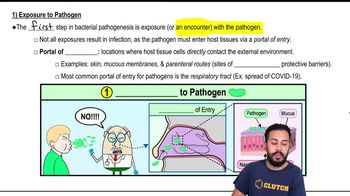
  • 1) Exposure to Pathogen
    03:27
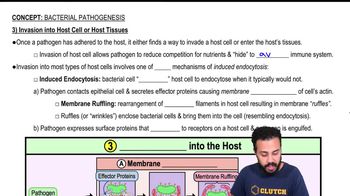
  • 3) Invasion into Host Tissues
    05:38

Introduction to Pathogenic Toxins

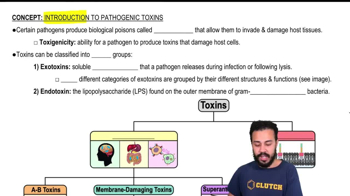
  • Introduction to Pathogenic Toxins
    03:40

Exotoxins Cause Damage to the Host

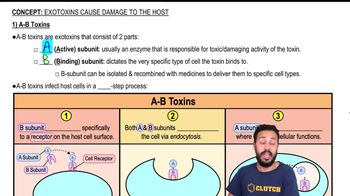
  • 1) A-B Toxins
    04:44
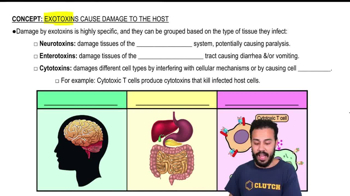
  • Types of Exotoxins
    03:30
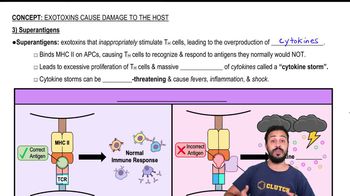
  • 3) Superantigens
    03:59

Endotoxin Causes Damage to the Host

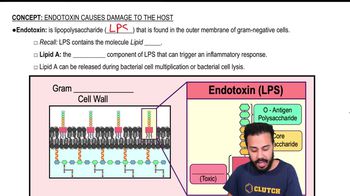
  • Endotoxin
    02:46
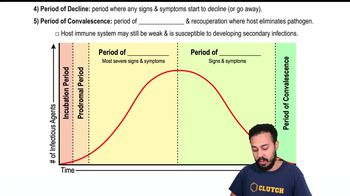
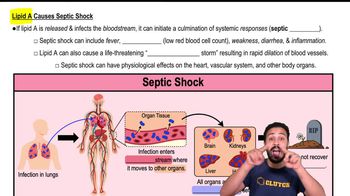
  • Lipid A Causes Septic Shock
    03:24

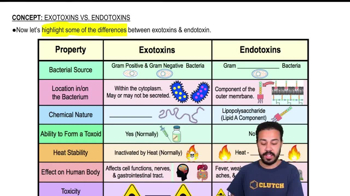
Exotoxins vs. Endotoxin Review

  • Exotoxins vs. Endotoxin Review
    07:22

Immune Response Damage to the Host

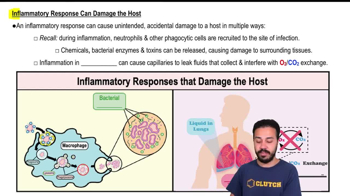
  • Inflammatory Response Can damage the Host
    03:31
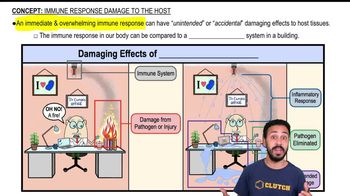
  • Intro to Immune Response Damage
    02:57
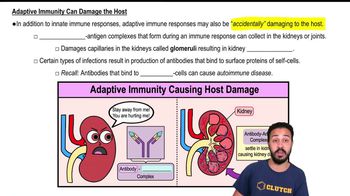
  • Adaptive Immunity Can Damage the Host
    03:22

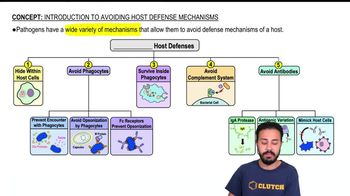
Introduction to Avoiding Host Defense Mechanisms

  • Introduction to Avoiding Host Defense Mechanisms
    01:59

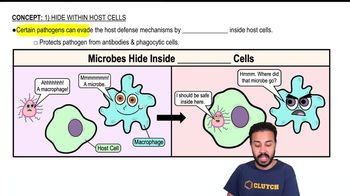
1) Hide Within Host Cells

  • Hide Within Host Cells
    01:50

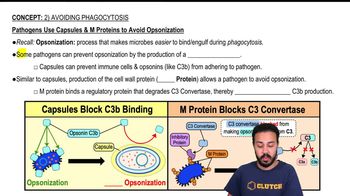
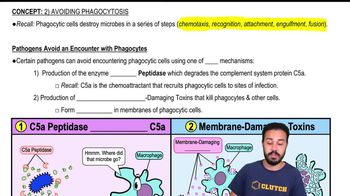
2) Avoiding Phagocytosis

  • Pathogen Use Capsules & M Proteins to Avoid Opsonization
    05:25
  • Pathogens Avoid Encounter with Phagocytes
    05:13
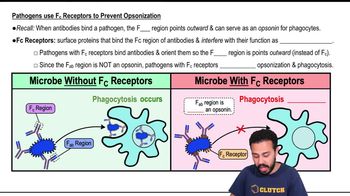
  • Pathogens Use Fc Receptors to Prevent Opsonization
    03:48

3) Surviving Inside Phagocytic Cells

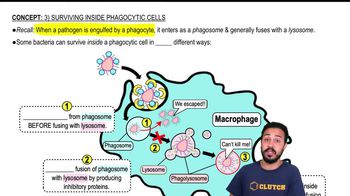
  • Surviving Inside Phagocytic Cells
    04:18

4) Avoiding Complement System

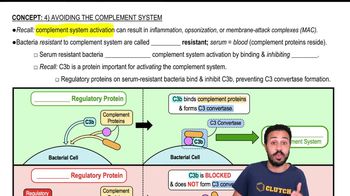
  • Avoiding Complement System
    04:53

5) Avoiding Antibodies

  • Bacteria Avoid Antibodies by Producing IgA Proteases
    02:59
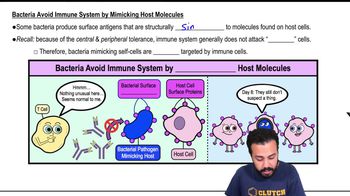
  • Bacteria Avoid Immune System by Mimicking Host Molecules
    03:11
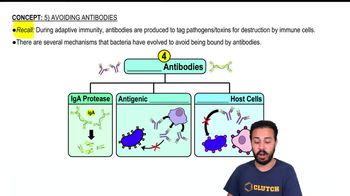
  • Intro to Avoiding Antibodies
    01:35

Viruses Evade the Immune Response

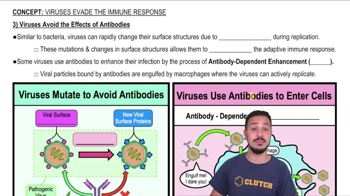
  • 3) Viruses Avoid the Effects of Antibodies
    3:57
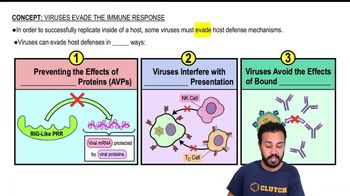
  • Intro to How Viruses Evade the Immune Response
    02:13
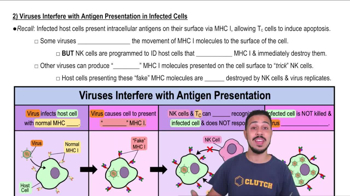
  • 2) Viruses Interfere with Antigen Presentation in Infected Cells
    3:43