 Back
BackPathogenic RNA Viruses: Naked, Positive ssRNA Viruses (Picornaviridae, Caliciviridae, Astroviridae, Hepeviridae)
Study Guide - Smart Notes
 Tailored notes based on your materials, expanded with key definitions, examples, and context.
Pathogenic RNA Viruses
Overview of RNA Viruses
RNA viruses are unique infectious agents that store their genetic information in RNA molecules. They are classified based on their genomic structure, the presence or absence of an envelope, and the size and shape of their capsid. There are four main types of RNA viruses:
Positive single-stranded RNA (+ssRNA)
Retroviruses (a subset of +ssRNA viruses that convert their genome to DNA)
Negative single-stranded RNA (−ssRNA)
Double-stranded RNA (dsRNA)
Positive-sense RNA can be directly used by ribosomes to synthesize proteins, while negative-sense RNA must first be transcribed into mRNA before translation can occur.

Naked, Positive ssRNA Viruses: Picornaviridae, Caliciviridae, Astroviridae, and Hepeviridae
General Characteristics
These families of viruses are non-enveloped and possess a positive-sense single-stranded RNA genome. They are responsible for a variety of human diseases, including respiratory, gastrointestinal, and hepatic illnesses.
Picornaviridae: The smallest animal viruses, containing many human pathogens.
Caliciviridae, Astroviridae, Hepeviridae: Larger than picornaviruses and primarily cause gastrointestinal diseases.
Common Colds Caused by Rhinoviruses (Picornaviridae)
Rhinoviruses are the most common cause of the common cold, with infections typically limited to the upper respiratory tract. Transmission occurs via aerosols, fomites, or direct contact, with person-to-person contact being the most common route. Immunity develops against specific serotypes, leading to decreased infections with age.
Diagnosis: Based on clinical manifestations.
Treatment: Pleconaril may reduce severity and duration if taken early; symptomatic relief is common.
Prevention: Handwashing is the most effective preventive measure.
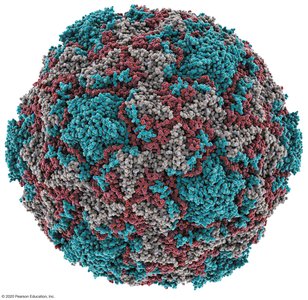
Diseases of Enteroviruses (Picornaviridae)
Enteroviruses are transmitted via the fecal-oral route, infecting the pharynx and intestine before spreading through the bloodstream. They are cytolytic, killing host cells. The main enteroviruses include polioviruses, coxsackieviruses, and echoviruses.
Poliomyelitis: Caused by one of three serotypes of poliovirus. Four clinical forms exist: asymptomatic, minor polio, nonparalytic polio, and paralytic polio (which can result in bulbar poliomyelitis).
Postpolio syndrome: Progressive muscle deterioration in previously affected muscles.
Vaccines: Inactivated polio vaccine (IPV, Salk) and oral polio vaccine (OPV, Sabin) have nearly eradicated polio.


Comparison of Polio Vaccines
Vaccine | Advantages | Disadvantages |
|---|---|---|
Salk Vaccine (IPV) | Effective, inexpensive, stable, no risk of vaccine-related disease | Requires boosters, injected (painful), higher community immunization rate needed |
Sabin Vaccine (OPV) | Induces secretory antibody response, easy to administer, herd immunity | Requires boosters, more expensive, less stable, risk of reversion to virulence, not for immunocompromised |

Other Diseases of Enteroviruses
Coxsackie A viruses: Cause herpangina, hand-foot-and-mouth disease, acute hemorrhagic conjunctivitis, and some colds.
Coxsackie B viruses: Associated with myocarditis, pericarditis, pleurodynia, and can cross the placenta.
Echoviruses: Cause meningitis and colds, acquired via the intestine.
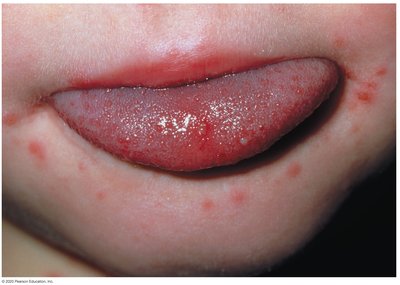
Epidemiology and Prevention of Enteroviruses
Enteroviruses are globally distributed, with higher incidence in areas lacking adequate sewage treatment. Transmission occurs via ingestion of contaminated food or water, or contact with infected hands or fomites. The greatest risk is to fetuses and newborns. Prevention relies on good hygiene and sanitation; polio can be prevented by vaccination.
Hepatitis A (Picornaviridae)
Hepatitis A virus is transmitted via the fecal-oral route and causes symptoms due to the immune response, including fever, fatigue, nausea, anorexia, and jaundice. The infection is usually self-limiting and does not cause chronic liver disease. The virus is resistant to common disinfectants, and vaccines are available.

Acute Gastroenteritis (Caliciviridae and Astroviridae)
Caliciviruses and astroviruses are major causes of acute gastroenteritis, especially in group settings such as schools and cruise ships. Caliciviruses (notably noroviruses) cause diarrhea, nausea, and vomiting, while astroviruses cause diarrhea without vomiting. Treatment is supportive, focusing on fluid and electrolyte replacement. Prevention includes proper sanitation and hand hygiene.
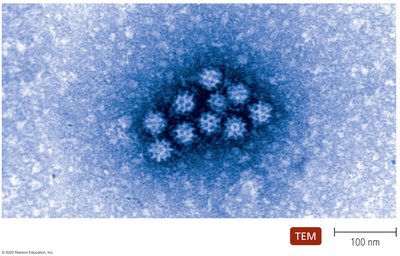
Hepatitis E (Hepeviridae)
Hepatitis E, also known as enteric hepatitis, is transmitted via contaminated food, drink, or blood transfusion. The disease is self-limiting but can be fatal in pregnant women. Prevention focuses on interrupting the fecal-oral route.

Comparison of Hepatitis Viruses
Feature | Hepatitis A | Hepatitis B | Hepatitis C | Hepatitis D | Hepatitis E |
|---|---|---|---|---|---|
Common Names | Infectious hepatitis | Serum hepatitis | Non-A, non-B hepatitis; chronic hepatitis | Delta agent hepatitis | Hepatitis E, enteric hepatitis |
Virus Family (genus) | Picornaviridae (Hepatovirus) | Hepadnaviridae (Orthohepadnavirus) | Flaviviridae (Hepacivirus) | Arenaviridae (Deltavirus) | Hepeviridae (Orthohepevirus) |
Genome | +ssRNA | dsDNA | +ssRNA | −ssRNA | +ssRNA |
Envelope? | Naked | Enveloped | Enveloped | Enveloped | Naked |
Transmission | Fecal-oral | Needles; sex | Needles; sex | Needles; sex | Fecal-oral |
Severity (mortality rate) | Mild (<0.5%) | Occasionally severe (1–2%) | Usually subclinical (0.5–4%) | May be severe (high, with HBV coinfection) | Mild (1–2%), except in pregnant women (20%) |
Chronic Carrier State? | No | Yes | Yes | No | No |
Other Disease Associations | — | Hepatic cancer | Hepatic cancer | Liver damage; hepatic cancer (with HBV) | — |

Summary Table: Manifestations of Respiratory Infections
Ailment | Manifestations |
|---|---|
Common Cold (viral) | Sneezing, rhinorrhea, congestion, sore throat, headache, malaise, cough |
Influenza (viral) | Fever, rhinorrhea, headache, body aches, fatigue, dry cough, pharyngitis, congestion |
“Strep” Throat (bacterial) | Fever, red and sore throat, swollen lymph nodes in neck |
Viral Pneumonia | Fever, chills, mucus-producing cough, headache, body aches, fatigue |
Bacterial Pneumonia | Fever, chills, congestion, cough, chest pain, rapid breathing, possible nausea and vomiting |
Bronchitis (viral or bacterial) | Mucus-producing cough, wheezing |
Inhalation Anthrax (bacterial) | Fever, malaise, cough, chest discomfort, vomiting |
Severe Acute Respiratory Syndrome (SARS) | High fever (>38°C), chills, shaking, headache, malaise, myalgia |
Middle East Respiratory Syndrome (MERS) | Fever, cough, shortness of breath |
Key Concepts and Additional Information
Why are there no vaccines for rhinoviruses? There are too many serotypes, making vaccine development impractical.
Best prevention for Hepatitis A: Immunization and interruption of the fecal-oral route.
