Back
BackPathogenic RNA Viruses: Structure, Classification, and Human Diseases
Study Guide - Smart Notes
 Tailored notes based on your materials, expanded with key definitions, examples, and context.
Overview of RNA Viruses
Classification and General Features
RNA viruses are unique infective agents that store their genetic information in RNA molecules. They are classified based on their genomic structure, the presence or absence of an envelope, and the size and shape of their capsid. The four main types of RNA viruses are:
Positive single-stranded RNA (+ssRNA)
Retroviruses (a subset of +ssRNA viruses that convert their genome to DNA)
Negative single-stranded RNA (-ssRNA)
Double-stranded RNA (dsRNA)
Positive-sense RNA can act directly as mRNA and be translated by host ribosomes, while negative-sense RNA must first be transcribed into mRNA before translation can occur.
Naked, Positive ssRNA Viruses
Picornaviridae and Related Families
Picornaviridae are the smallest animal viruses and include several genera that cause human disease, such as Rhinovirus, Enterovirus, and Hepatovirus. Other families, such as Caliciviridae, Astroviridae, and Hepeviridae, are larger and primarily cause gastrointestinal diseases.
Rhinoviruses and the Common Cold
Rhinoviruses are the most common cause of the common cold, with infections typically limited to the upper respiratory tract. Transmission occurs via aerosols, fomites, or direct contact, with person-to-person contact being the most common route. Immunity can develop against specific serotypes, leading to a decrease in infections with age. Symptoms are characteristic, and while medications can relieve symptoms, they do not shorten the disease duration. Handwashing is the most effective preventive measure.
Enteroviruses: Transmission and Diseases
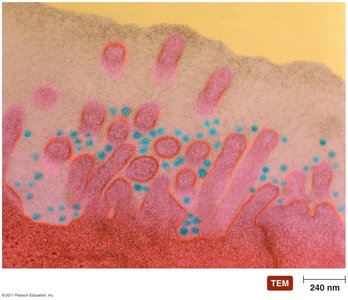
Enteroviruses are transmitted via the fecal-oral route, often through contaminated food, water, or fomites. They initially infect the pharynx and intestine, then spread via the bloodstream to various organs. The main enteroviruses are polioviruses, coxsackieviruses, and echoviruses.
Poliomyelitis
Poliovirus causes poliomyelitis, which can present as asymptomatic infection, minor polio, nonparalytic polio, or paralytic polio (including bulbar poliomyelitis). The last case of wild-type poliomyelitis in the Americas was in 1979. Postpolio syndrome is a late complication involving muscle deterioration. Vaccines have nearly eradicated polio: the inactivated polio vaccine (IPV) and the oral polio vaccine (OPV).


Other Enterovirus Diseases
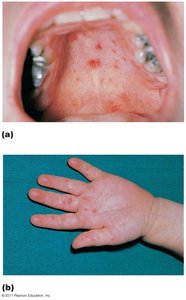
Coxsackie A viruses cause lesions and fever, including herpangina and hand-foot-and-mouth disease. Coxsackie B viruses are associated with myocarditis and pericardial infections and can cross the placenta. Echoviruses can cause meningitis and colds. Most infections are mild or subclinical.
Diagnosis, Treatment, and Prevention
Most enterovirus infections are mild and not diagnosed unless severe.
No effective antiviral therapy exists.
Prevention relies on good hygiene and sanitation.
Vaccines are available for hepatitis A and polio.
Hepatitis A
Hepatitis A virus is transmitted via the fecal-oral route and is resistant to common disinfectants. Symptoms are due to the immune response, and chronic liver disease does not occur. Most patients recover completely.
Acute Gastroenteritis: Caliciviruses and Astroviruses
Caliciviruses and astroviruses cause outbreaks of acute gastroenteritis, especially in group settings. Caliciviruses cause diarrhea, nausea, and vomiting, while astroviruses cause diarrhea without vomiting. Treatment is supportive, focusing on fluid and electrolyte replacement.
Hepatitis E
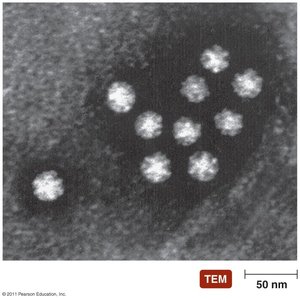
Hepatitis E virus, formerly classified as a calicivirus, causes enteric hepatitis. It is particularly fatal in pregnant women (up to 20% mortality). There is no specific treatment, and prevention relies on interrupting fecal-oral transmission.
Enveloped, Positive ssRNA Viruses
Togaviridae, Flaviviridae, and Coronaviridae
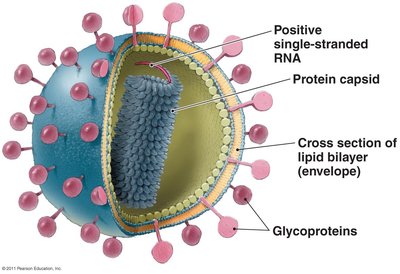
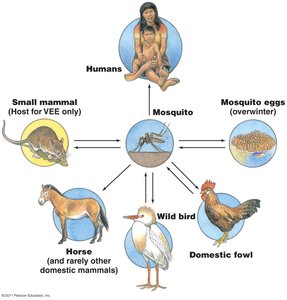
These families include enveloped +ssRNA viruses. Many are arboviruses, transmitted by arthropods such as mosquitoes and ticks. Coronaviruses are enveloped, helical +ssRNA viruses.
Diseases of Positive RNA Arboviruses
Arboviruses are zoonoses, meaning they are animal diseases that can spread to humans. Arthropod vectors remain infected and serve as reservoirs. Most infections are mild, but some can progress to severe diseases such as encephalitis, dengue fever, and yellow fever.
Rubella (German Measles)
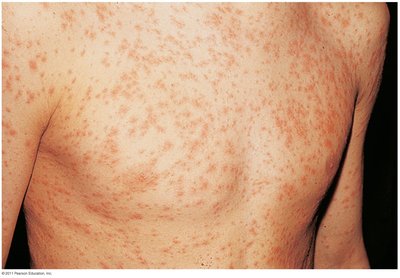
Rubella virus causes a mild childhood disease characterized by a rash of flat, pink to red spots. Infection in adults can lead to arthritis or encephalitis, and infection during pregnancy can cause congenital defects. Vaccination has significantly reduced rubella incidence.

Hepatitis C
Hepatitis C virus (HCV) is responsible for most non-A, non-B hepatitis in the United States. It is spread through needles, organ transplants, and sexual activity. Chronic infection is common, often leading to severe liver damage or failure. No vaccine or specific treatment is available.
Diseases of Coronaviruses
Coronaviruses are named for the corona-like halo formed by their envelopes. They are transmitted via large respiratory droplets and are the second most common cause of colds. Severe acute respiratory syndrome (SARS) is an emerging disease caused by a coronavirus. No specific treatment or vaccine exists.

Enveloped, Positive ssRNA Viruses with Reverse Transcriptase (Retroviridae)
Retroviruses: Structure and Replication
Retroviruses have polyhedral capsids with spiked envelopes and contain two identical +ssRNA molecules. They use reverse transcriptase to synthesize dsDNA from their RNA genome, defying the central dogma of molecular biology. Retroviruses are divided into oncogenic and immunosuppressive types.

Oncogenic Retroviruses
Human T-lymphotrophic viruses (HTLV-1 and HTLV-2) are associated with certain leukemias and are transmitted via sexual contact, blood transfusion, and contaminated needles. Infections are chronic, and there is no specific antiviral treatment.

Acquired Immunodeficiency Syndrome (AIDS) and HIV
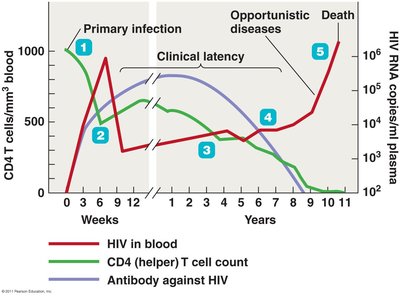
AIDS is a syndrome defined by the presence of certain opportunistic infections and a CD4 T cell count below 200 cells/μL. HIV, the causative agent, likely originated from simian immunodeficiency virus and only replicates in humans, destroying the immune system. Two types exist: HIV-1 (prevalent in the US and Europe) and HIV-2 (prevalent in West Africa). Glycoproteins gp120 and gp41 on the viral envelope impede immune clearance.



Enveloped, Unsegmented Negative ssRNA Viruses
Paramyxoviridae, Rhabdoviridae, and Filoviridae
Paramyxoviridae cause cells to fuse into multinucleate syncytia, aiding immune evasion. Genera include Morbillivirus (measles), Paramyxovirus (parainfluenza), Rubulavirus (mumps), and Pneumovirus (respiratory syncytial virus). Rhabdoviridae include rabies virus, and Filoviridae include Ebola and Marburg viruses.
Measles (Rubeola)
Measles is a highly contagious childhood disease spread by respiratory droplets. It causes Koplik's spots in the mouth and a characteristic rash. Complications can include pneumonia, encephalitis, and subacute sclerosing panencephalitis. Vaccination has eliminated endemic measles in the US.
Mumps
Mumps virus infects the upper respiratory tract and spreads to other organs, causing parotitis (painful swelling of the parotid glands). Infection is often asymptomatic, and recovery is typical. Vaccination has nearly eradicated mumps in industrialized countries.
Respiratory Syncytial Virus (RSV)
RSV causes respiratory tract disease, especially in infants and children. It spreads via fomites, hands, and droplets, causing syncytia formation in the lungs and sometimes dyspnea. It is the leading cause of fatal respiratory disease in young children. Diagnosis is based on clinical signs and immunoassay; treatment is supportive.
Rabies
Rabies virus is a classical zoonotic disease, with dogs as the main urban reservoir and bats as the main source in humans. Transmission is usually via bites. The virus travels to the CNS, causing neurological symptoms and death from respiratory paralysis. Diagnosis is clinical; treatment includes wound care, immune globulin, and vaccination. Prevention relies on vaccinating domestic animals.
Hemorrhagic Fevers: Ebola and Marburg
Filoviruses cause severe hemorrhagic fevers with high mortality. Transmission is via body fluids and contaminated syringes. The viruses attack macrophages and liver cells, causing uncontrolled bleeding. Treatment is supportive, focusing on fluid replacement.
Enveloped, Segmented Negative ssRNA Viruses
Orthomyxoviridae (Influenza Viruses)
Influenza A and B viruses cause the flu, primarily infecting the respiratory tract. Symptoms include fever, malaise, headache, and myalgia. The viral genome is highly variable, especially in envelope proteins hemagglutinin (HA) and neuraminidase (NA), leading to antigenic drift and shift. Diagnosis is clinical; treatment involves antivirals if given early, and prevention is by vaccination.
Bunyaviridae and Arenaviridae
Bunyaviruses are mostly zoonotic and transmitted by arthropods. Hantaviruses, transmitted via inhalation of rodent excreta, can cause hantavirus pulmonary syndrome. Arenaviruses have a sandy appearance due to ribosomes and can cause hemorrhagic fevers and hepatitis D. Hepatitis D virus requires hepatitis B for virulence and is associated with liver cancer risk.
Naked, Segmented dsRNA Viruses
Reoviridae: Rotavirus and Coltivirus
Reoviridae are the only microbes with dsRNA genomes. Rotavirus is the most common cause of infantile gastroenteritis and a significant cause of death in developing countries. Transmission is fecal-oral, and treatment is supportive. A vaccine is available. Coltivirus is an arbovirus causing Colorado tick fever, usually a mild disease.
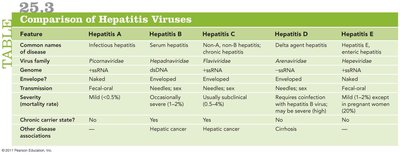
Comparison of Hepatitis Viruses
The following table summarizes the main features of hepatitis viruses A-E, including their transmission, severity, and chronic carrier status.
Feature | Hepatitis A | Hepatitis B | Hepatitis C | Hepatitis D | Hepatitis E |
|---|---|---|---|---|---|
Common names of disease | Infectious hepatitis | Serum hepatitis | Non-A, non-B hepatitis; chronic hepatitis | Delta agent hepatitis | Hepatitis E, enteric hepatitis |
Virus family | Picornaviridae | Hepadnaviridae | Flaviviridae | Arenaviridae | Hepeviridae |
Genome | +ssRNA | dsDNA | +ssRNA | –ssRNA | +ssRNA |
Transmission | Fecal-oral | Needles; sex; blood; perinatal | Needles; sex; blood | Requires coinfection with hepatitis B virus | Fecal-oral |
Severity (mortality rate) | Mild (0.5–1%) | Varies; subclinical to severe (1–2%) | Mild, subclinical to severe (4%) | Varies; coinfection with hepatitis B may be severe (high) | Mild; 20% mortality in pregnant women |
Chronic carrier state? | No | Yes | Yes | Yes | No |
Other diseases associated | — | Hepatic cancer | Hepatic cancer | Cirrhosis | — |