 Back
pGLO Bacterial Transformation and Recombinant DNA Technology
Study Guide - Smart Notes
 Tailored notes based on your materials, expanded with key definitions, examples, and context.
pGLO Bacterial Transformation and Recombinant DNA Technology
Introduction to Genetic Engineering and GMOs
Genetically Modified Organisms (GMOs) are organisms whose genetic material has been altered using recombinant DNA technology. This process allows scientists to introduce new traits, such as disease resistance or the ability to produce valuable proteins, into various organisms including bacteria, plants, and animals.
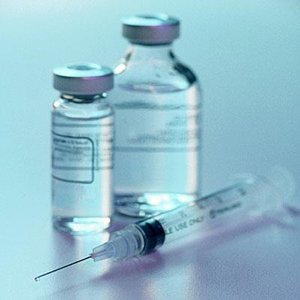
Applications of GMOs: Disease/drought/pest resistance, increased nutrition, research animal models, and production of pharmaceuticals like insulin and vaccines.
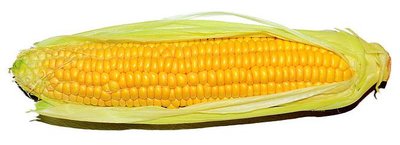
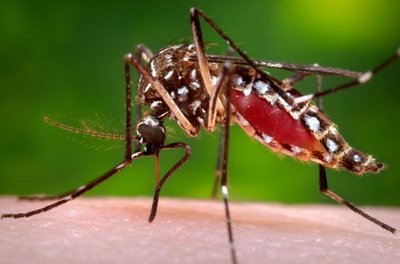
Example: Modified mosquitoes are used to combat the spread of diseases, and crops like corn are engineered for pest resistance.
Producing Proteins Using Bacteria
Bacteria can be engineered to produce large quantities of proteins by introducing foreign genes into their cells. This process is fundamental in biotechnology for the mass production of proteins such as insulin, growth hormones, and research markers like Green Fluorescent Protein (GFP).
Step 1: Identify and isolate the gene encoding the desired protein.
Step 2: Insert the gene into a plasmid, a small circular DNA molecule found in bacteria.
Step 3: Transform bacteria (commonly E. coli) with the recombinant plasmid.
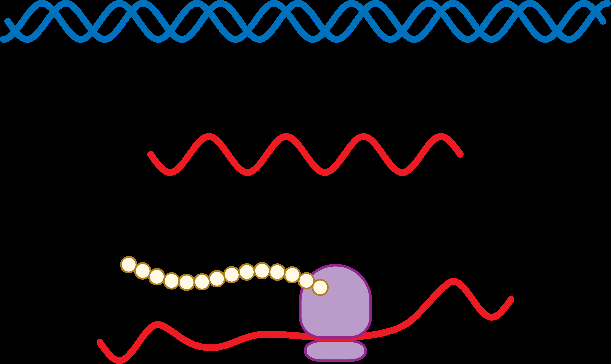
Step 4: Grow the transformed bacteria; they act as mini protein factories, transcribing and translating the gene into protein.
Step 5: Purify the protein from the bacterial culture.

Plasmids and Bacterial Transformation
Plasmids are extrachromosomal, circular DNA molecules that can replicate independently within bacterial cells. They are essential tools in genetic engineering, allowing for the introduction and expression of foreign genes in bacteria.
Plasmid Features: Origin of replication (ori), selectable marker (e.g., antibiotic resistance), and gene(s) of interest.
Bacterial Transformation: The process of introducing recombinant plasmids into bacteria, enabling them to express new traits.


Genetic Engineering Using Plasmids
Scientists engineer plasmids to carry specific genes, such as those conferring antibiotic resistance or encoding proteins of interest. These plasmids can be introduced into bacteria, which then express the new genes.
Antibiotic Resistance: Allows selection of transformed bacteria on antibiotic-containing media.
Origin of Replication: Ensures plasmid replication within the host cell.
Gene of Interest: Encodes the desired protein or trait.

Green Fluorescent Protein (GFP) and the pGLO Plasmid
The Aequorea victoria jellyfish produces Green Fluorescent Protein (GFP), which fluoresces under ultraviolet light. The pGLO plasmid is engineered to contain the GFP gene, along with regulatory elements and a selectable marker.
GFP: Used as a visible marker for gene expression studies.
pGLO Plasmid Components:
GFP gene: Encodes green fluorescent protein.
Beta-lactamase gene: Provides ampicillin resistance.
araC gene: Encodes AraC protein, which regulates GFP expression in the presence of arabinose (sugar).
Origin of replication (ori): Allows plasmid replication.



Mechanism of Bacterial Transformation
Bacterial transformation involves making the bacterial cell membrane permeable to DNA, allowing the uptake of plasmids. This is typically achieved using a combination of calcium chloride (CaCl2) treatment and heat shock.
CaCl2 Treatment: Shields negative charges on DNA and the cell membrane, facilitating DNA uptake.
Heat Shock: Brief exposure to elevated temperature creates pores in the membrane, allowing plasmid entry.
Recovery: Cells are incubated in nutrient-rich LB broth to express the introduced genes.
Transformation Summary Table
Step | Description |
|---|---|
1. CaCl2 transformation solution | Shields negative charge on DNA |
2. Pre-heat shock incubation on ice | Slows membrane for greater shock |
3. Heat shock | Increases membrane permeability |
4. Post-heat shock incubation on ice | Restores membrane integrity |
5. Incubation with LB broth | Allows gene expression |
6. Plating on selective media | Selects for transformed bacteria |
Selection and Expression of Transformed Bacteria
After transformation, bacteria are plated on selective media containing ampicillin. Only those that have successfully taken up the pGLO plasmid (and thus express beta-lactamase) will survive. GFP expression is regulated by the presence of arabinose in the medium.
Beta-lactamase: Enzyme that degrades ampicillin, conferring resistance.
AraC Protein: Acts as a regulatory switch for GFP expression; arabinose turns the switch ON.
LB Broth: Provides nutrients for bacterial growth.
Plating and Observation
Bacteria are spread on LB, LB/amp, and LB/amp/ara plates to observe growth and fluorescence.
Only transformed bacteria grow on ampicillin plates; only those with arabinose express GFP and fluoresce under UV light.
Summary of the pGLO Transformation Procedure
Label tubes (+pGLO and –pGLO).
Add E. coli colonies to each tube.
Add pGLO plasmid DNA to the +pGLO tube only.
Incubate on ice, then heat shock at 42°C, followed by recovery on ice.
Add LB broth and incubate at room temperature.
Plate bacteria on selective media and incubate overnight.
Key Terms and Concepts
Transformation: Uptake of foreign DNA by a bacterial cell.
Plasmid: Circular DNA molecule used as a vector in genetic engineering.
Selectable Marker: Gene (e.g., antibiotic resistance) used to identify transformed cells.
Gene Expression: Process by which information from a gene is used to synthesize a functional product (protein).
Regulatory Protein (AraC): Controls gene expression in response to environmental signals (arabinose).
Relevant Equations
Central Dogma of Molecular Biology:
Additional info: The pGLO system is a classic example of recombinant DNA technology and gene regulation in prokaryotes, illustrating key concepts in microbial genetics and biotechnology.
